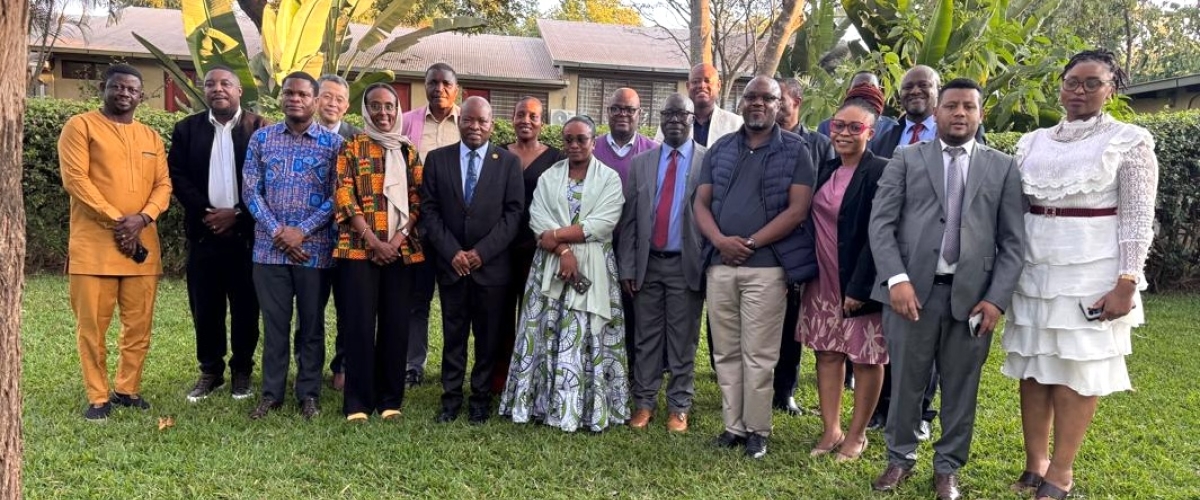
The African Union Commission (AUC) convened Regional Economic Communities (RECs), and Food Systems Resilience Programme (FSRP) implementing countries, from 3 to 5 June 2026, in Lilongwe, Malawi, to advance the harmonisation of digital agriculture strategies across Africa.
The three-day workshop sought to accelerate the operationalisation of the African Union Digital Agriculture Strategy (AU-DAS) by strengthening alignment between continental, regional and national digital agriculture frameworks. The meeting brought together representatives from the Southern African Development Community (SADC), Intergovernmental Authority on Development (IGAD), COMESA, FSRP implementing countries including Malawi, Zambia and Comoros, as well as the Centre for Coordination of Agricultural Research and Development for Southern Africa (CCARDESA).
Agriculture remains the backbone of Africa's economies and livelihoods, employing more than 60 percent of the continent's population and contributing significantly to food security, trade and rural development. As countries increasingly adopt digital technologies to transform their food systems, participants recognised the need to ensure that investments in digital agriculture are coordinated, interoperable and aligned with shared continental priorities.
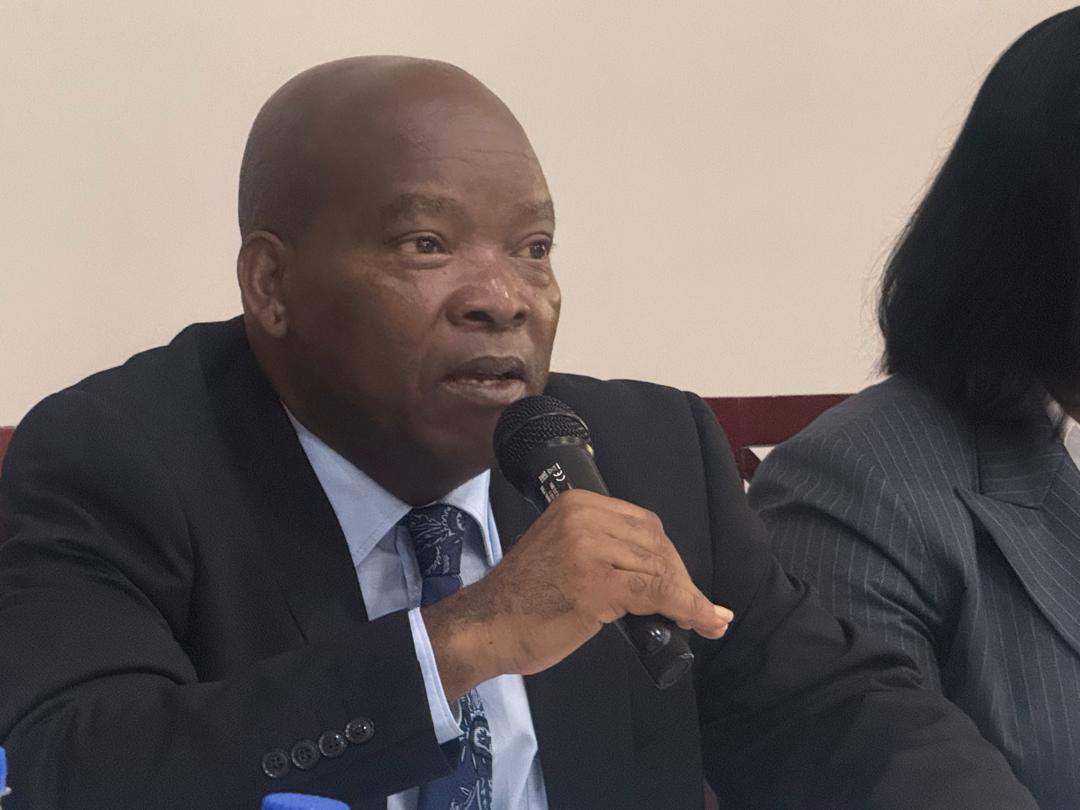
Opening the workshop, H.E. Moses Vilakati, African Union Commissioner for Agriculture, Rural Development, Blue Economy and Sustainable Environment, underscored the importance of moving beyond fragmented digital initiatives towards a coherent continental approach capable of driving agricultural transformation, resilience and food security.
 |  |  |
The workshop was convened against the backdrop of growing investments in digital agriculture across Africa, including digital advisory services, farmer registries, climate information systems, market platforms and agricultural data systems. While these innovations have demonstrated significant potential, participants acknowledged that many have been developed in isolation, resulting in fragmented systems, limited interoperability and challenges in sharing data across borders and institutions.
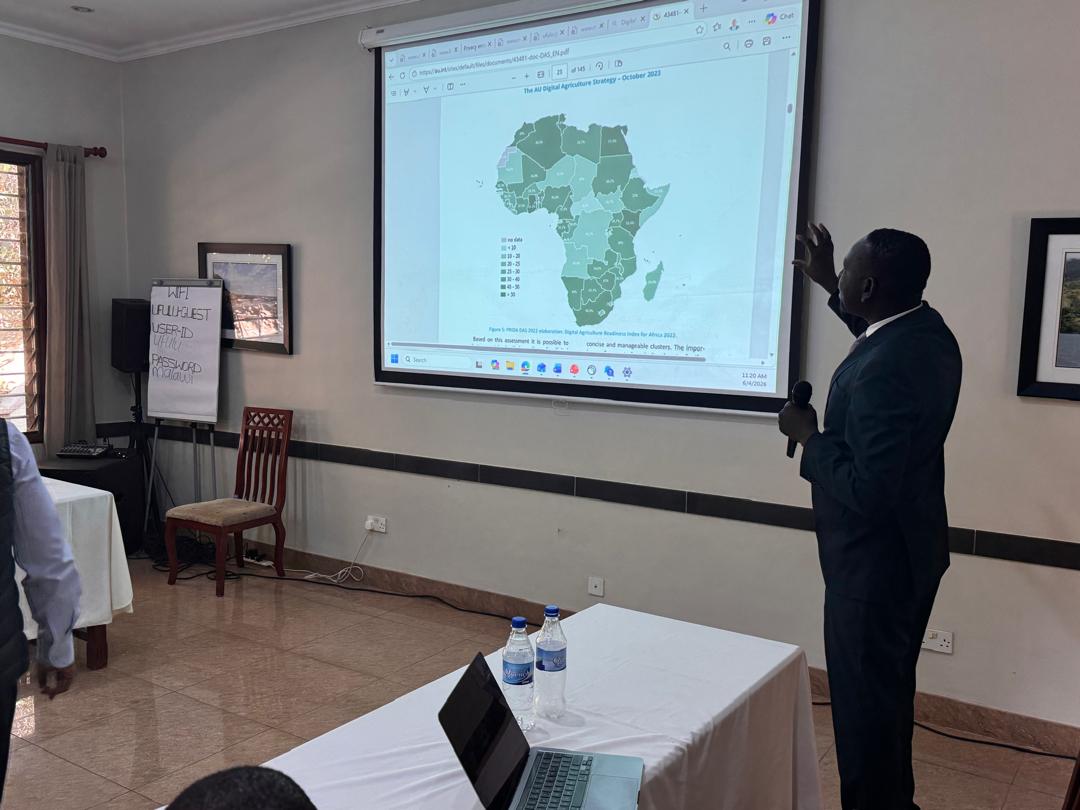
The African Union Digital Agriculture Strategy provides a framework for addressing these challenges by promoting farmer-centred digital services, interoperable digital public goods, stronger data governance, regional integration and coordinated implementation. Participants therefore focused on identifying practical measures that would enable countries and regional institutions to align their strategies, policies and investments with the continental framework.
Discussions centred on four key pillars: policy and strategic harmonisation, interoperable digital agriculture systems, institutional coordination and governance, and financing, capacity and sustainability. Participants reviewed existing national digital agriculture strategies and assessed their alignment with the African Union Digital Agriculture Strategy, the Digital Transformation Strategy for Africa, CAADP commitments and regional frameworks.
A major focus of the workshop was the harmonisation of digital agriculture policies and standards across regions and countries. Stakeholders emphasised the need for common approaches to agricultural data governance, interoperability standards, cybersecurity, privacy protection and responsible data sharing. Such alignment is expected to improve collaboration among countries, facilitate cross-border agricultural trade and support the development of regional digital public goods.
The meeting also highlighted the importance of interoperable agricultural information systems capable of integrating farmer registries, digital advisory services, climate information systems, market platforms and traceability tools. Participants agreed that stronger integration of these systems would enhance evidence-based decision-making, improve service delivery to farmers and support more effective responses to climate and food security challenges.
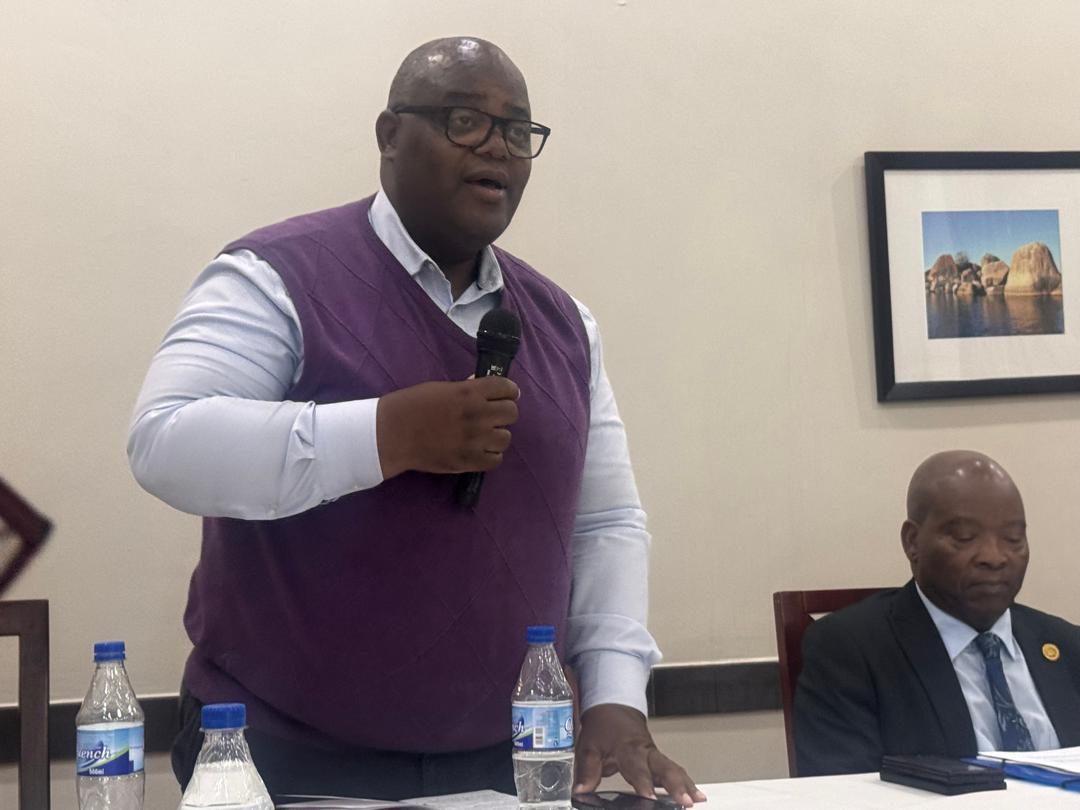
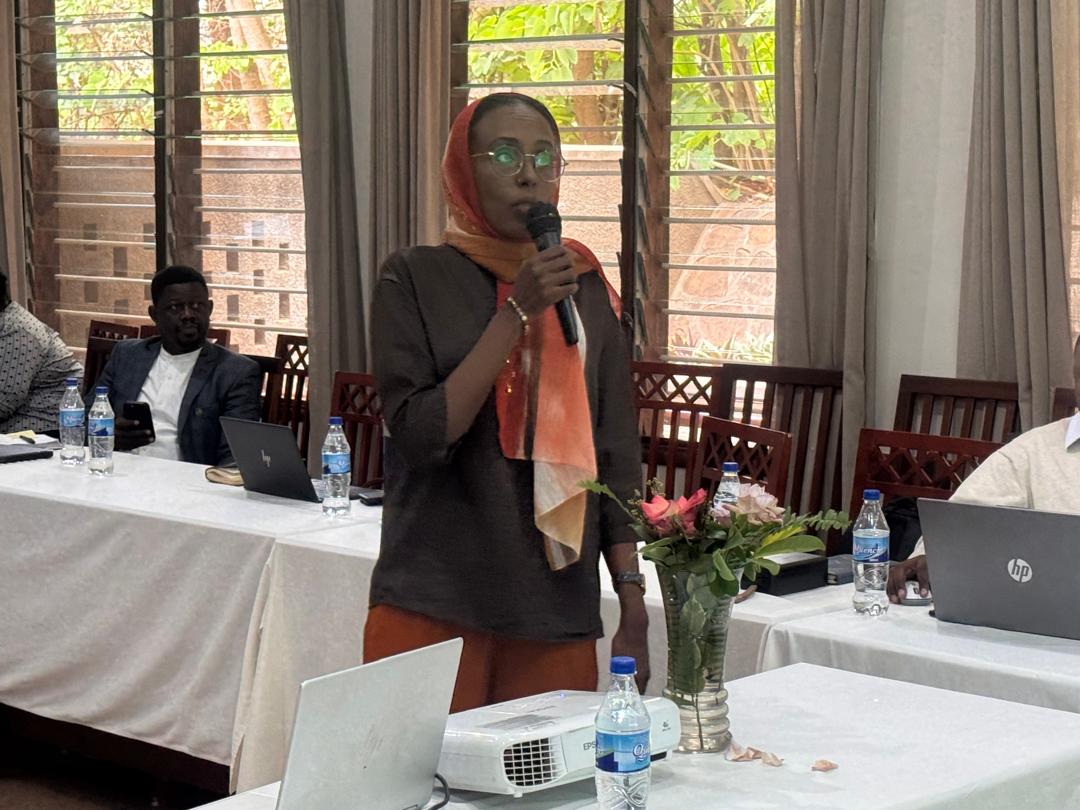
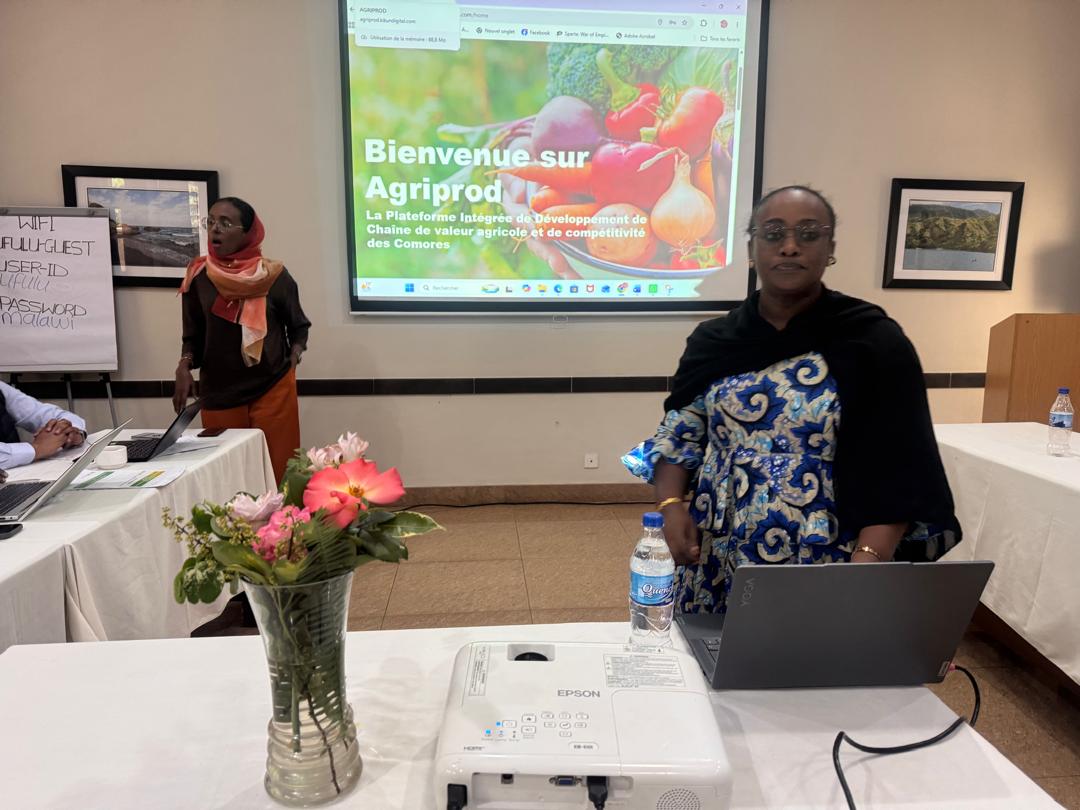
Regional organisations presented ongoing efforts to strengthen digital agriculture ecosystems. In Southern Africa, SADC and CCARDESA outlined plans to develop a Regional Digital Agriculture Strategy aligned with the African Union Digital Agriculture Strategy, CAADP commitments and regional agricultural priorities. Participants also discussed scaling up Digital Agro Climate Advisory Services (DACAS), strengthening agricultural information management systems, expanding digital trade and traceability platforms, and improving regional early warning systems.
 |  |  |
The workshop further emphasised the need for stronger collaboration among ministries responsible for agriculture, information and communications technology, trade, planning and environment, as well as greater engagement with the private sector, research institutions, telecommunications companies, financial service providers and farmer organisations.
Delegates acknowledged that digital transformation requires not only technology and infrastructure but also sustainable financing, institutional capacity and strong governance arrangements. Particular attention was given to building digital skills among policymakers, extension officers, researchers, youth agripreneurs and farmers to ensure that digital innovations translate into tangible benefits on the ground.
The Lilongwe meeting concluded with a renewed commitment by the African Union Commission, Regional Economic Communities and Member States to work together in building a harmonised and interoperable digital agriculture ecosystem that supports resilient food systems, improved agricultural productivity and regional integration.
 |  |  |