By Happy Mulolani
To catalyse agricultural development, it is necessary to reaffirm the government’s commitment and encourage private-sector participation in the agricultural market.
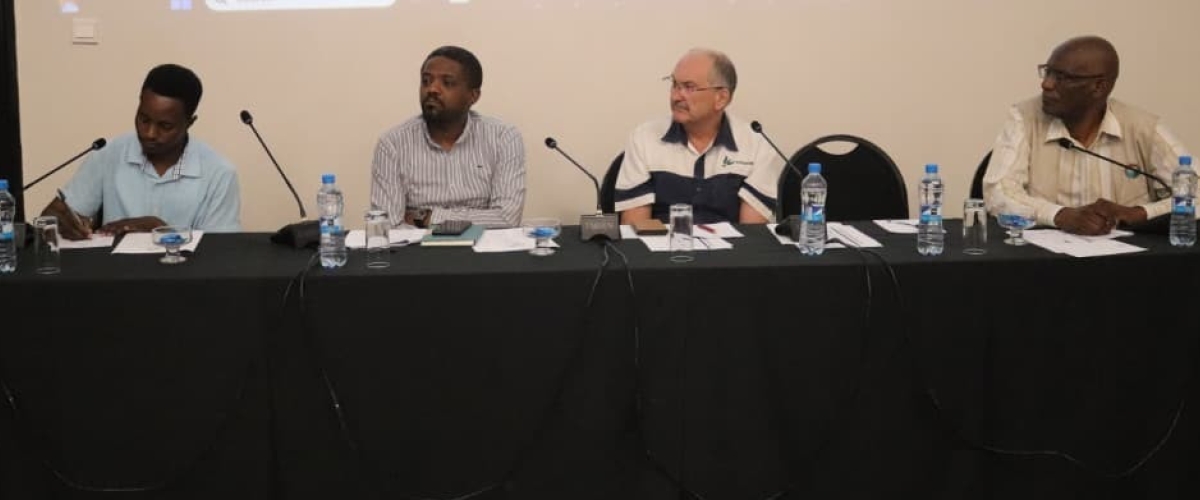
Speaking at Zambia’s agricultural Trade in the African Continental Free Trade Area Era: A dialogue on Predictability and market confidence in Lusaka, Agriculture Permanent Secretary for Technical Services, John Mulongoti, explained the necessity of strengthening Zambia’s market arrangements, enhancing policy predictability, and unlocking opportunities in agricultural trade.
Mr. Mulongoti reiterated the need for stakeholders and the government to hold regular engagements in order to promote evidence-based policy dialogue, as this charts the way forward in building a sustainable and resilient agri-food system.
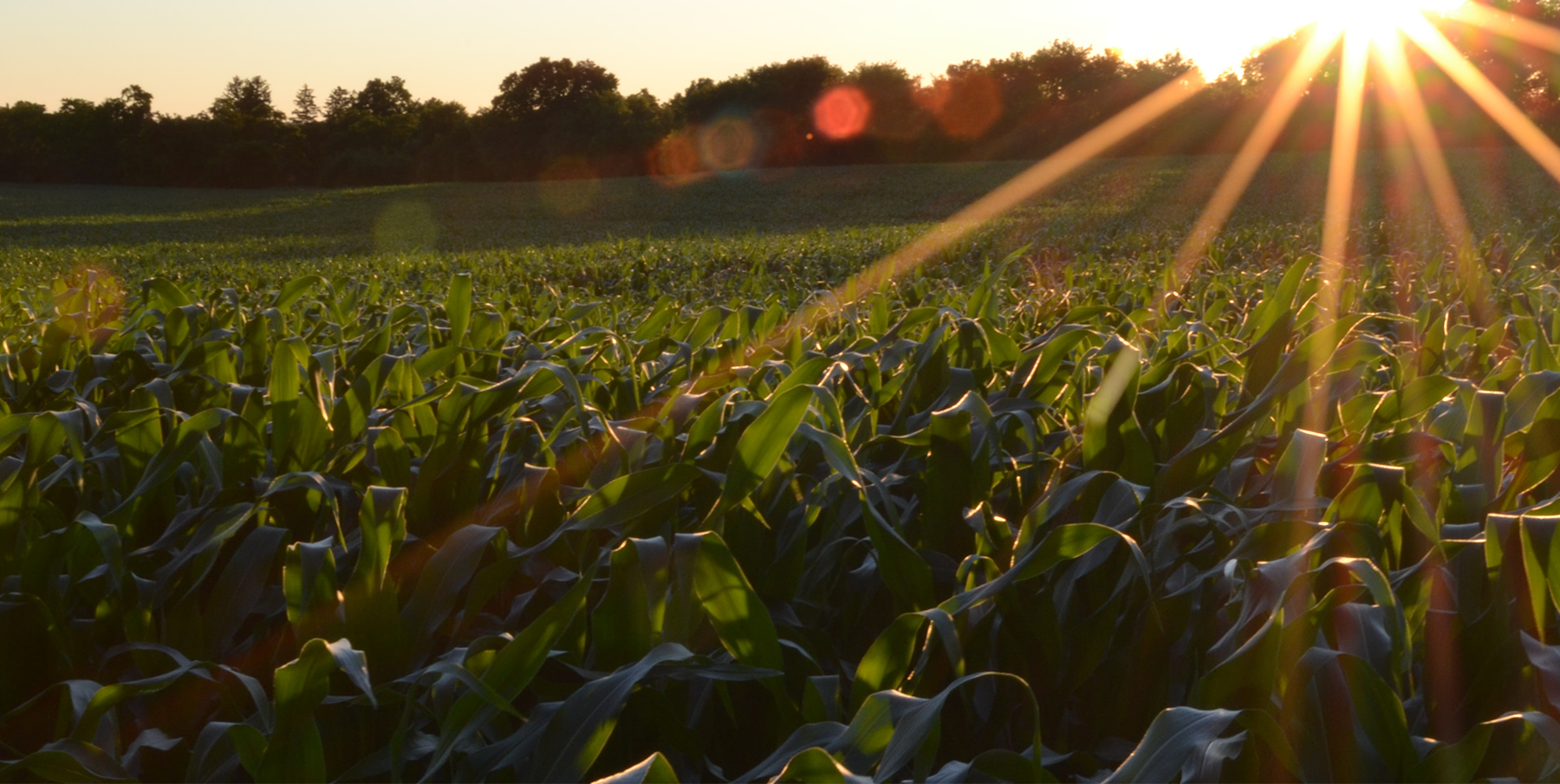
“Government has set a target, aimed at producing 10 million metric tonnes of maize, 1 million metric tonnes of wheat, and 1 million metric tonnes of soybeans, which is expected to position Zambia as a regional food basket,” he further stated.
To achieve these targets, the government has implemented policy reforms, made strategic investments, and strengthened partnerships. These initiatives will help stakeholders provide insights and evidence to support policy consistency and market confidence.
Mr. Mulongoti pointed out that the occurrence of climate shocks, such as floods and droughts, coupled with global conflicts, continues to affect food systems and agricultural markets. These challenges underscore immediate collaborative remedial solutions.
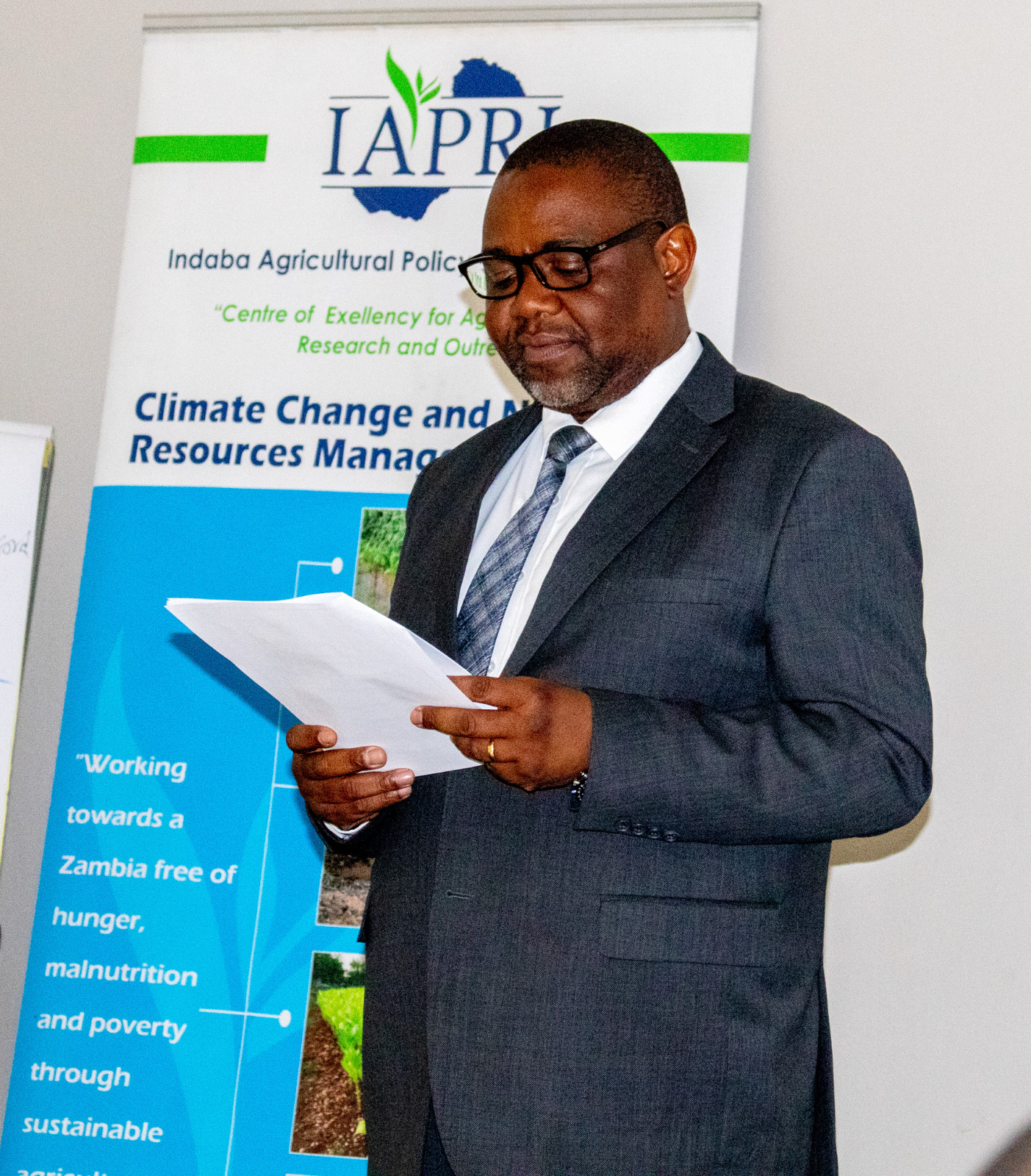
He also restated that the government is strengthening the agriculture policy and legal framework through key legislative reforms. These include: The Food Reserve Act, The Agricultural Credits and Warehousing bill, and the Agricultural Marketing bill.
“These reforms are aimed at enhancing market efficiency, attracting private sector participation, and improving agricultural trade systems,” Mr Mulongoti said.
He acknowledged the stakeholders' dialogue is expected to yield positive outcomes as they endeavour to support the government’s broader agenda of transforming agriculture into a productive.
“This will be achieved through improving policy predictability and strengthening market confidence…an enabling environment where farmers, traders, processors, and investors can make informed decisions,” Mr Mulongoti said.
Mr Mulongoti was speaking in a speech read on his behalf by the Director of Department of Agriculture, Dr Chizumba Shepande. The meeting drew stakeholders from Government representatives and private sector players.
Indaba Agricultural Policy Research Institute Board Chairperson, Colliard Hamusimbi, emphasized the need for farmers not only to produce but to produce for value.
“This calls for re-thinking what we can do differently in view of the set-out government targets,” Mr Hamusimbi said.
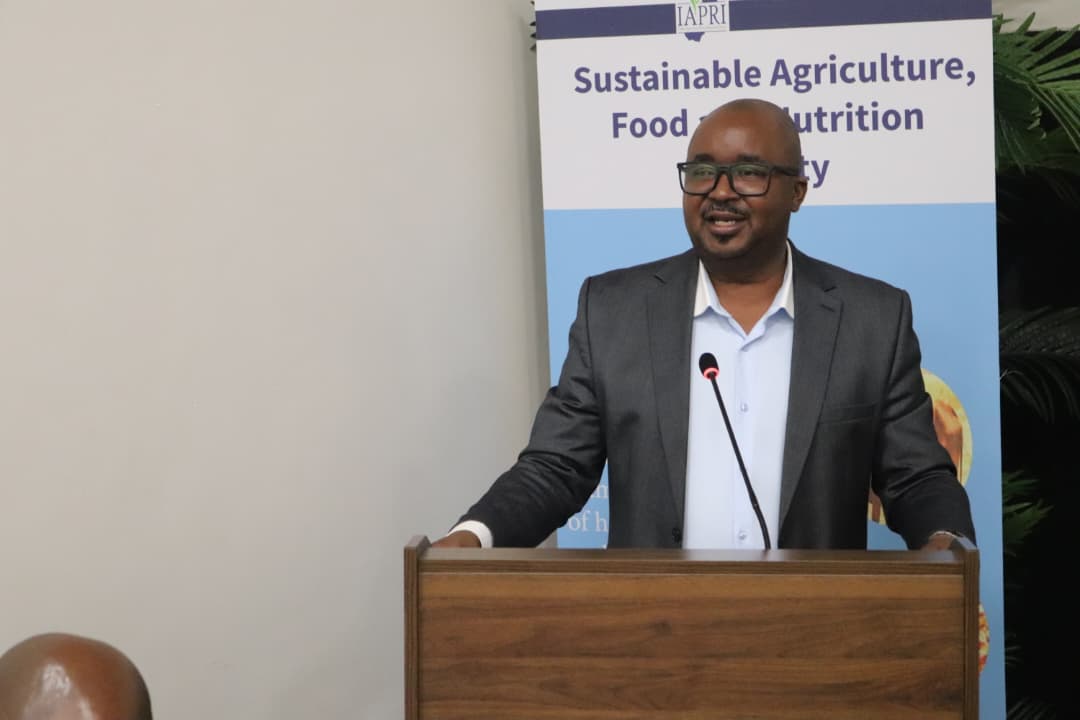
And National Association for Smallholder Farmers, Frank Kayula, said farmers respond to the availability of markets and attractive prices. Dr. Kayula explained that there was a need to put a strategic marketing plan in place and also strengthen government-to-government partnerships. “A predictable market system results in improved food security and economic growth,” he stated.
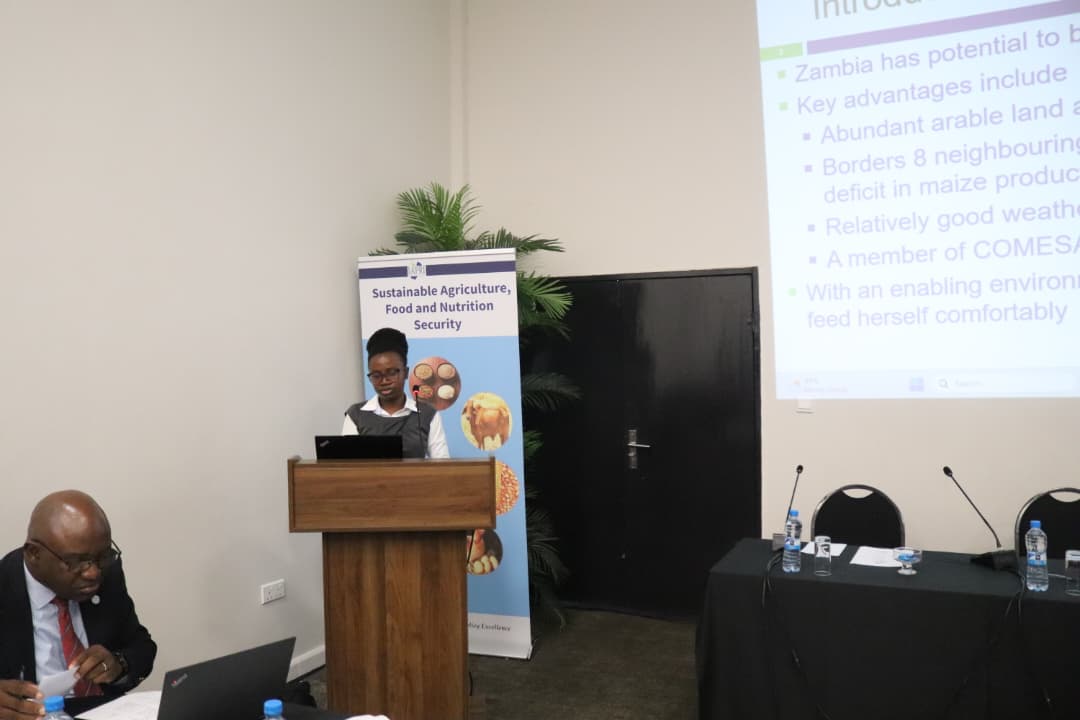
According to IAPRI Research Associate, Maimbo Habombe, echoed Zambia’s strategic position and potential to be the region’s major supplier of maize given its abundant arable land and water resources coupled with good weather “Zambia possesses strong potential to become a regional agricultural powerhouse,” Ms Maimbo said. She, however, argued the need to translate the existing potential into coordinated efforts to address the bottlenecks to foster agricultural trade. “There is the realisation that potential requires coordinated reforms that address policy unpredictability, market distortions, pricing, infrastructure and logistical limitations, and productivity constraints,” Ms Maimbo pointed out.
IAPRI Executive Director Brian Mulenga reaffirmed that the deliberations of the meeting firmly resolved a strong consensus to enable the private sector to play a leading role in agricultural marketing and trade, while the government should focus on creating an enabling policy environment, ensuring food security, and investing in infrastructure and research.
Dr. Mulenga appealed to the government through the Ministry of Commerce, Trade, and Industry (MCTI) to consider committing to implementing recommendations and strengthening collaboration with stakeholders.
Ultimately, such discussions are progressive as they aim at supporting government’s intervention and providing an enabling environment to make informed decisions. This also presents opportunities for Zambia to expand the horizons of trade and markets. Therefore, it is envisaged that the outcomes of such dialogue will help shape policies and improve citizens' livelihoods.
Clearly, the Government’s drive is to strengthen systems and build a resilient sector to ensure the 2026 marketing season is defined by a thriving and competitive agricultural market. In all, resolving market problems should be a priority for Zambia to thrive.
The author is the Principal Agricultural Information Officer at the National Agricultural Information Services.