By Bridget Kakuwa, Elizabeth Asimwe and Ben Ilakut
Nairobi, Kenya | 9–13 November 2026
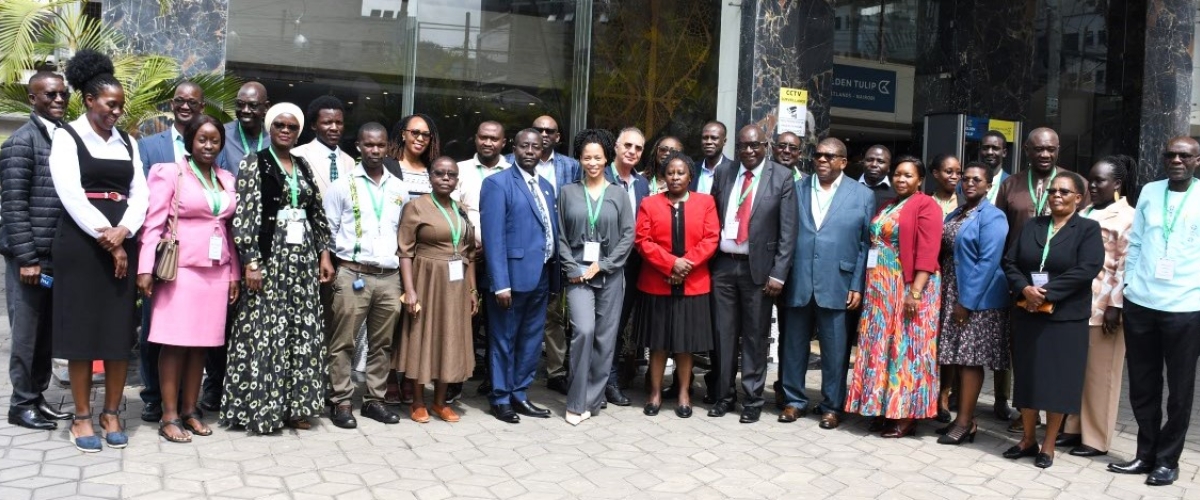
The African Union Commission proposed closer collaboration with the CAADP-XP4 consortium to help carry agricultural research and extension results into the Kampala CAADP agenda for 2026–2035. The proposal was discussed at the European Union-funded programme’s close-out workshop, held from 9 to 13 November at the Golden Tulip in Nairobi, Kenya.
The workshop brought together CCARDESA, CORAF, AFAAS, FARA and ASARECA, alongside the African Union Commission (AUC) and the International Fund for Agricultural Development (IFAD). Over five days, participants reviewed evidence for the programme’s final report and considered how to expand approaches already in use. While the consortium leaders and experts closed the CAADPXP4 program, they agreed that the partnership it built will continue.
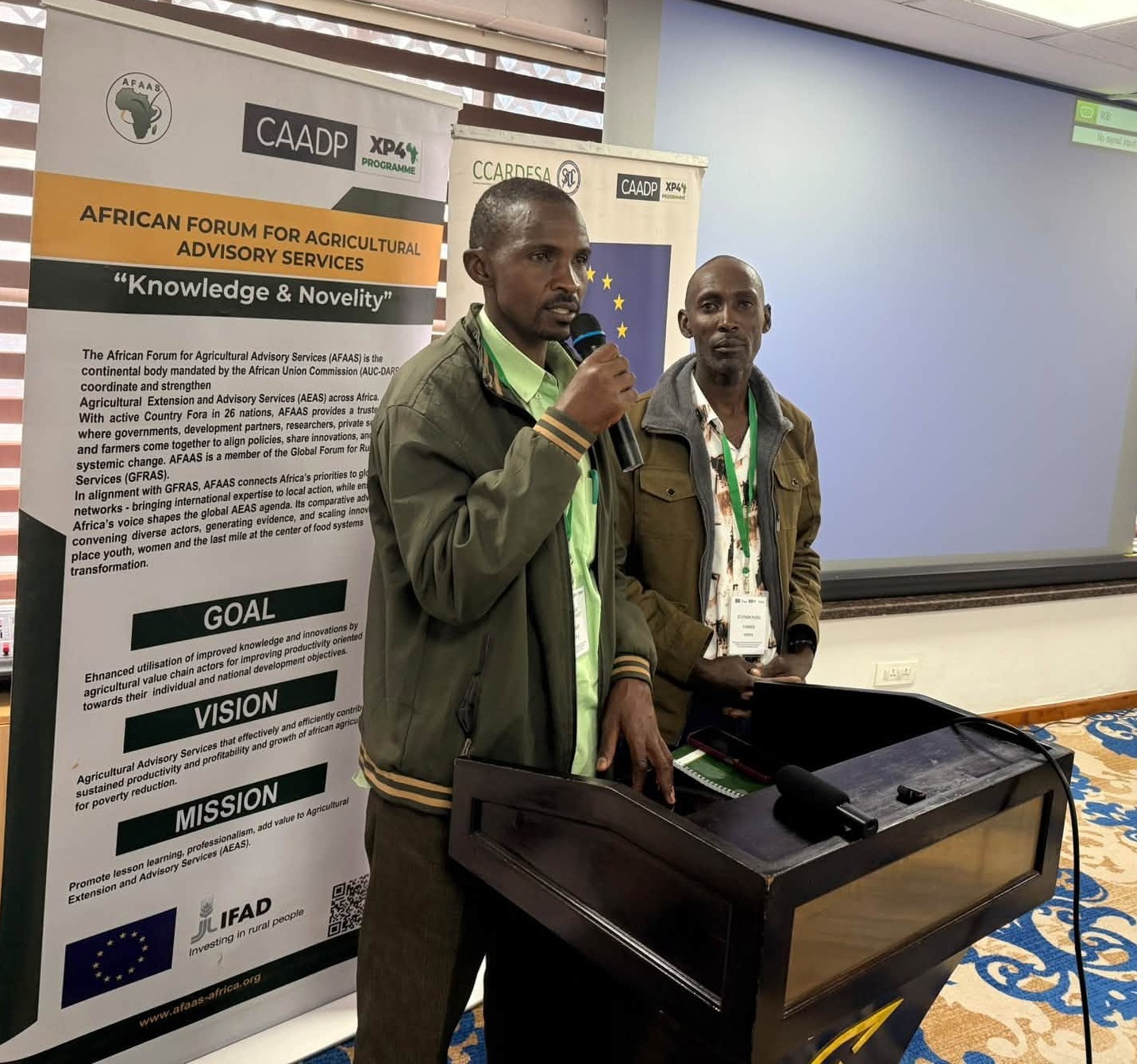
Two farmers, Steven and Collins, told participants they had accessed seed varieties through the programme. Collins reported that he now produces 20 tonnes of potatoes a year. Their accounts gave the consortium a farm-level example as it discussed how to extend access to seed, advisory services and other agricultural innovations. Their accounts brought a farm-level perspective to a question facing the consortium as the programme closes. How can more farmers benefit from the work already under way?
CCARDESA’s Acting Executive Director Mr Dagmore Tawonezvi highlighted stronger systems for knowledge management and financial management, alongside gains in proposal development and resource mobilisation. He pointed to member states’ use of a climate-smart agriculture handbook, support for agricultural foresight and CAADP reporting, and the establishment of the Regional Agroecology Network for Southern Africa (RAENS). He urged partners to document what changed and plan how to sustain the gains.
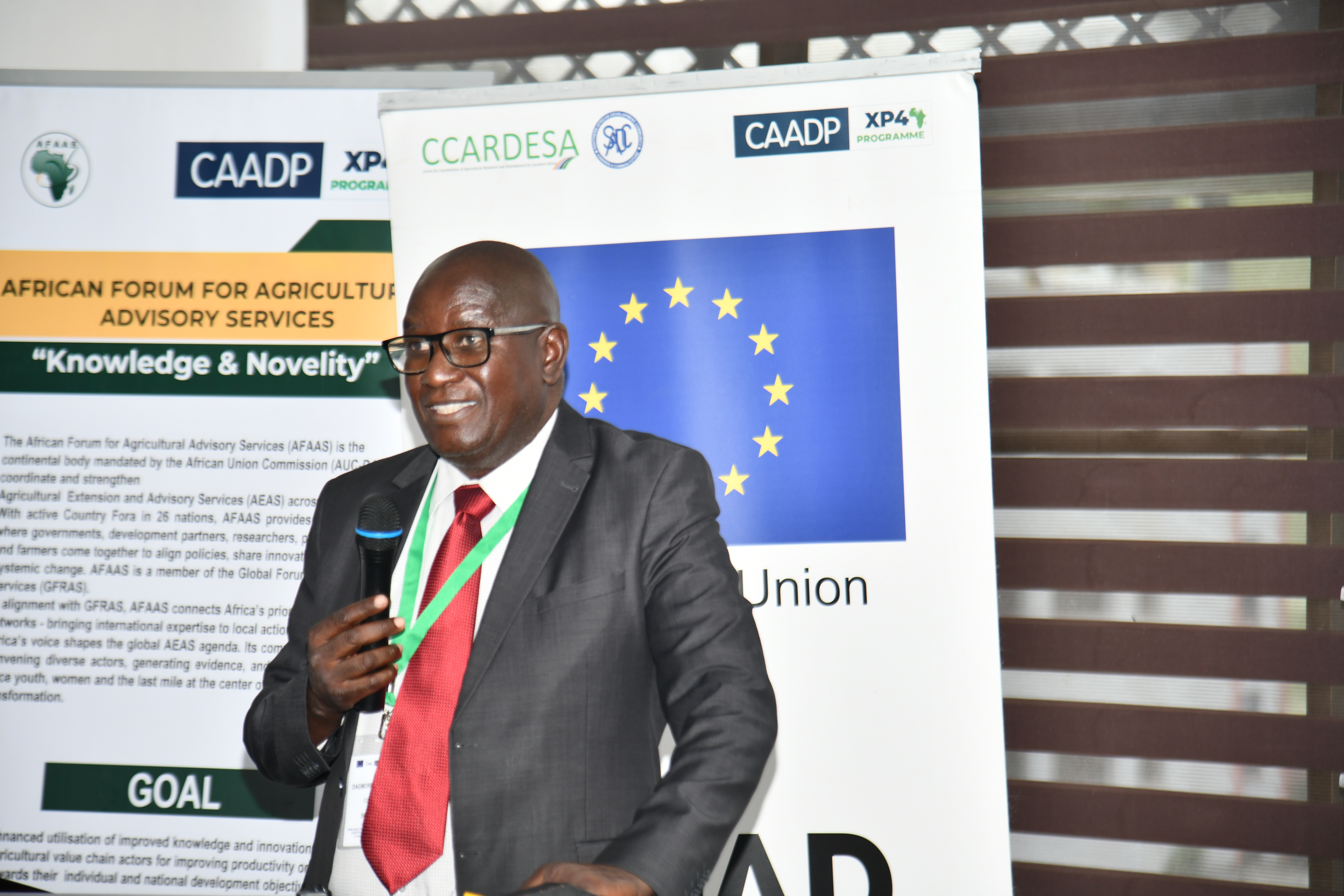
Mr Dagmore Tawonezvi
Director for Research and Innovation, Dr Emmanuel Njukwe, called for better market access and stronger value chains to build on the programme’s work with women and young people. He also called for continued work on agroecology and urged partners to assess whether the technologies they promote are accessible and useful to farmers.
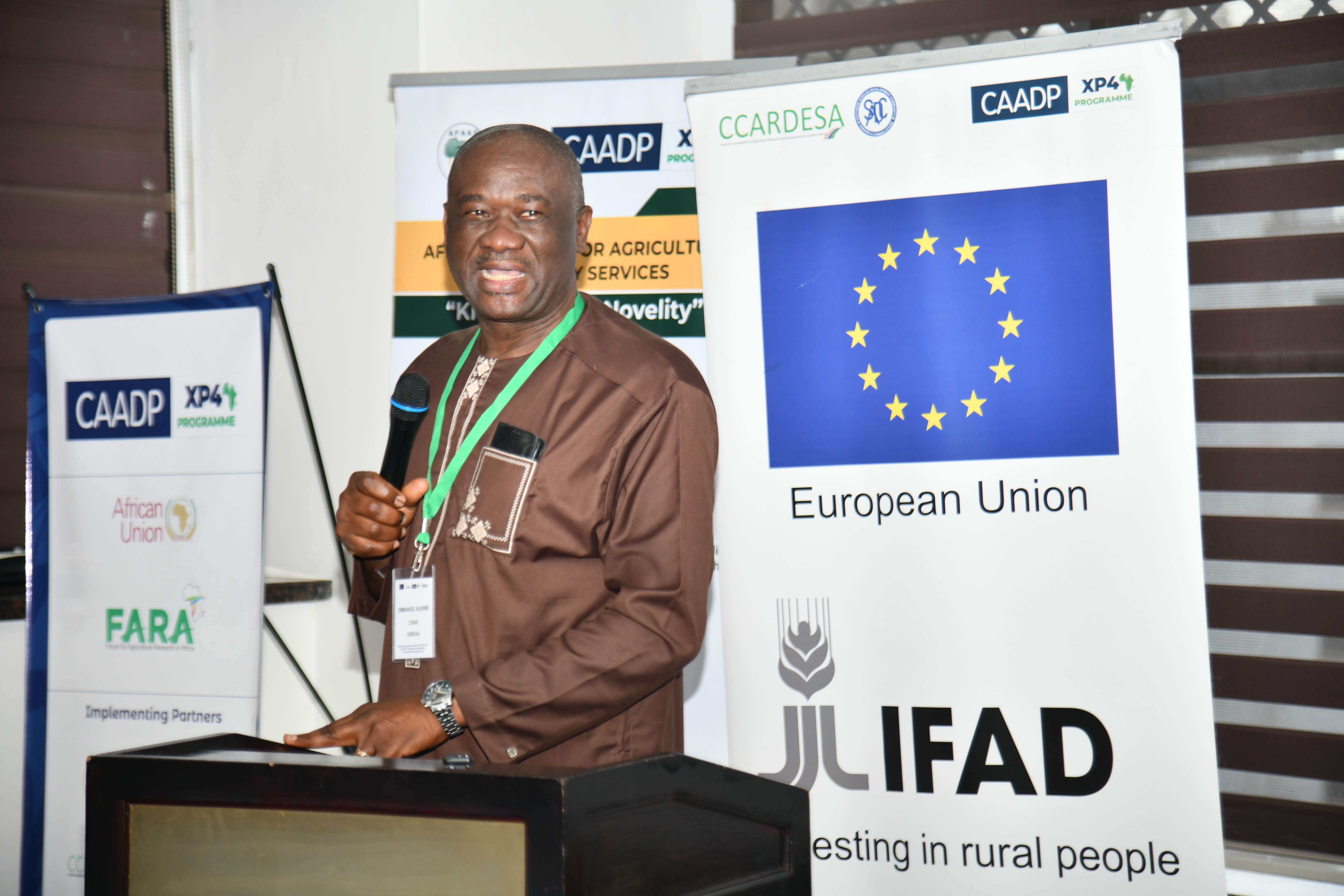
Dr Emmanuel Njukwe
Executive Director, Dr Lilian Lihasi highlighted the role of agricultural extension in connecting farmers to knowledge, technologies and markets. Its representative pointed to country-level work and the Agricultural Extension Weeks as examples of how collaboration can inform policy and strengthen links between research and advisory services.
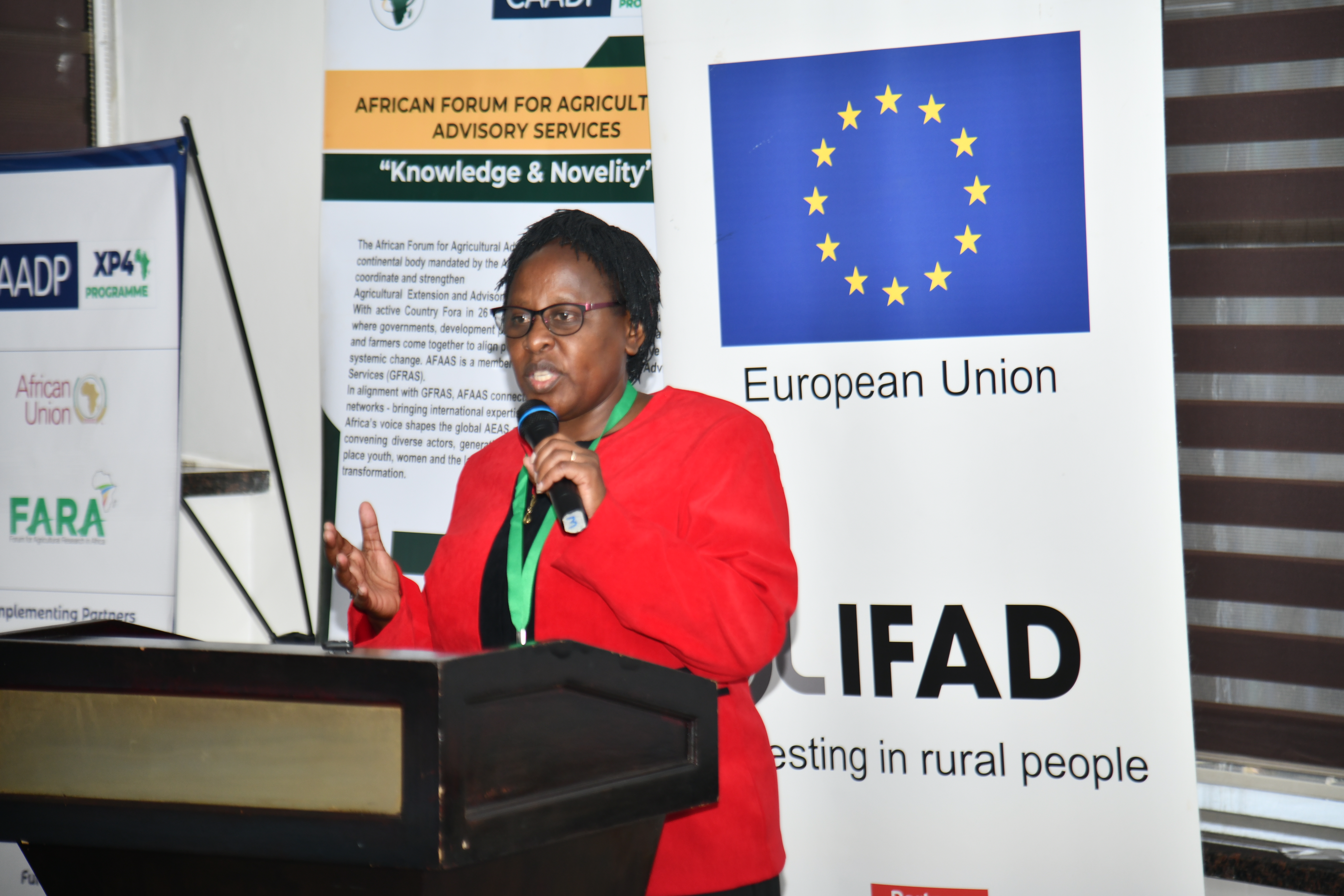
Dr Lilian Lihasi
Executive Director Dr Sylvester Dickson Baguma called for joint resource mobilisation and pointed to El Niño as a reminder of the urgency of investing in climate resilience. Reflecting on the consortium’s experience, he said, “Our unity is our strength.”
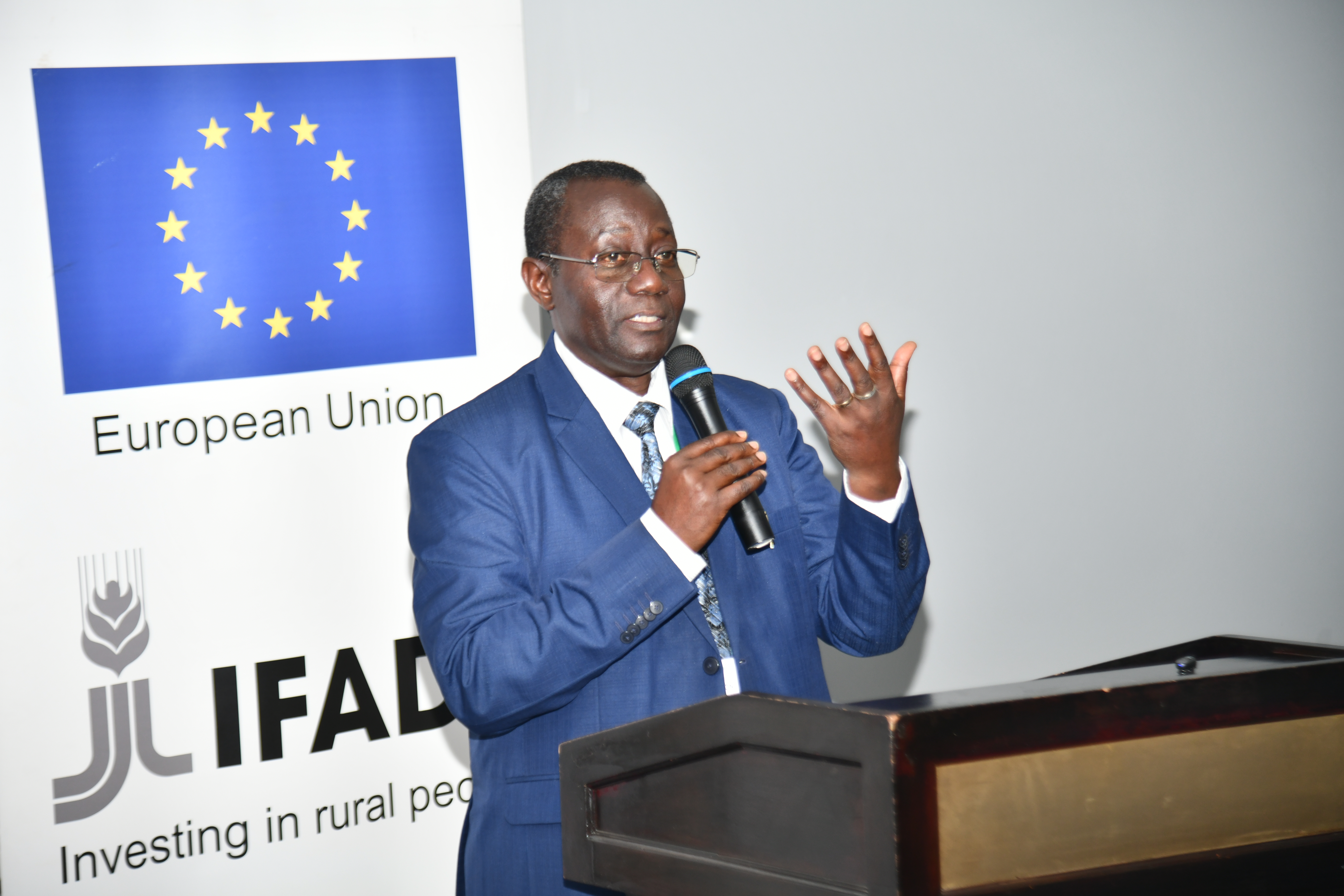
Dr Sylvester Dickson Baguma
Executive Director, Dr Aggrey Agumya, commended the programme partners and highlighted how CAADP-XP4 enabled African institutions to help shape the AU–EU research and innovation partnership on food and nutrition security and sustainable agriculture. He said the programme’s results could now support implementation of the Kampala CAADP agenda. He outlined how its platforms, tools, partnerships and expertise could contribute to each of the agenda’s six strategic objectives and proposed a phased approach to putting them to use through national and regional systems. Dr Agumya further highlighted soil health as a continental priority and called for closer coordination among agricultural research and innovation partners.
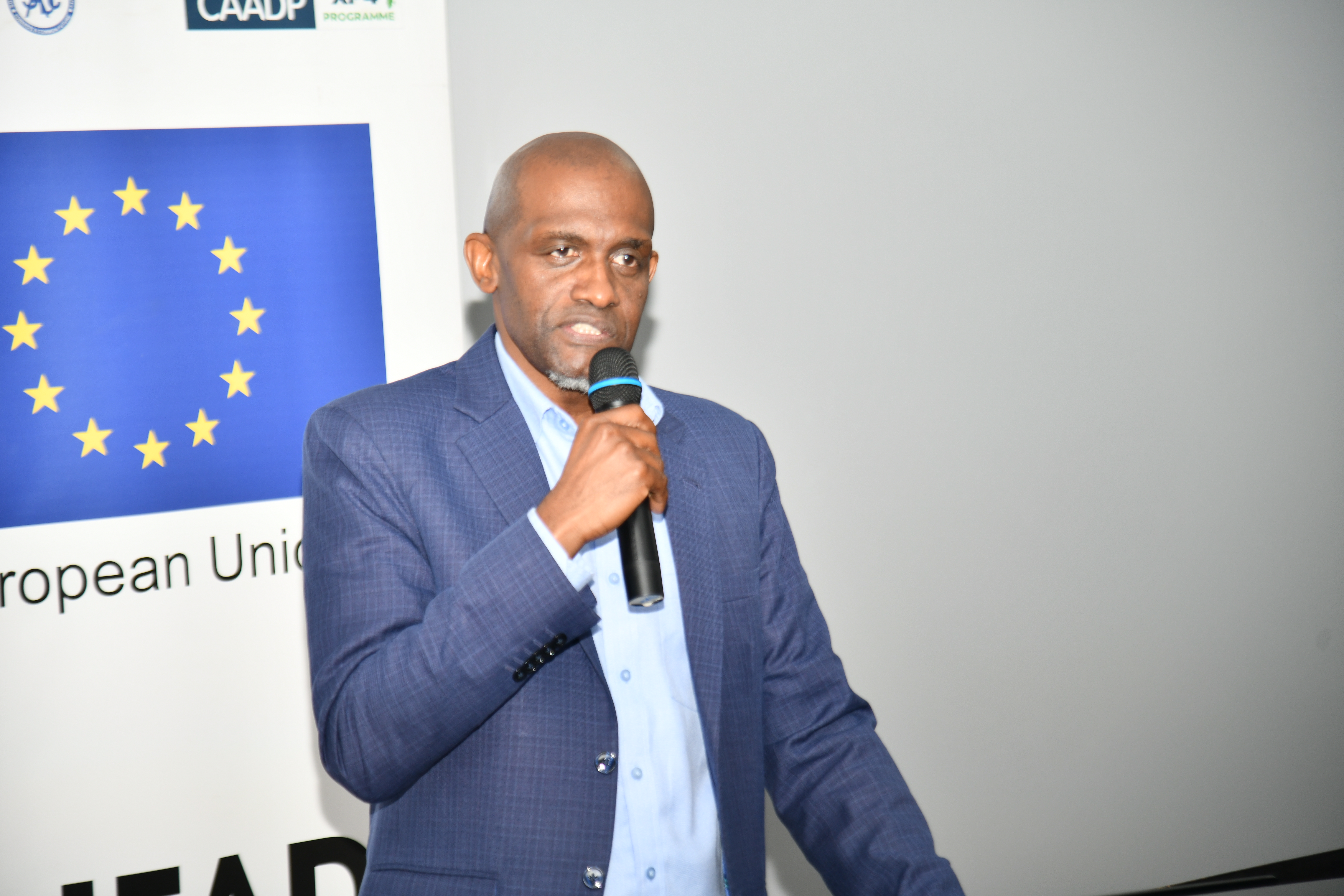
Dr Aggrey Agumya
The consortium leaders alluded to CAADP-XP4 s biggest achievement that Africa’s research and advisory organisations now work together. Today FARA, AFAAS, ASARECA, CCARDESA and CORAF plan jointly, share monitoring and reporting systems, and speak with ‘one African voice.’ CAADPXP4 was a springboard for the organisations to attract funding for more than 40 further projects, a level of leverage described as outstanding.
African Union Commission proposes a route into Kampala CAADP
The AUC representative Mr. Mukulia Kennedy Ayason, the Head of the Rural Development Division and a Policy Officer at the African Union Commission, outlined three ways to sustain the programme’s work. These included exploring a formal implementing role for the consortium, considering a single cooperation agreement with the Commission, and incorporating relevant CAADP-XP4 indicators into CAADP reporting. Mr. Ayason also raised the possibility of a more permanent arrangement for African agricultural research and extension, with regional economic communities helping to connect continental priorities with country implementation.
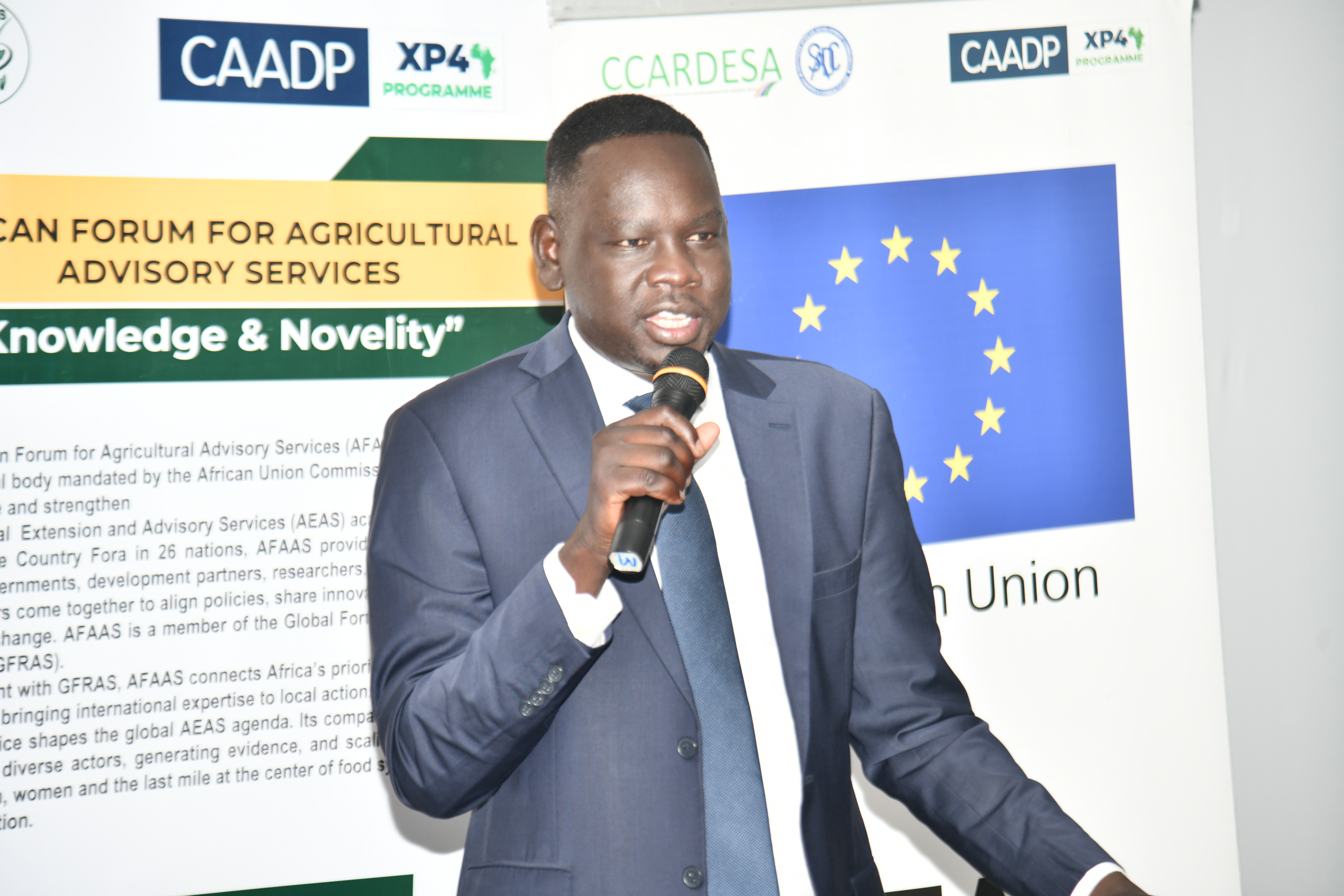
Mr. Mukulia Kennedy Ayason
The Commission stressed that scaling would depend on uptake by member states. It encouraged partners to engage national research and extension systems and use country planning and investment processes to bring tested innovations into wider use. The arrangements were discussed as proposals for further consideration.
IFAD calls for evidence of what changed
Mr Belhamissi, Mohamed Lamine, IFAD Representative, commended the consortium’s achievements and urged partners to show what the programme changed for farmers, institutions and countries. In its feedback on the draft final report, IFAD asked partners to explain the problem each intervention addressed, where the demand came from, who benefited, and what evidence shows the programme’s contribution.
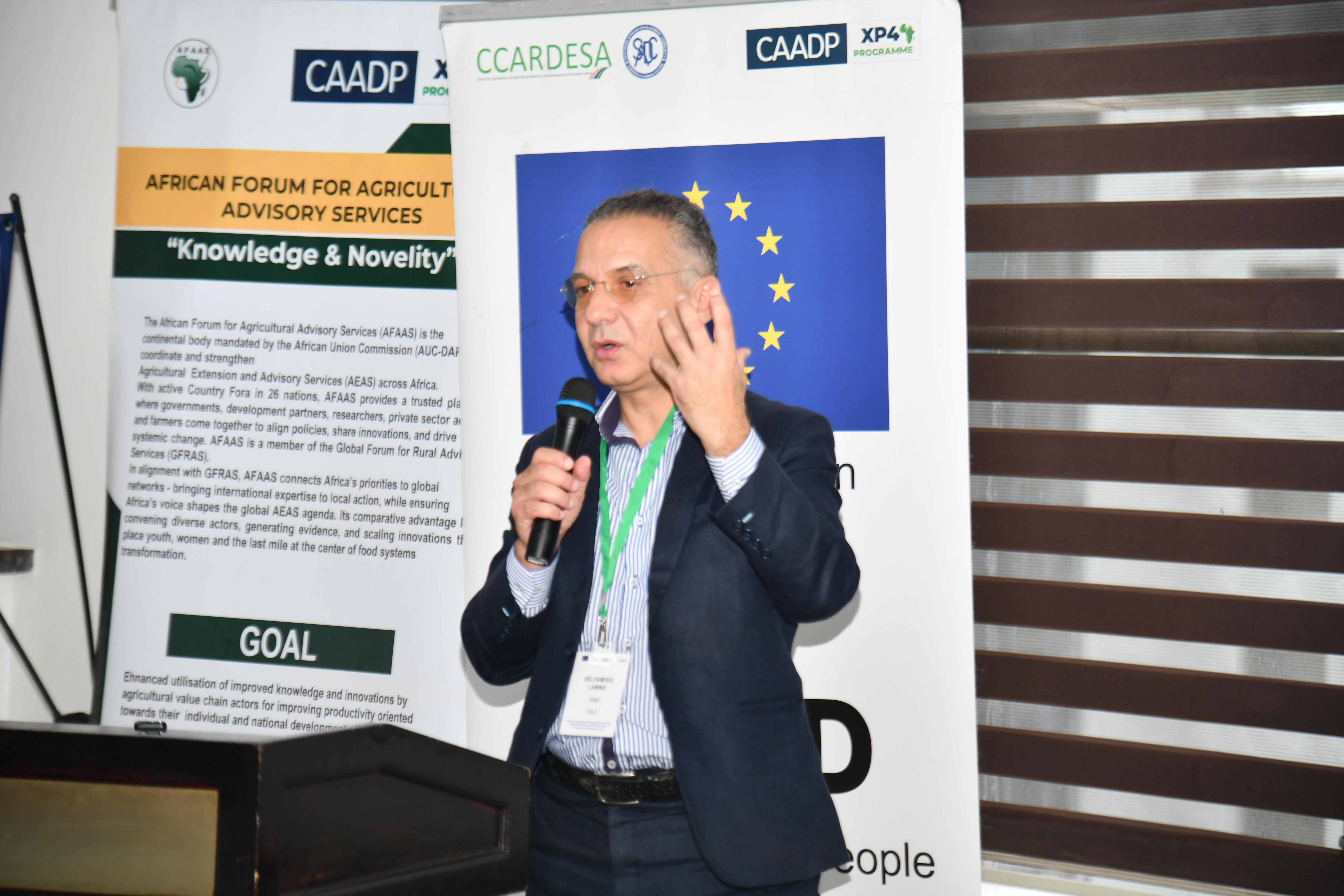
IFAD also asked the consortium to draw on endline findings, explain what its indicators mean, and include results disaggregated by gender. It encouraged partners to use the final report to identify gaps that future work could address and explain how the institutions and partnerships strengthened under CAADP-XP4 could support that work.
From workshop proposals to investment
Working groups proposed reaching more farmers through demonstrations, advisory videos and mentoring, and strengthening communities of practice so practitioners can continue sharing knowledge across countries. Participants also discussed incorporating proven approaches into regional and national agricultural investment plans. Kenya’s inclusion of its agroecology strategy in its national agricultural investment plan offered one example.
At the workshop, Biovision Africa Trust, through the Ecological Organic Agriculture Initiative, shared how CAADP-XP4 helped bring agroecology into the Kampala agenda. Highlights included the continental Ecological Organic Agriculture Strategic and Action Plan 2026–2035, the AU policy framework on farmer-managed seed systems endorsed in October 2026, roadmaps for four regional economic communities (ECOWAS, ECCAS, SADC and the EAC) to integrate agroecology into their regional plans, and engagement with parliamentarians to move "from frameworks to budgets".
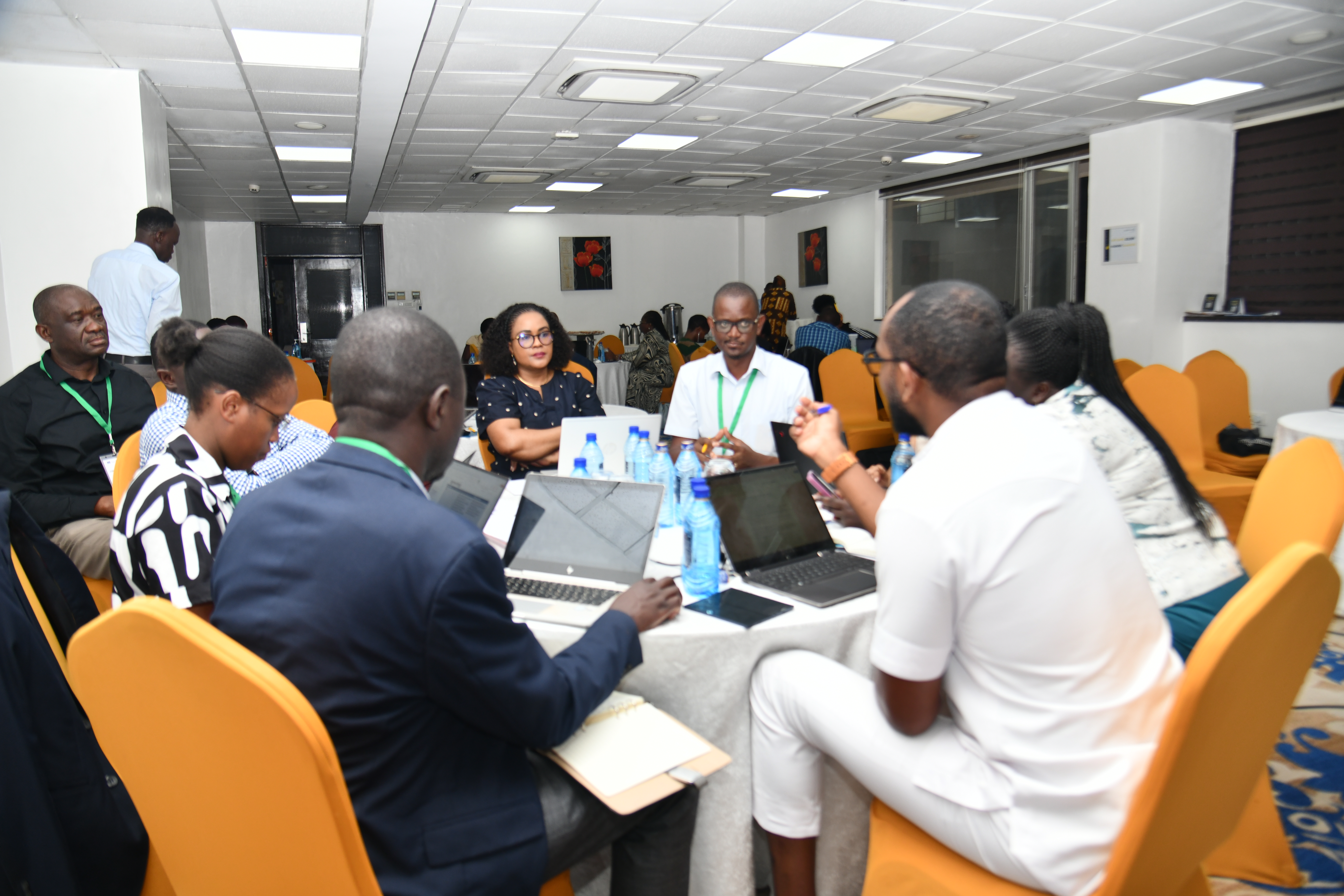
The workshop identified a costed concept note as a next step to set out results, gaps and priorities for scaling. Partners also proposed a joint approach to mobilising resources and turning endline findings into factsheets for policy and investment discussions. Dr Aggrey, FARA’s Executive Director, urged the CAADP-XP4 partners to keep working together after the programme closes. In his closing remarks, FARA Executive Director Dr Aggrey thanked the African Union and consortium partners for their contributions. He urged the institutions to deepen the partnerships built through CAADP-XP4 and continue working together after the programme closes.
About the CAADP-XP4 project
CAADP-XP4 was launched in 2019 with funding from the European Union under the DeSIRA initiative and managed by IFAD. Over seven years it strengthened capacity, partnerships, policy, knowledge management, and planning and monitoring across Africa's agricultural research, extension and innovation system. The programme formally closed on 30 September 2026.
Media contact: Dr Bridget Kakuwa bkakuwa@ccardesa.org
Mr Ben ILakut -bilakut@asareca.org