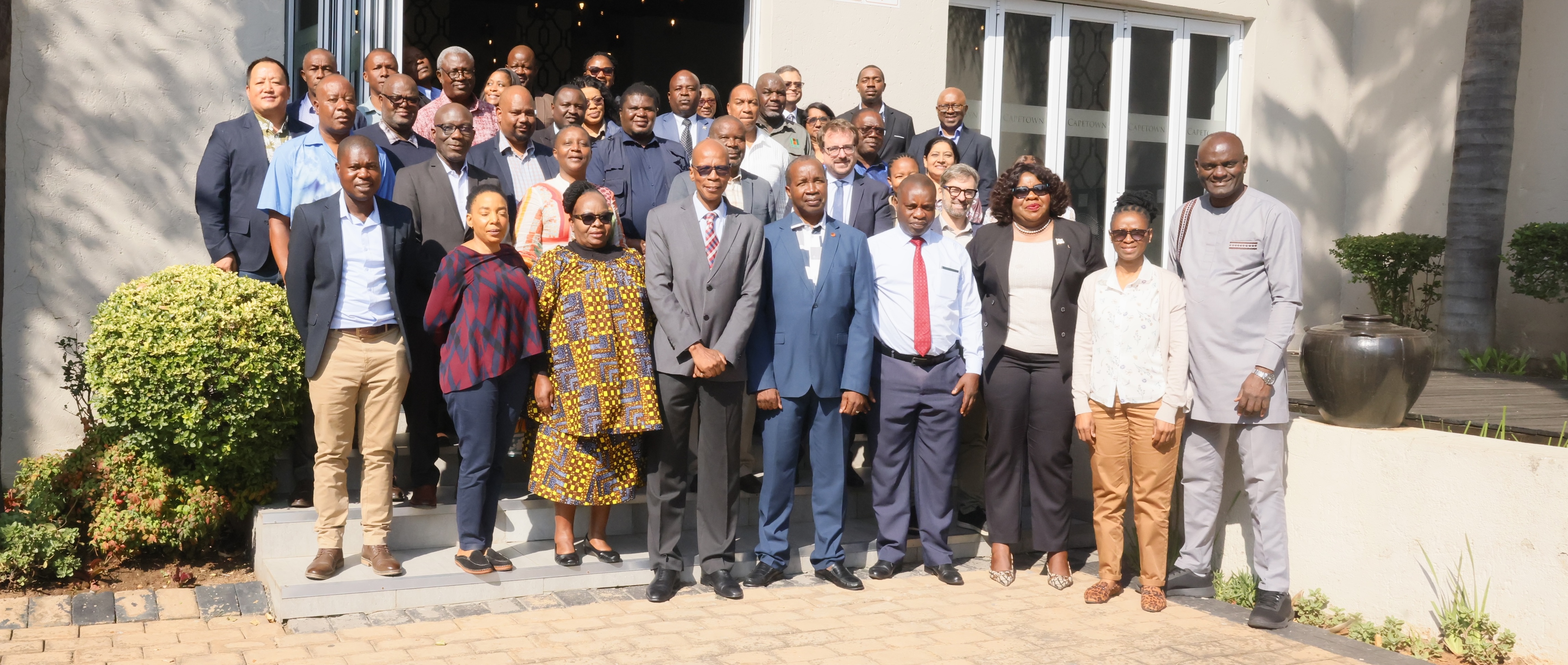
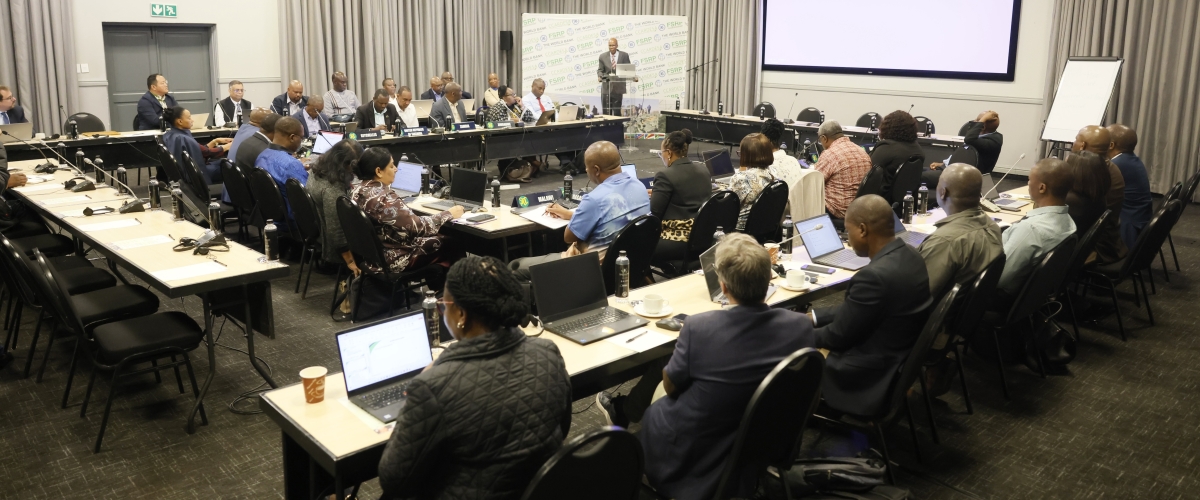
Southern African countries have reaffirmed their commitment to a coordinated regional response to Foot and Mouth Disease (FMD) during a SADC Livestock Technical Committee meeting held from 8 to 9 April 2026 in Johannesburg, South Africa.
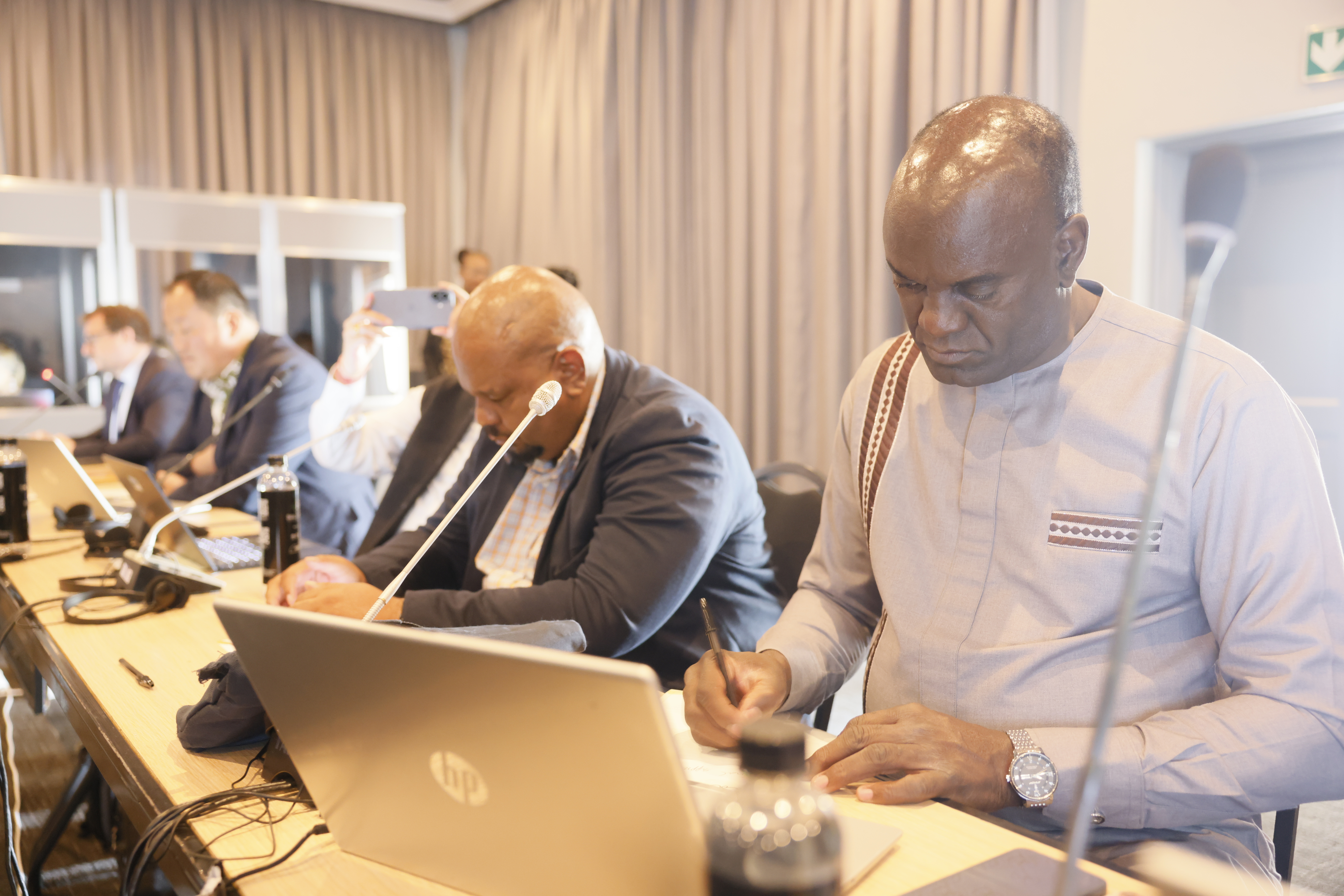
The meeting, co-convened by the SADC Secretariat FAO, WOAH, and CCARDESA, brought together Directors of Animal Health, policymakers and development partners amid growing concern over the resurgence of the transboundary disease.
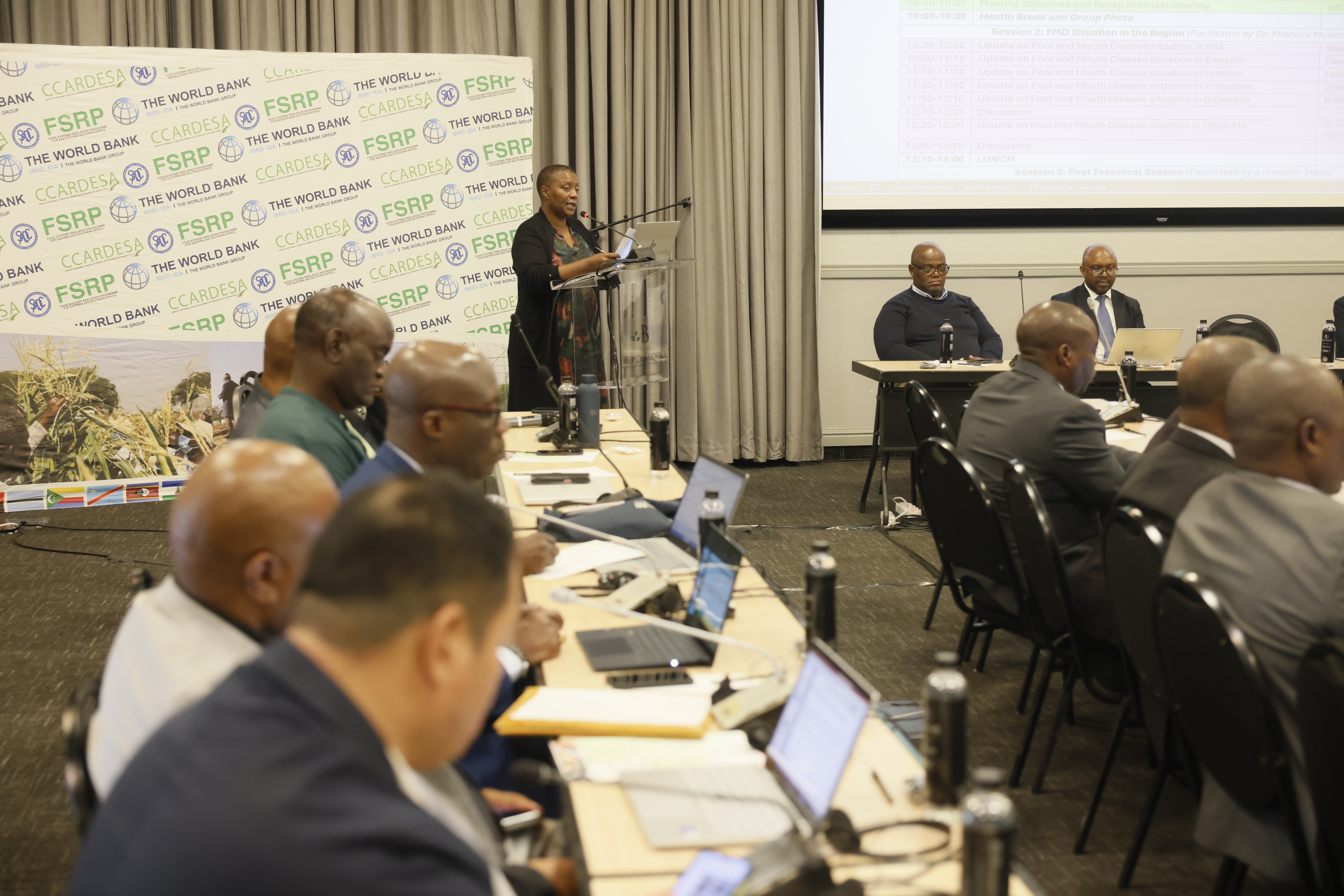
Opening the meeting, South Africa’s Director General of the National Department of Agriculture, Mr Mooketsa Ramasodi, called for urgent collective action. “Foot and Mouth Disease is manageable, but if we act in isolation, we will all be affected as our success is interconnected,” he remarked.
Recent outbreaks in several countries, including South Africa, Lesotho, Eswatini, Botswana, Mozambique and Zimbabwe, have highlighted the increasing risk to food security, trade and livelihoods across the SADC region.
Dr Moetapele Letshwenyo of the World Organisation for Animal Health described the situation as critical. “The sub-region is under attack from Foot and Mouth Disease,” he pointed out, noting its growing impact on resources, technical systems and communities.
From a food systems perspective, FAO’s Dr Elma Zanamwe emphasized the broader implications. “Livestock underpins food security, livelihoods and trade, but recurring outbreaks continue to disrupt markets and increase production costs,” she said.
Speaking on behalf of CCARDESA, Dr Majola Mabuza stressed the need for a coordinated and science based response. “The transboundary nature of the disease means no country can address it in isolation. We need a harmonized regional approach that prioritizes prevention, early detection and rapid containment,” he noted.
At the policy level, SADC’s Mr Duncan Samikwa highlighted the importance of livestock in regional development. “Livestock is not just a source of food, it is a store of wealth, a source of resilience and a pathway out of poverty”.
 |  |  |  |
Priority Actions
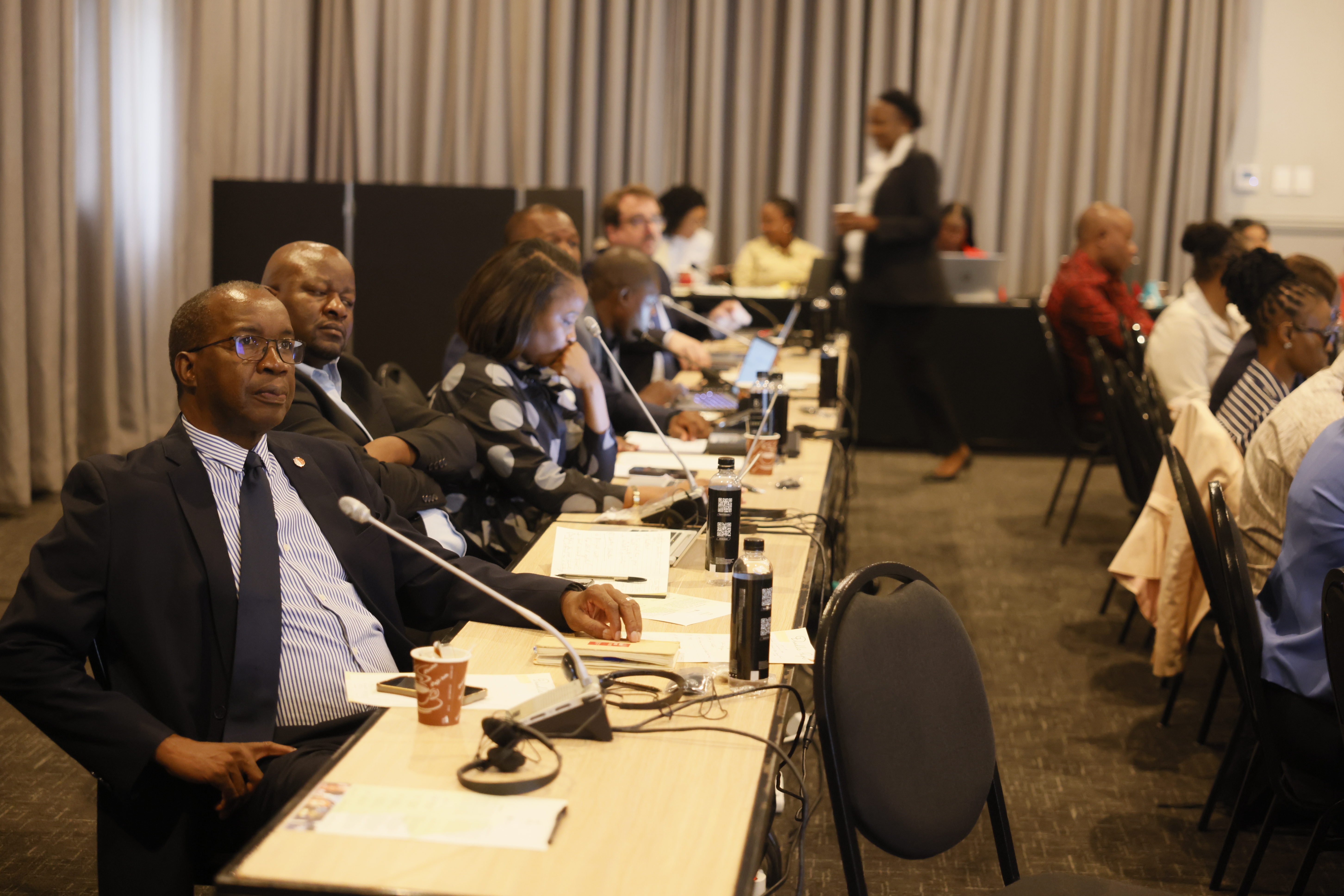
Deliberations that followed country presentations focused on practical steps to strengthen regional response. Delegates emphasized the need for a unified regional approach, recognizing that FMD does not respect national borders.
Key priorities included:
- Strengthening diagnostic and laboratory capacity to reduce delays in testing;
- Improving vaccine quality and availability, including expanding regional production;
- Enhancing surveillance systems and regulated use of rapid diagnostic tools;
- Advancing animal disease free zones and compartments; and
- Strengthening livestock identification and traceability systems.
Delegates also highlighted the importance of learning from successful models within the continent to strengthen government and farmer commitments to animal health interventions.
The outcomes of the meeting will inform decisions to be taken by SADC Ministers responsible for Agriculture and Food Security, Fisheries and Aquaculture in their meeting scheduled for the last week of May in Victoria Falls, Zimbabwe.
As discussions concluded, there was strong consensus that while the challenges posed by FMD are significant, the region has the capacity to respond effectively through coordinated action.