
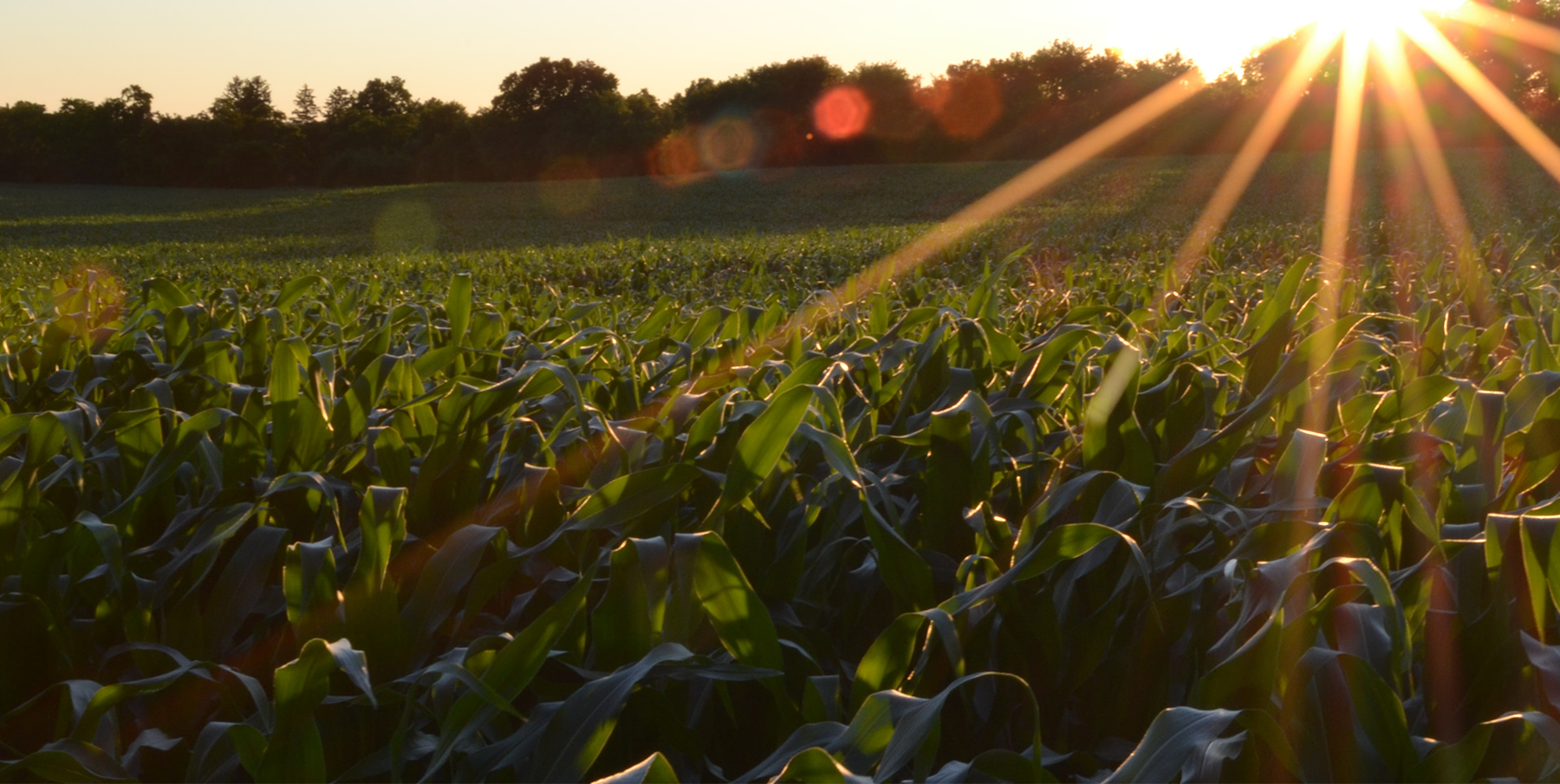
Climate change and land degradation have significantly disrupted livelihoods in sub-Saharan Africa, and Zambia has not been spared. Mwandi and Kazungula districts, located in semi-arid areas, are among the most vulnerable.
In response, a consortium led by GIZ in partnership with Conservation International (CI), Peace Parks Foundation (PPF), and the Centre for Coordination of Agricultural Research and Development for Southern Africa (CCARDESA) is implementing community-led landscape restoration initiatives through the Herding for Health and Agri-Hub concepts. In the Simalaha Community Conservancy, these approaches focus on strengthening community resilience, increasing income, and reducing human-wildlife conflict, while harnessing entrepreneurial, nature-based solutions to restore degraded lands.
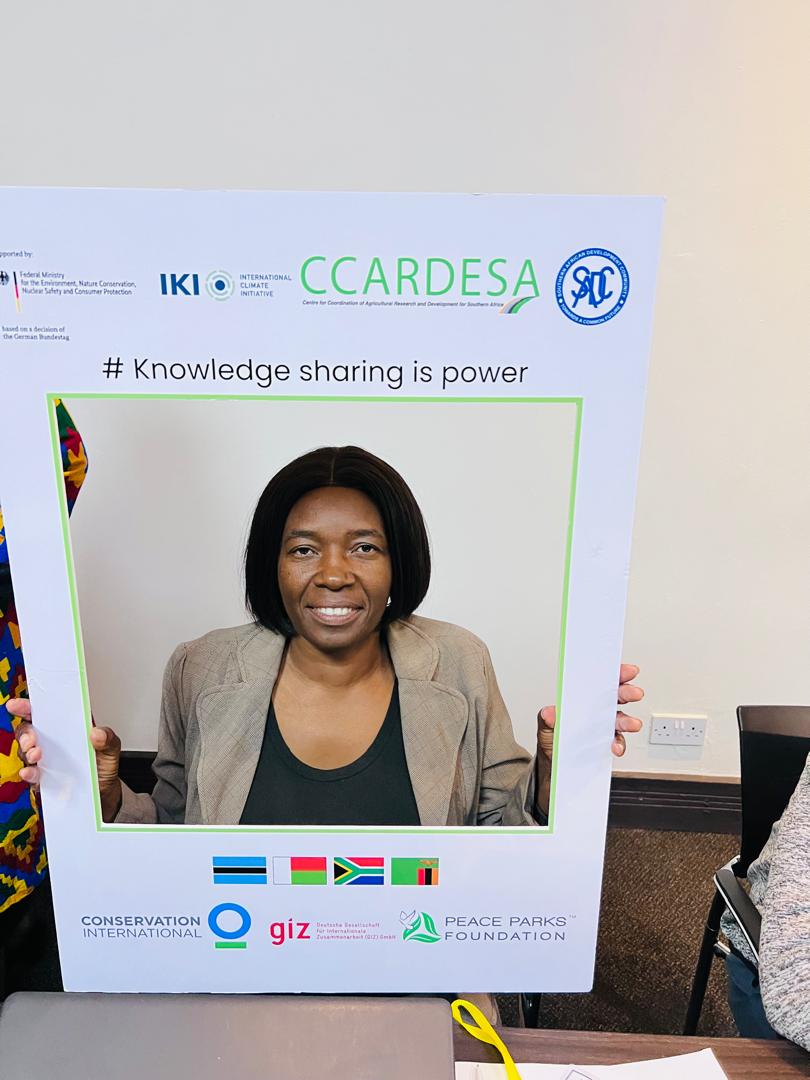
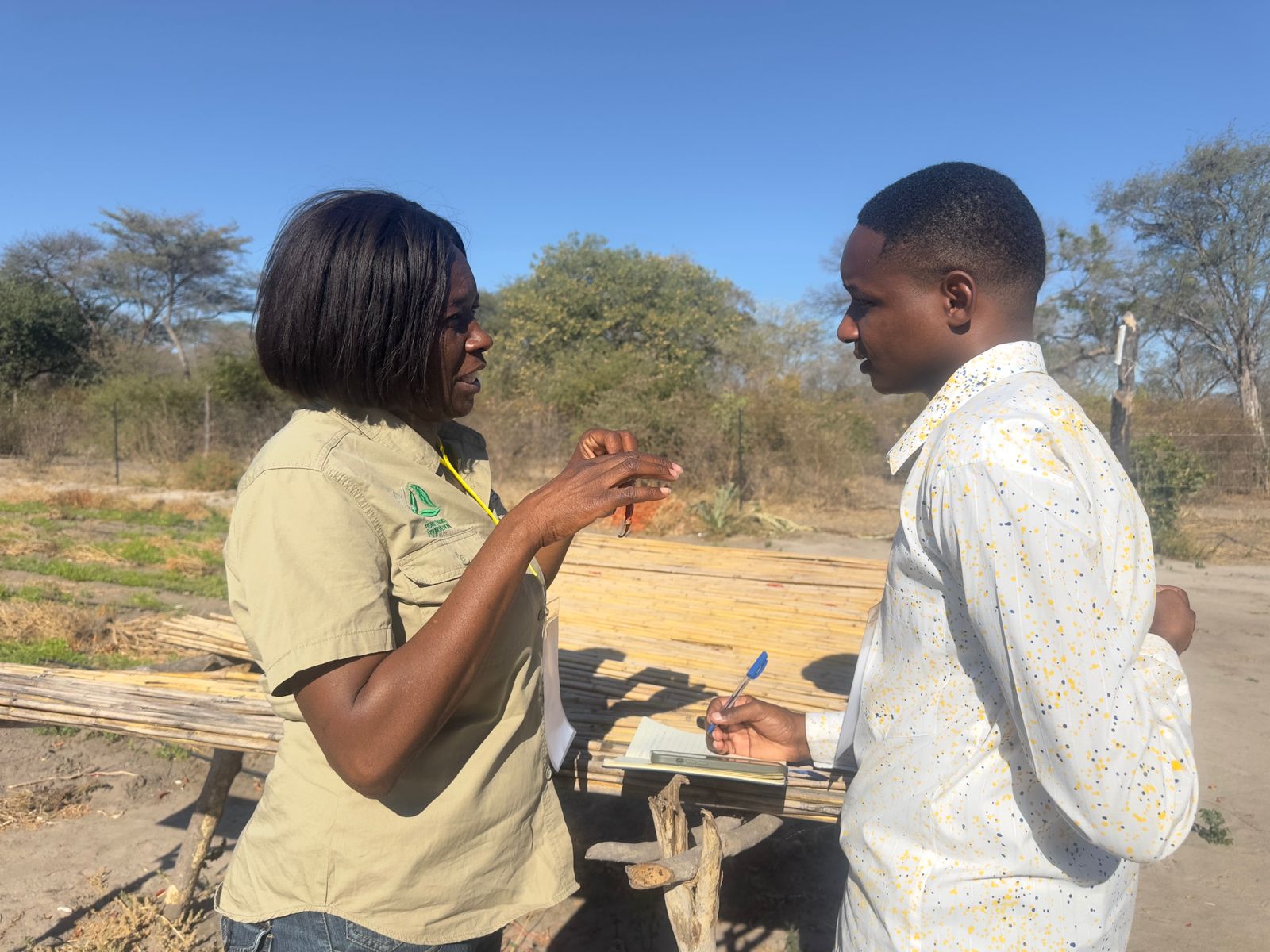
In July 2025, CCARDESA organized a hands-on training for media practitioners and field staff from across SADC countries. The workshop, sponsored by GIZ under the IKI Growing Greener Consortium, aimed to build capacity in reporting on sustainable land management, rangeland restoration, and climate-resilient agriculture.
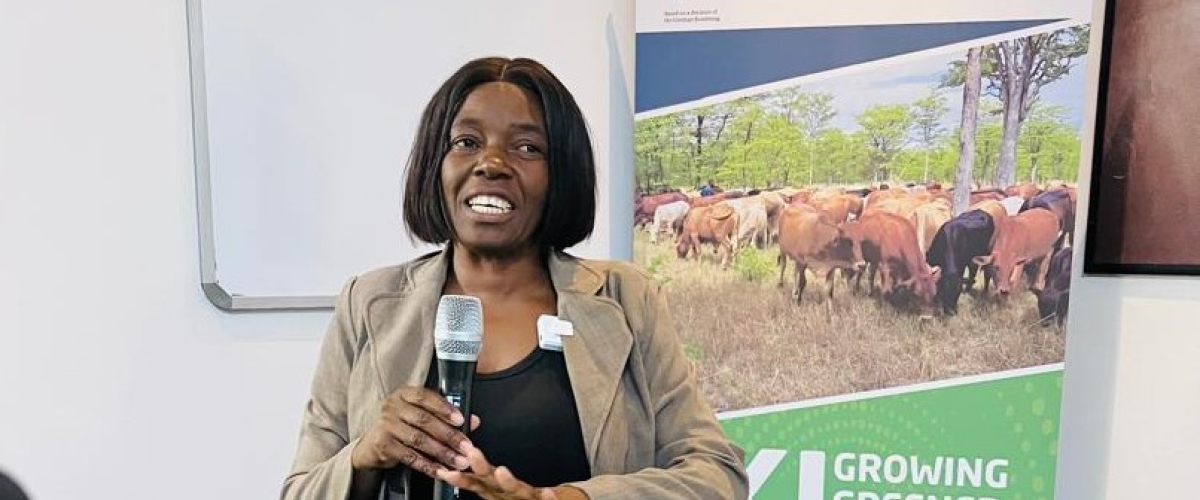
For me, attending this training was transformative. I entered as a field officer, deeply rooted in the practice of Conservation-Smart Agriculture but not in the art of storytelling. Then I saw something remarkable: how even small acts, like children helping their parents plant, could carry powerful meaning. It symbolized generational change. In that moment, I thought of the countless farmers I have mentored over the past three years, the transformations I have witnessed, and I realized: I was sitting on a mountain of untold stories.
Until then, I believed that doing the work was enough. But the training opened my eyes to a greater truth: knowledge without sharing is a missed opportunity. When impact remains buried in reports or circulated only within familiar circles, its potential ripple effect is lost. Storytelling, I discovered, is not just communication; it is a multiplier of impact.
This realization reshaped my identity. I am not only an implementer, I am also a storyteller. Our success stories do more than celebrate our work; they create awareness, educate communities, and influence decision-makers to support what works.
The training challenged us to draft and share our own stories. At first, I struggled; I am more accustomed to doing than telling. But as I wrote, I began to see every farmer interaction, every restored field, every small victory as a potential story worth sharing. With practice, storytelling will become a natural part of my work.
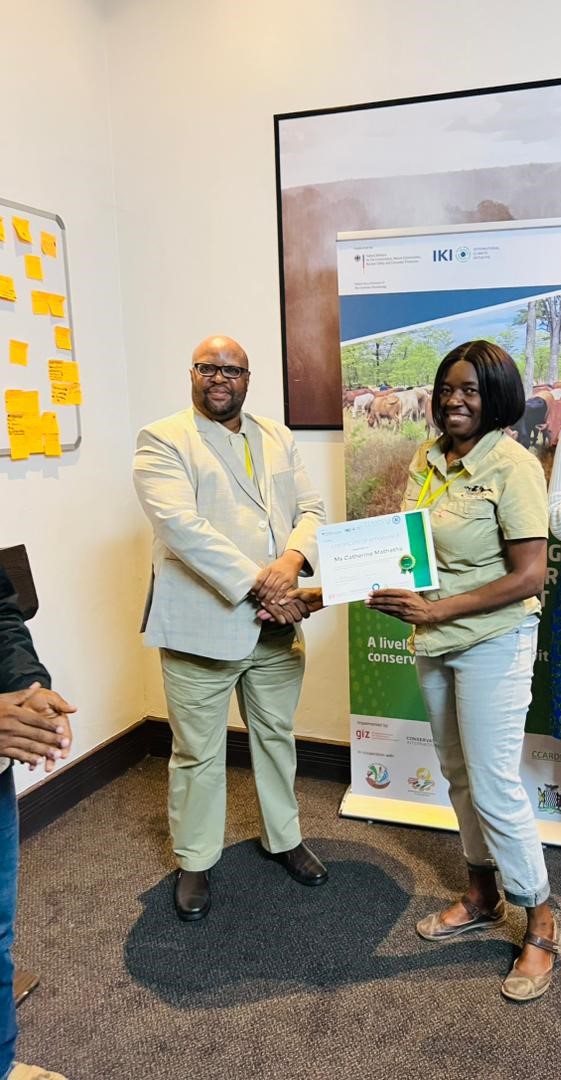
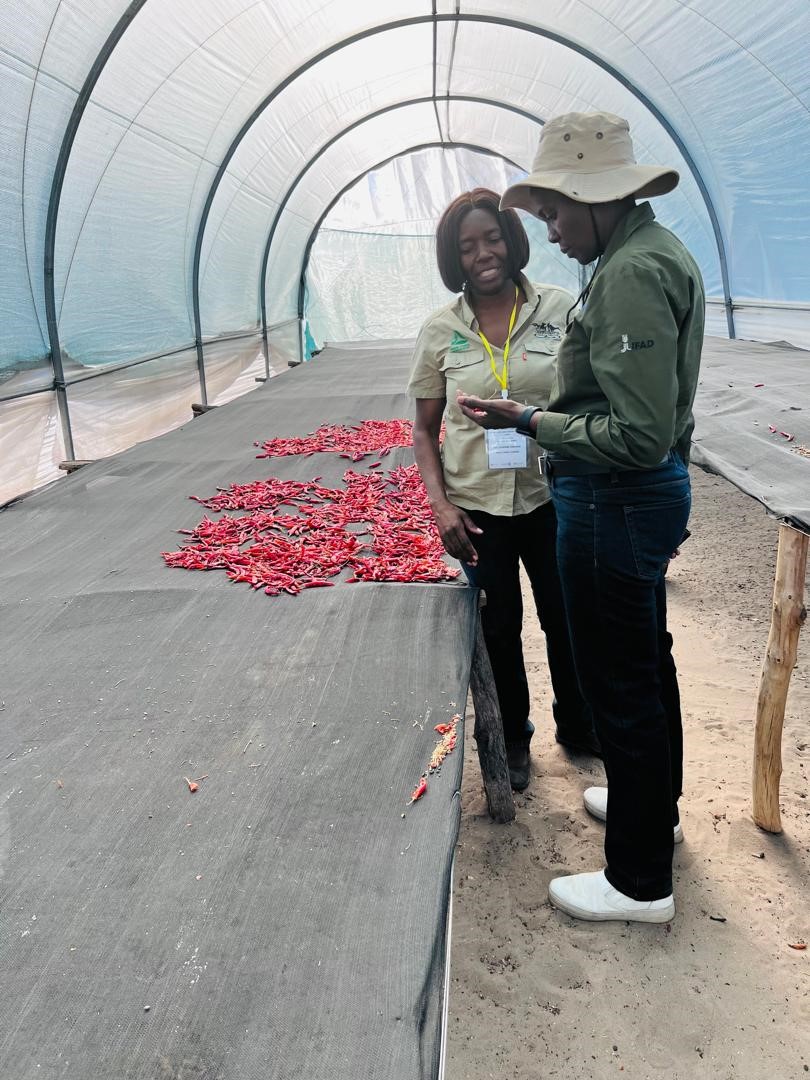
I left the training with more than new skills; I went with a new perspective. I am no longer just an agricultural mentor or project implementer. I am a bridge between action and awareness, between silent successes in the field and the wider world that needs to see them. From now on, I embrace my role as a storyteller. I am ready to give voice to the stories I once left untold, stories that can travel further than I ever could, inspiring communities, engaging stakeholders, and influencing policy for greater impact.
The author is the acting Conservancy Manager at Simalaha in Mwandi, Zambia