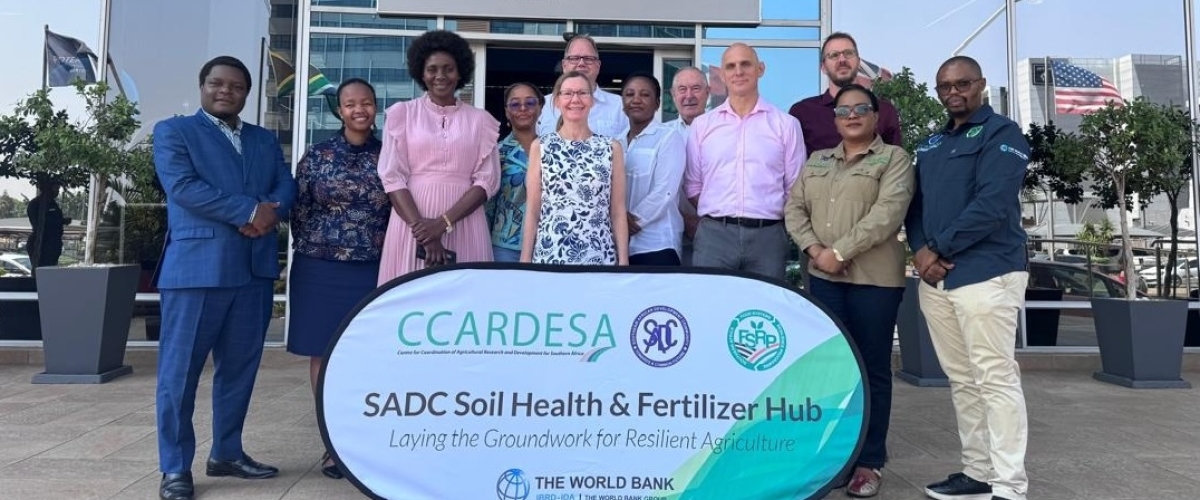
The Centre for Coordination of Agricultural Research and Development for Southern Africa (CCARDESA) and Catholic Relief Services (CRS) have entered into a strategic partnership to enhance soil health and fertilizer use across the Southern African Development Community (SADC) region.
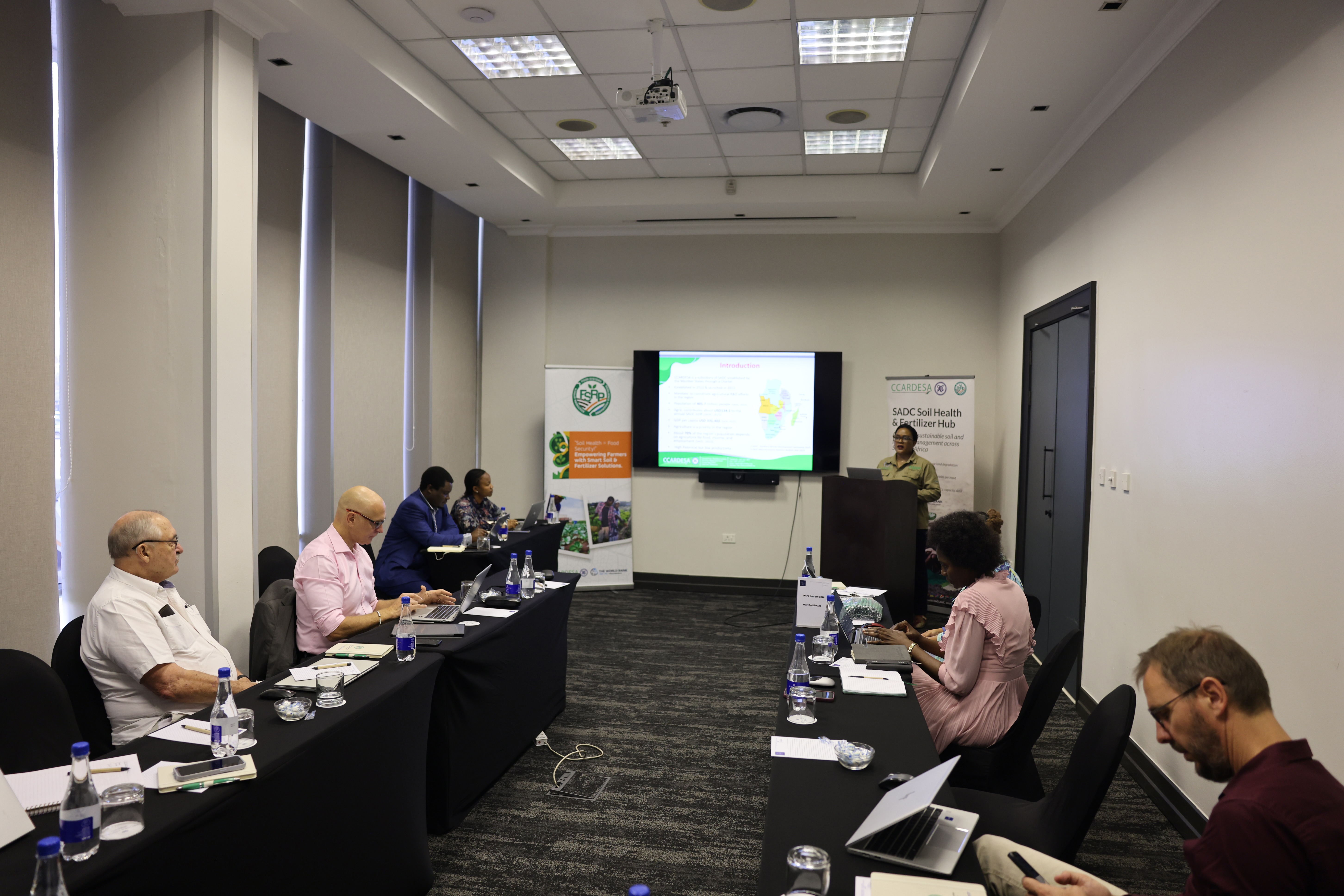
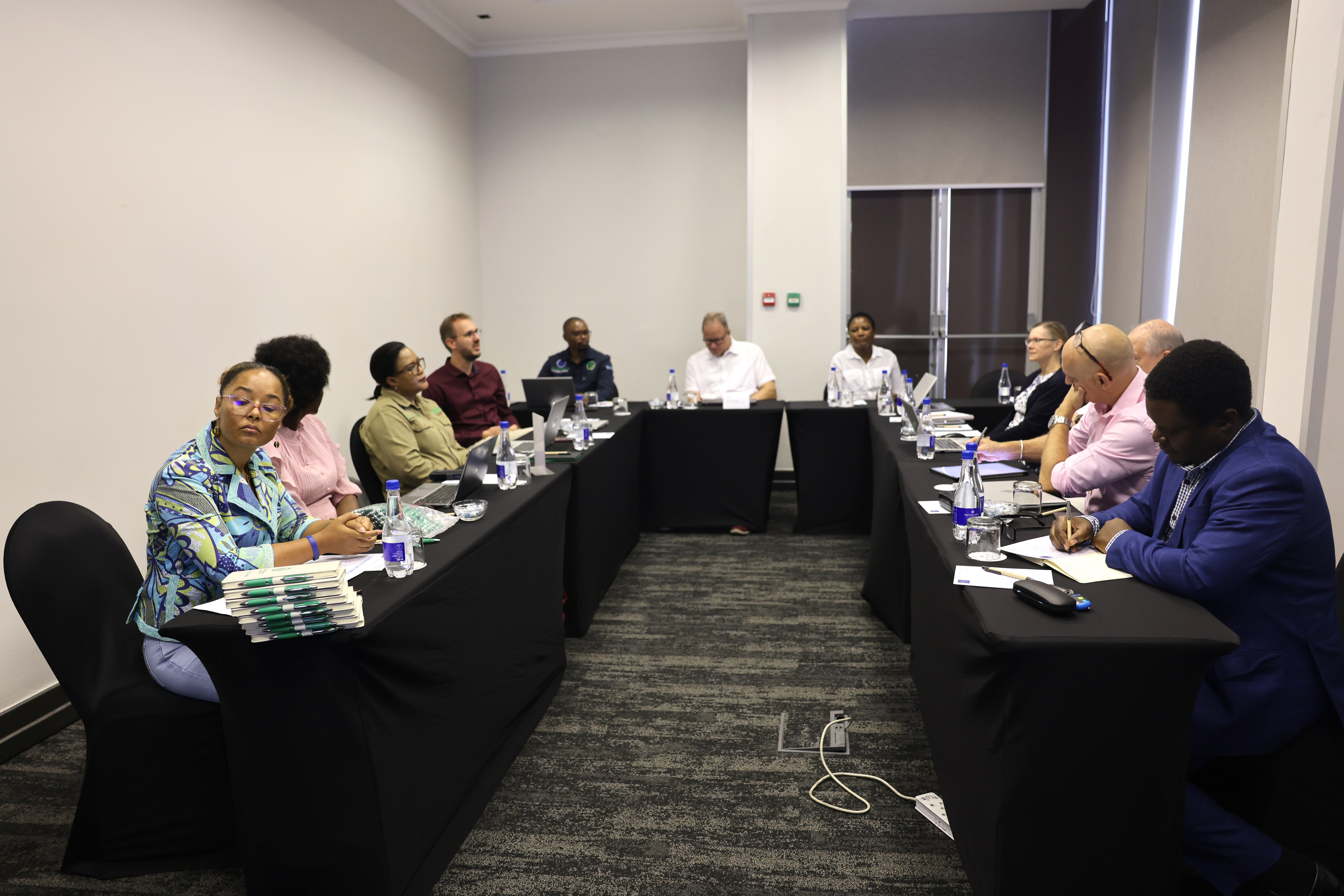
The two organizations convened a bilateral engagement in Gaborone, Botswana, from 19–20 September 2025, under the theme “Strengthening Collaboration on Soil Health and Fertilizer Initiatives in the SADC Region.” The meeting brought together technical teams from both institutions for collaborative planning and agreement on key deliverables.
Among the major outcomes were a Joint Action Plan, agreement to develop a Memorandum of Understanding (MoU), and a stakeholder engagement strategy to mobilize financial and technical support. The Joint Action Plan covers several priority initiatives, including:
- Designing a Zambezi River Basin Initiative concept note in collaboration with the Zambezi Watercourse Commission (ZAMCOM), linking watershed management, soil health, and applied research.
- Advancing resource mobilization efforts, with a focus on engaging potential donors and partners such as the Regional Fertilizer Financing Facility (RFF) and the Forum for Agricultural Research in Africa (FARA).
- Promoting underutilized crops as part of sustainable agri-food systems, with opportunities to integrate them into school feeding programs.
- Supporting Farmer Learning Centres in Zimbabwe as platforms to scale out innovative approaches for farmer training and knowledge sharing.
- Rolling out Soil Health and Fertilizer activities in Zambia, Malawi, Zimbabwe, and Lesotho as the first phase countries.
- Establishing a structured communication mechanism, including monthly coordination meetings to ensure consistency and joint delivery.
 |  | 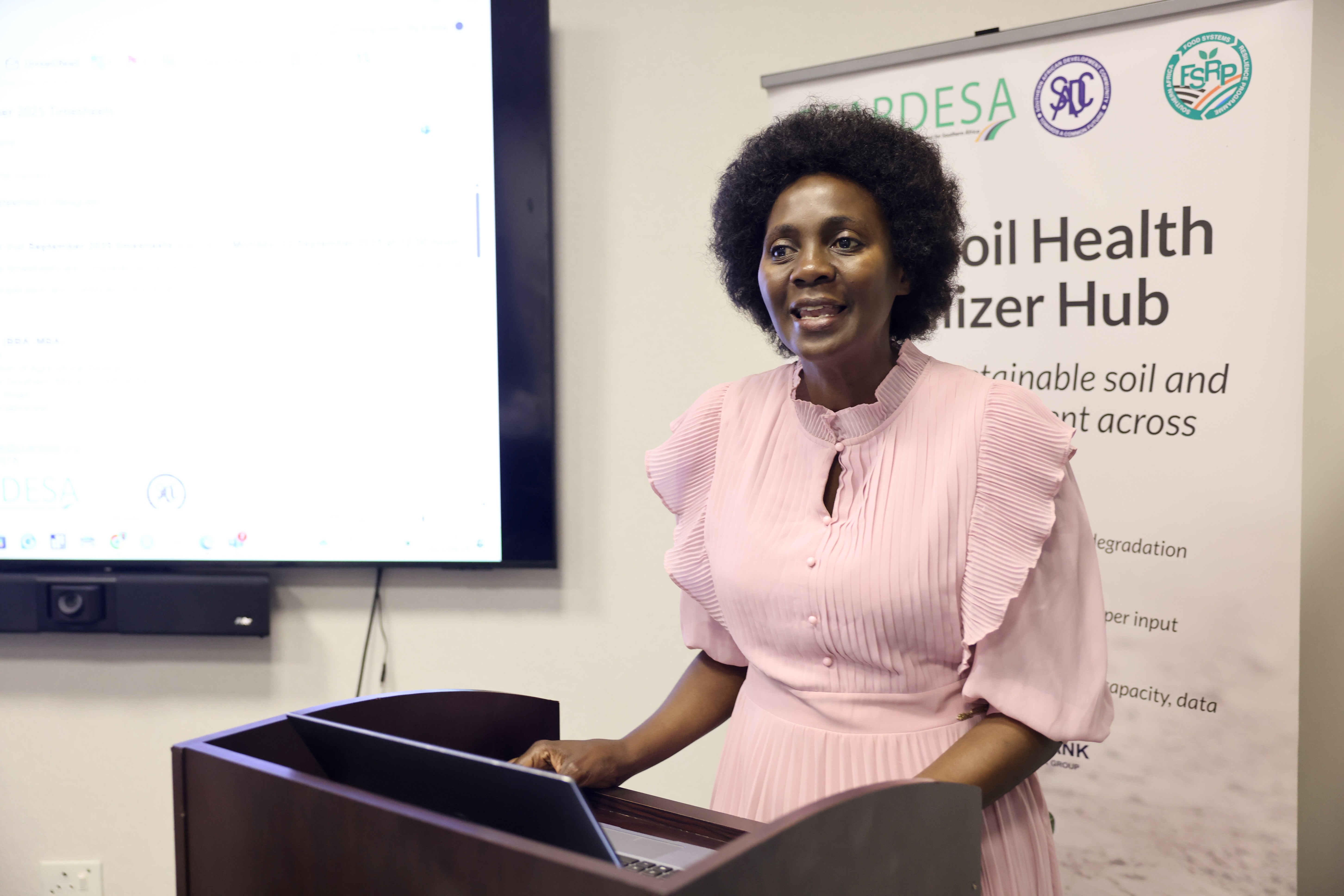 |
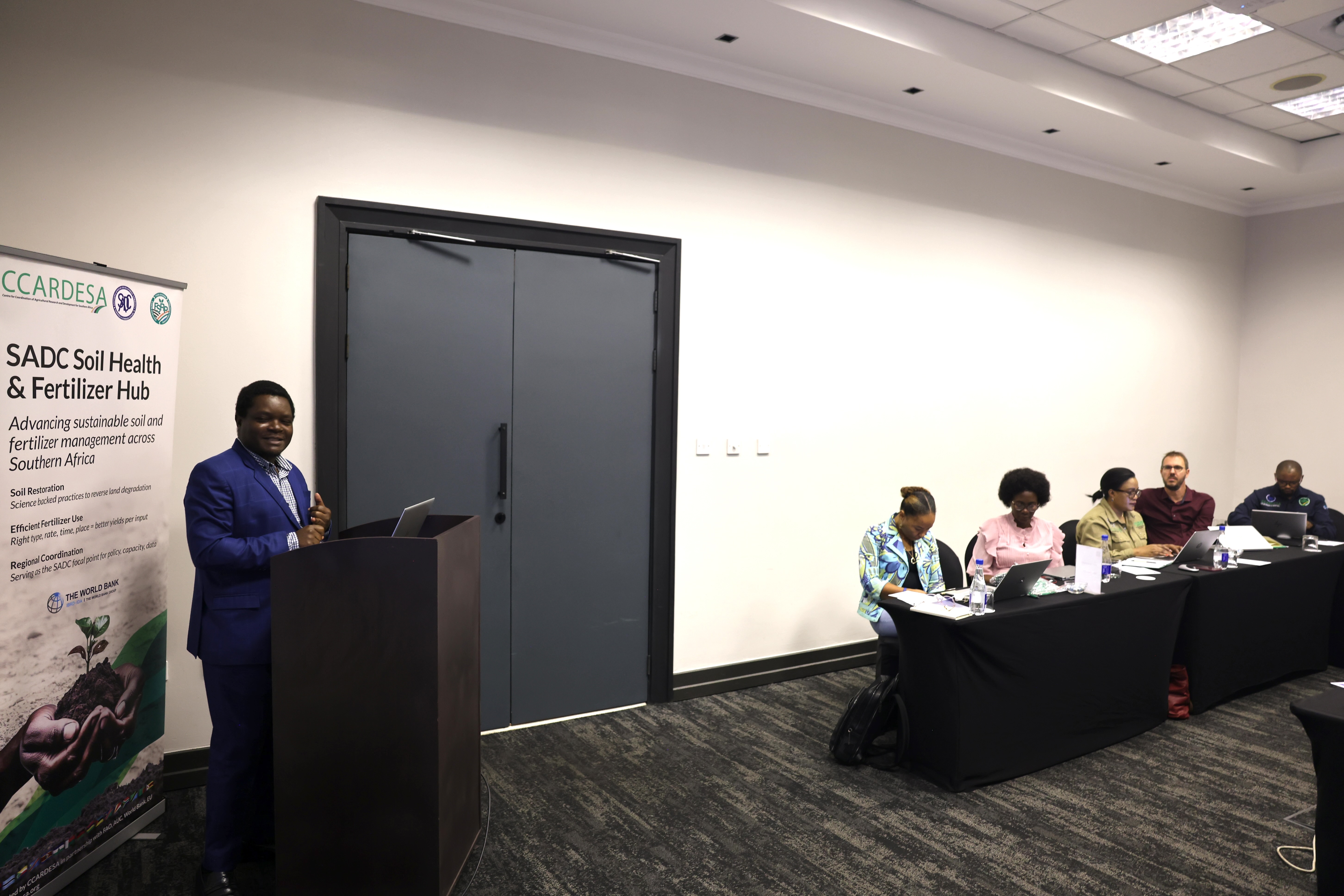
Speaking at the opening session, CCARDESA’s Acting Executive Director, Dr. Bridget Kakuwa-Kasongamulilo, underlined the urgency of reversing soil fertility decline in Southern Africa, where average fertilizer use stands at only 35 kg/ha against a global average of 146 kg/ha. “Healthy soils are the foundation of resilient food systems and agricultural transformation. As the newly designated SADC Soil Health and Fertilizer Hub, CCARDESA is honored to lead this agenda in partnership with key stakeholders, including CRS,” she said.
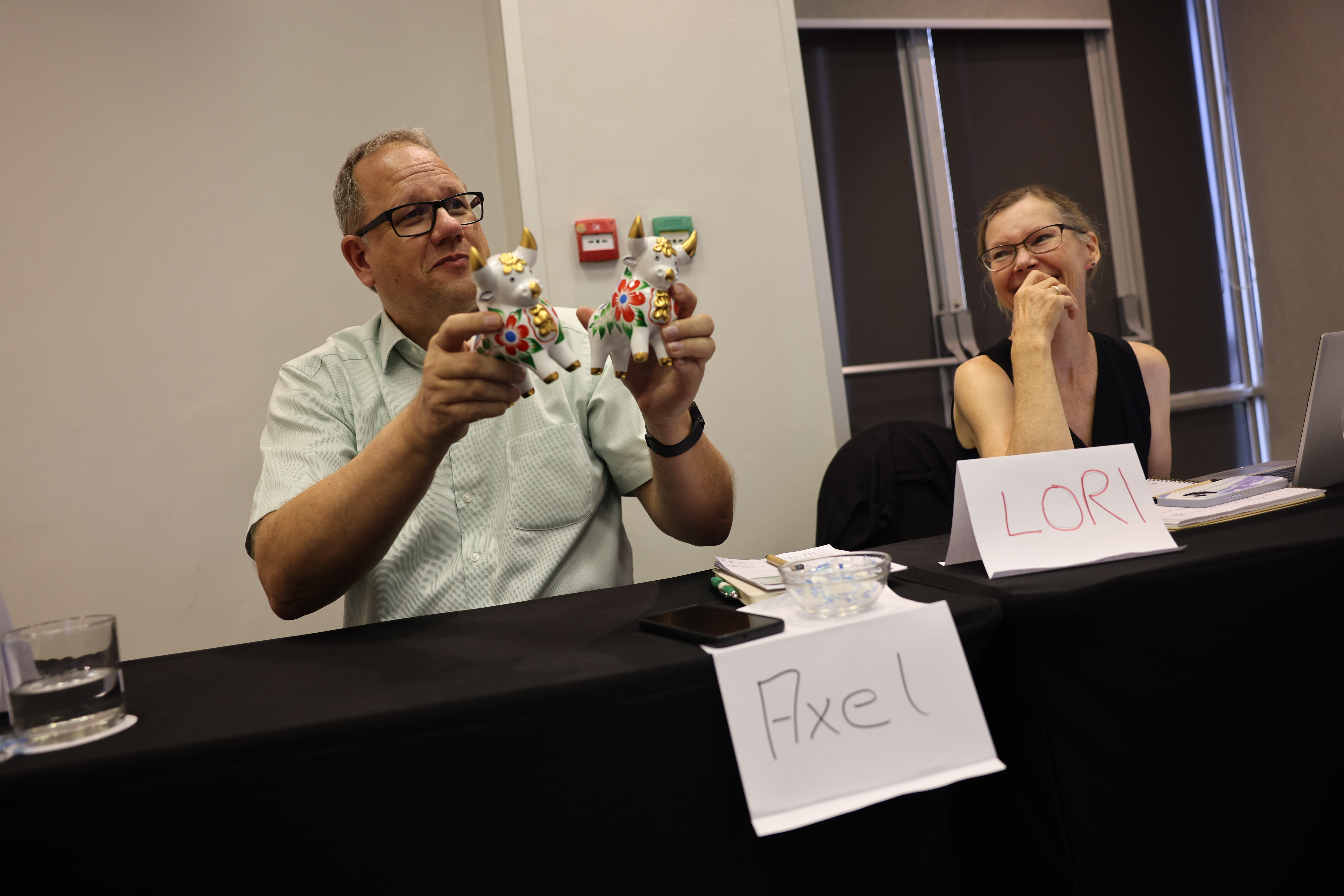
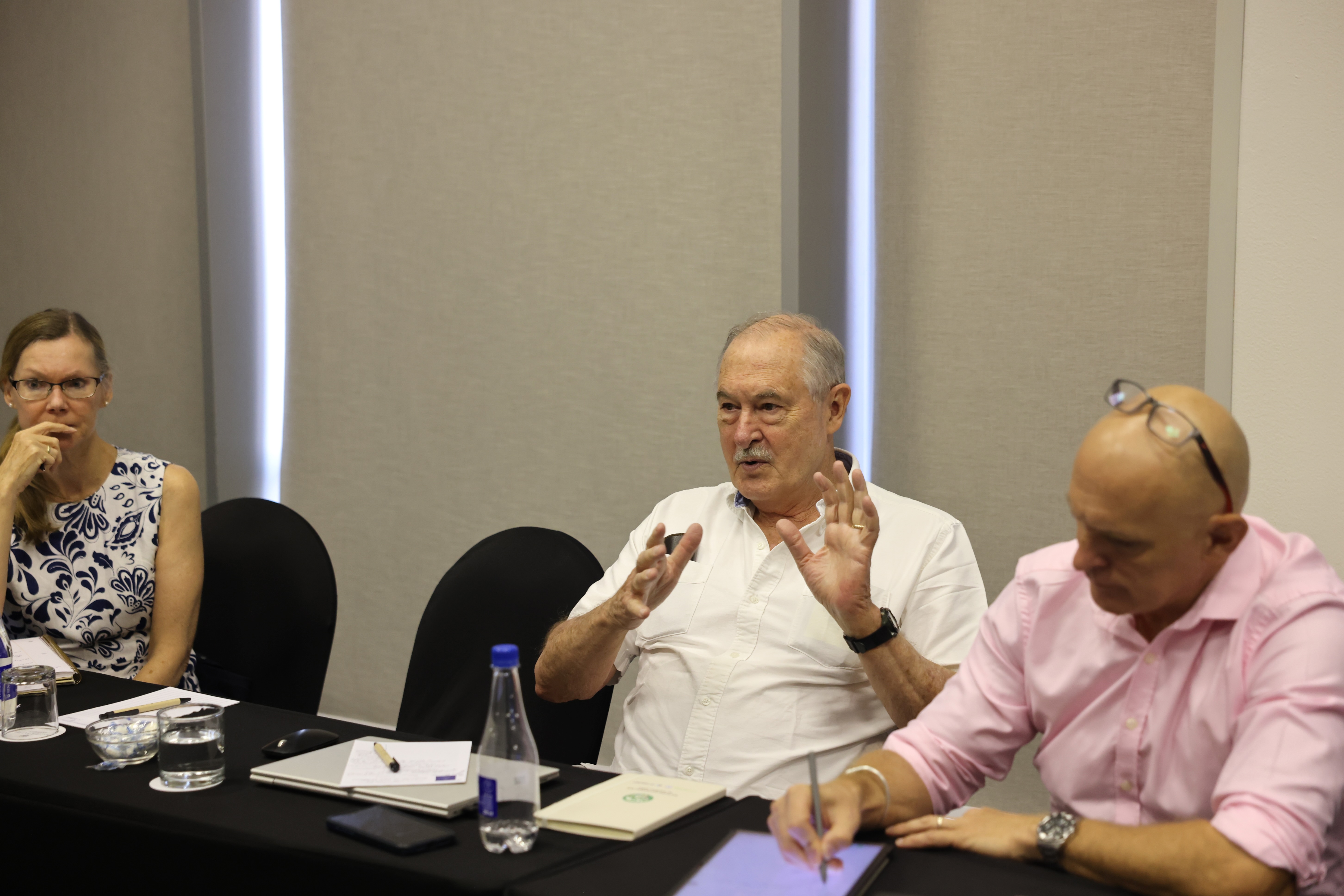
CRS representatives highlighted the broader impact of the partnership on food security and rural livelihoods. “Agriculture is the driver of economic prosperity in Africa,” noted Lori Pearson, Senior Policy Advisor, Climate Change & Food Security. Her colleague Wim Troosters added: “By combining our strengths, we can generate lasting impact for vulnerable farming communities across the region.”
The collaboration builds on the recent launch of the SADC Soil Health and Fertilizer Hub, whose operationalisation is currently being supported by the Food Systems Resilience Programme (FSRP) – a World Bank – supported initiative regionally overseen by CCARDESA. It also aligns with the continental African Fertilizer and Soil Health Action Plan, which calls for stronger partnerships, harmonized data systems, climate-smart practices, and sustainable fertilizer solutions.
Looking ahead, Dr. Barthlomew Chataika, CCARDESA’s Special Programmes Coordinator for the SADC Soil Health and Fertilizer Hub, stressed the wider implications of the partnership: “This roadmap may seem small, but it will have far and wide influence on guiding farmers, shaping policy, and inspiring applied research across the region — and mobilize the partnerships required for lasting change.”
 |  |  |