The Centre for Coordination of Agricultural Research and Development for Southern Africa (CCARDESA) took part in two landmark gatherings in Nairobi that placed agroecology and regional collaboration firmly on Africa’s development agenda. The first was the Agroecology Learning Event, organized by FARA and held on 12 September at the ICRAF Conference Room, and the second was the ArcX Forum, organized by EU-INTPA, which followed from 15 to 17 September. Together, these events highlighted the urgency of agrifood system agroecological transformation and the growing role of regional centres of excellence in shaping Africa’s research and innovation landscape.
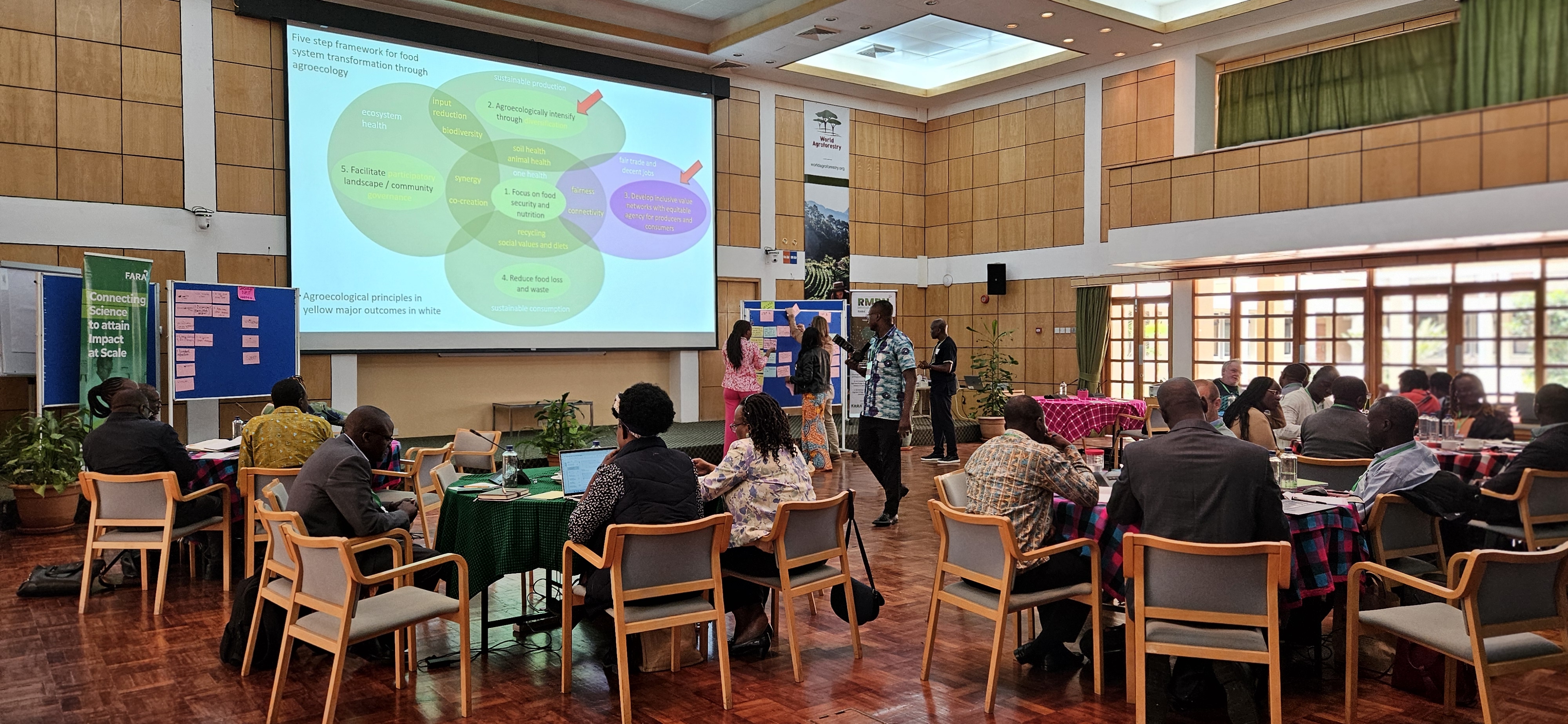
At the Agroecology Learning Event, participants were invited to reflect on the pressures facing global agrifood systems and the need for a shift towards approaches that balance productivity with ecological stewardship and social equity. The discussions were anchored in a five-step framework designed to guide agroecological transformation of the agrifood systems : (i) food security and nutrition, (ii) agroecological intensification through diversification, (iii) developing inclusive value networks, (iv) reducing food loss and waste, and (v) strengthening participatory community and landscape governance.
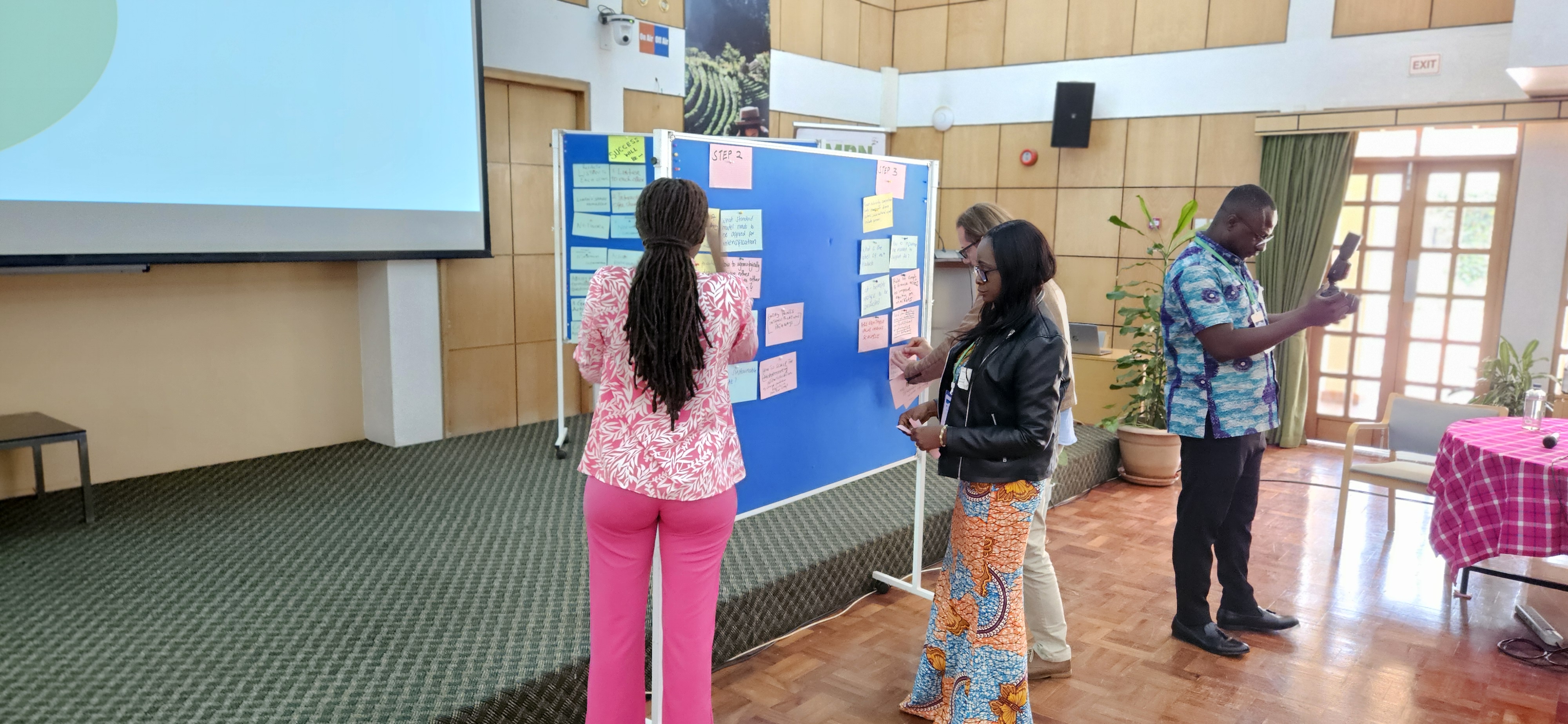
The event was highly interactive, with plenary sessions, group exercises and panel discussions allowing researchers from the three Regional Centres of Excellence on Agroecology (RAENS for Southern Africa, RADIUS for Western and Central Africa and RMRN-EA for Eastern Africa) to exchange perspectives and test ideas. By the end of the day, there was a renewed commitment to strengthening transdisciplinary research, building skills in participatory methods, and generating credible evidence that can influence agricultural policy and practice.
“The freedom fighters in Zambia used to say, ‘Even if the stars should fall, we will have our country back.’ Now, more than ever, that statement holds deep meaning for us as a people,” reflected Dr. Dora Siliya, former Zambian Minister. “Even if the stars should fall, we must make science relevant.” Her words reminded participants that true independence is not only political but also scientific rooted in knowledge, innovation, and self-reliance.
Echoing this spirit of transformation, Jacques Matara of the Kenyan Space Agency challenged the region to rethink how it perceives agriculture: “If we want the new generation to invest in agriculture, we must make agriculture sexy again.” His call underscored the need to rebrand farming as a modern, technology-driven and profitable venture that attracts youth and innovators alike.
Meanwhile, Christophe Larose from INTPA emphasised that achieving the agroecological transition requires more than policy it demands practical, inclusive engagement. “To succeed in the agroecological transition, we must be very serious in stakeholder engagement and identify the equipment, inputs, and issues that will make it saleable,” he said, stressing the importance of aligning scientific innovation with market realities and farmer needs.
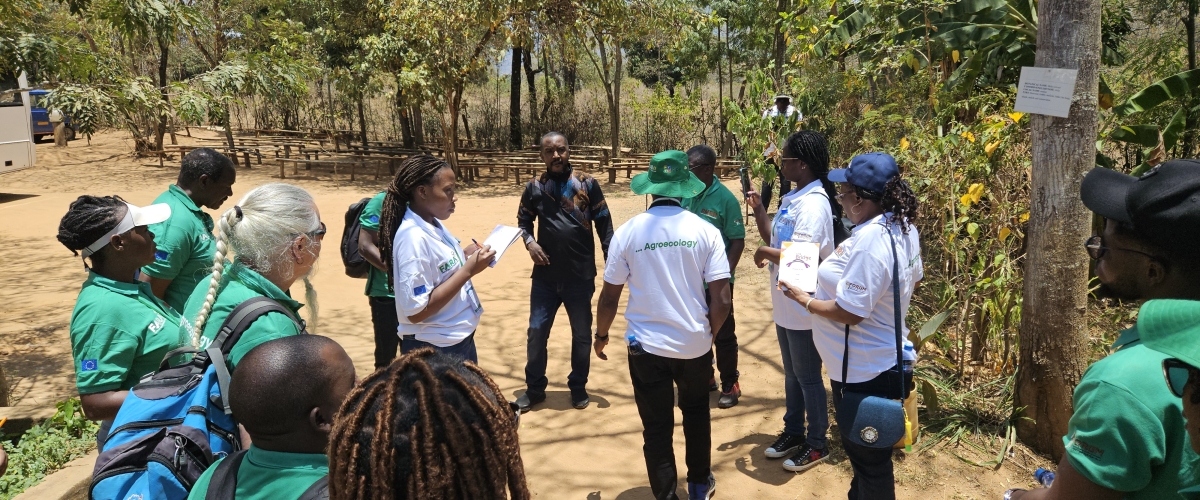
The following day, the 13rd September, a field visit of the Dryland Natural Resource Centre (DNRC) https://dnrckenya.co.ke in Makueni county provided participants with an opportunity to observe agroecological innovations in practice, ranging from agroforestry initiatives that support over a thousand farmers to creative approaches for recycling organic waste. The visits underlined the reality that agroecology is not just about theory, but about building livelihoods and resilience on the ground.
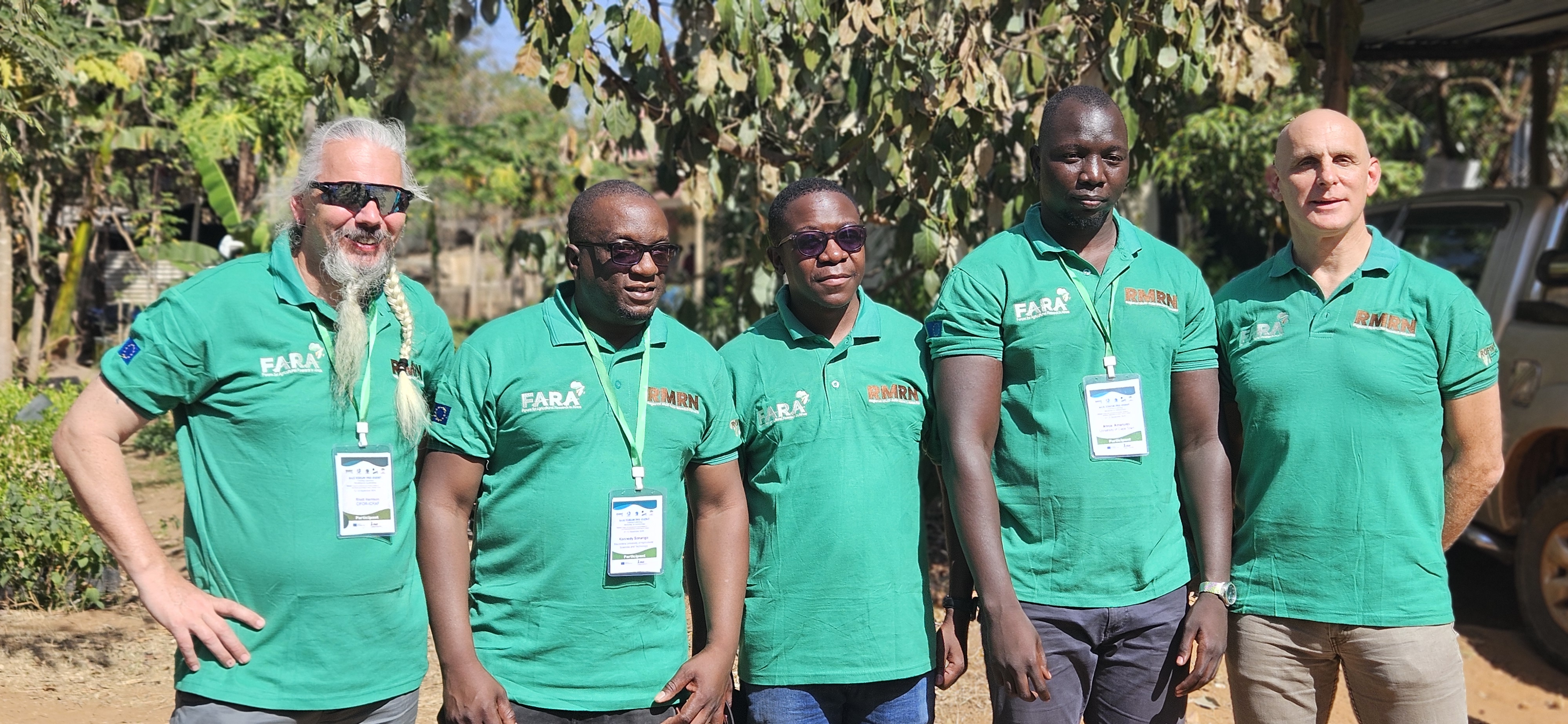
Only a few days later, attention turned to the ArcX Forum, which brought together regional and international partners to chart the way forward for Africa’s Regional Centres of Excellence. It was here that the Regional Multi-actor Research Network (RMRN) on agroecology was officially recognized as a Regional Centre of Excellence, joining others in biodiversity, forestry, water, oceans and climate. With CCARDESA now holding a seat on the ArcX Steering Committee, Southern Africa’s voice will carry greater weight in shaping the continental research and policy agenda.
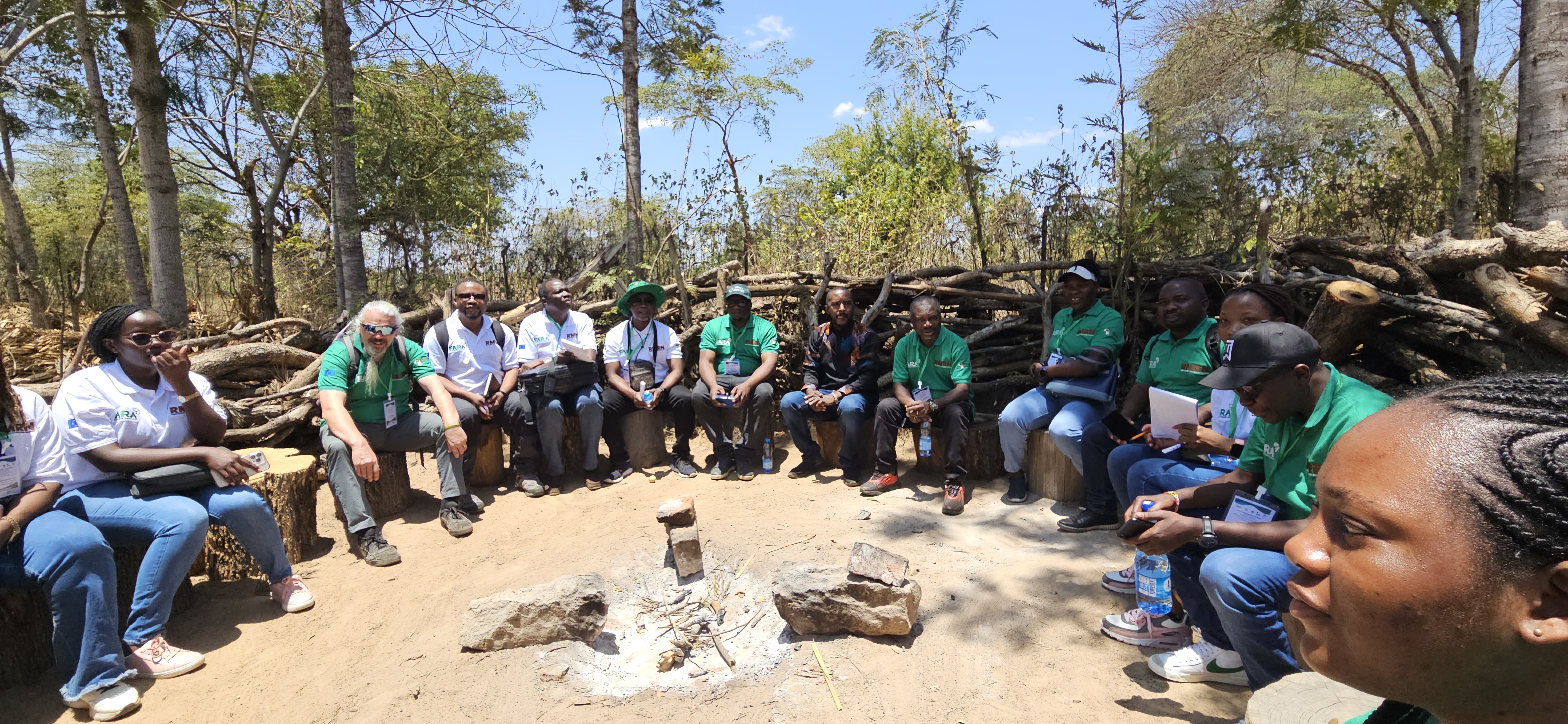
The forum also featured the presentation of the Africa Knowledge Platform https://africa-knowledge-platform.ec.europa.eu an open-access hub that offers powerful GIS tools and datasets to support evidence-based decision-making. Field visits, including a stop at the Dryland Natural Resource Center.
Throughout both events, a recurring theme was the need to build a stronger evidence base to demonstrate that agroecological practices can deliver on food security while also creating jobs and safeguarding ecosystems. For CCARDESA, the message was clear: by strengthening capacity, fostering knowledge exchange, and working closely with continental partners, the organisation is helping to shape a future where African agriculture is not only more productive, but also more sustainable and inclusive. CCARDESA was represented by its Resource Mobilisation and Partnership Specialist, Dr Jerome Queste.