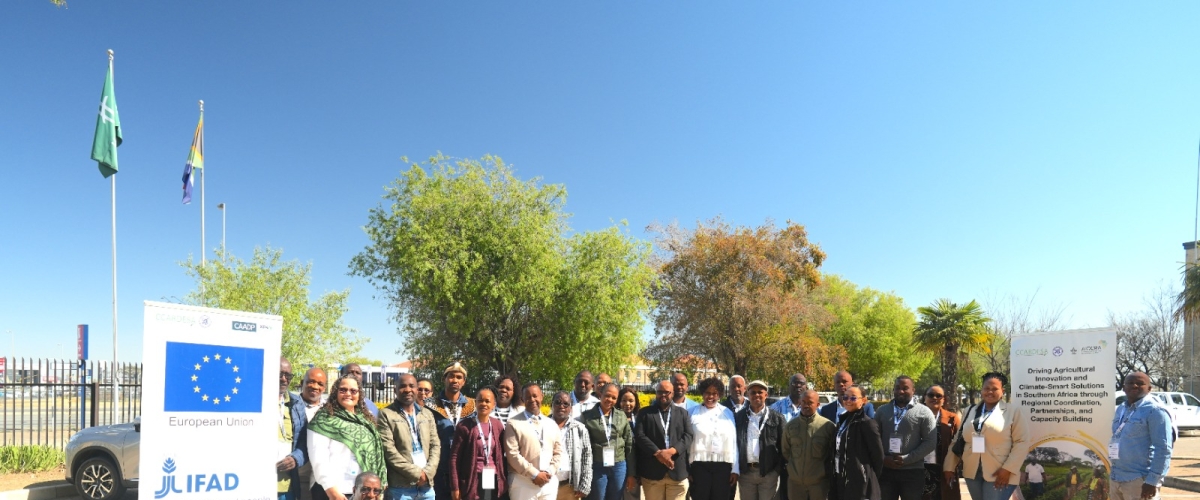
The Centre for Coordination of Agricultural Research and Development for Southern Africa (CCARDESA) convened a landmark workshop in Johannesburg to demonstrate and refine the Agricultural Management Database System (AMDS), a digital app innovation expected to transform the way agricultural data is managed across the region. This tool was developed in collaboration with Stellenbosch University (SU), which has played a pivotal role in guiding the scientific design and validation of the AMDS, ensuring that the system is grounded in research excellence while remaining practical and user-friendly for the region’s diverse agricultural stakeholders.
Opening the four-day validation workshop, Professor Cliff Dlamini, Executive Director of CCARDESA, stressed the urgency of strengthening digital tools in agriculture. “Agriculture remains the backbone of the SADC region, providing livelihoods for millions of people and driving economic transformation. Yet the sector continues to face multiple challenges, from climate variability and pests to limited access to timely data and weak integration of technology in decision-making,” Prof. Dlamini noted. He further described the AMDS as a “regional public good and a game-changer” that will ensure agricultural data is not only collected and stored but also harmonised, shared, and applied across Member States.
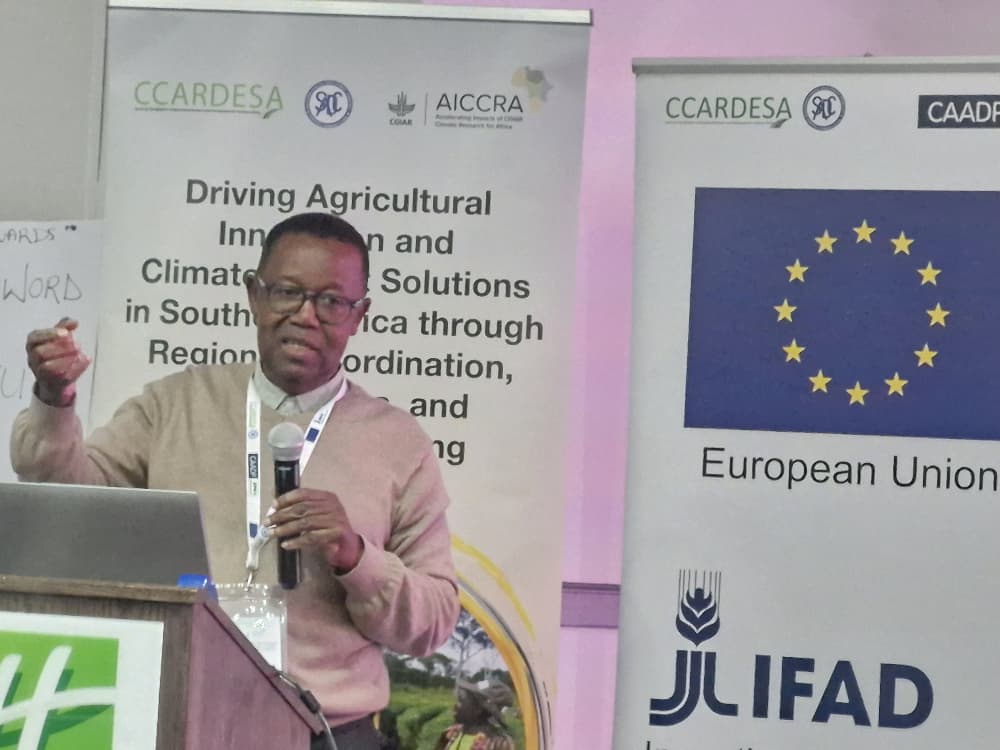
Professor Kennedy Dzama, a Distinguished Professor at Stellenbosch University, and the principal investigator for the Agricultural Monitoring and Decision Support (AMDS) system, provided an overview of the system's development during the workshop. He outlined the critical need for this system, stating, “The AMDS is designed to tackle the persistent challenge of insufficient access to timely and precise data at the farm, regional, and national levels concerning agricultural activities. It actively involves farmers, extension officers, and various stakeholders within the agricultural value chain to collect accurate, real-time data, thereby guiding evidence-based policy formulation and program development.”
. 
Academic and policy perspectives enriched the discussions. Prof. Amon Taruvinga from the University of Fort Hare presented findings from a study conducted in collaboration with Stellenbosch University, offering evidence on whether mobile phones enhance agricultural productivity across the SADC region. His presentation sparked lively debate on how mobile-based innovations can strengthen data-driven farming.
Meanwhile, Dr. Goalathe Thobokwe, Programme Officer for Livestock Development at the SADC Secretariat, addressed risks to agriculture in the region, underscoring the urgency of integrating tools like the AMDS into broader resilience strategies.
Over the course of the workshop, delegates from government, research institutions, private sector organisations, and farming communities engaged in testing, validating, and optimising the AMDS prototype. The sessions combined high-level presentations with hands-on activities, including design thinking, usability testing, and group discussions. Farmers, extension officers, agribusiness actors, and researchers shared their daily challenges with data access and management, ensuring that the system reflected real-life needs. “When farmers, researchers, and policymakers speak with one voice, the solutions we build become sustainable,” one participant observed.
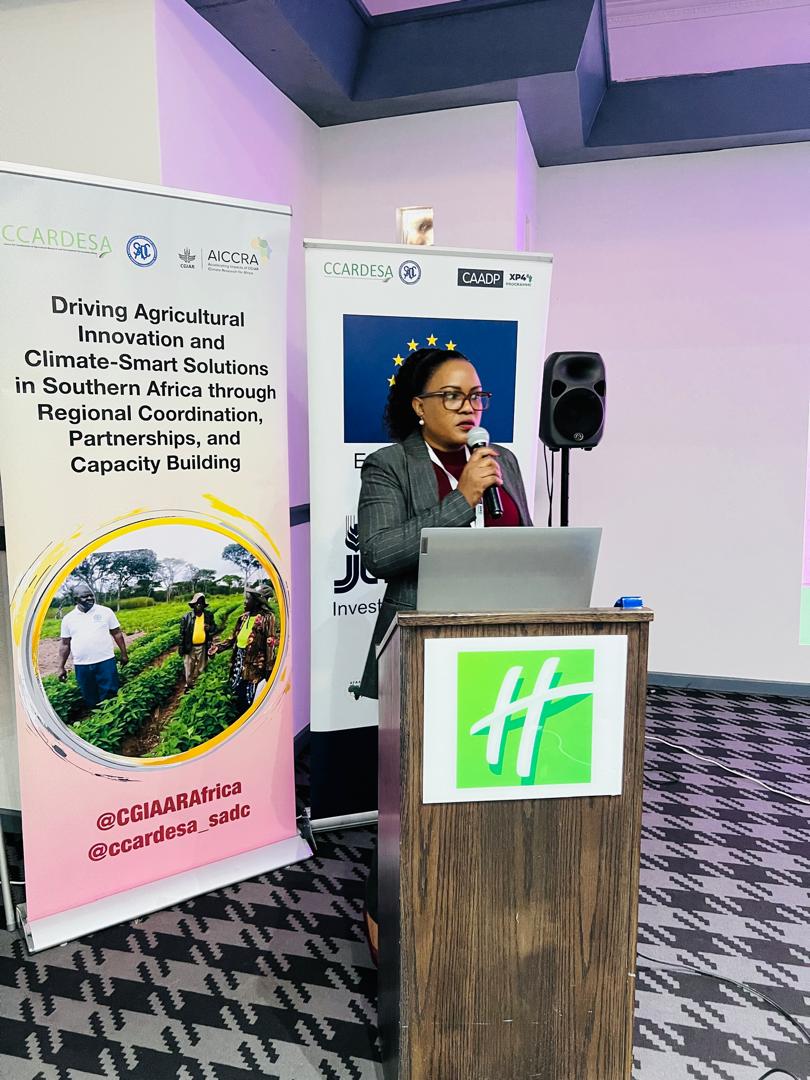
Ms. Futhi Magagula, Special Projects Coordinator at CCARDESA, emphasized that the development of the Agricultural Management and Data Systems (AMDS) aligns seamlessly with Result Area 6, which focuses on enhancing the utilization of advanced agricultural digital solutions and robust knowledge management systems among the diverse stakeholders of CCARDESA. Additionally, she highlighted that CCARDESA is actively leveraging digital platforms, including a Mobile Application, and is in the process of creating animated digital resources (videos) in multiple languages. These resources are designed to empower Extension personnel, enabling them to effectively reach a broader base of farmers across the region.
Ms. Magagula highlighted the significant achievements of CCARDESA over the years, noting that the organization has reached over 4.6 million beneficiaries through its outreach efforts. It has successfully trained nearly 100,000 farmers and developed a multitude of technologies and management practices specifically designed for the smallholder farming context in the region. The introduction of mobile learning applications, digital advisory services, and innovative knowledge products highlights CCARDESA's commitment to effectively bridging the gap between agricultural research and practical implementation. “Our objective is to ensure that digital tools are not only accessible but also inclusive and functional for the communities that need them the most,” stated Ms. Magagula.
As deliberations came to a close, the message was clear that the AMDS is a tool that can empower farmers, inform policymakers, and strengthen food systems across Southern Africa.
. 
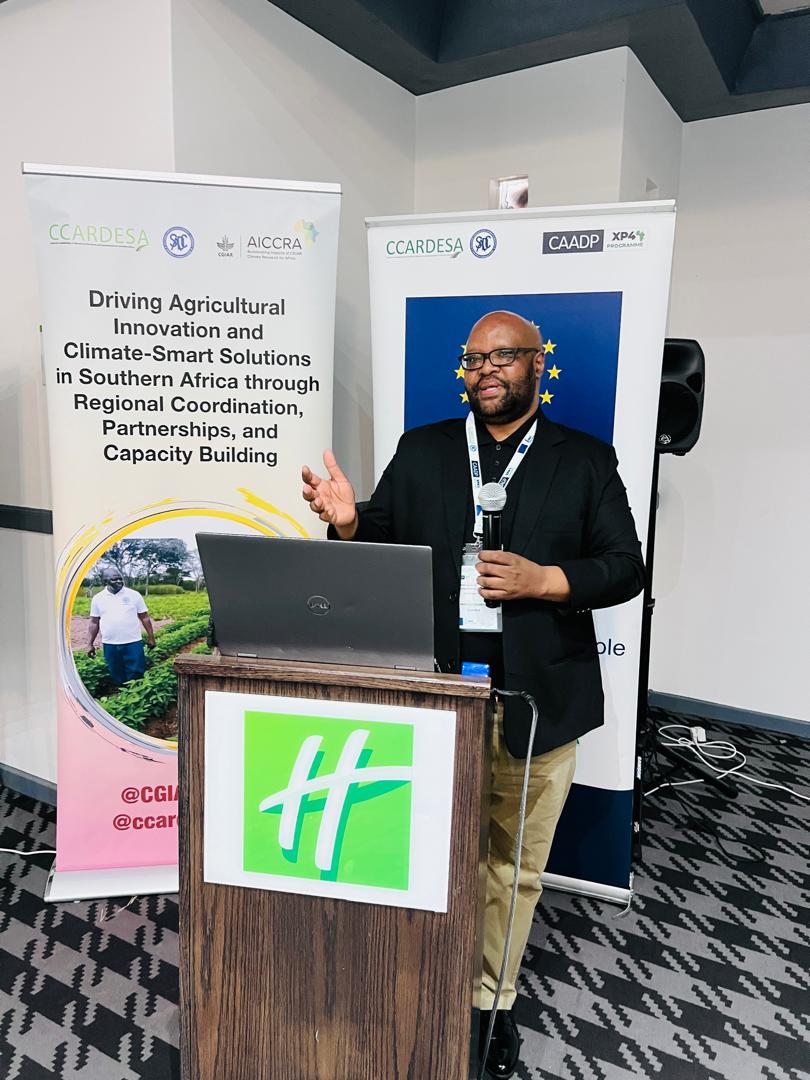
Professor Cliff Dlamini delivered remarks, acknowledging the essential contributions of participants in advancing the development of the system. He expressed appreciation for Stellenbosch University's pivotal role in both conceptualizing and developing the AMDS system.
Lastly, Ms. Magagula, in her closing remarks, stated that the AMDS is a key tool for facilitating evidence-based decision-making in agriculture. It supports policy formulation, investment planning, technology dissemination, and regional integration. She also expressed her appreciation for the feedback and recommendations provided, which will help improve the system to better serve member states, farmers, researchers, policymakers, and development partners.
“We must strengthen partnerships, align our priorities, and mobilize resources to ensure that the AMDS is fully adopted and institutionalized across the region,” she added.
The validation workshop received joint funding from the CAADP-XP4 programme, which is supported by the European Union and managed by the International Fund for Agricultural Development (IFAD). Additionally, the workshop was supported by the Accelerating Impacts of CGIAR Climate Research for Africa (AICCRA), which is funded by the World Bank. The investments in both programs are catalyzing digital transformation within the agricultural sector, establishing a robust groundwork for innovations like the Agricultural Management and Decision Support (AMDS) system. This foundation enables these solutions to proliferate and generate sustainable impact throughout the SADC region.