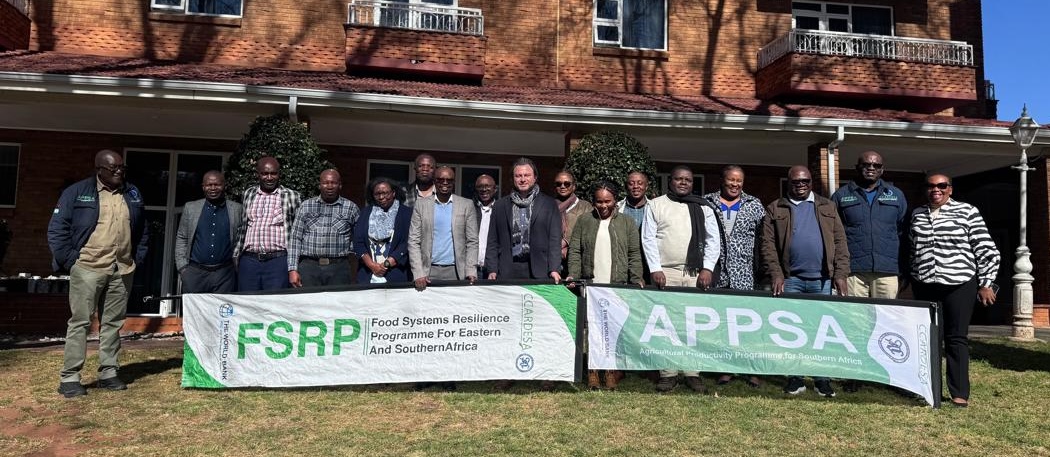
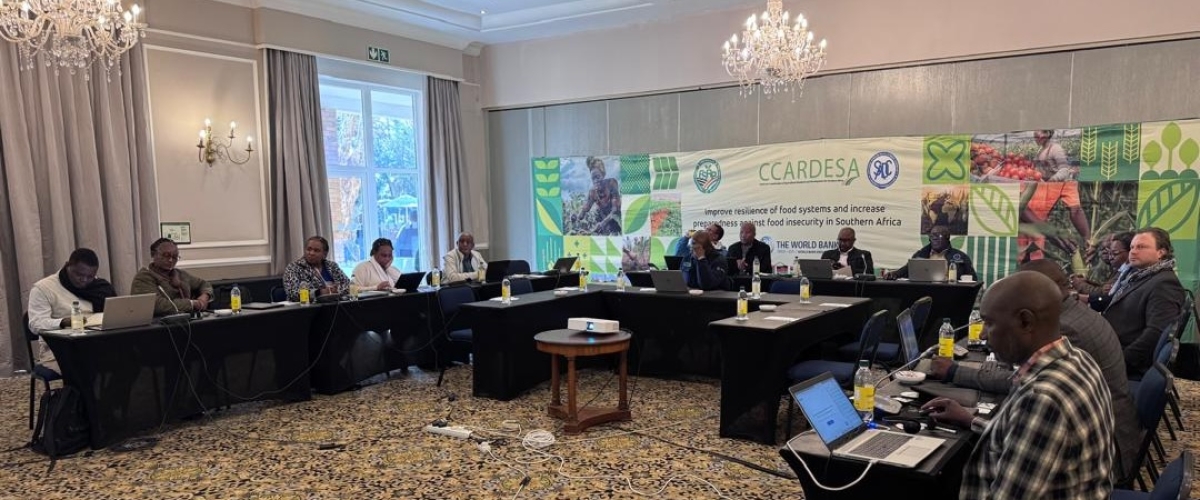
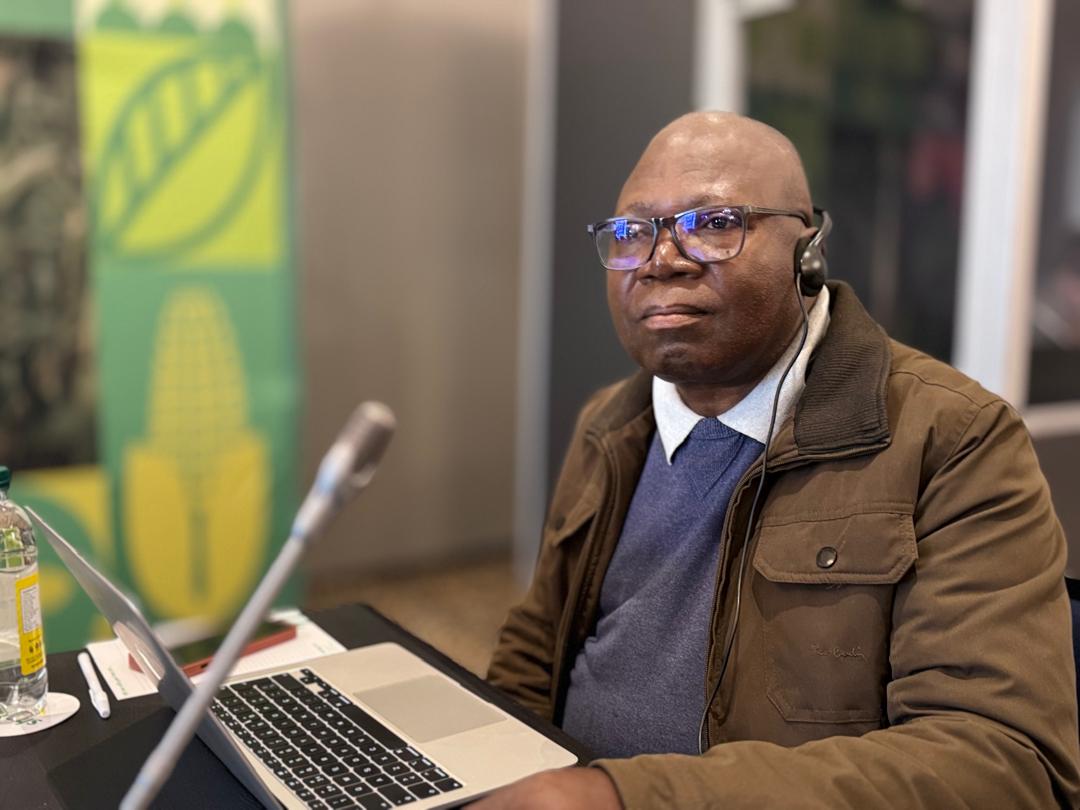
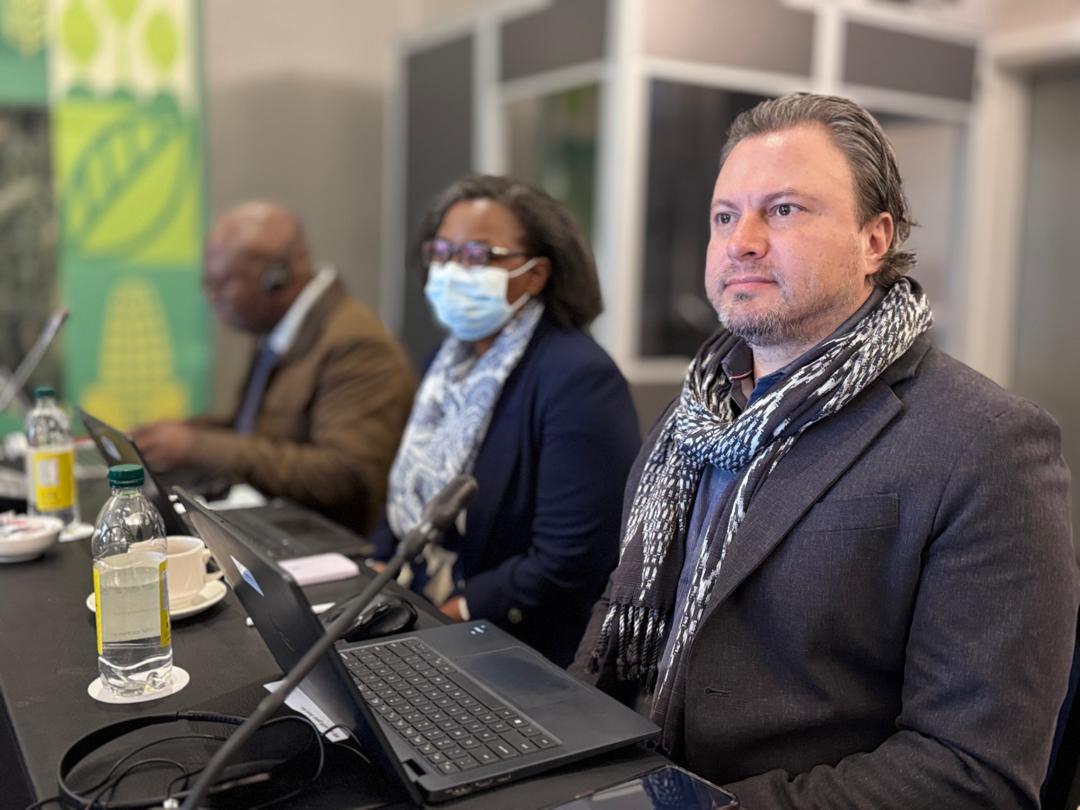
The Centre for Coordination of Agricultural Research and Development for Southern Africa (CCARDESA) successfully convened a regional review meeting from 23 to 25 June 2025 in Johannesburg, South Africa, to assess the implementation of the Agricultural Productivity Programme for Southern Africa (APPSA) Phase II. The meeting was held just ahead of the programme’s official closure on 30 June 2025.
The event brought together key stakeholders from Angola, Lesotho, and the World Bank to consolidate final reports, reflect on achievements, and document the programme’s significant regional impact. APPSA Phase II, funded by the World Bank, was implemented from 2019 to 2025, following the first phase (2013–2019) involving Malawi, Mozambique, and Zambia.
In a region where national funding for agricultural research is often limited, APPSA made a meaningful contribution by strengthening national systems and fostering cross-border collaboration. A hallmark of the programme was the establishment of Regional Centres of Leadership (RCoLs), which enabled countries to focus on priority commodity systems while sharing technologies and knowledge across borders. Under Phase II, Angola led work on cassava-based farming systems while Lesotho focused on horticulture-based farming systems.
These RCoLs have become vital platforms for applied research, innovation, and technology dissemination — driving regional integration and long-term institutional development.
The APPSA regional review meeting facilitated the finalisation of three major programme outputs:
- End of Project Evaluation Report
- Implementation Completion and Results (ICR) Report
- A collection of Impact Stories, highlighting field-level results and lessons learned
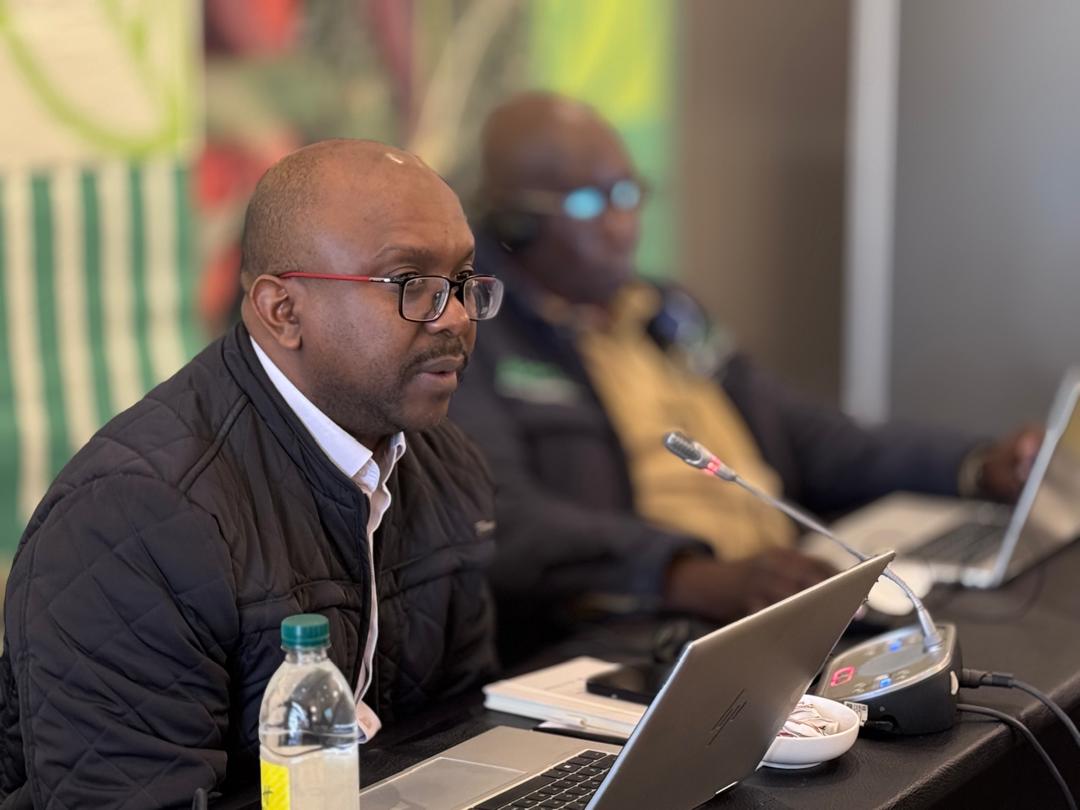
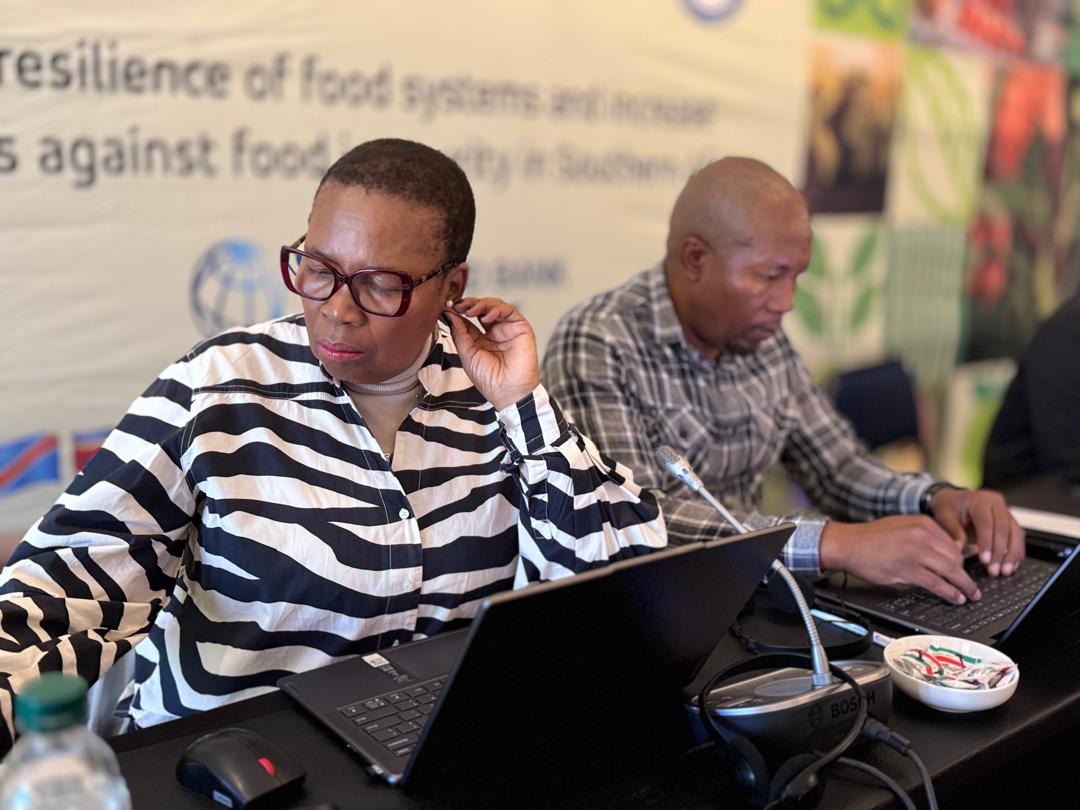
Participants discussed aligning these deliverables with the World Bank’s own ICR report to ensure consistency and completeness. Critical inputs were provided on fiduciary areas such as procurement, finance, and safeguards — particularly reflecting implementation realities at the country level.
 |  |  |  |
Tangible Results for Farmers and Institutions
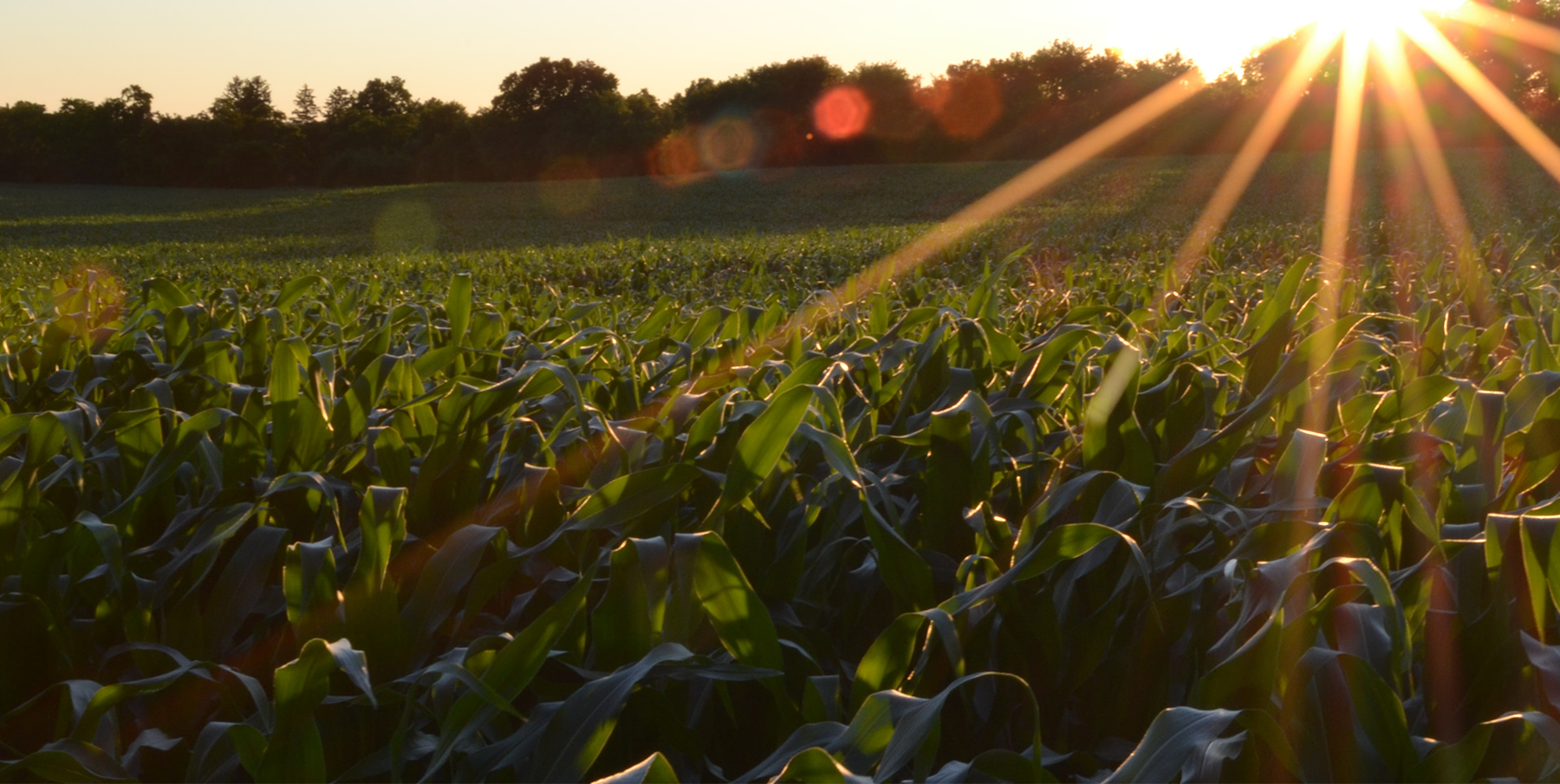
Impact stories from Angola and Lesotho underscored how APPSA’s support contributed to improved productivity and farmer empowerment. In Angola, maize yields increased significantly following the introduction of improved varieties and training through farmer field schools. In Lesotho, farmers reported enhanced crop planning, pest control, and the uptake of sustainable practices such as crop rotation and soil management.
Extension officers commended the programme’s participatory approach, which replaced the traditional one with season-long, hands-on learning, resulting in more lasting and widespread adoption of good agricultural practices.
CCARDESA’s Role
CCARDESA was highly commended by participants for its effective coordination throughout the programme. Its leadership in technical facilitation, knowledge management, and strategic oversight played a critical role in enabling successful implementation across participating countries. CCARDESA provided the platform and guidance that enabled countries to collaborate meaningfully, share innovations, and scale research outputs.
FSRP Builds on APPSA’s Foundation
As APPSA concludes, at CCARDESA level, the attention shifts to the Food Systems Resilience Programme (FSRP) — another World Bank-funded initiative being implemented across several Eastern and Southern African countries. While broader in scope, FSRP builds on the foundations laid by APPSA and includes a dedicated component to strengthen existing RCoLs or establish new ones aimed at promoting resilient, inclusive, and climate-smart food systems.
By enhancing research collaboration and institutional capacity, FSRP is helping to sustain and scale up the gains made under APPSA, ensuring continuity and deeper regional integration.