
Photo credits: RUFORUM
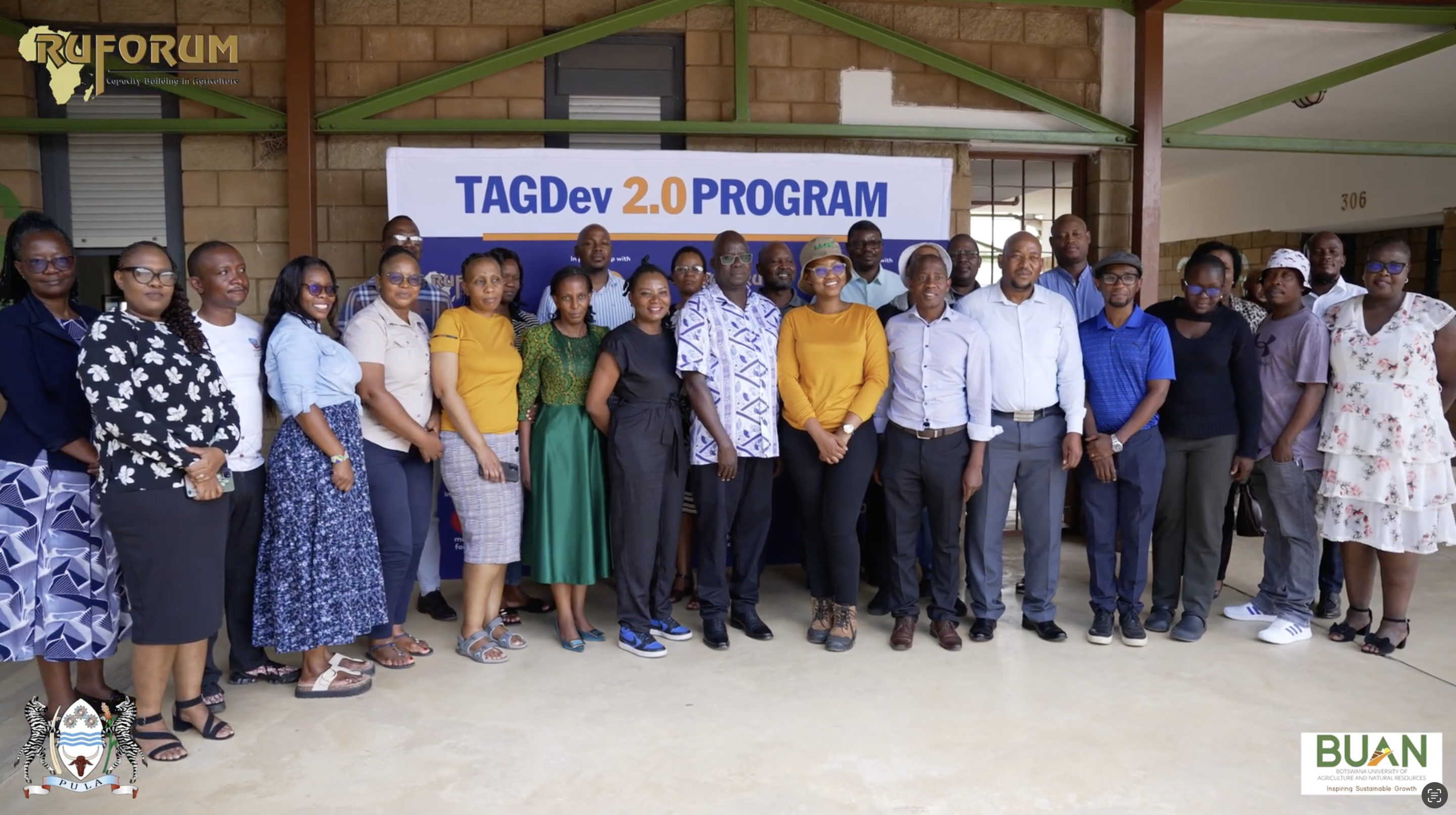
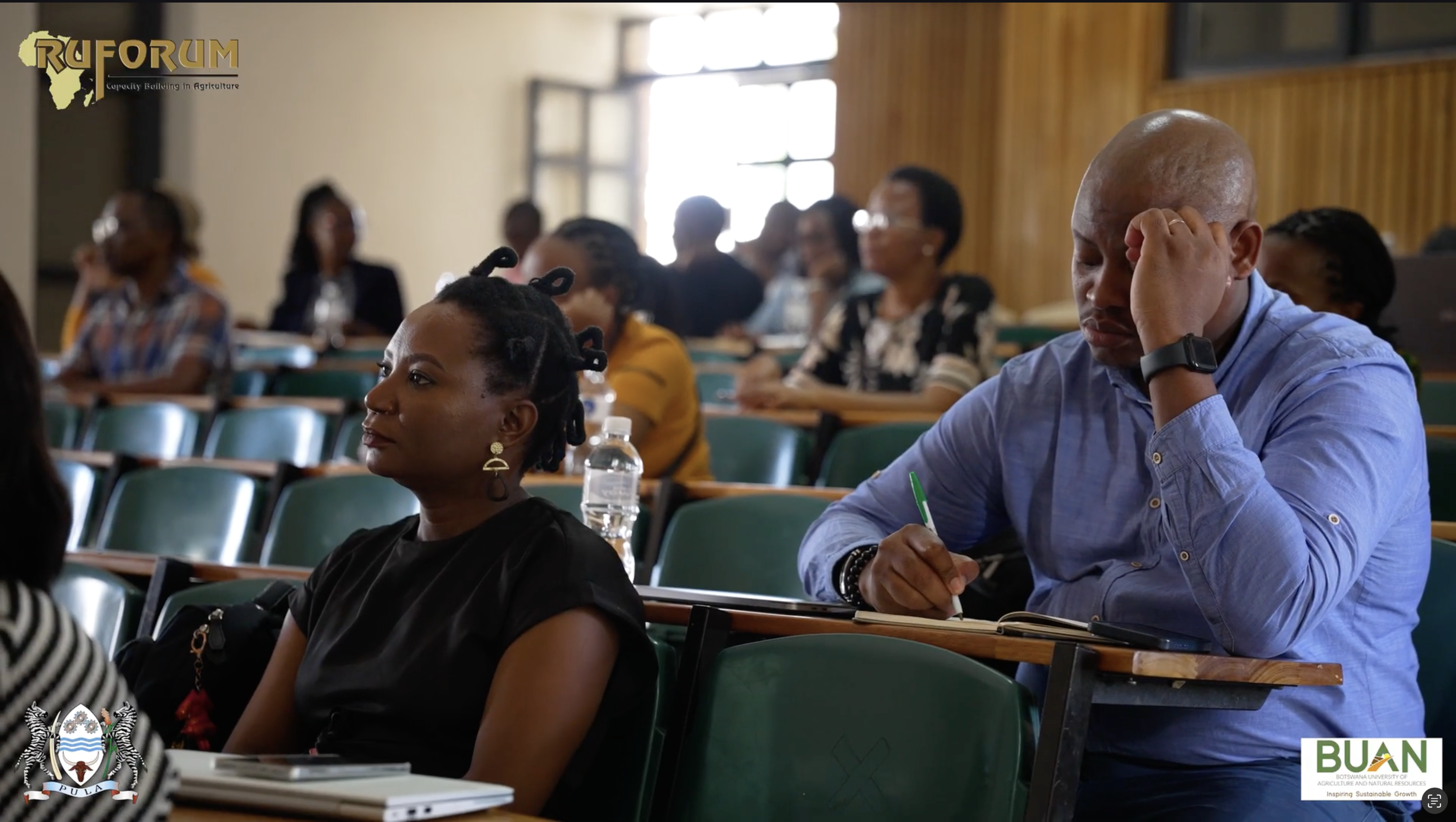
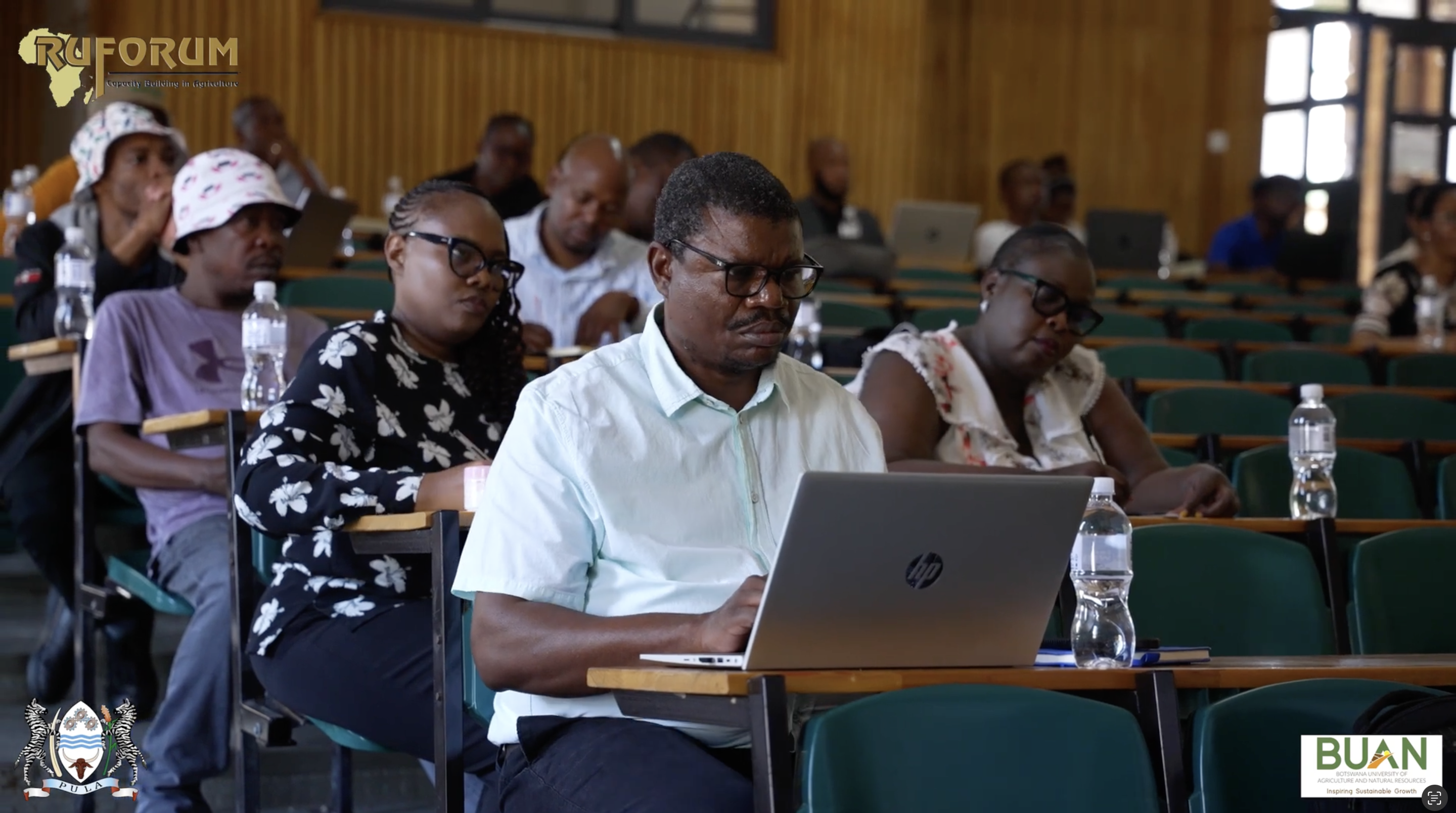
The Centre for Coordination of Agricultural Research and Development for Southern Africa (CCARDESA) successfully participated in a Training Workshop on Bioinformatics, Data Science & Management, held from 24–28 November in Gaborone, Botswana. The workshop was organised as a pre-event to the 21st Annual General Assembly of the Regional Universities Forum for Capacity Building in Agriculture (RUFORUM) and hosted by the Botswana University of Agriculture and Natural Resources (BUAN).
This regional learning event brought together researchers, academics, data practitioners, and agricultural development stakeholders to enhance competencies in managing, analysing, and interpreting data for improved agricultural research and innovation. Participants gained practical, hands-on experience across the full data lifecycle, from data collection and cleaning to advanced analytics, visualization, and the use of emerging technologies such as machine learning and generative AI.
 |  |
For CCARDESA, the workshop was particularly valuable as it aligns with the organisation’s commitment to promoting evidence-based decision-making and strengthening knowledge management systems across the SADC region. Building internal capacity in data science enhances CCARDESA’s ability to support Member States with credible, timely, and actionable information for agricultural planning, climate resilience, and food systems transformation. With strengthened technical proficiency, CCARDESA is better positioned to coordinate, interpret, and disseminate agricultural data in ways that add value to Member States.
The workshop also highlighted the importance of strong partnerships. Both RUFORUM and BUAN are strategic CCARDESA collaborators, and their leadership in hosting this training reflects a shared commitment to building a robust regional ecosystem for data-driven agricultural research and innovation.
By participating in this capacity-building initiative, CCARDESA has not only enhanced the skills of its technical team but also reinforced its role as a regional knowledge broker, capable of transforming complex data into meaningful insights for policy, research, and practice.