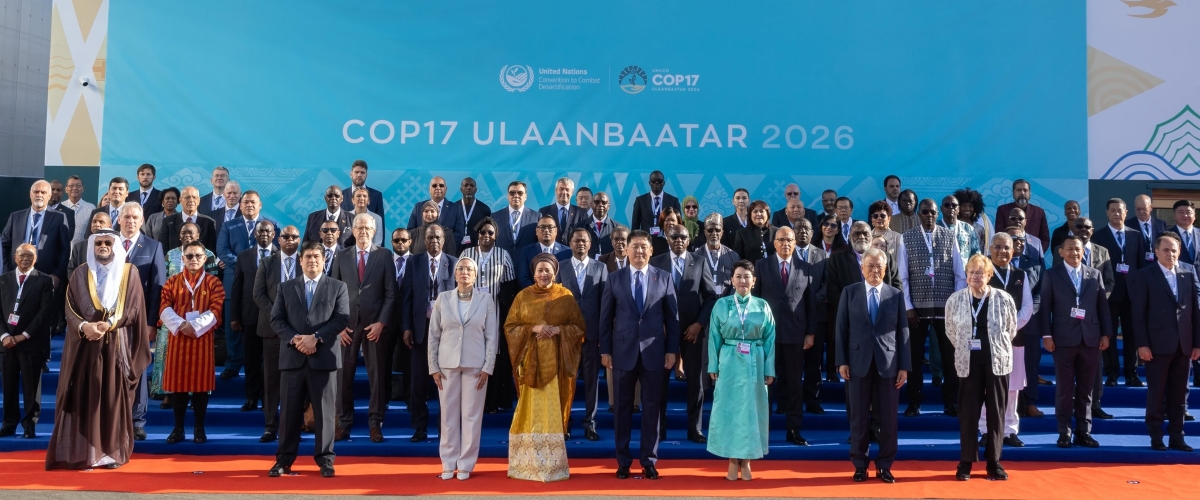
ULAANBAATAR, Mongolia, 24 August 2026 — Against the vast grasslands of Mongolia—a country where land, livestock and culture are inseparable—the seventeenth session of the Conference of the Parties to the United Nations Convention to Combat Desertification opened with an urgent message: humanity cannot secure its future without restoring the land beneath its feet.
Held from 17 to 28 August 2026 under the theme “Restoring Land. Restoring Hope,” UNCCD COP17 brought together representatives of 196 countries and the European Union, alongside pastoralists, scientists, civil society organizations, financial institutions and development partners.
The conference opened as land degradation and drought continue to threaten food production, water security, biodiversity and rural livelihoods. Up to 40 percent of the world’s land is degraded, affecting approximately 3.2 billion people. Mongolia faces this crisis directly, with nearly 77 percent of its territory degraded and pastoralism supporting the livelihoods of about one-third of its population. In his opening address, H.E. Ukhnaagiin Khürelsükh, President of Mongolia, described the hosting of COP17 as a historic opportunity to fulfil humanity’s responsibility to Mother Earth and restore hope for future generations.
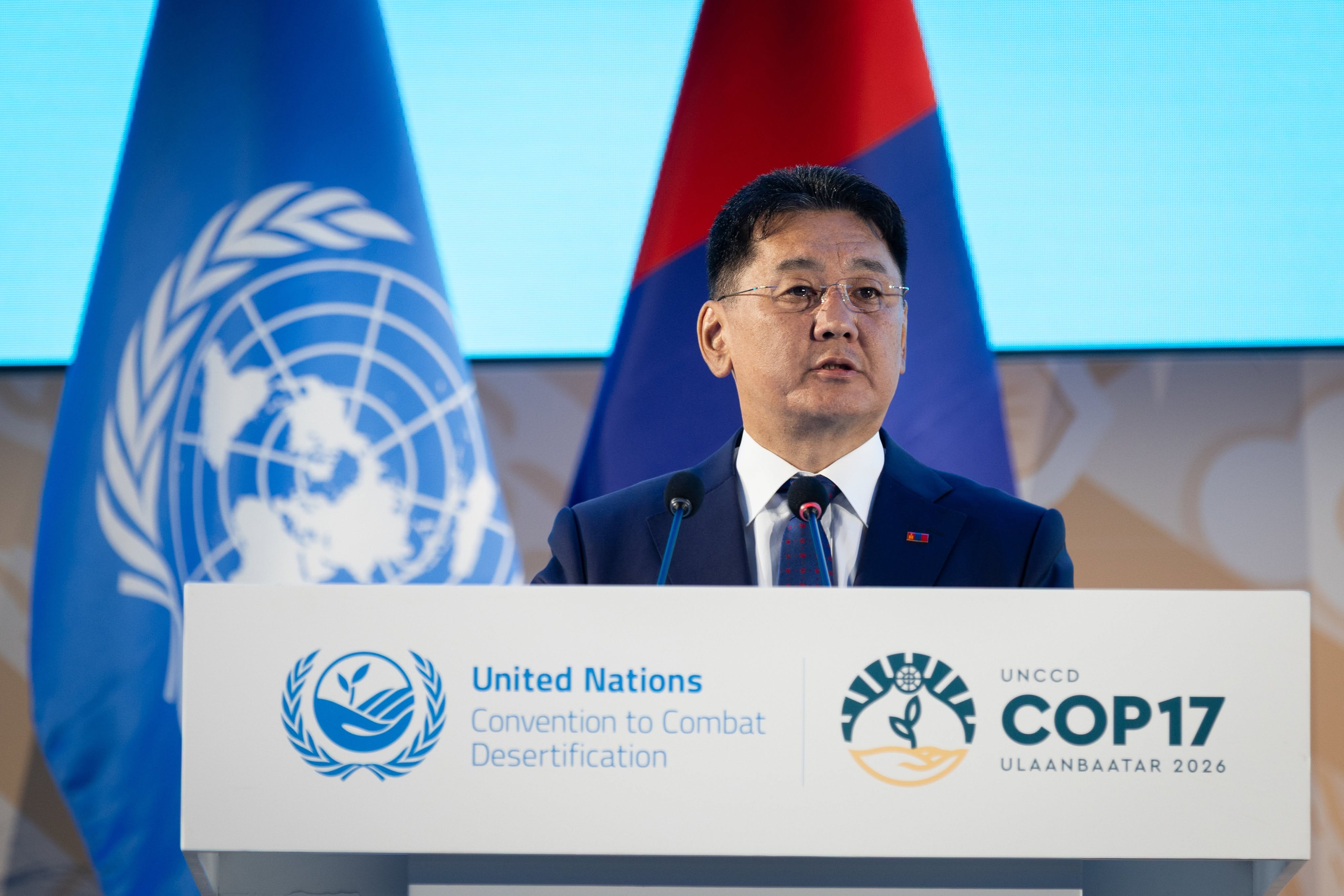
H.E. Ukhnaagiin Khürelsükh, President of Mongolia
Drawing on Mongolia’s nomadic traditions, he stressed the importance of respecting nature, preserving Indigenous and traditional knowledge and teaching younger generations to protect the environment. His message captured the close relationship between land and human wellbeing: “Healthy soils mean healthy food, and healthy food means healthy people.”
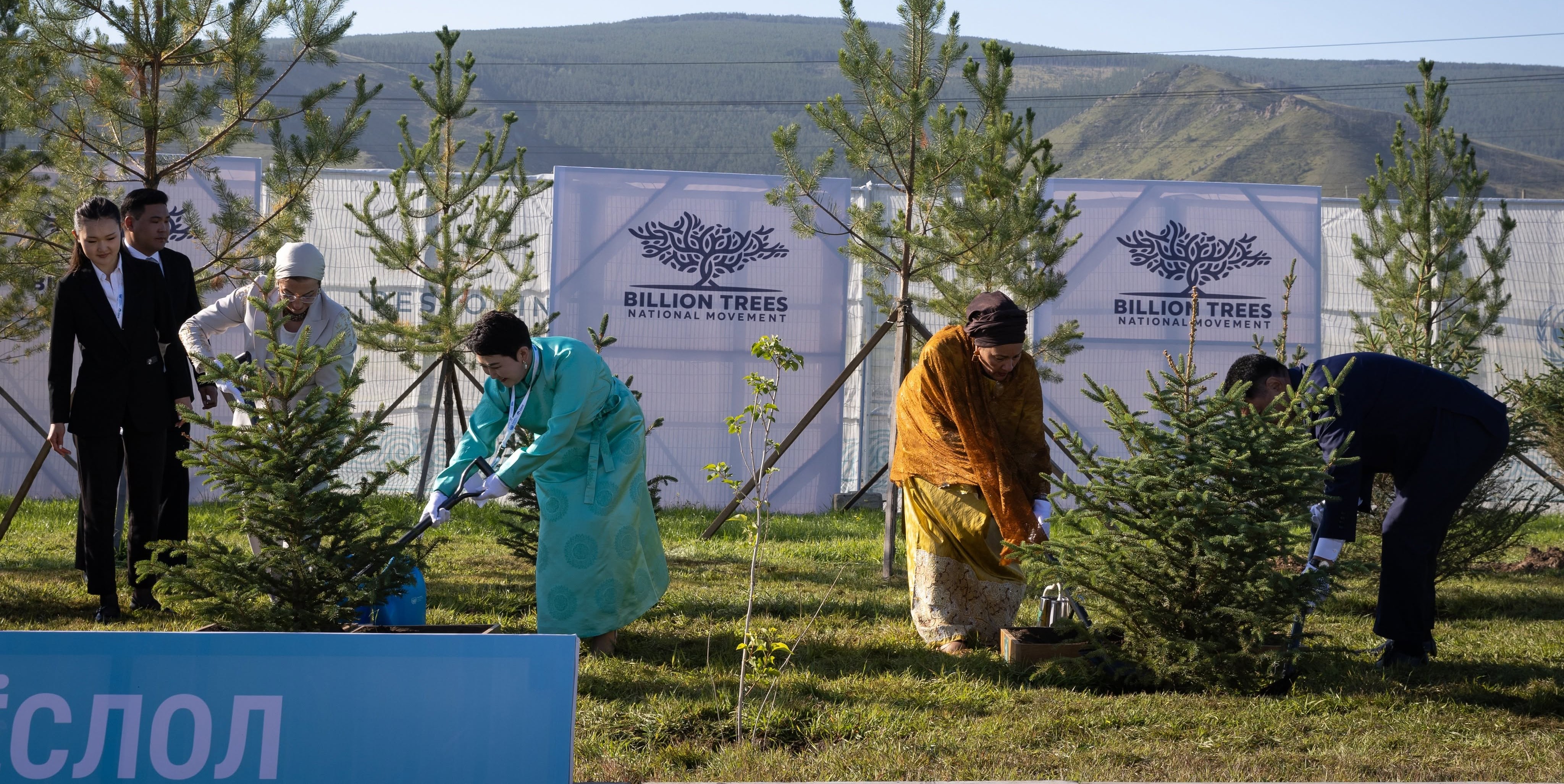
The President called on delegates to unite behind practical solutions to desertification, drought and land degradation. He highlighted Mongolia’s national restoration programmes, including the Billion Trees National Movement, launched in 2021 with the goal of planting one billion trees by 2030. The movement seeks not only to combat desertification but also to create employment, restore ecosystems and strengthen the resilience of communities whose livelihoods depend on natural resources.
H.E. Nyam-Osoryn Uchral, Prime Minister of Mongolia, challenged delegates to make COP17 a conference of implementation rather than another gathering of promises. “The greatest change we want to see from COP17 is a shift from talk to action.”
He urged countries to address land degradation, climate change and biodiversity loss as interconnected challenges. He also called for greater investment in land restoration and stronger cooperation among governments, financial institutions and the private sector.
Importantly, the Prime Minister emphasised that the knowledge and participation of herders, pastoralists and local communities must be placed at the centre of land-management policies. These communities should not merely be consulted after decisions have been made; they must participate in designing and implementing the solutions.
Ms Yasmine Fouad, Executive Secretary of the UNCCD, warned that land degradation and drought are no longer distant environmental threats. Their effects are already visible in declining agricultural production, water scarcity, weakened economies and increasingly vulnerable communities. “Land is our most vital infrastructure—underpinning food security, water, livelihoods and stability.” She called for COP17 to deliver practical and investable solutions that can be expanded across countries and landscapes. Restoring land, she argued, is not simply an environmental obligation but an investment in people, resilience, stability and economic development.
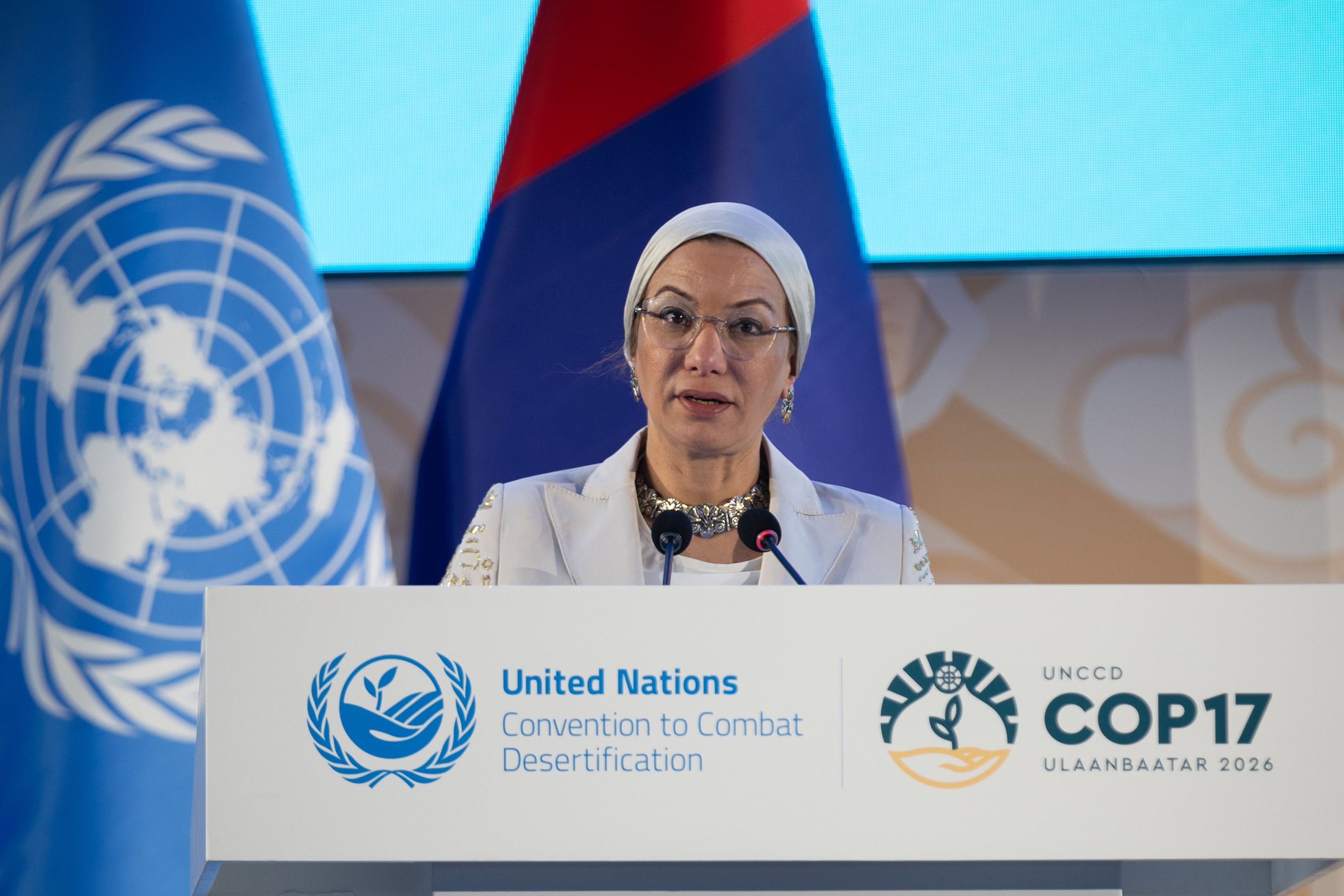
Ms Yasmine Fouad, Executive Secretary of the UNCCD
Ms Amina J. Mohammed, United Nations Deputy Secretary-General, representing UN Secretary-General António Guterres, reinforced this message: “Land is life, and land is livelihood.” She stressed that restoration must be supported through national programmes, sustainable investment, secure land rights and social protection. She also called for pastoralists, women and young people to be given meaningful opportunities to participate in and benefit from restoration. Her message was direct: communities cannot be expected to restore land if they do not have secure rights to use, manage and benefit from it. Women also need access to land, finance and decision-making because their leadership can transform restoration outcomes.
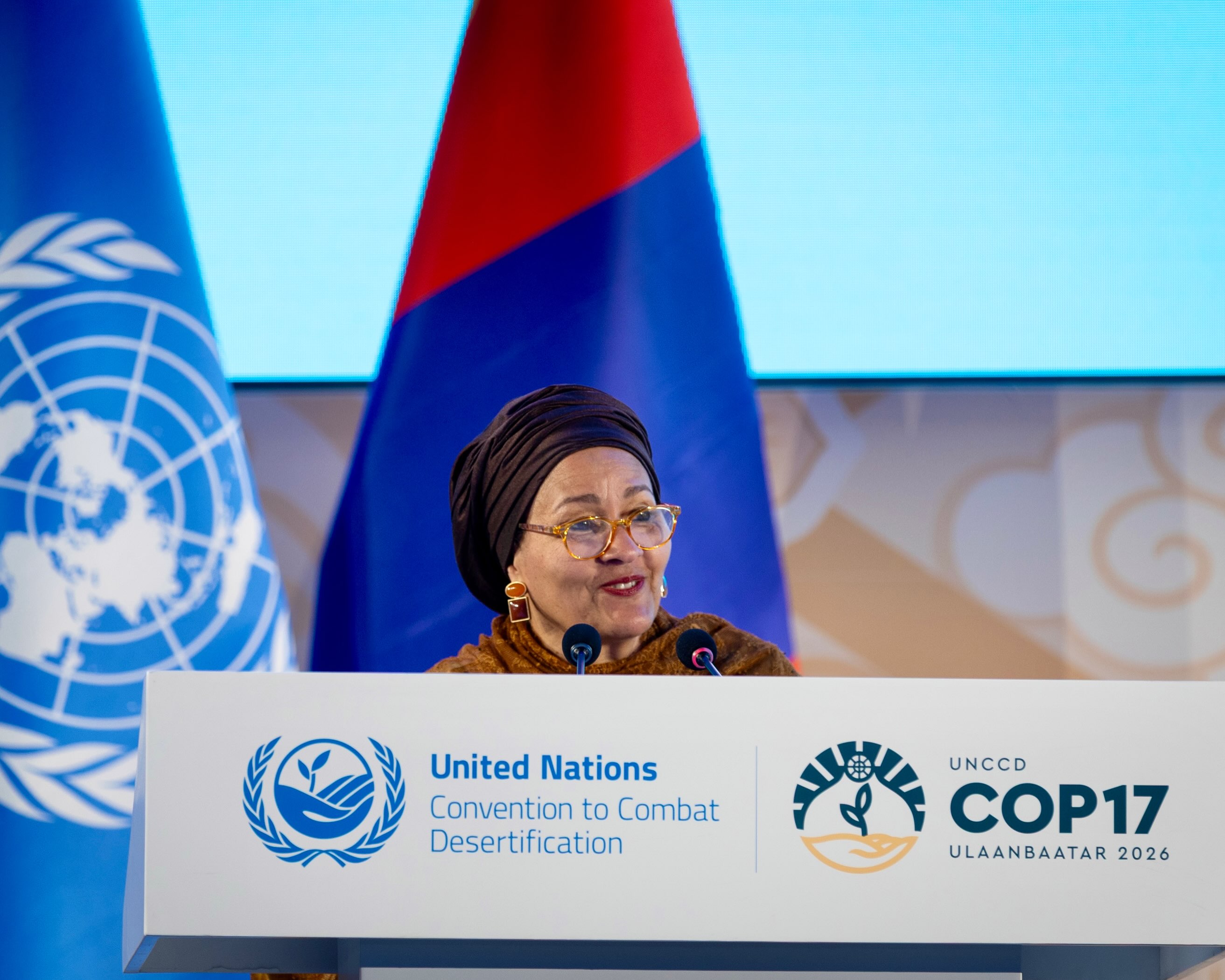
Ms Amina J. Mohammed, United Nations Deputy Secretary-General
Pastoralists were also highly visible during the opening. Representatives from around the world presented their priorities to the UNCCD leadership and reminded delegates that they are not passive users of rangelands. They are land stewards whose mobility, traditional knowledge and livestock-management practices have sustained these ecosystems for generations. As one message from the opening captured it: “Take care of the grass, and the grass will take care of the people.”
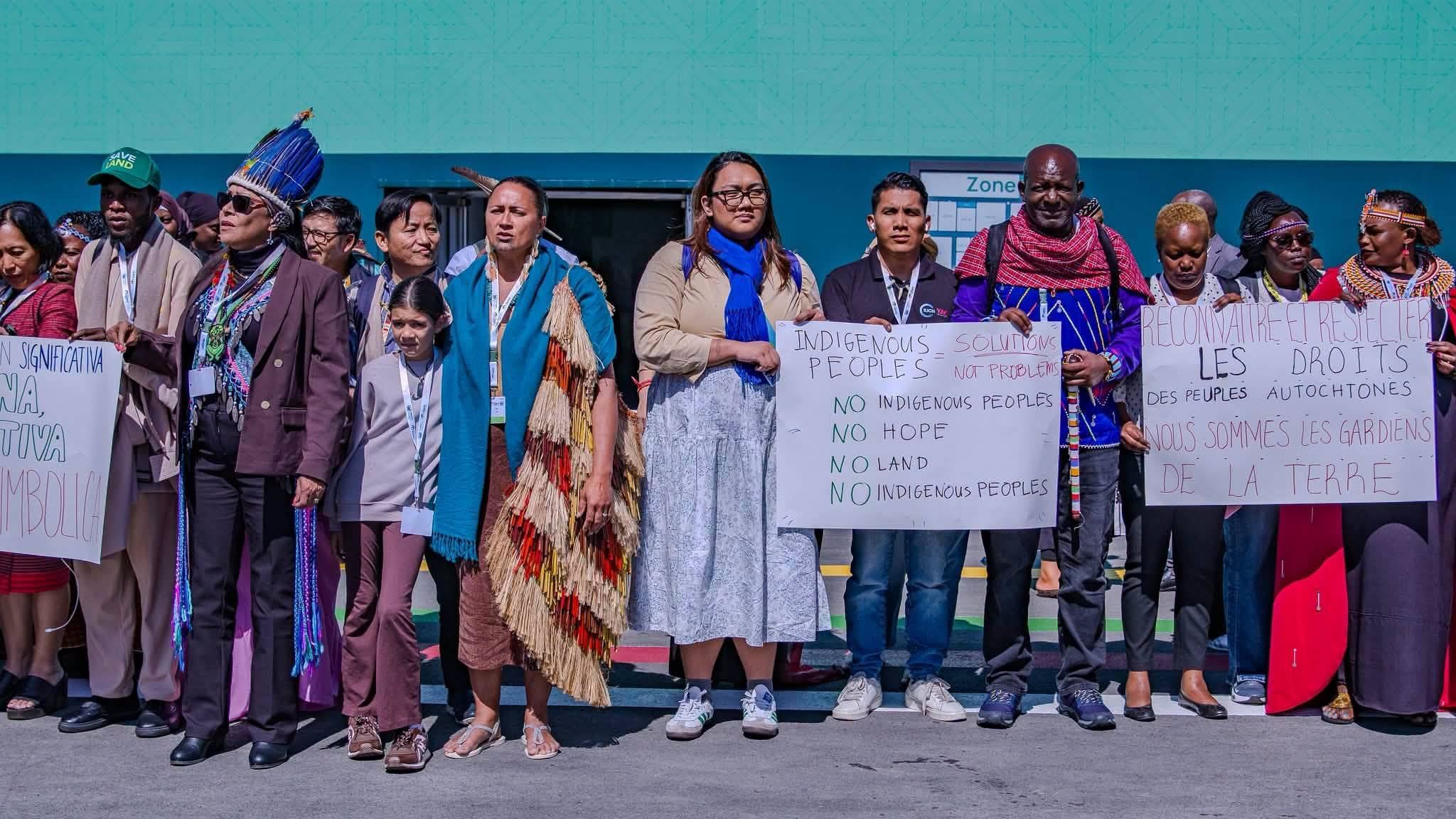
Pastoralists voices
Financing emerged as one of the conference’s defining priorities. Approximately USD 355 billion is needed annually to meet global land-restoration and drought-resilience commitments, but only about USD 77 billion is currently invested. This leaves an annual gap of approximately USD 278 billion. Private finance currently accounts for only about six per cent of investment in land restoration and drought resilience. COP17 therefore called for governments, development banks, investors and businesses to develop financing mechanisms that can move restoration projects from plans into implementation. However, the opening discussions made it clear that increasing finance alone will not be enough. The money must reach the pastoralists, farmers, women, young people and local institutions managing the land.
The opening messages strongly relate to the work of Herding for Health and the IKI Growing Greener Programme. Herding for Health demonstrates how planned grazing, improved livestock health, stronger community governance and sustainable market access can restore rangelands while improving livelihoods. Its approach reflects the message emerging from COP17: restoration must be designed with communities, supported by reliable evidence and connected to long-term finance.
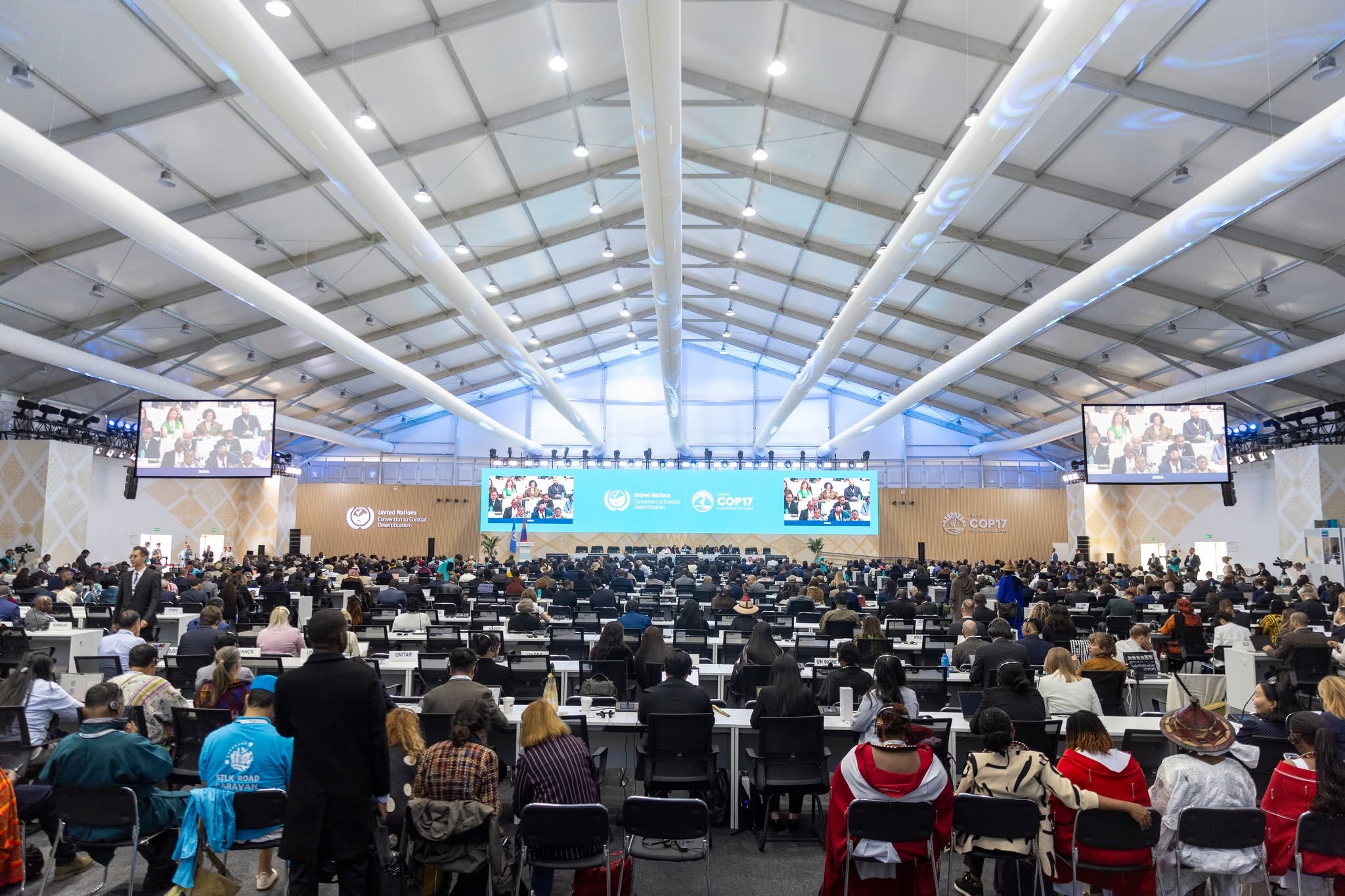
The opening of COP17 left delegates with a simple but powerful truth: degraded land weakens food systems, economies and communities, but restored land creates opportunity, resilience and hope. When land thrives, people thrive, and restoring hope must begin by restoring the land.
The IKI Growing Greener programme is funded by the German Federal Ministry for the Environment, Climate Action, Nature Conservation and Nuclear Safety through the International Climate Initiative (IKI). Its consortium partners are GIZ, CCARDESA, Peace Parks Foundation and Conservation South Africa.
https://www.ccardesa.org/ccardesa-herding-health-h4h-knowledge-management-project