The Centre for Coordination of Agricultural Research and Development for Southern Africa (CCARDESA), in collaboration with the Association for Strengthening Agricultural Research in Eastern and Central Africa (ASARECA), the International Livestock Research Institute (ILRI), and the International Center for Agricultural Research in the Dry Areas (ICARDA), recently hosted a landmark learning event focused on strengthening Community-Based Breeding Programs (CBBPs) for small ruminants in Eastern and Southern Africa.
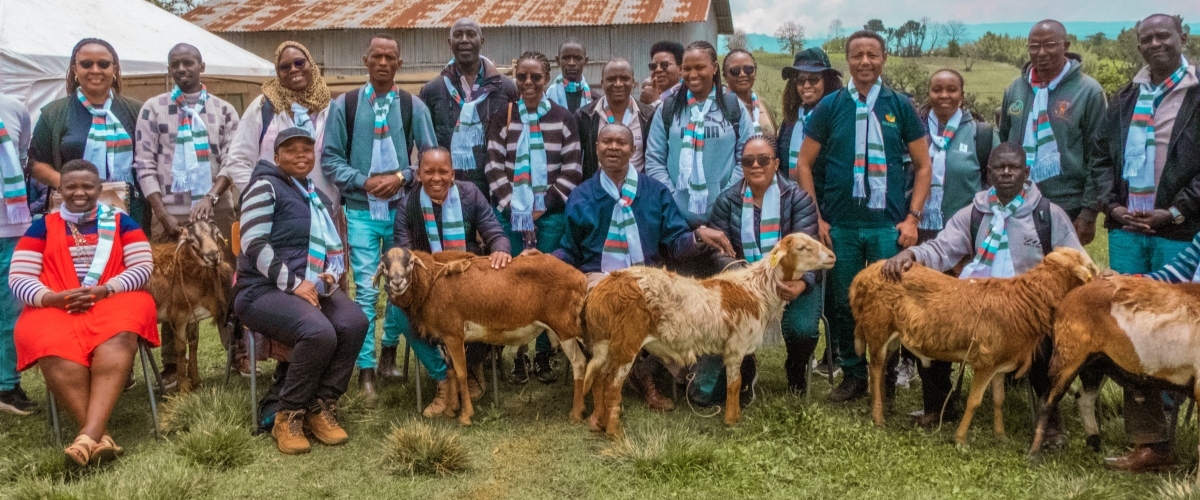
Held in Bonga, Ethiopia, from March 20 to 22, 2025, the event was conducted under the Accelerating Impacts of CGIAR Climate Research for Africa (AICCRA) project and brought together researchers, development partners, and grassroots farmers. The primary aim was to foster knowledge exchange and build capacity among women and youth to improve breeding strategies for goats and sheep, thereby increasing agricultural productivity and income in participating countries.
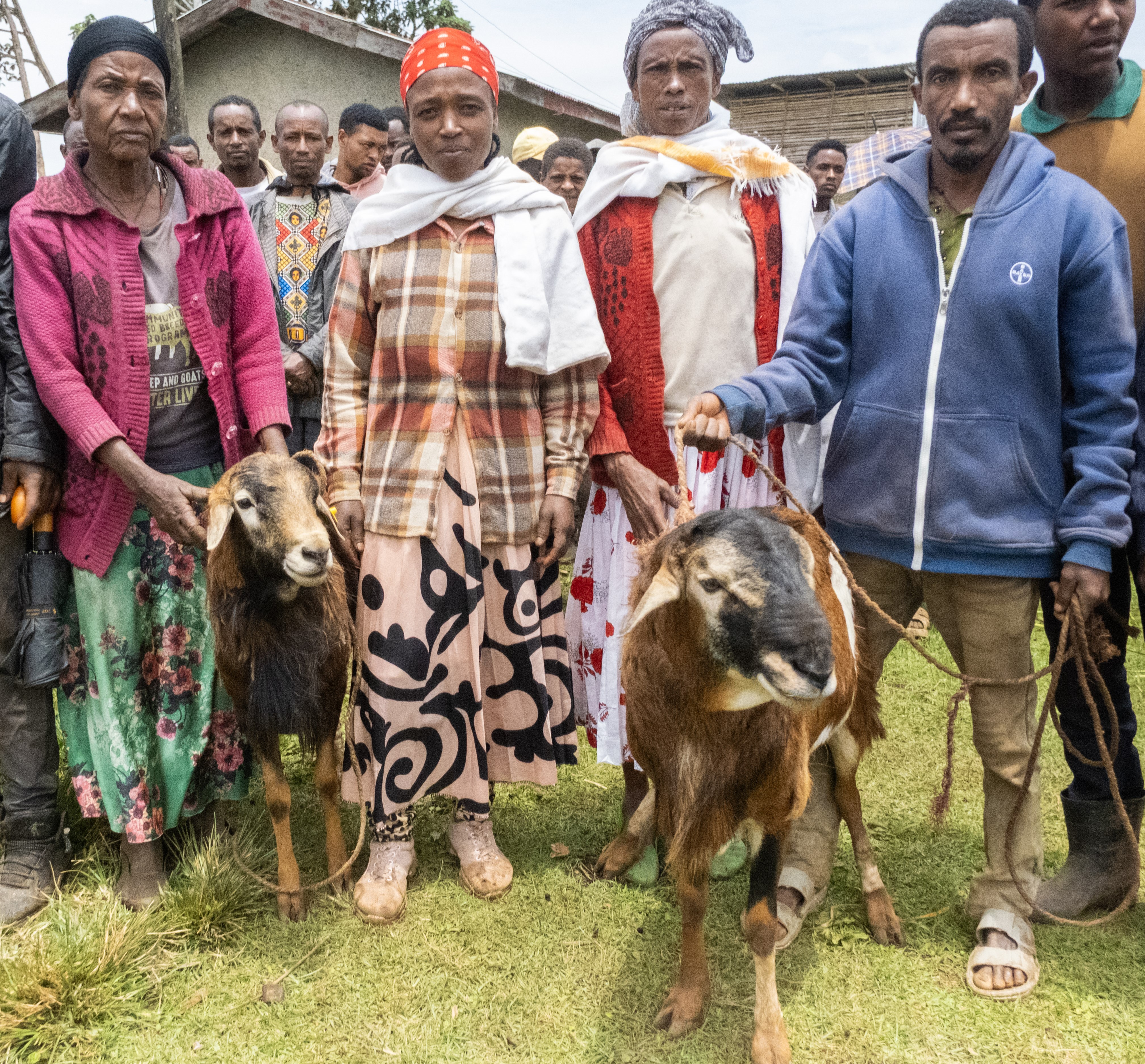
Participants from Botswana, Namibia, Uganda, Ethiopia, Kenya, and Burundi took part in the three-day event, with CCARDESA supporting six participants (five women and one man) from Botswana and Namibia. The initiative particularly emphasized empowering young and female farmers, groups that are often underrepresented in the livestock breeding sector.
"The project's theory of change is anchored on developing sustainable, profitable goat and sheep value chains that connect rural farmers to critical inputs, services, and markets," said Dr. Aynalem Haile, Senior Scientist at ICARDA and the Project Leader. "Based on lessons from previous interventions, we expect increased incomes, improved genetic quality, and stronger community-led breeding institutions."
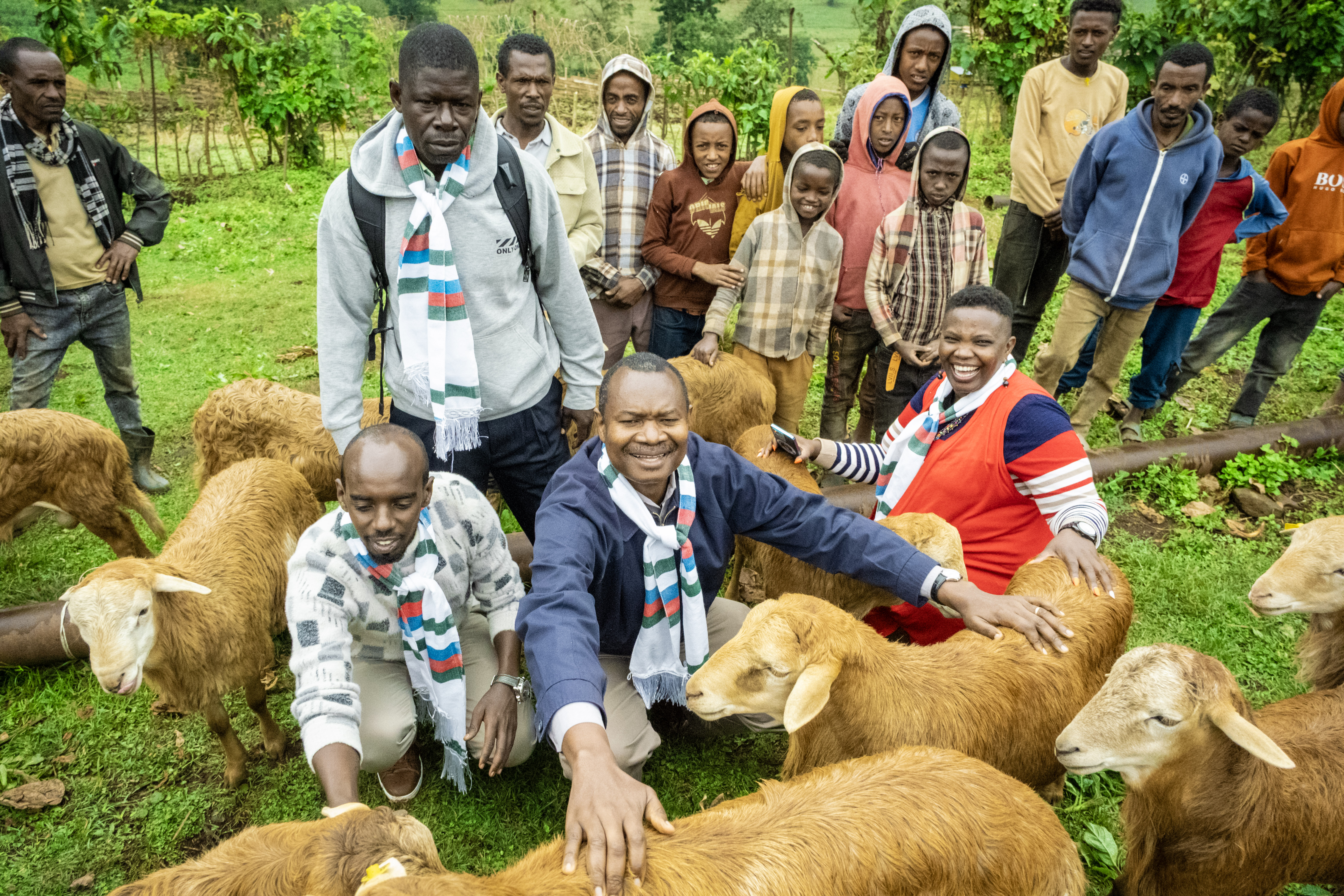
Adding to the discussion, Dr. Anna Okello, Livestock Systems Research Program Manager at the Australian Centre for International Agricultural Research (ACIAR), emphasized the importance of building on ICARDA’s successful experience with CBBPs. Investing in these proven models, particularly in Ethiopia, unlocks untapped potential in small ruminant farming. This work aligns with our broader goal of creating inclusive, resilient, and productive livestock systems,” she noted.
CBBPs offer a cost-effective, decentralized, and participatory approach to improving the genetics and performance of small ruminants in low-resource settings. Developed collaboratively with farming communities, these programs ensure local ownership and long-term sustainability. Farmers work alongside experts to define breeding goals, collect data, and select the best-performing animals, primarily rams and bucks to drive genetic improvement within their flocks.
Through this initiative, CCARDESA and ASARECA aim to scale up the adoption of climate-smart livestock technologies and strengthen the capacity of member states to implement CBBPs tailored to their local needs. The insights gained will feed into future regional programs designed to improve livelihoods, food security, and climate resilience.
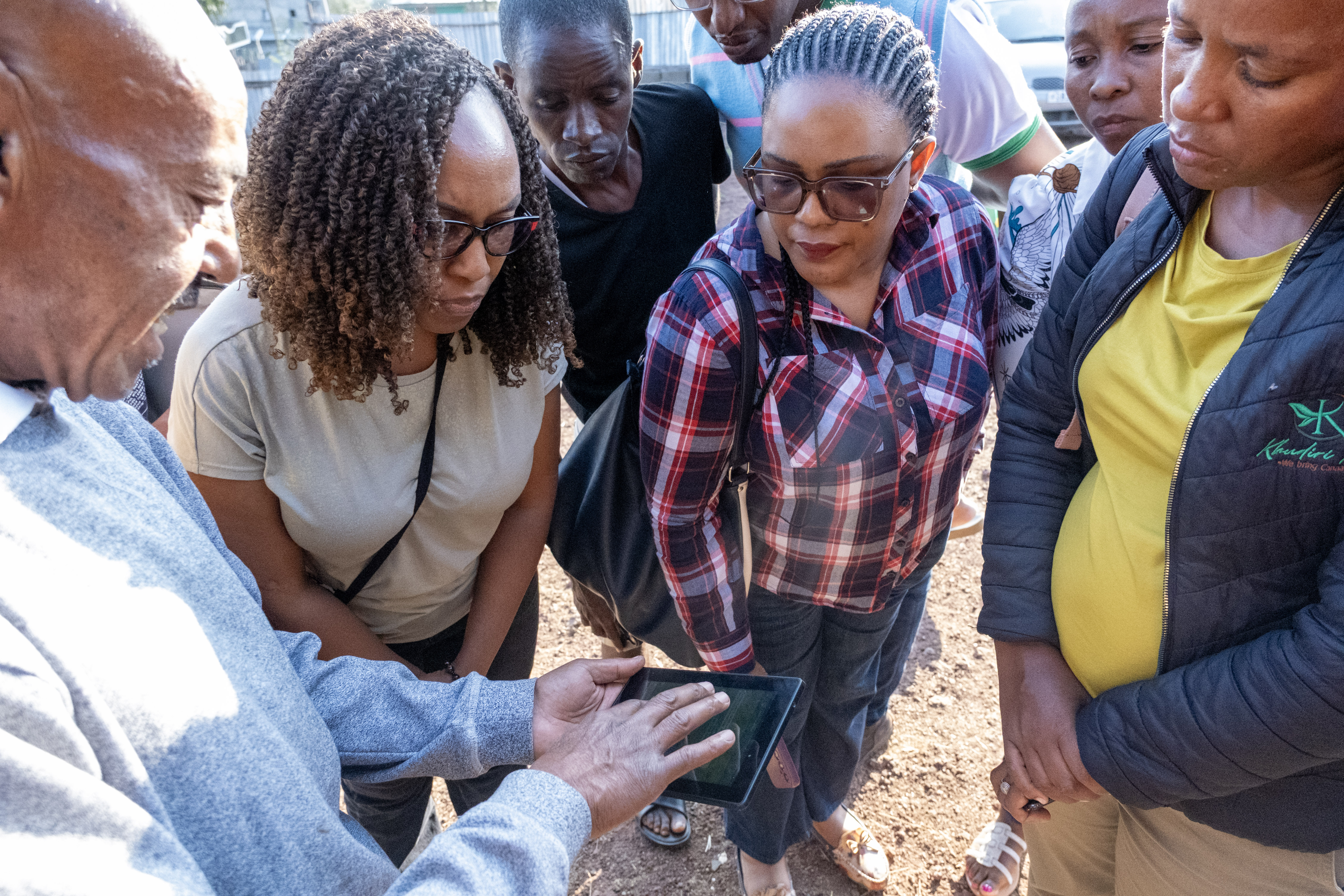 Reflecting on the impact of the event, Ms Futhi Magagula, who participated in the learning exchange, described it as the beginning of deeper collaboration between regions. “This visit has laid the foundation for ongoing learning and partnership. Continued participant interaction will be key to sustaining momentum and applying these lessons back home. We are optimistic about hosting a similar event in the SADC region in the near future,” she said.
The event reinforced the importance of regional cooperation and practical, farmer-driven solutions in transforming livestock systems across Africa, starting with the people who matter most: the farmers themselves.