
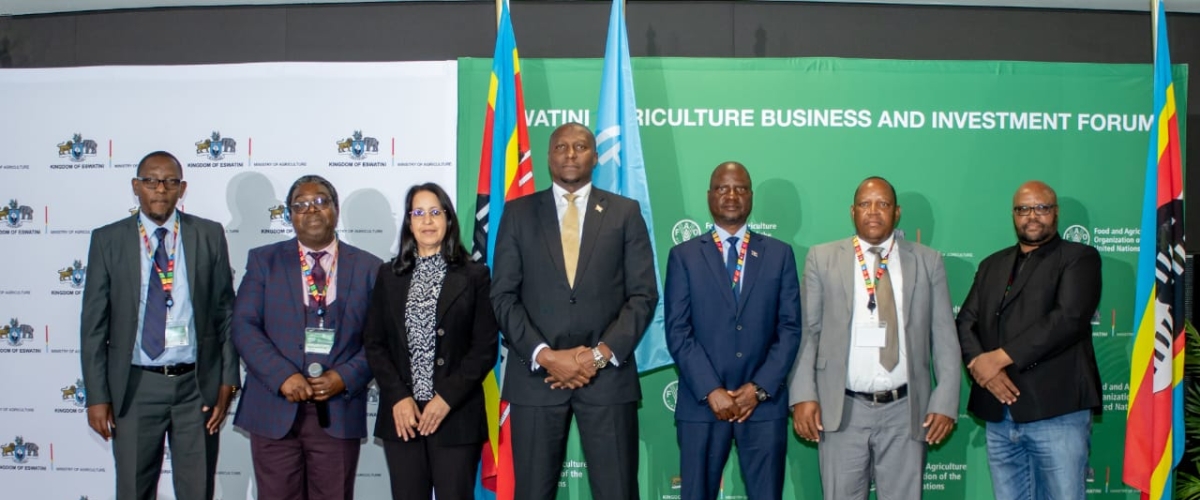
The Kingdom of Eswatini convened its second Agriculture Business and Investment Forum at the Happy Valley Hotel, under the theme “Mobilizing Investments in Agri-Food Systems and Youth Empowerment for Food Sovereignty. ”The two-day event brought together more than 200 participants from government, the private sector, development partners, farmers’ organizations, and civil society to chart a path towards an inclusive, resilient, and competitive agricultural sector.
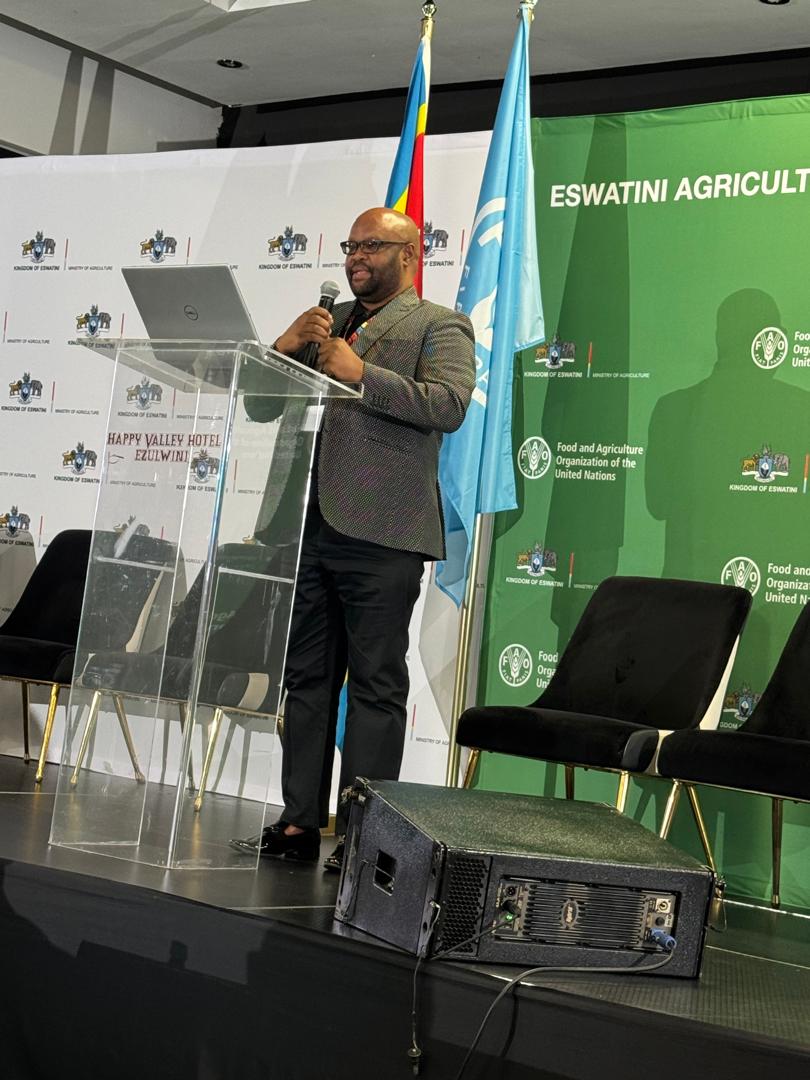
Delivering the opening remarks, Dr. Cliff Dlamini, Executive Director of the Centre for Coordination of Agricultural Research and Development for Southern Africa (CCARDESA), commended the Government of Eswatini for prioritising agricultural transformation as a driver of economic growth and youth empowerment. He called on stakeholders to invest in innovation, research, and value chain development, stressing that “strategic investments in agriculture are essential not only for food sovereignty but also for creating jobs, building climate resilience, and enhancing trade within and beyond the region.”
His Excellency the Rt. Honourable Prime Minister, Russell Mmiso Dlamini, reaffirmed the government’s commitment to enabling business and investment through policy reforms, infrastructure development, and partnerships. He highlighted the “Nkwe” mandate to end hunger and poverty, urging stakeholders to sustain momentum: “The pledges and support we are looking forward to are not only limited to finance but can include technical support and any material resources that would add value to the sector.”
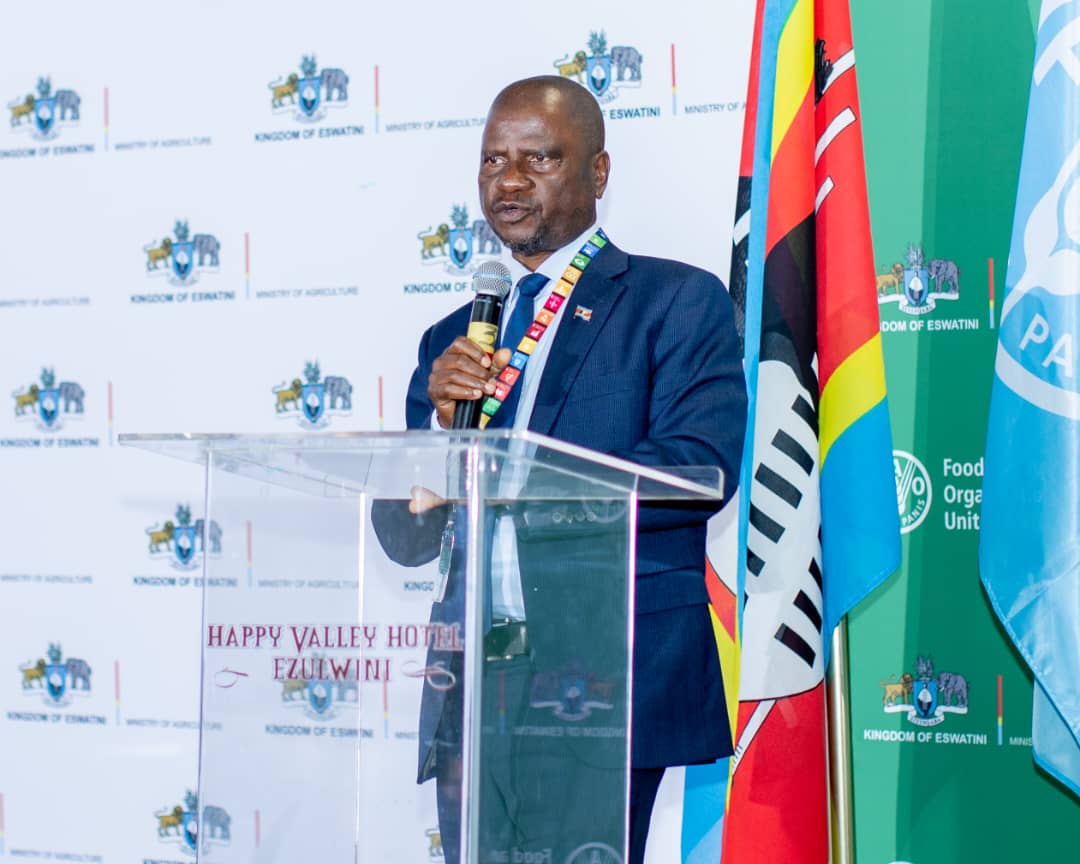
FAO Subregional Coordinator for Southern Africa, Patrice Talla, praised Eswatini’s establishment of the Eswatini Agricultural Development Fund (EADF) as a pioneering model for de-risking agricultural investments. “We call upon multilateral and private sector partners to support the EADF, which provides catalytic financing for smallholder farmers, farmer organizations, and value chain development,” he said, citing the Fund as a model for replication in other countries.
UN Resident Coordinator, George Wachira, urged the country to leverage the African Continental Free Trade Area (AfCFTA) to expand markets, reduce post-harvest losses, and drive rural infrastructure development. He called for “aligning national systems and policies, developing home-grown financing and investment solutions, and carving market niches in regional and global markets”.
As a keynote presenter, Dr. Dlamini also outlined CCARDESA’s mandate and work in coordinating agricultural research and innovation in the SADC region. He showcased regional initiatives such as the Herding for Health programme, the Food Systems Resilience Programme, and the Regional Soil Health and Fertilizer Hub, which are equipping smallholder farmers with climate-smart technologies, strengthening value chains, and promoting gender and youth inclusion.
Prof. Cliff Dlamini, highlighted the organisation’s achievement of developing and making available over 360 agricultural technologies and management practices across the SADC region, ranging from climate-smart agriculture innovations to improved seed varieties and soil health solutions. He stressed the critical role of Information, Communication, and Knowledge Management (ICKM) focal point persons in ensuring these technologies are effectively disseminated, adopted, and adapted to local contexts in their respective countries, noting that “the real impact of our work lies not just in developing technologies, but in ensuring they reach farmers and drive transformation on the ground.”

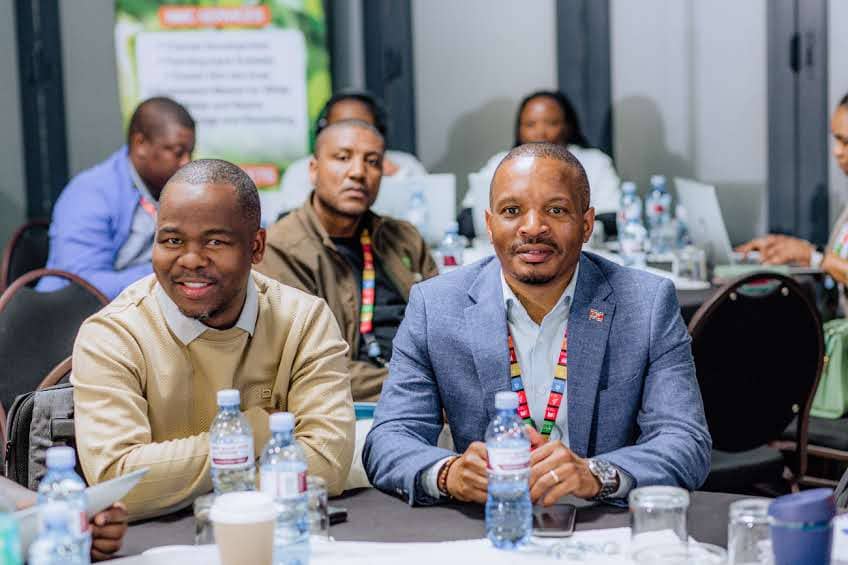
The Agriculture Business and Investment Forum aims to rally all stakeholders in agricultural financing to partner and participate in increasing resources for the sector, while fostering membership in the national Agricultural Investment Platform. Specific objectives include: providing updates on the Eswatini National Agricultural Investment Plan (ENAIP) and related initiatives; facilitating high-level dialogue on financing the sector—including youth-focused investments; and securing partnerships for sustainable financing towards food sovereignty.
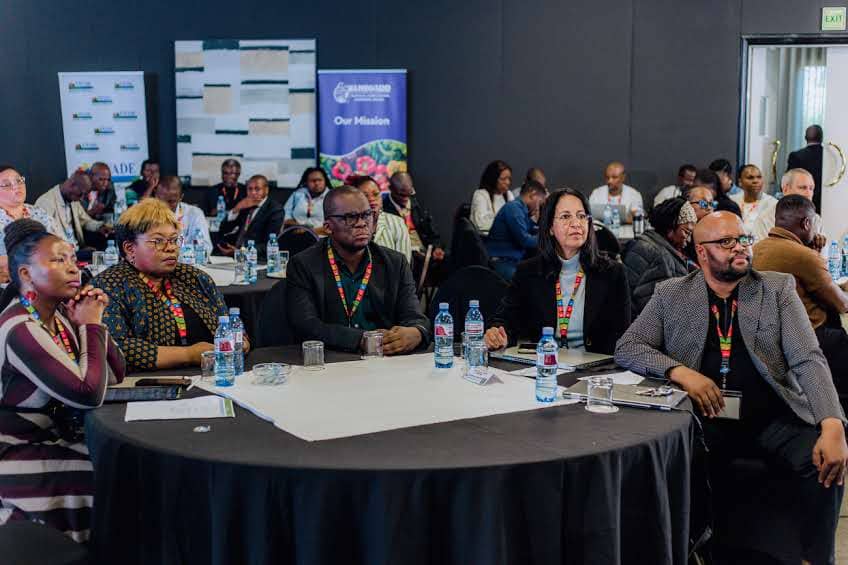
The Forum concluded with renewed commitments from government, private sector players, and development partners to advance strategic investments, strengthen public–private partnerships, and empower youth to lead the next wave of agricultural innovation. “The outcomes of this occasion will have significant impacts on the future of agriculture and the economy of this country,” Prime Minister Dlamini affirmed.