By Mark Ndipita
For decades, rice farmers in Malawi, particularly in the northern lakeshore districts of Karonga and Nkhata Bay have battled low productivity due to reliance on inferior seed varieties. Many households planted recycled seed season after season, exposing their crops to pests, diseases, and poor yields that trapped farming families in cycles of poverty.
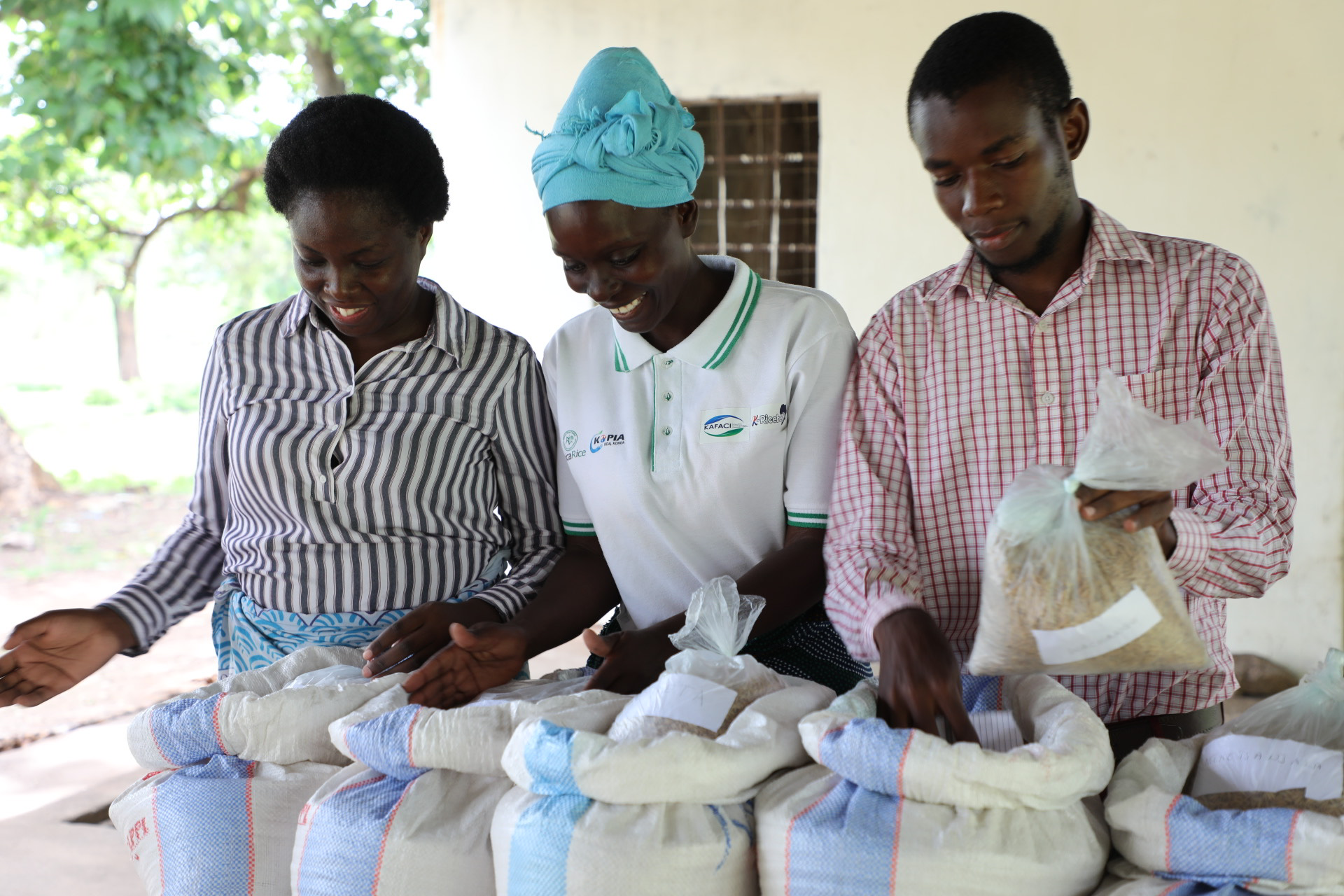
That story is beginning to change. Through adaptive research led by the Department of Agricultural Research Services (DARS), in partnership with the Department of Agricultural Extension Services (DAES) and supported by the Malawi Food Systems Resilience Programme (MFSRP), rice farmers are discovering the potential of new, high-performing seed varieties tailored to local conditions.
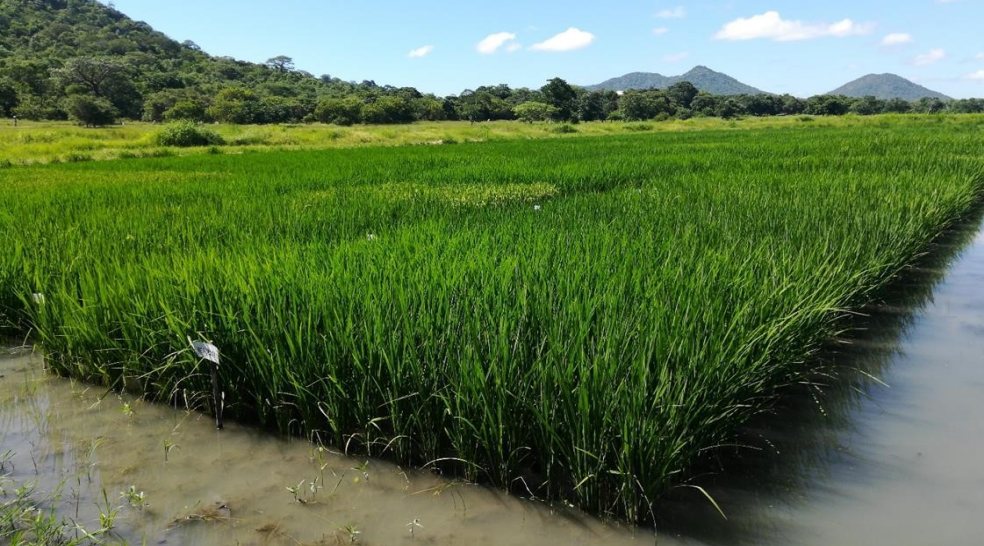
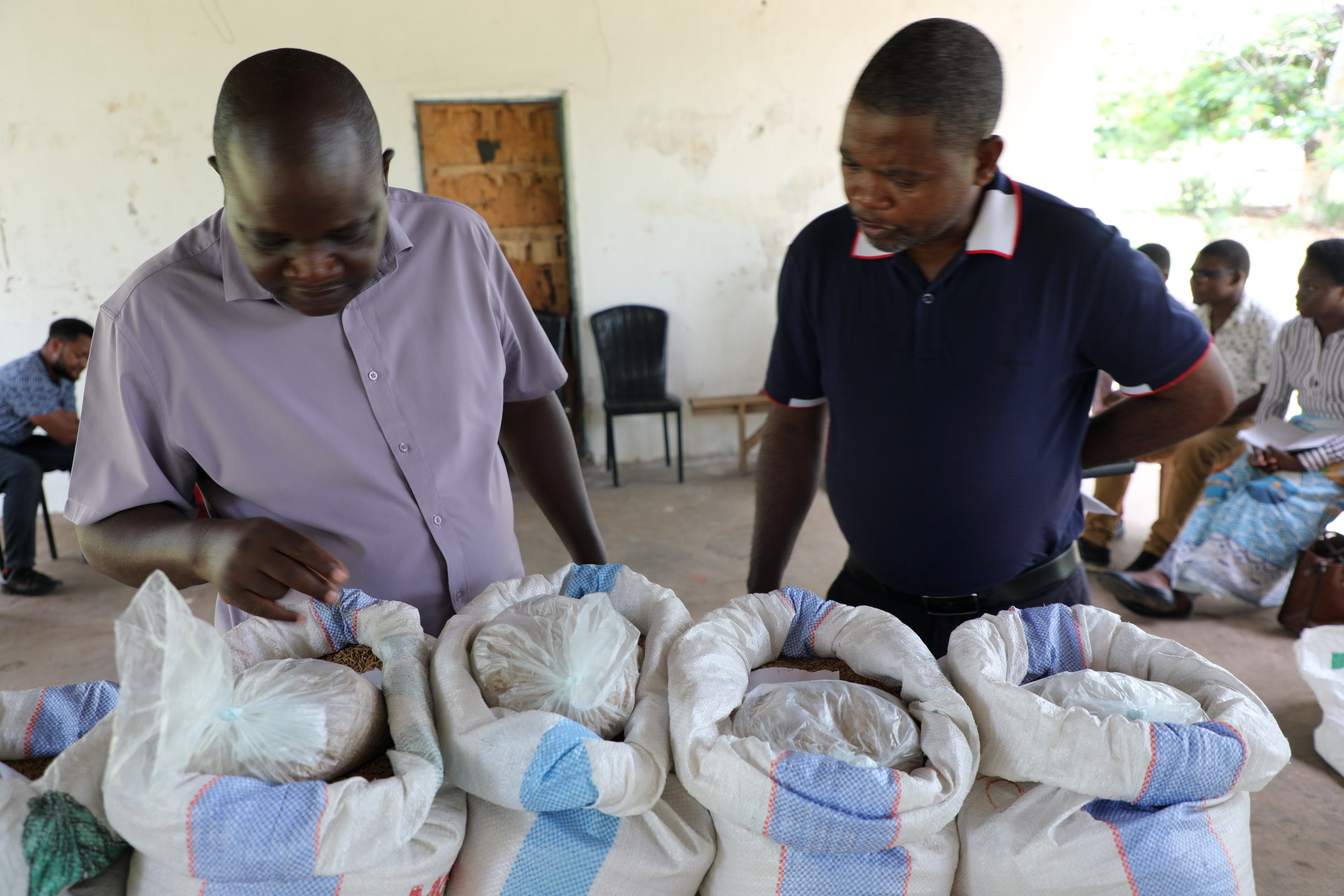
In 2024, DARS launched adaptive research trials in three major irrigation schemes: Wovwe and Hara in Karonga District, and Mkondezi in Nkhata Bay. The aim was both scientific and practical: to test improved rice varieties in real farmer fields, gather direct feedback from communities, and promote varieties that could withstand climate shocks while delivering higher yields.
“After producing the varieties, we shared them with farmers for feedback. They confirmed exactly what we anticipated that these rice varieties are early maturing, high yielding, and resistant to pests and diseases. This is the kind of innovation that empowers farming households and builds resilience.”
The varieties under evaluation included Mpheta, Wachangu, Mtupatupa, Kaingamalo, Makafasi, Kudya (V2), and Mthetsanjala (V9) all developed locally by Malawian scientists at DARS.
 |  |  |
Susan Chikagwa Malunga is the Deputy Director of DARS. She explained the process:
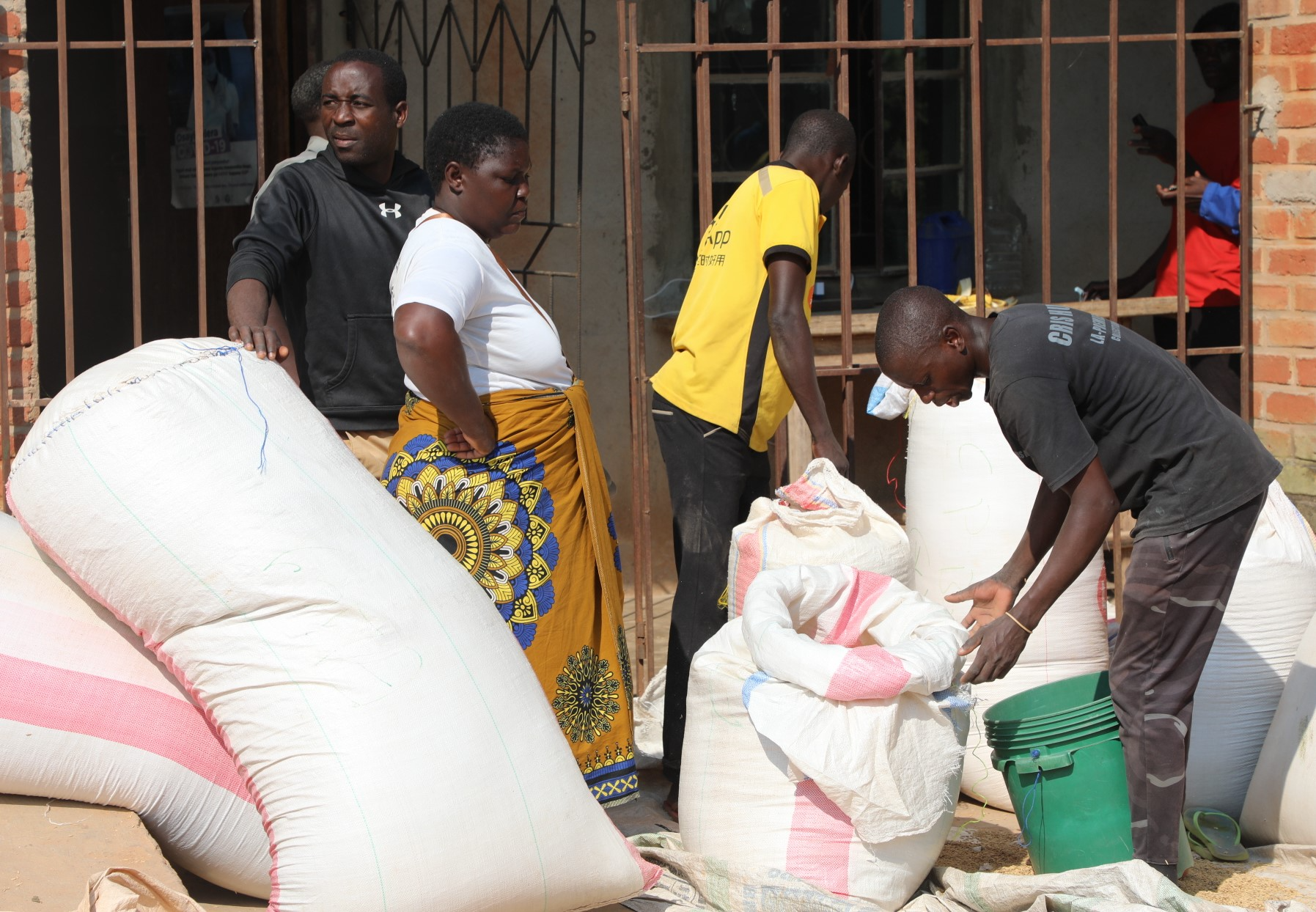
For farmers on the ground, the change is already tangible. During a recent monitoring and evaluation visit, rice growers voiced their excitement over the transformation.
Sauzande Mwale, Vice President of Wovwe Irrigation Scheme in Karonga, describes the difference the new seeds are making.
He says, “For years, we struggled with recycled seeds that gave us poor yields. With these new varieties, we will increase production, improve our income, and finally move away from the poverty trap. This is more than farming, it is social and economic transformation.”
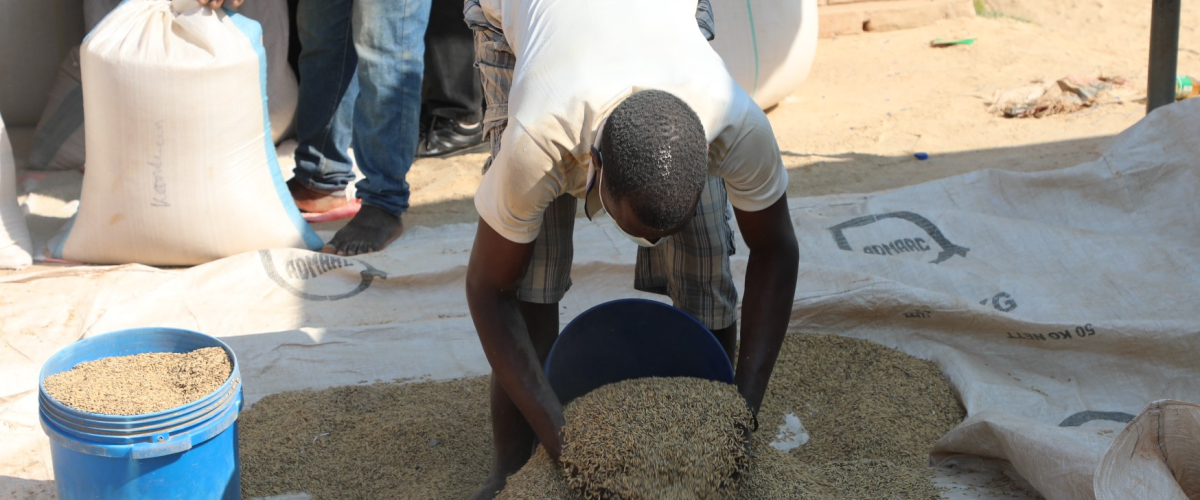
With early maturing varieties, farmers can now harvest rice in less time, opening the possibility for multiple cropping cycles each year. This directly enhances household food security while generating surplus for local and regional markets.
The MFSRP views strong, reliable seed systems as central to transforming agriculture in Malawi. Nicholas Mkandawire is the Monitoring and Evaluation Specialist for the Programme and he emphasized this point.
“Our goal is to help farmers shift from subsistence farming to commercial farming. That requires high-yielding, climate-smart varieties that guarantee food security while producing surplus for sale. By working with DARS, we are ensuring that farmers access varieties that withstand climate change while boosting productivity,” he said.
Mkandawire added, “Resilient seed varieties are the foundation of commercialization. They give farmers confidence to compete in markets and build stronger rural economies.”
Rice is increasingly important to Malawi’s food basket and economy. As production improves, the benefits ripple across the value chain supporting farmers, traders, processors, and consumers alike.
Beyond income, rice contributes to better nutrition, particularly in rural communities where dietary diversity remains a challenge.
Farmers in Karonga and Nkhata Bay are no longer just growing rice, they are cultivating opportunities for prosperity and resilience.
“This is not just about seed. It is about hope, and the power to build better lives for our families,” explained Mwale.
With the Malawi Food Systems Resilience Programme strengthening the bridge between science and practice, rice farmers in northern Malawi are setting the stage for a more secure, commercialized, and climate-smart future.