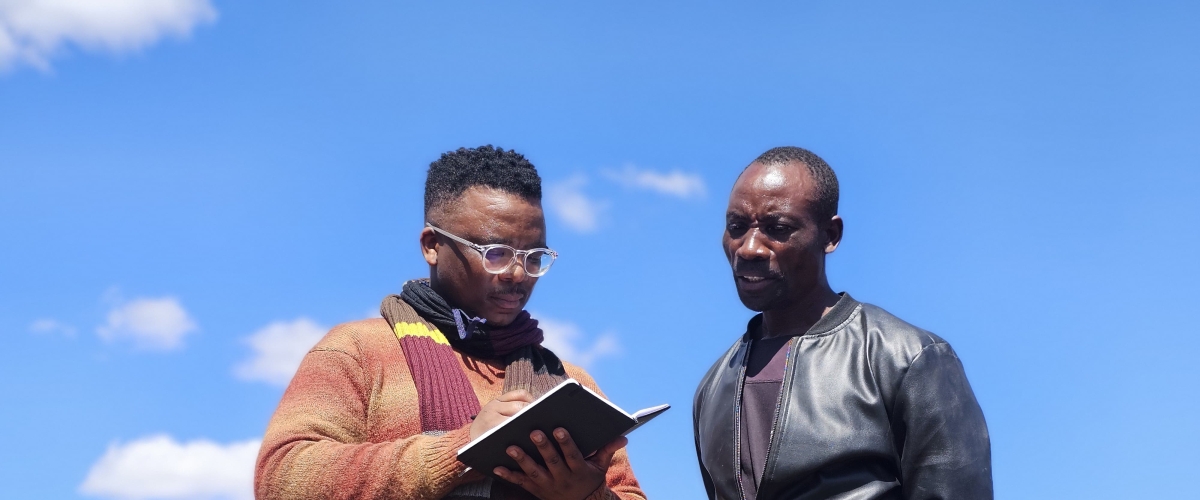
By Prince Mtsweni
In the heart of Zambia’s Southern Province, within the Kazungula District, lies Sikaunzwe, a grazing area transformed by a steady and impactful shift towards sustainable livestock farming. This transformation is being led by the Herding for Health (H4H) initiative, a regional rangeland management programme that combines environmental conservation with improved livestock production. What makes this initiative particularly remarkable is how it centres community knowledge, climate resilience, and women’s empowerment.
On a recent field visit, I was struck by the visible impact this project has had. Farmers, many of whom had previously faced challenges with overgrazing and land degradation, now demonstrate strong commitment and understanding of how to use the land sustainably. This transformation followed targeted training sessions on rotational grazing, natural soil regeneration, and low-stress animal handling.
What stood out most during the visit was the conviction in the voices of the farmers themselves. After receiving training on sustainable land use, they are now applying traditional practices in a modern, informed way. One farmer summed up this shift beautifully: “Before this training, we didn’t know the grass needed time to grow again. Now we see how healthy our land is becoming.”
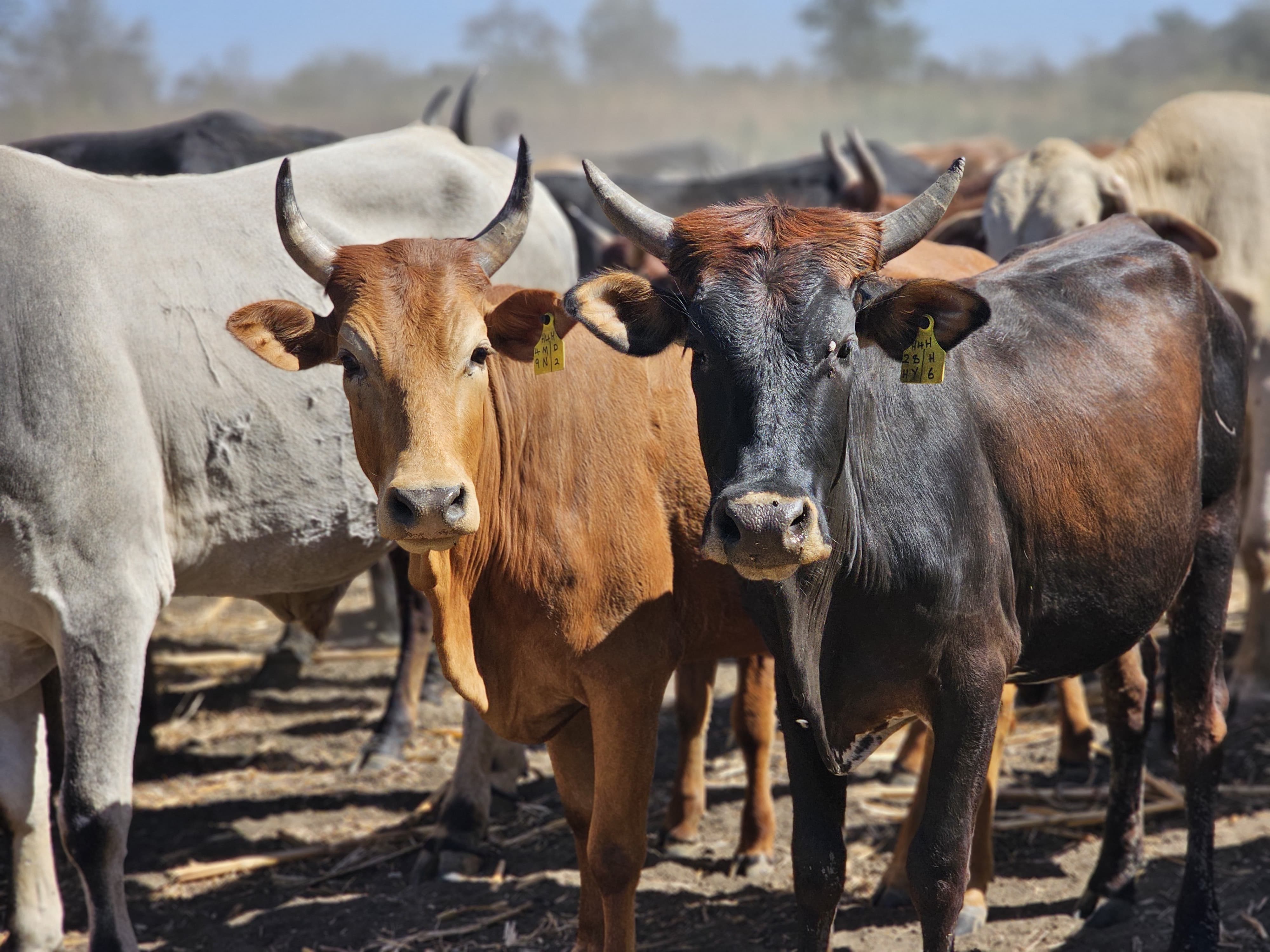
At the core of the programme is the simple, yet effective practice of rotating cattle bomas, mobile livestock enclosures, every seven days. This gives the land time to recover and allows grass to regenerate. The cow dung left behind naturally fertilises the soil, making this system a low-cost, eco-friendly solution for restoring degraded grazing lands.
The H4H programme, driven by a hands-on collaboration between CCARDESA, GIZ, Conservation International, and the Peace Parks Foundation, equips farmers not only with technical knowledge but also with record-keeping skills to better manage disease, theft, and grazing schedules. Farmers now know what goes into the boma, what leaves, and what supplementary feed is required, enabling greater traceability and productivity.
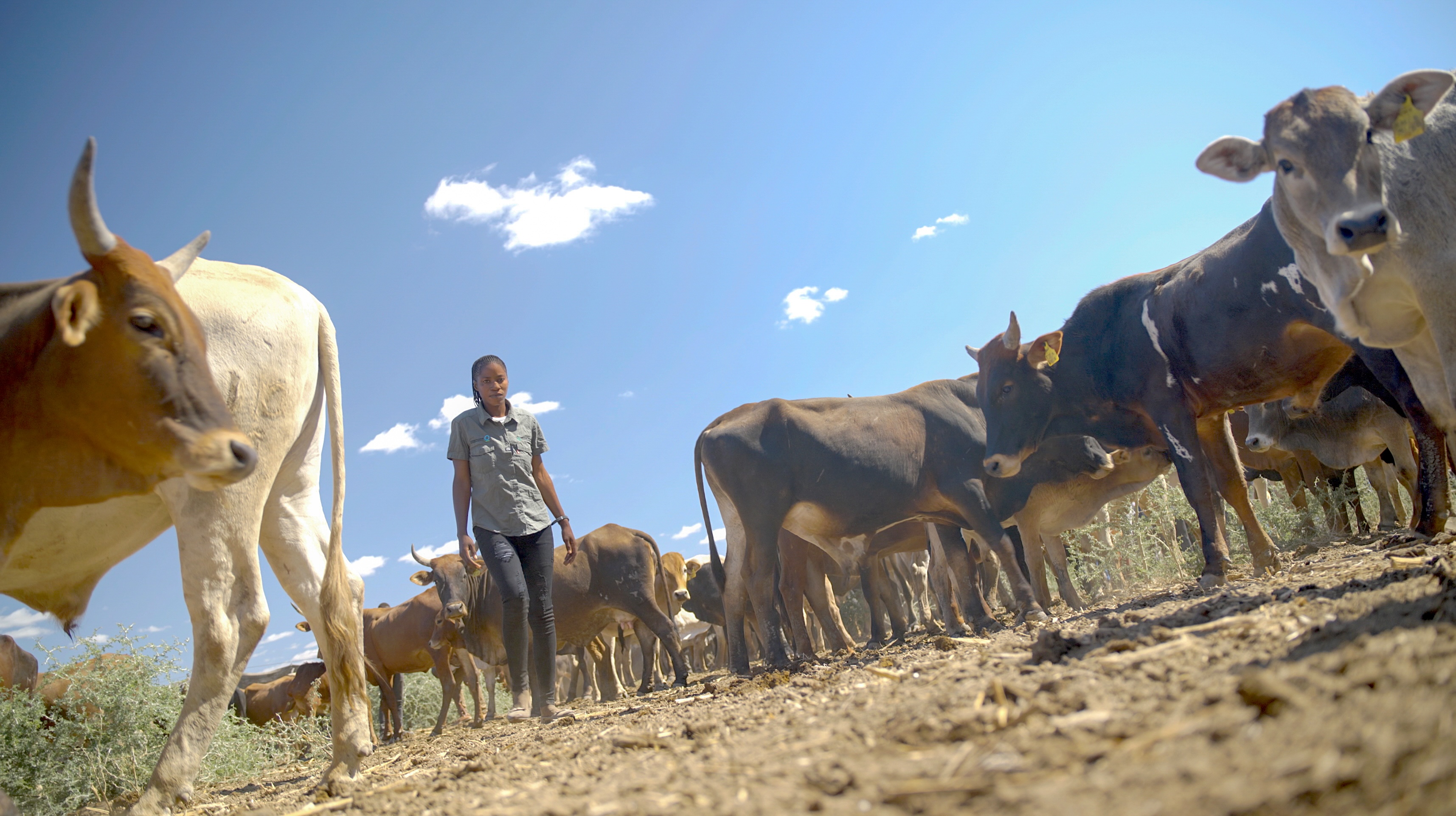
This inclusion of women is not symbolic, it is practical and transformative. Women like Precious are leading by example, showing that gender inclusion in land and livestock management is not only fair but essential for rural development. Their leadership helps shift traditional gender norms, while also strengthening food security and income at the household level.
Climate change, which continues to affect Southern Africa with unpredictable rainfall, prolonged droughts, and rising temperatures, is very real in this community. According to the World Meteorological Organization (2024), Southern Africa experienced temperature increases of up to 1.5°C above average, with agricultural productivity already declining in many parts of the region. In this context, the H4H programme becomes even more crucial, helping farmers adapt and build resilience in the face of climate shocks.
Thanks to farmer-to-farmer knowledge sharing, healthy cattle raised with low-stress techniques, and improved environmental stewardship, Sikaunzwe is emerging as a beacon of what’s possible in rural rangeland management. Moreover, off-takers, those purchasing livestock, now come directly to the kraals, selecting animals in good health, which boosts income for small-scale farmers.
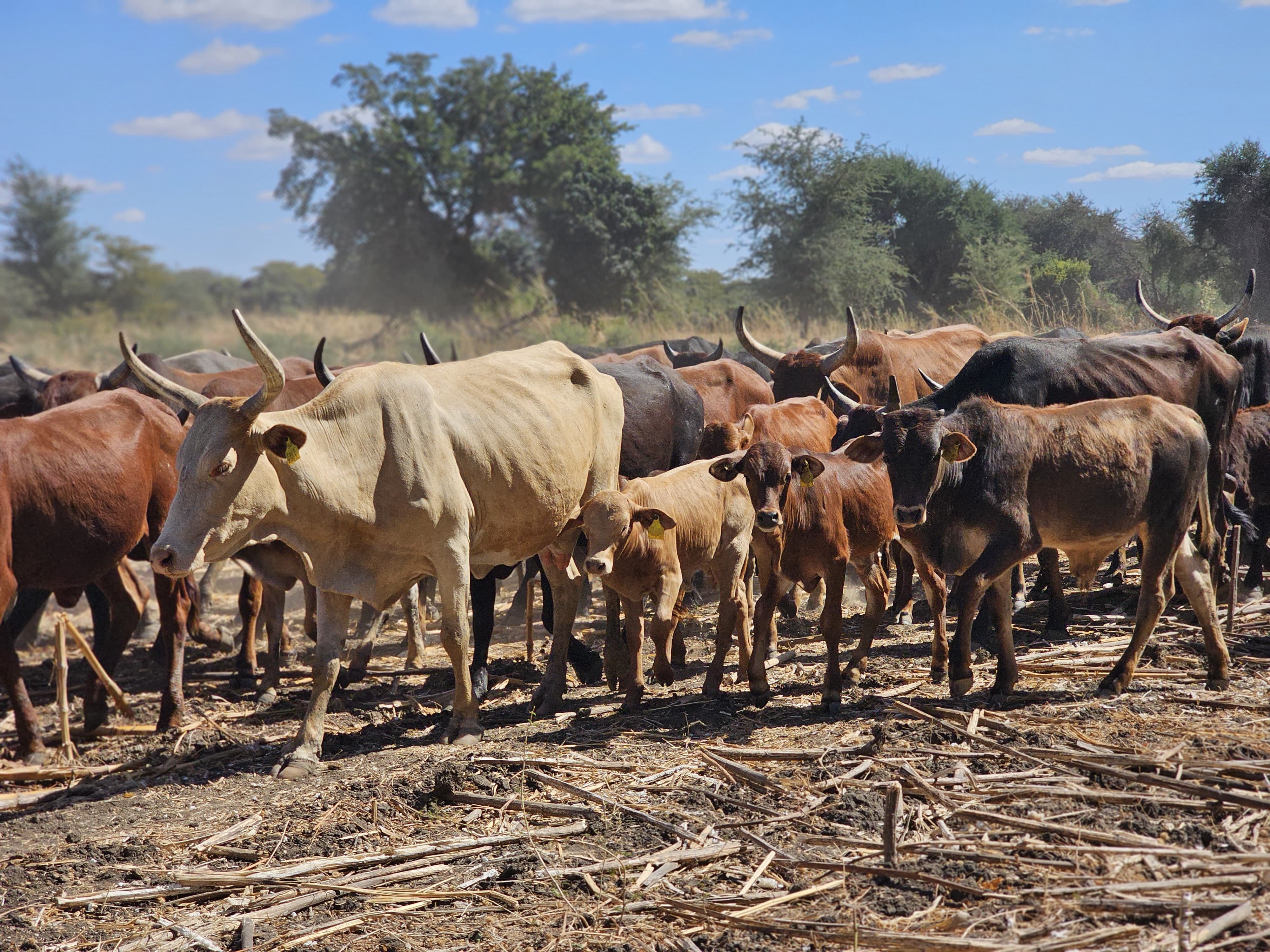
Herding for Health has plans to scale this initiative across the SADC region. With its proven results in improving land productivity, enhancing animal welfare, and fostering inclusive rural economies, the programme holds immense potential for climate-smart agriculture at scale.
In Sikaunzwe, the land is healing, communities are thriving, and women are rising. Herding for Health is more than a livestock programme, it’s a movement grounded in sustainability, dignity, and hope. Caring for the land and preventing its degradation is not the responsibility of one person alone, but a shared commitment we all must embrace.
This is not just a local success, it’s a model for the future. As Herding for Health looks to expand across the SADC region, the potential to rehabilitate millions of hectares of land is clear. What began in Kazungula offers valuable lessons for the entire region, that when communities are empowered with knowledge, when women are included, and when nature is respected, sustainable agriculture becomes not only possible but inevitable. The healing of the land is a shared responsibility, and Sikaunzwe is showing us the way forward.
The author is a Principle Communications Officer Ministry of Agriculture-South Africa