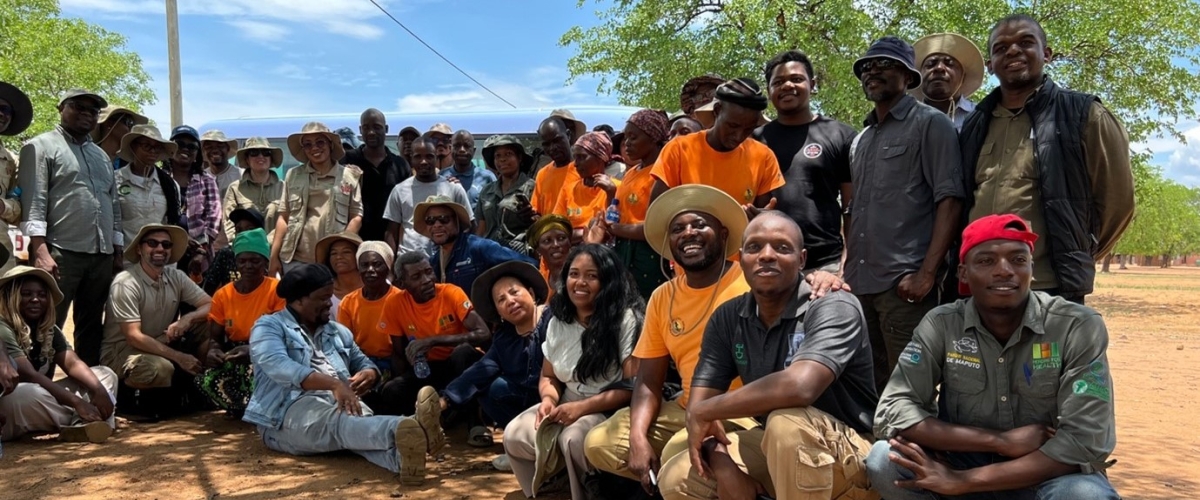
The 2025 Herding for Health (H4H) Learning Exchange Programme brought fresh momentum to regional rangeland restoration efforts as partners implementing H4H from Botswana, South Africa, Madagascar, Kenya, Angola, Zambia, Mozambique, and Zimbabwe convened in Massingir, Mozambique. Hosted in the vast and scenic Limpopo National Park, the four-day engagement created an energetic space for shared learning, reflection, and strengthened coordination across H4H landscapes.
The programme opened with powerful remarks from H.E. Sérgio Costa, District Administrator of Massingir, who underscored the centrality of sustainable rangeland management to community resilience.
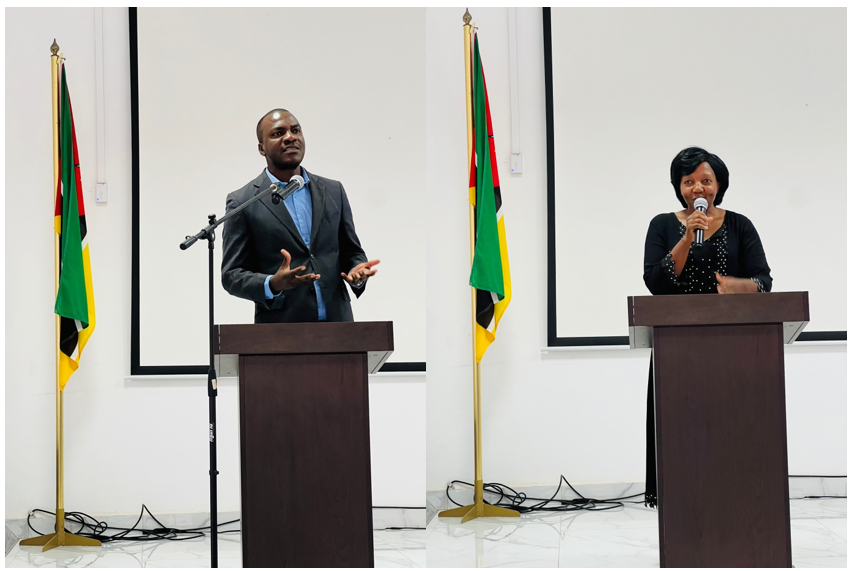
“Sustainable rangeland management is not just an environmental responsibility; it is the foundation of our communities’ livelihoods. By protecting and managing our natural resources wisely, we secure a better future for our people and the generations to come.”
Welcoming participants from across the region, Ms. Zvikomborero Tangawamira, Senior Program Manager for the H4H Programme, highlighted the collective commitment to stronger collaboration and meaningful impact.
“We are honoured to bring together partners, community representatives, and technical experts who share a commitment to strengthening rangeland management across the region. I look forward to the insights, learning, and shared progress that will emerge from this engagement.”
Day two shifted into high gear with immersive field-based learning sessions. Participants explored practical demonstrations on grazing planning, animal health interventions, conservation agriculture, and governance systems that underpin successful H4H implementation. These hands-on experiences deepened technical understanding and encouraged cross-country exchange of best practices.
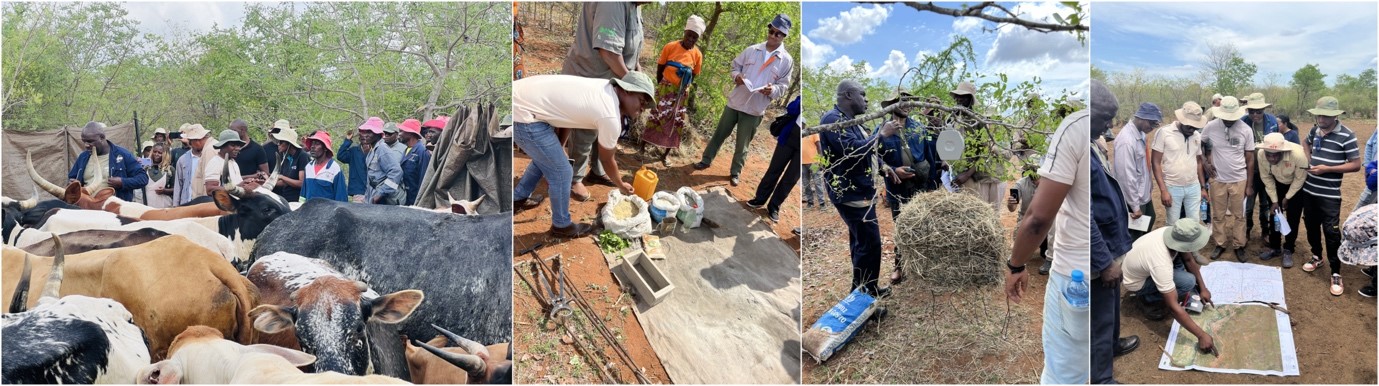
The third day centred on monitoring, evaluation, and learning (MEL), offering participants a chance to engage with tools used to assess landscape health and programme progress. Demonstrations included fixed-point photography, soil sampling, and rangeland condition monitoring. Lively discussions followed, covering coexistence between livestock and wildlife, water augmentation, gender integration, sustainable financing models, and improved market access for communities.
Mr Martin Leinweber underscored the importance of taking a closer, more analytical look at the programme indicators to ensure they are feasible, realistic, and aligned with conditions on the ground. He noted that well-designed indicators are essential for tracking real progress and demonstrating credible results. “We need to interrogate the indicators to see if they are truly feasible; only then can we measure impact with confidence,” he emphasized.
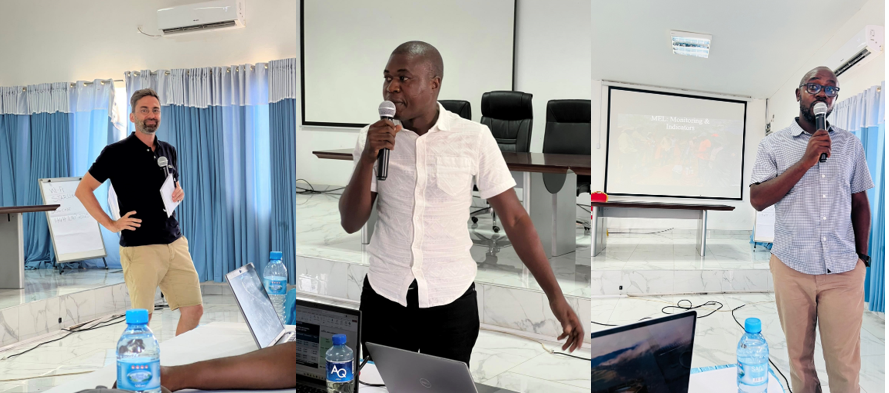
Mr Leinweber commended collaborative learning and exchange during the visit, highlighting how such engagements create opportunities for consortium partners to reflect openly on challenges, share experiences, and co-develop practical solutions. He stressed that “these conversations strengthen implementation and promote transparency,” helping to build a programme that is more responsive, accountable, and impactful for the communities it aims to serve.
Dr. Misheck Musokwa, GIZ Landscape Management Technical Advisor, delivered a presentation highlighting how the Herding for Health model is improving rangeland management, restoring landscapes, and strengthening community stewardship. The session was joined by our GIZ–IKI Growing Greener team and Meat Naturally, both of which are advancing climate-smart, market-linked livestock systems. Dr Musokwa emphasized that H4H is not just a field model but a policy-relevant approach that must be embedded in national and local frameworks, including climate adaptation plans and land-use tools, as well as biodiversity, One Health, and regional mechanisms such as SADC, TFCAs, and the AU. His key message was clear: H4H must be institutionalised for long-term, scalable impact, supported by stronger regional collaboration, harmonised grazing governance, and shared monitoring systems.
The final day was dedicated to reflection and future planning. Country teams reviewed the week’s lessons, refined grazing plans, and outlined priority actions for 2025–2026. Gratitude flowed to the hosts for their organisation and hospitality, with participants reaffirming their shared commitment to advancing rangeland health, strengthening community livelihoods, and scaling the H4H model across Southern Africa.
Across the four days, the Learning Exchange proved transformative. It sharpened technical skills, deepened professional relationships, harmonized implementation approaches, and strengthened the regional H4H community of practice.
Reflecting on her experience, Ms. Kopo Letsebe, IT Support Officer at CCARDESA, expressed enthusiasm for the knowledge gained. She noted that the presentations by Habu and Eresta, highlighting the programme's positive outcomes, were especially inspiring.
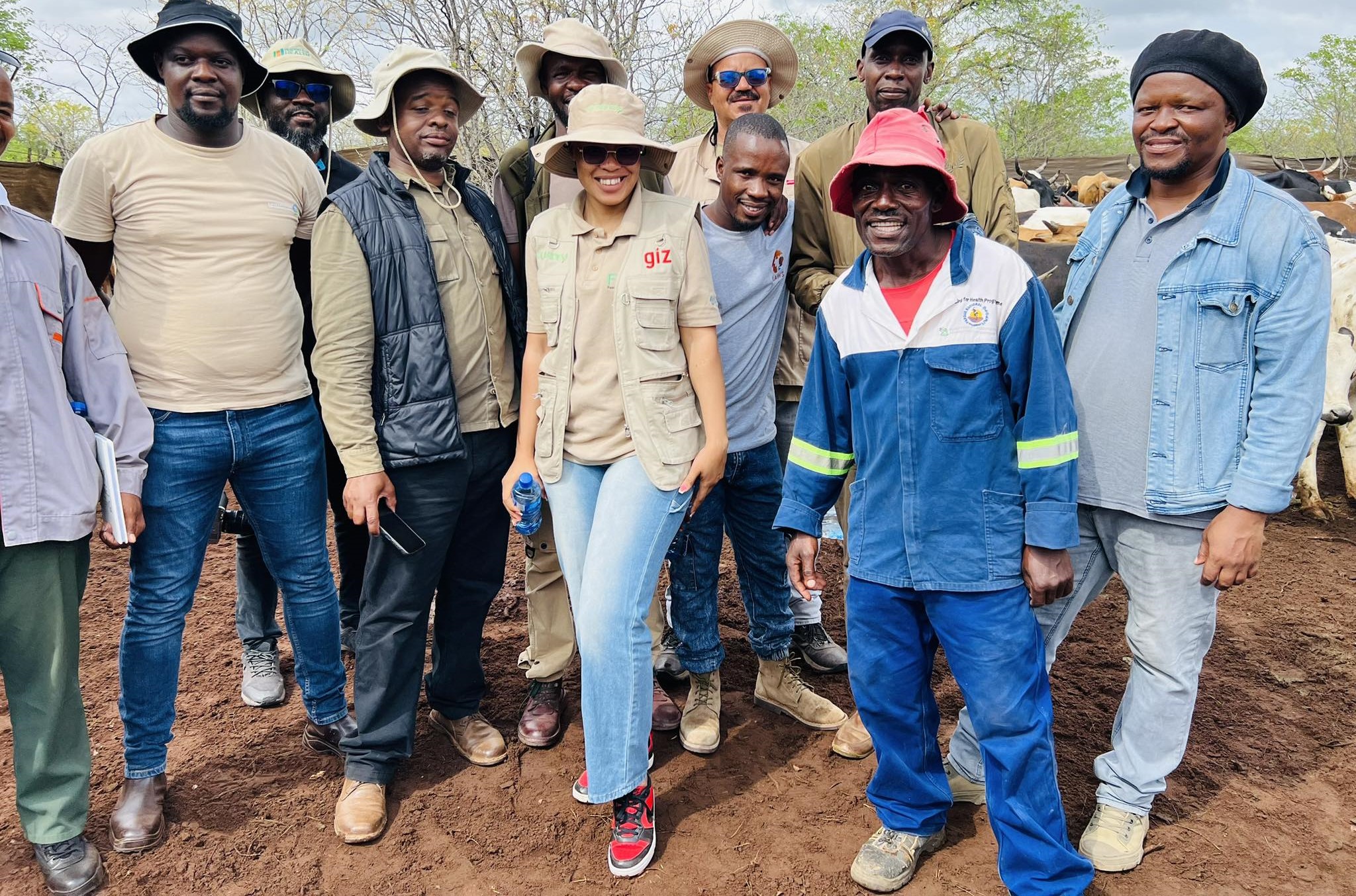
The event concluded with renewed energy and a unified commitment to advancing sustainable rangeland management across Africa.
The Deutsche Gesellschaft für Internationale Zusammenarbeit (GIZ), Conservation International (CI), Peace Parks Foundation (PPF), and the Centre for Coordination of Agricultural Research and Development for Southern Africa (CCARDESA) are jointly implementing the Herding for Health (H4H) model in Botswana, Madagascar, South Africa, and Zambia. The purpose of this implementation is to promote sustainable rangeland management, improve livestock health and productivity, strengthen community livelihoods, and enhance the resilience of landscapes and ecosystems across the participating countries.