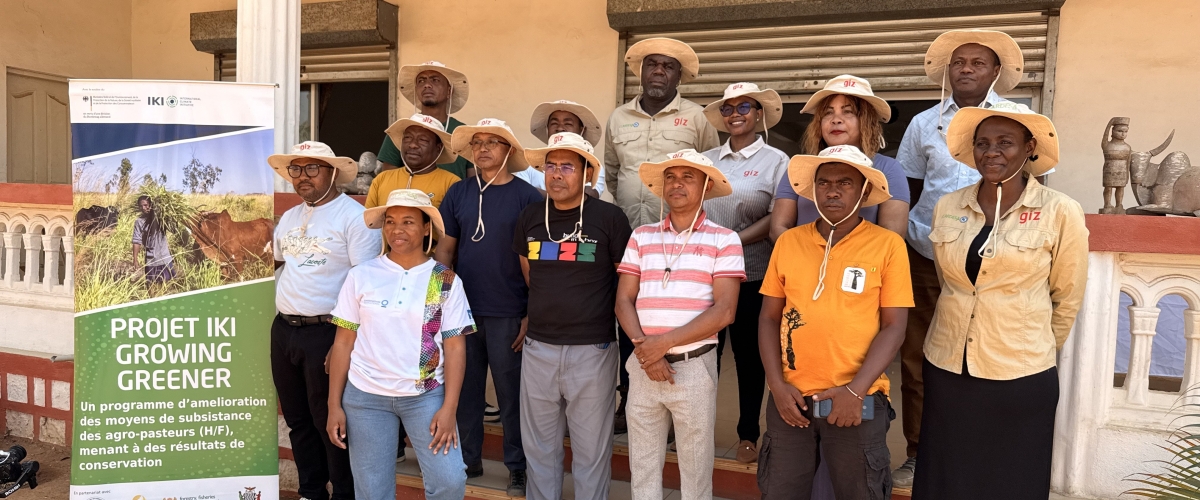
BETIOKY-SUD, Madagascar, 22 September 2026 – “Ask questions, respect the community’s culture and allow people to develop their own solutions.” This was the central message of a two-day Training of Trainers that equipped the Conservation International team in Madagascar with practical skills to engage herders, farmers, and livestock-keeping communities.
Held from 21 to 22 September 2026, the training was organized by CCARDESA as part of its role in coordinating Work Package 4 on Knowledge Management, Communication and Capacity Development under the IKI Growing Greener project. It was conducted in collaboration with GIZ, Conservation International and Peace Parks Foundation.
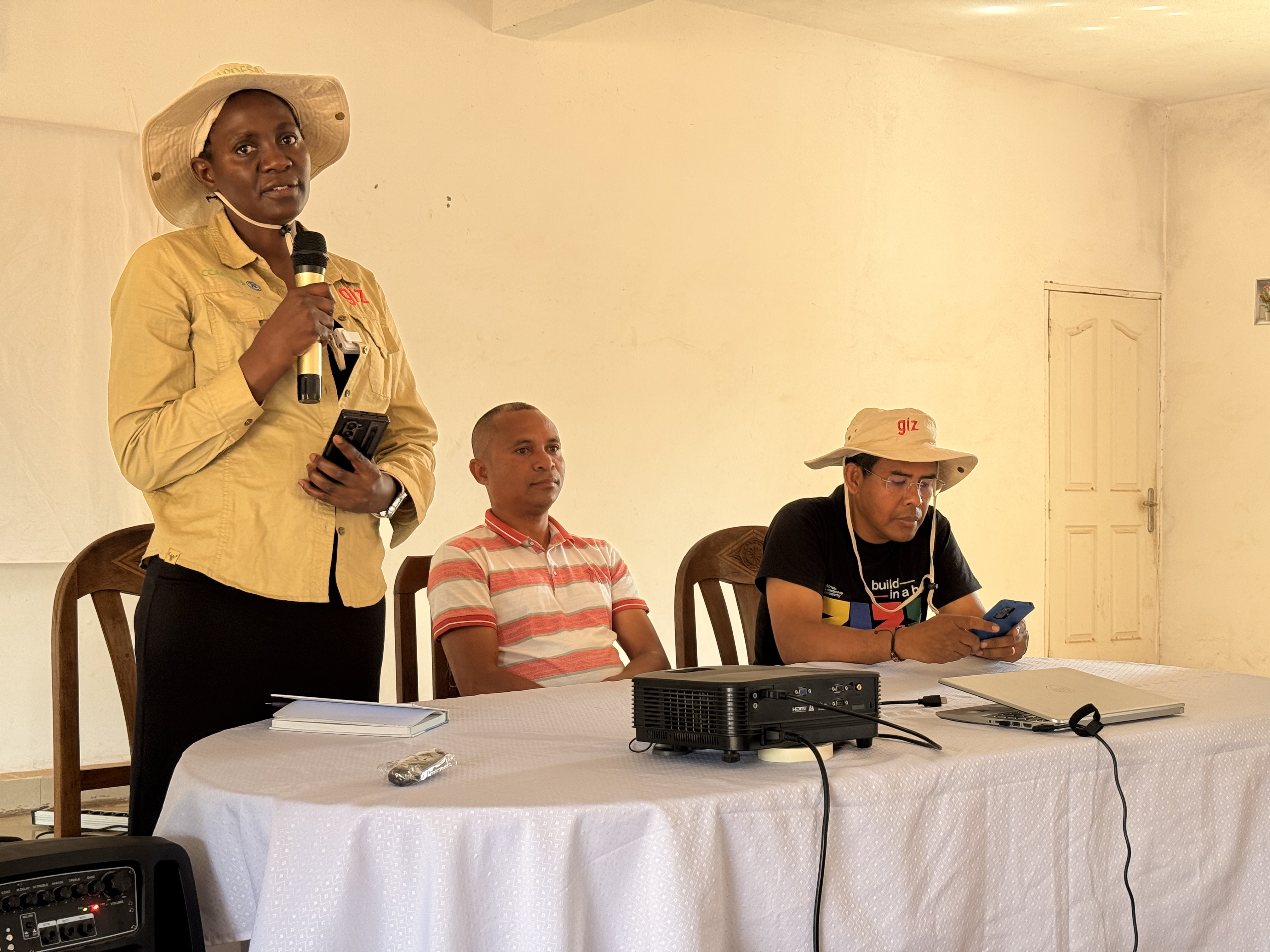
Delivering the official opening remarks on behalf of the IKI Growing Greener project, Dr Bridget Kakuwa-Kasongamulilo, ICKM Manager at CCARDESA, emphasized that sustainable rangeland management requires communities to be active partners rather than passive recipients. She explained that the IKI Growing Greener project supports restoring degraded rangelands, biodiversity conservation, improved soil carbon, climate resilience, and sustainable livestock production through the Herding for Health approach. She highlighted the importance of listening to communities, respecting their indigenous and local knowledge, and combining this knowledge with appropriate scientific and technical expertise. She encouraged participants to share their experiences, engage actively in the practical sessions, and ensure that the training leads to locally owned actions that respond directly to the priorities and livelihood needs of livestock-keeping communities.
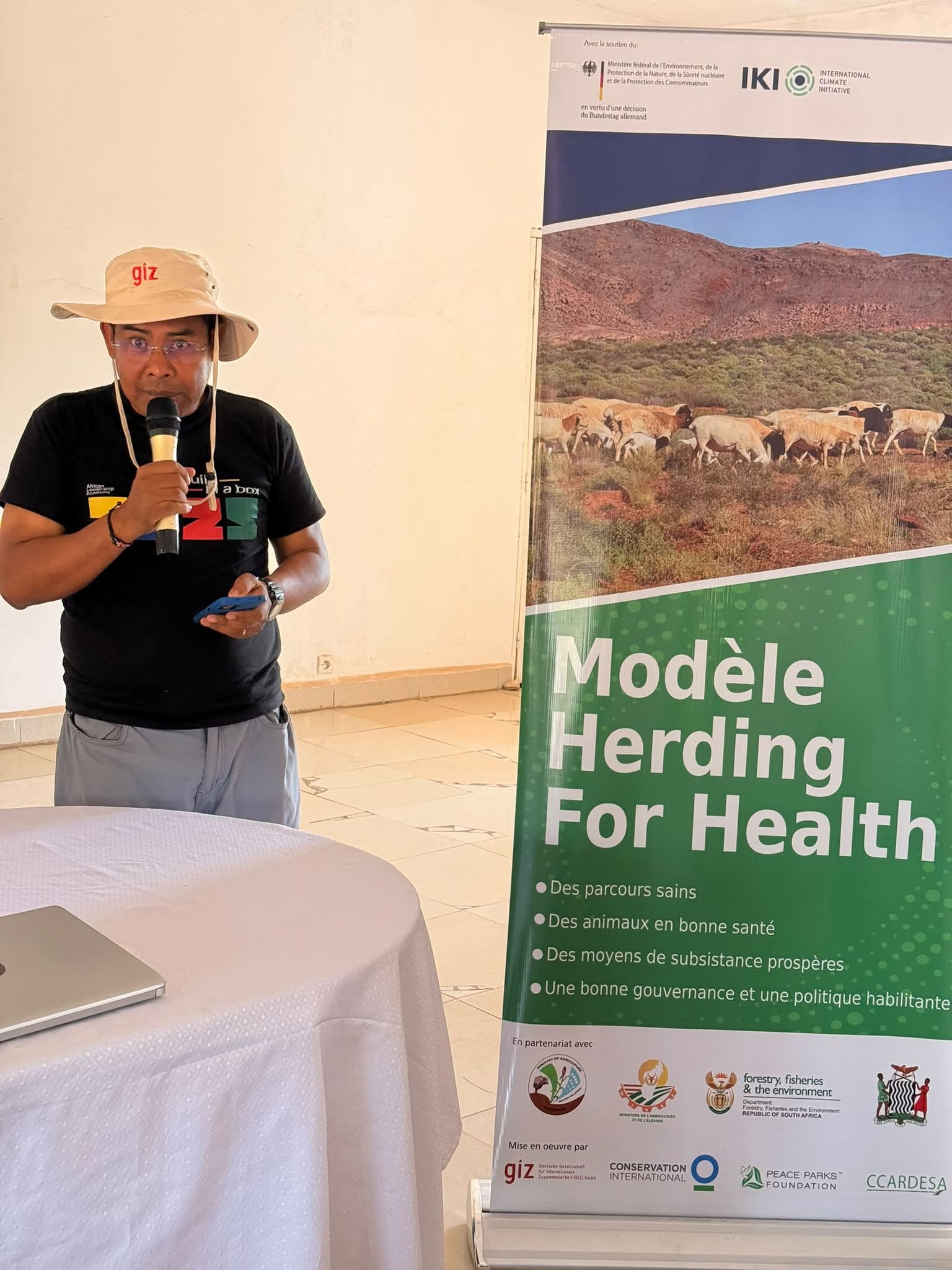
Conservation International Director in Madagascar, Mr. Rakotaorinanana Niache Juraudo explained the Herding for Health concept and its importance to communities. He noted that the approach seeks to restore degraded rangelands and biodiversity while improving livestock productivity and community resilience.
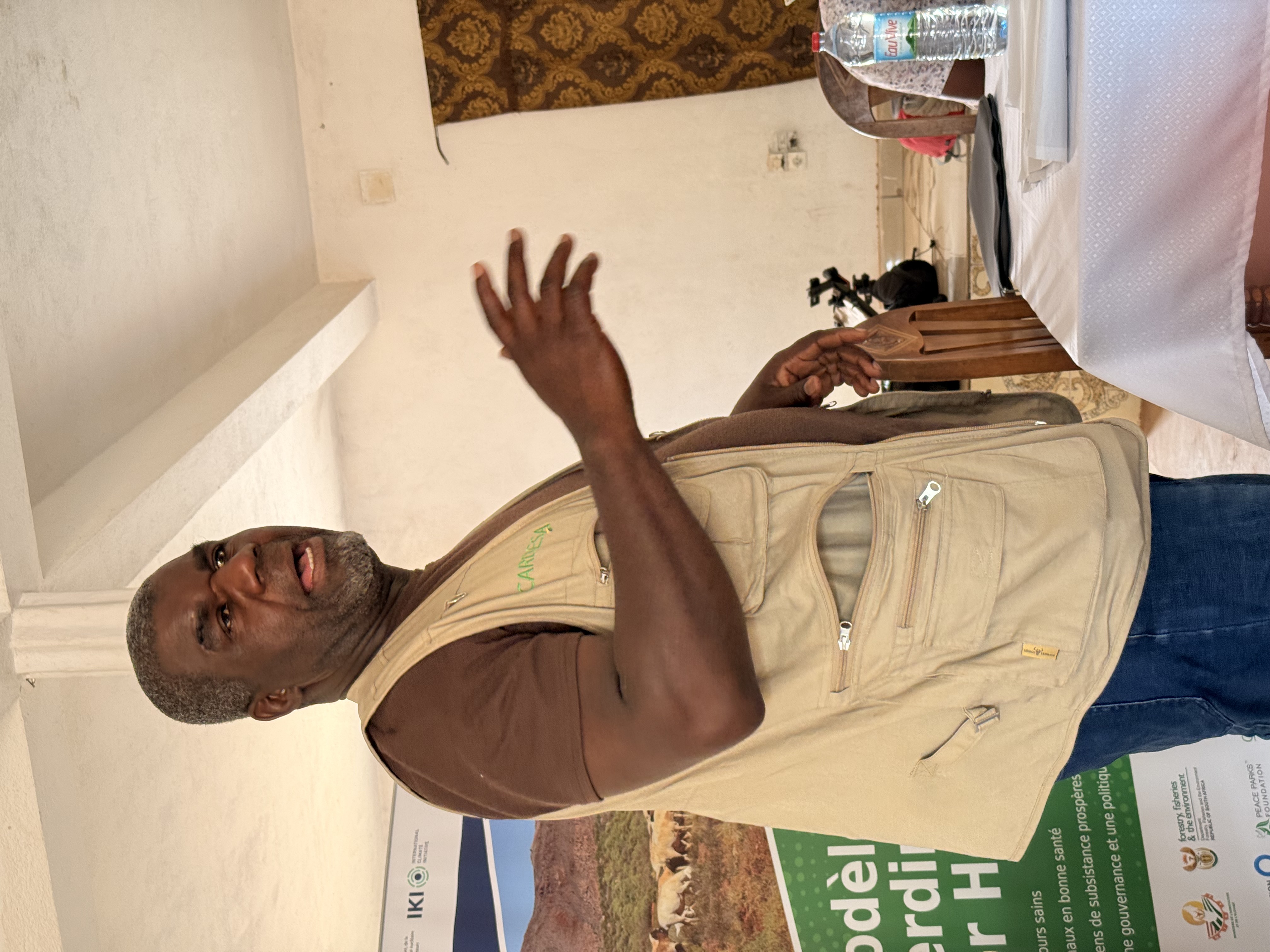
The Vice District Agent for Betioky-Sud, Mr Randroaniaina Jean de Dieu, represented the district administration and reaffirmed the Government’s readiness to cooperate with the IKI Growing Greener consortium in advancing sustainable livestock and rangeland management in the district. He subsequently declared the training workshop officially open.
Facilitated by Dr Edmore Masaire, Herding for Health Technical Advisor from Peace Parks Foundation, the training covered participatory communication, active listening, effective questioning, inclusive decision-making and management of group dynamics. Participants learned that effective facilitation is not about giving communities ready-made answers. Instead, facilitators must ask open-ended and probing questions, listen carefully, and create a safe environment in which different perspectives can be expressed.
The training examined how facilitators can manage difficult group dynamics, including situations where some participants dominate discussions, quieter members do not speak, disagreements emerge or discussions move away from the subject. Participants were encouraged to promote mutual respect, give everyone an opportunity to contribute and help groups move towards solutions that reflect different viewpoints.
Special attention was given to the inclusion of women and young people. Participants reflected on how decisions about livestock and communal rangelands are made and whether women and youth are adequately represented in those processes.
The Conservation International team is working across six municipalities and 22 villages in Betioky-Sud, where it has conducted community sensitisation, pasture assessments and participatory resource mapping. These engagements have helped communities identify grazing areas, seasonal resource-use patterns and priority challenges, including water shortages, poor livestock nutrition, animal-health risks, bushfires and rangeland degradation. Although initial fears about possible loss of community land created resistance in two villages, continued dialogue and clear agreements helped secure the participation of all targeted villages.
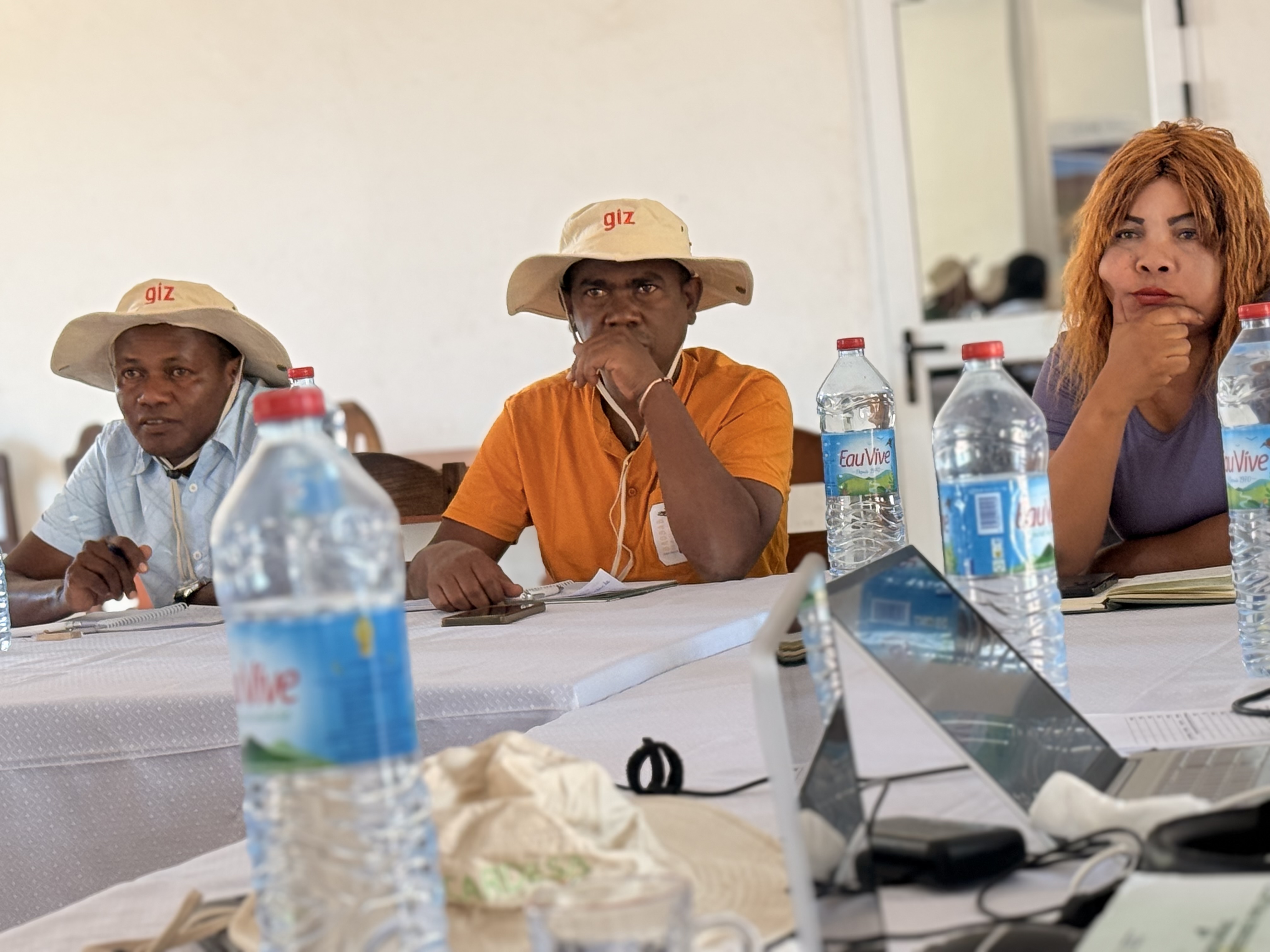
Dr Masaire also introduced the “four legs of the cow”, nutrition, health, reproduction, and governance and management, as an integrated framework for improving livestock productivity. He emphasized planned grazing, adequate pasture-recovery periods and culturally sensitive facilitation that respects the social and economic importance of Zebu cattle while supporting communities to develop practical solutions.
Closing the training, Mr Randroaniaina Jean de Dieu, said the programme had brought new knowledge to Betioky-Sud and expressed optimism that it would contribute to improved livelihoods and local economic development. “The district is ready to cooperate and collaborate with the consortium,” he said, encouraging the implementing partners to keep local traditions and practices central to the process.
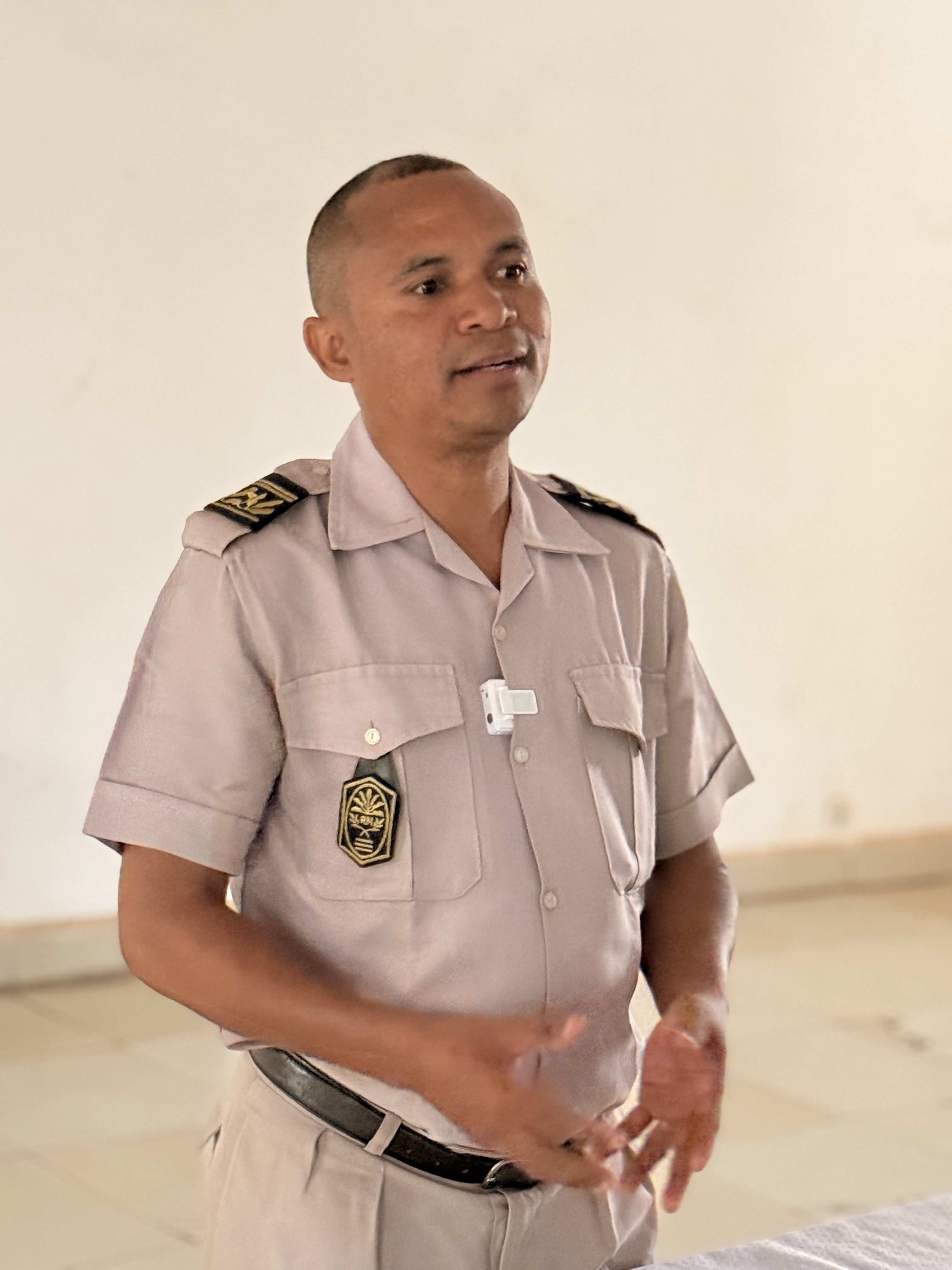
The two-day Training of Trainers prepared the Conservation International team for the next phase of the programme: three days of community mobilisation, dialogue and practical livestock and rangeland-management activities with herders in Betioky-Sud.
The IKI Growing Greener programme is funded by the German Federal Ministry for the Environment, Climate Action, Nature Conservation and Nuclear Safety through the International Climate Initiative (IKI). Its consortium partners are GIZ, CCARDESA, Peace Parks Foundation and Conservation South Africa.