
The long-standing struggle between humans and wildlife is shifting in the heart of Zambia.
In the Simalaha Community Conservancy, among the Mwilima and Mwandu villages, a quiet revolution is unfolding. Since its establishment in 2022, the Kasheshe Multipurpose Cooperative has become a testament to how farming can do more than feed families; it can create harmony between people and wildlife.
Simalaha is a remarkable landscape, part of the vast Kavango–Zambezi Transfrontier Conservation Area (KAZA). This 180,000-hectare stretch of land connects Botswana’s Chobe National Park with Zambia’s Kafue National Park, allowing elephants, buffalo and other wildlife to roam freely between the two. For the communities living here, this coexistence has long been fraught with tension. Harvests would often be trampled overnight, with elephants flattening fields and monkeys raiding crops, leaving families devastated and resentful.
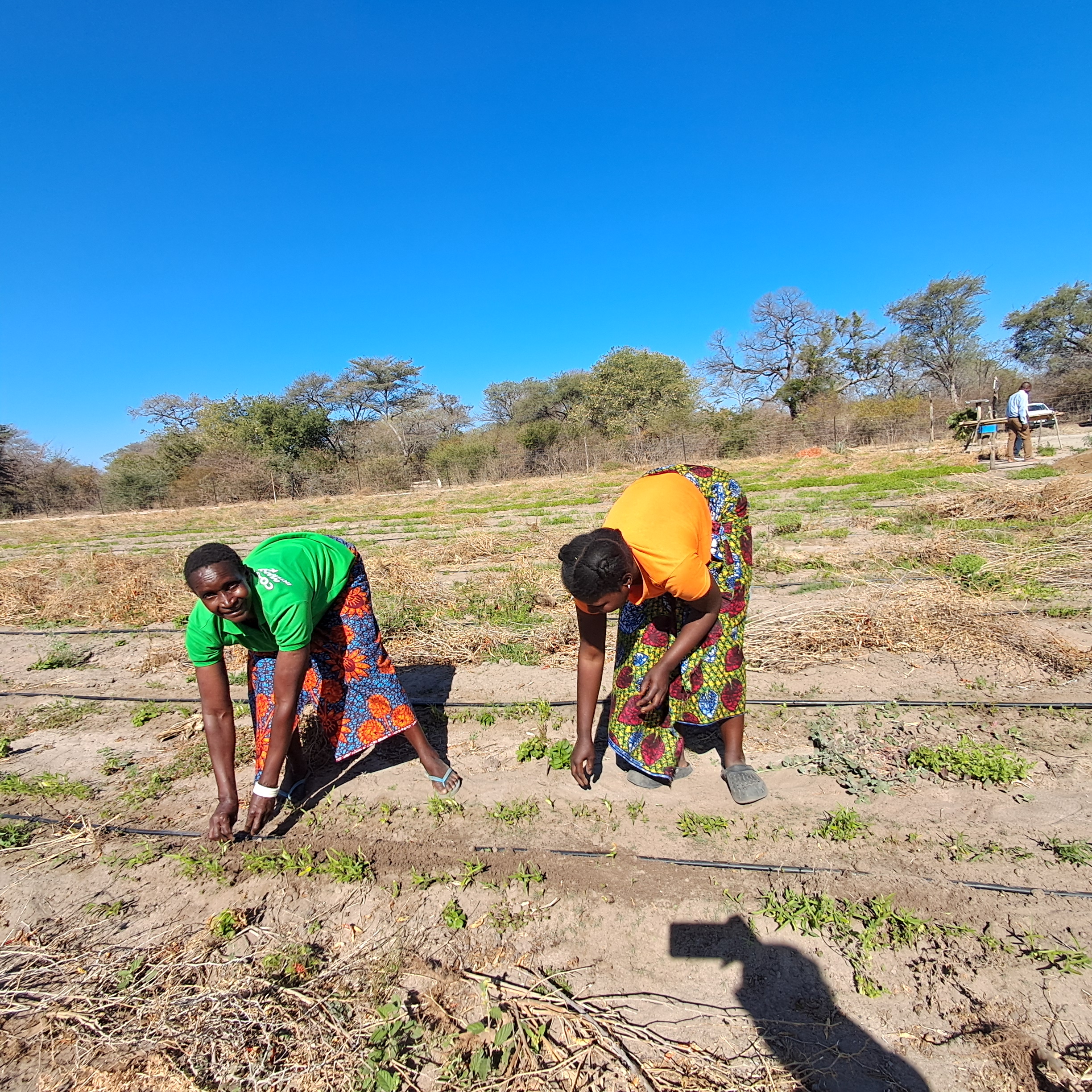
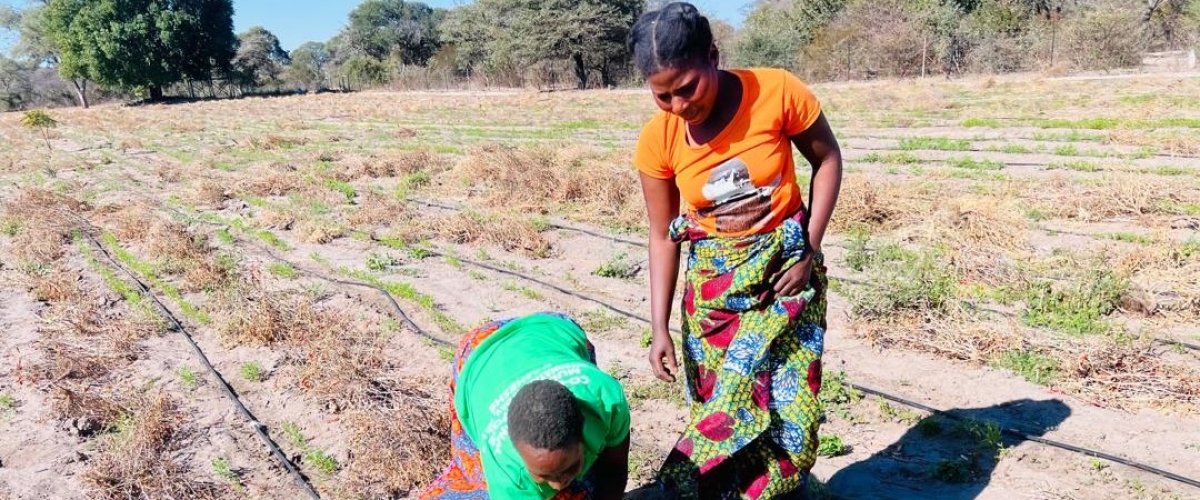
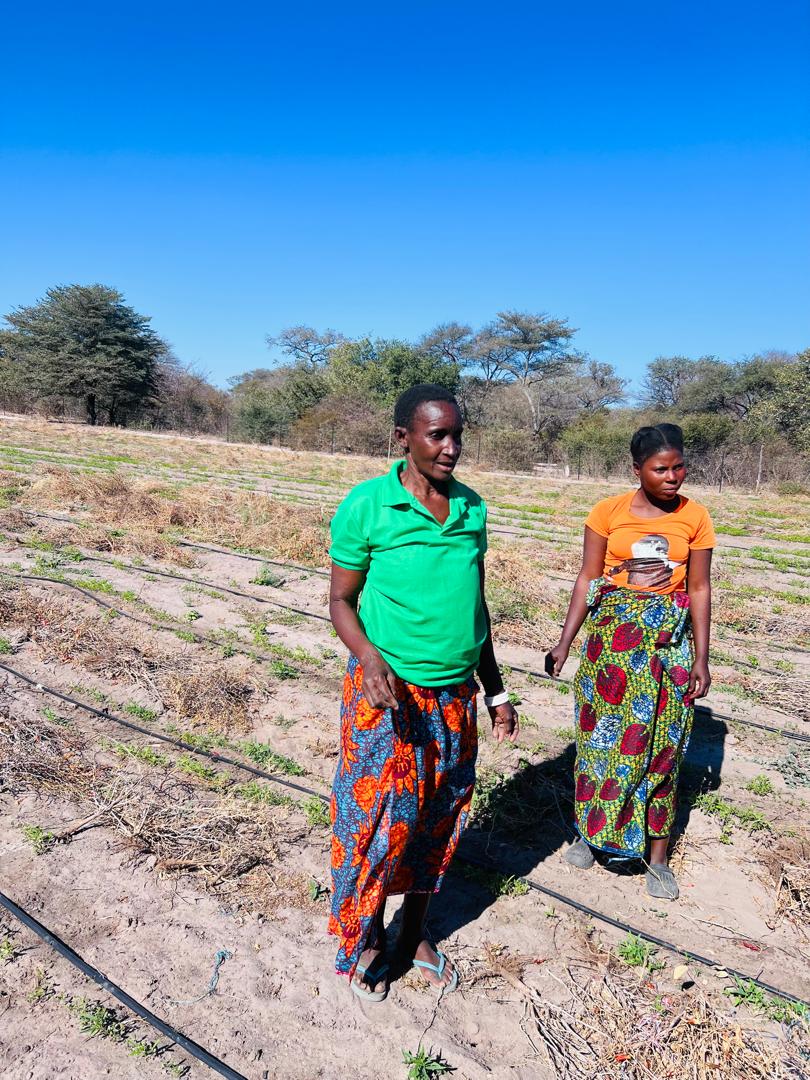
The Kasheshe Multipurpose Cooperative, born out of the International Climate Initiative (IKI) ‘Growing Greener’ project, decided to rewrite that story. By coming together, villagers pooled their ideas, resources and hope, and made a simple, yet transformative choice: to plant onions and chillies.
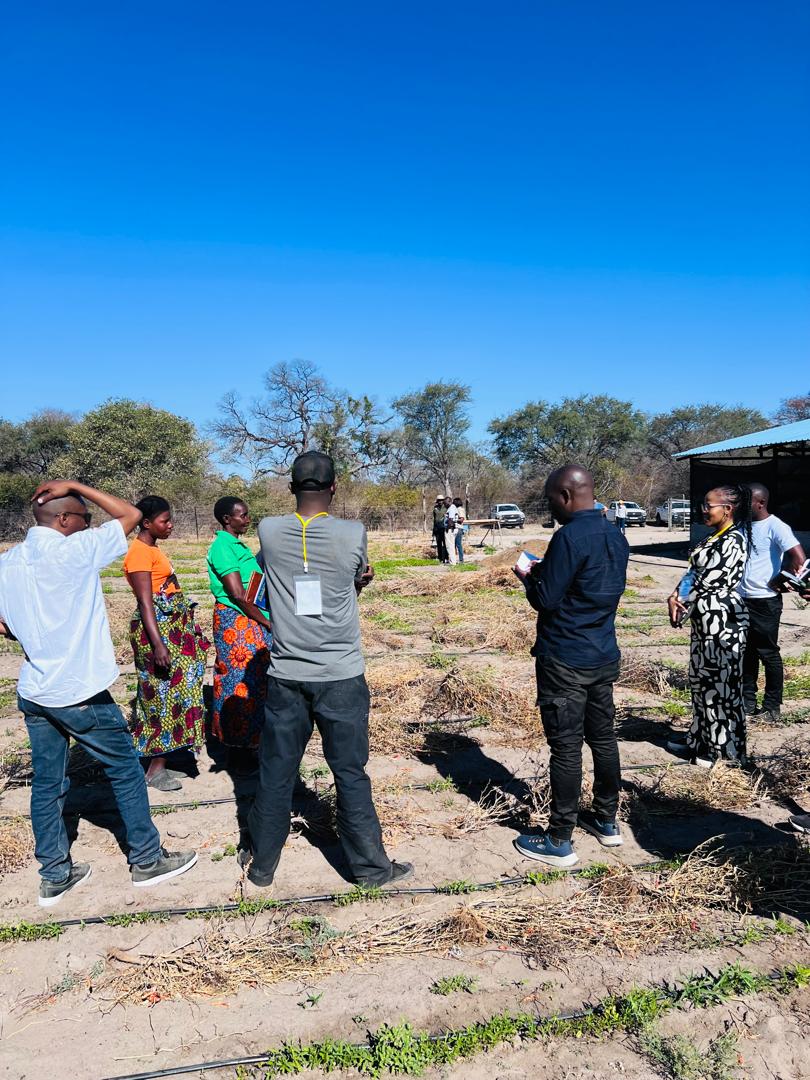
“We first tried various plants but then gravitated towards onions and chillies to mitigate human-wildlife conflict,” explained cooperative member Godfrey Kwambwa to a group of journalists visiting the site as part of the Rangeland Management and Herding for Health Training.
Hosted by CCARDESA, with support from GIZ, Peace Parks Foundation and Conservation International, the training brought reporters from across Southern Africa to witness how communities are tackling environmental challenges in their own backyards.
The decision to grow these crops was not random. Onions and chilli peppers have one particular advantage: animals simply do not like them. Their strong smells and spicy bite are enough to deter elephants and monkeys, creatures that previously treated farmers' fields as their pantry.
Another member of the cooperative, Anna Muhamubi, shared how this shift had changed everything.
“We can now plant and expect good yields without having to worry about elephants and monkeys,” she said with a laugh, noting that even the monkeys seem to wrinkle their noses at the fiery scent of chillies.
This small but deliberate choice has done more than keep animals out of fields. It has defused tensions that once boiled over into dangerous confrontations. In the past, anger and frustration often led to violence against wildlife, elephants injured or killed, villagers injured in turn. Now, the cooperative’s approach is showing that peaceful coexistence is possible, and increasingly, it is changing how the whole community views conflict.
The impact of Kasheshe’s efforts is all the more significant because farming in this region is not easy. The people of Simalaha contend with erratic rainfall, sandy soils, seasonal floods, and a chronic lack of irrigation and farming equipment.
Layered on top of that was the heavy burden of human-wildlife conflict. Yet through the Agri-hub model, which supports community-owned farming enterprises, the villagers found a way to overcome these challenges. With support from the Simalaha Community Conservancy Trust and partners like the Ministry of Agriculture and the Department of Wildlife, they gained training, governance structures and market connections.
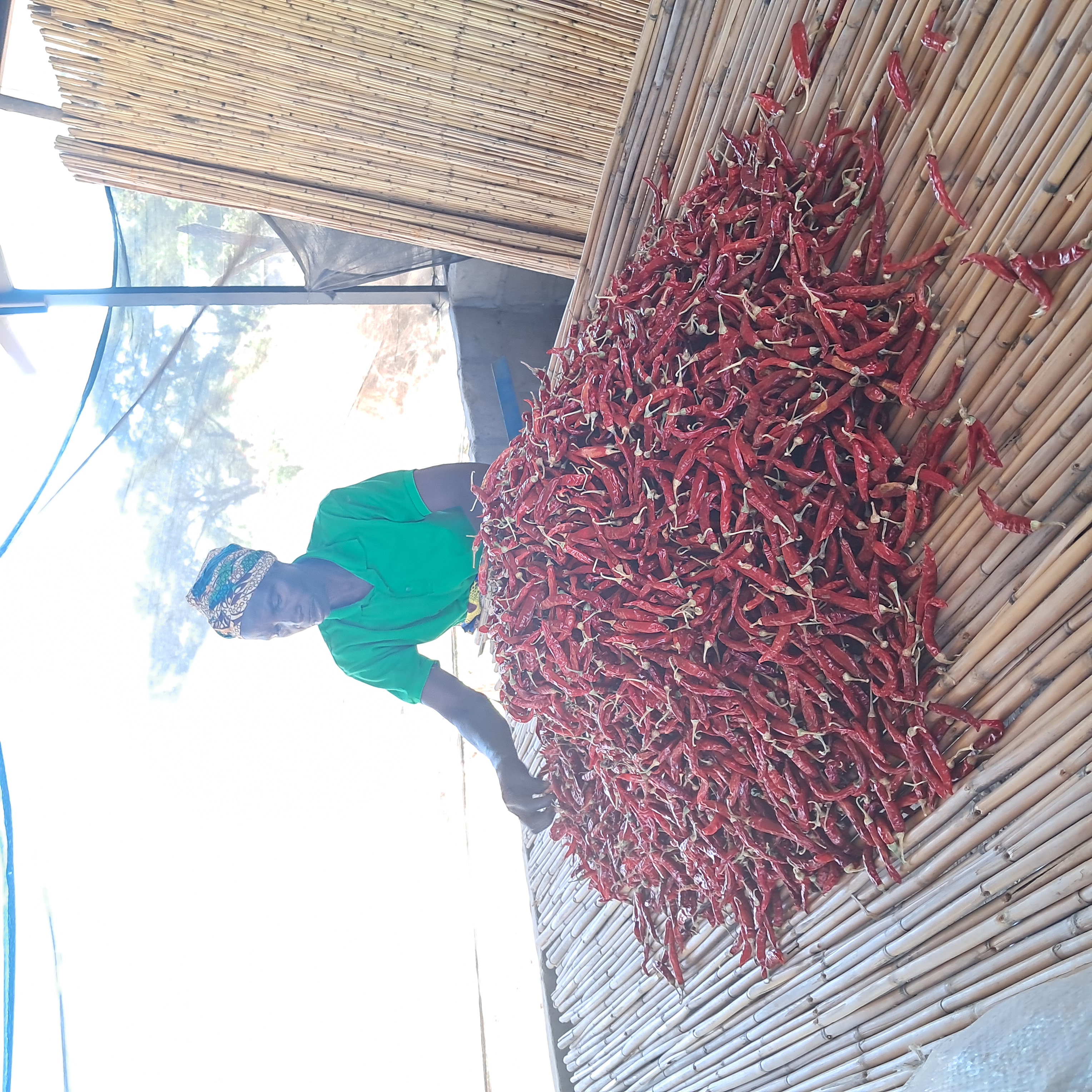
The cooperative has turned onions and chillies into more than just crops, as they are now a source of income as well as protection. Both are cash crops with strong demand in local markets, meaning that the same fields which used to bring only frustration are now delivering profit and stability.
In the year 2023, Kwambwa revealed that the coop generated ZK48,000, which is equivalent to USD2,088.41.
Members have been trained in enterprise management and financial literacy, and their harvests are feeding not only their families but also their aspirations.
There is also a cultural shift taking root. As Anna Muhamubi observed, villagers have been sensitised on how to handle conflict without making it volatile or violent. It is a subtle but profound change, signalling a new way of living with the wildlife that shares their home.
What the Kasheshe Cooperative has achieved might look simple, a switch in crops, but it is much more than that. Their choice offers a blueprint for other communities across Southern Africa facing the same challenges.
Development partners are already exploring how similar “low-risk” crops could help elsewhere, making onions and chillies unlikely ambassadors of harmony.
Simalaha itself is pioneering in many ways. It is the first conservancy where people, their livestock and wildlife are intentionally coexisting. Its governance structure blends traditional leadership, community representation and conservation expertise, an approach that reflects shared responsibility for shared land. Within that vision, the Kasheshe Cooperative shines as proof of what is possible when local people take the lead.
Their work is far from done. Members hope to expand their reach, improve irrigation, and secure better tools to strengthen their efforts. But their story has already become one of resilience, creativity and hope.
As the day fades and the scent of onions mingles with the spice of chillies in the air, the fields of Kasheshe stand as more than farmland; they are a living example of coexistence. By planting the right seeds, these farmers have not only cultivated crops, but also created calm. They have found a way to protect their livelihoods and respect the wild giants that roam their land.
The Kasheshe Cooperative’s story carries a quiet message for the world: when communities are empowered, farming is no longer just about survival; it can heal, it can connect, and it can bring peace where there was once conflict.
The author is a journalist at the Climate Environment News in Eswatini. She is also CCARDESA’s TFCA Correspondent.