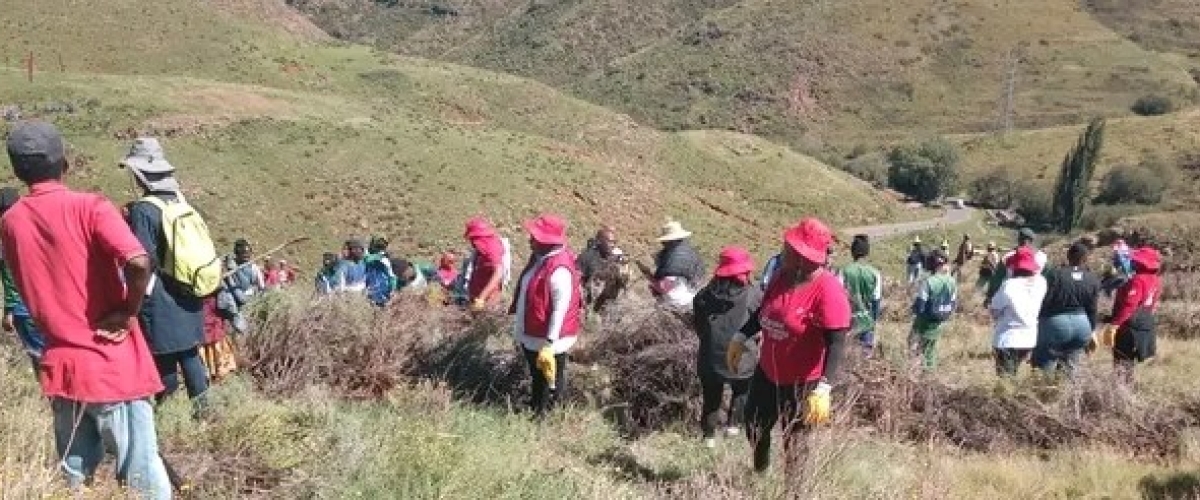
In an effort to restore pasturelands and improve the livelihoods of herdsmen and local communities in Setibing, the ministry of environment and forestry in collaboration with a non-governmental organization dedicated to fostering sustainable development and addressing pressing issues related to the environment: Earth Care Alliance, and Vodacom Lesotho, launched an initiative to remove the Invasive plant: Chrysocoma ciliata, commonly known as ‘Sehalahala’ in this area.
The launch forms part of the government’s efforts to safeguard Lesotho’s environment while ensuring the well-being of herdsmen who depend largely on rangelands for livestock production.
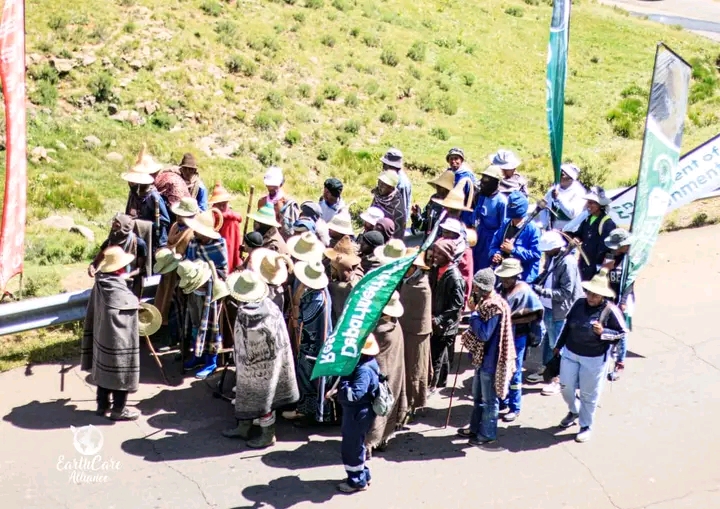
Partners and herders before removing the invasive species
The initiative also focused on rehabilitating degraded land by removing invasive plant species. Approximately 20 hectares were cleared of Sehalahala,, enabling the natural regeneration of grazing land, improving soil health and supporting long-term water security for surrounding communities.
Addressing herdsmen and local communities gathered at this event, Mrs. Mabatho Nthejane of the Ministry of Environment and Forestry indicated that Sehalahala's wild spread is devastating Lesotho's highlands, crushing native vegetation and shrinking pasturelands for livestock. She said the plant is a major threat to the country's environment and agricultural future.
As a result, she called on all herdsmen to protect the environment and be committed to caring for it. She added that healthy grasslands are key to boosting livestock productivity, including top-quality milk, meat, wool, and mohair, noting that animals producing sufficient milk, meat, wool, and mohair must feed on healthy grasslands.
Mr Ramatsoku Rampai of Earth Care Alliance indicated that there is a need to train herdboys on environmental issues, as they are the ones on the ground, making a difference every day. He added: “Lesotho's land is mostly grazing land, and that is where the real benefits kick in, like healthy, thriving livestock.”
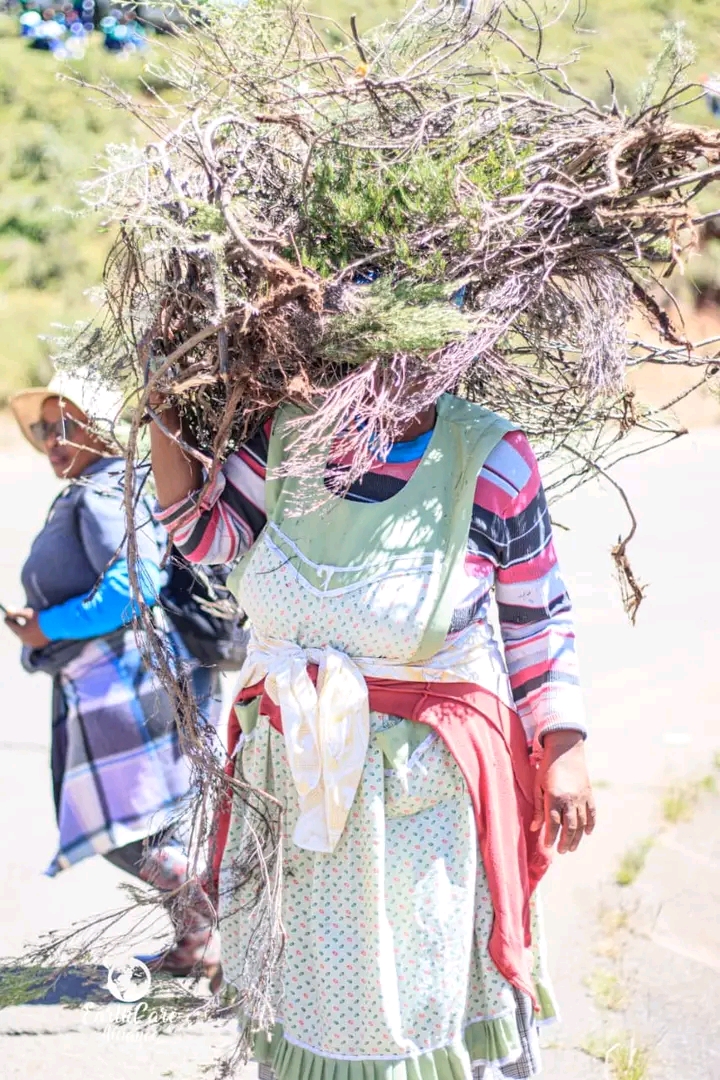
A woman carrying the invasive species
Commenting on the initiative, Vodacom Lesotho’s Chief Executive Officer, Mohale Ralebitso, said: "Our commitments are anchored in practical action. Environmental protection is fundamental to resilient communities, food security, and sustainable livelihoods. This initiative demonstrates what is possible when business, government, and communities work together towards a shared environmental purpose.”
The initiative brought together government representatives, traditional leaders, community members, and civil society partners, underscoring the value of collaborative action in addressing environmental degradation and climate risk.
Reports indicate that Sehalahala's taking over Lesotho's highlands, suffocating native grasses and medicinal plants, and leaving less grazing land for sheep and cattle. This invasive plant is a ticking time bomb for the environment and agriculture.
The United Nations has designated 2026 as the International Year of Rangelands and Pastoralists to highlight these vital ecosystems and the communities that depend on them.
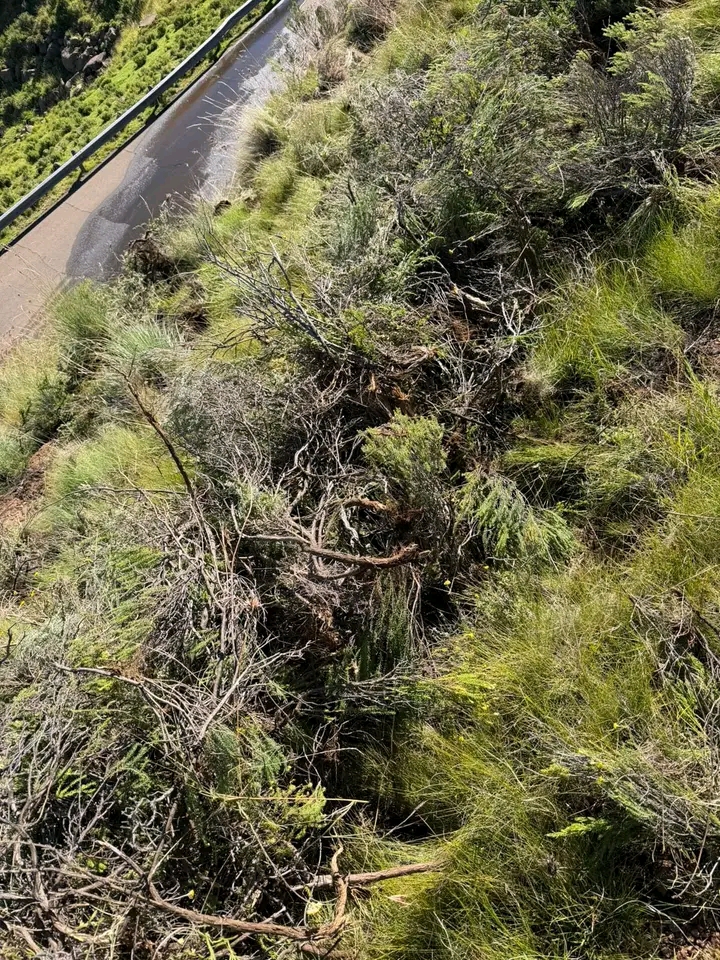
The Invasive Species
Pastoralists and rangeland communities have a unique and deeply rooted relationship with these ecosystems, while Rangelands provide essential goods and services, including soil and water conservation, that support the livelihoods, resilience, and cultural identity of millions. Beyond local benefits, these landscapes contribute to global sustainability by supporting biodiversity and playing a vital role in climate change adaptation and mitigation.
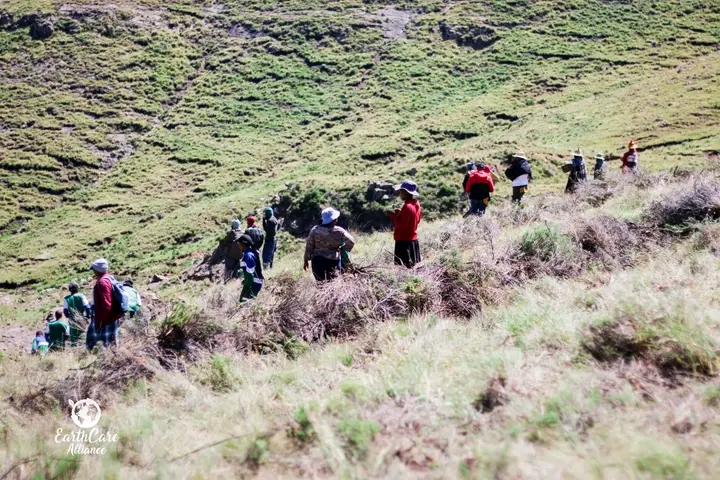
Herders at work
Recognizing the importance of rangelands for Indigenous Peoples, local communities, women, youth, and other vulnerable groups underscores the need for sustainable land and water management practices that protect their way of life and these invaluable ecosystems.
The author is a Reporter/Journalist from Lesotho Television and CCARDESA Media Correspondent