By Mark Ndipita
On the vast, shimmering waters of Lake Malawi, a bold story of innovation and resilience is unfolding. What began as a small group of fish farmers tending inland ponds has transformed into one of the Southern Africa's most ambitious aquaculture ventures.
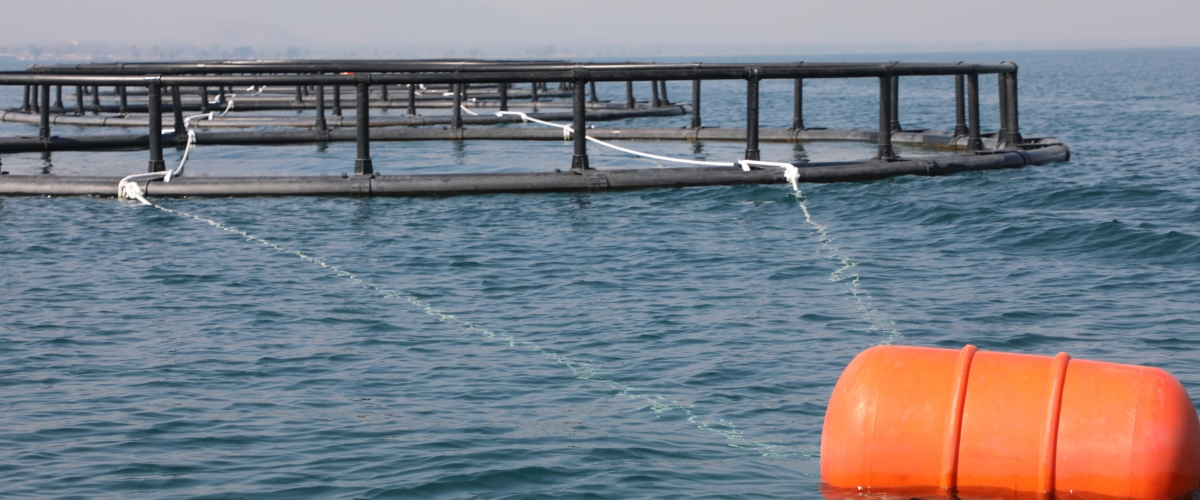
Trading as Abwenzi Cooperative Society Limited, 150 determined farmers in Mangochi district about 243 kilometers southeast of Lilongwe, the capital city of Malawi, have joined forces to establish a large-scale cage aquaculture enterprise. This initiative utilizes a modern system of rearing fish inside floating cages in open waters, moving away from traditional terrestrial pond farming.
“This is a new chapter for us,” explains Emmanuel Mangulenje, one of the cooperative’s leaders. “Cage aquaculture allows us to grow fish in their natural habitat while maintaining control. The fish are enclosed in net cages with free water flow, giving them the best environment to thrive.”
For years, the farmers depended on pond farming. However, limited land availability and surging regional demand pushed them to think bigger.
“We saw fish demand growing while pond space was shrinking. We knew Lake Malawi was our opportunity to scale up, but the cost of equipment was far beyond our reach,” recalls Mangulenje.
The turning point came when the Malawi Food Systems Resilience Program (Malawi FSRP) stepped in with a matching grant facility.
“Without Malawi FSRP, this would have remained just an idea. The grant gave us the confidence to take the leap, and today we are among the pioneers of large-scale cage fish farming in the country,” Mangulenje says.
With support from Malawi FSRP, the cooperative invested approximately MK330 million (approx. USD 190,000), of which MK220 million (approx. USD 127,000) was provided as a matching grant.
The funds enabled the acquisition of:
- Five massive floating cages each with a 16-meter diameter and a capacity for 80,000 fish;
- Logistics and safety items which included boats, Yamaha outboard engines, and life jackets; and
- Other items such as diving gear, predator nets, and a floating guard house for 24-hour monitoring.
Located 2.5 kilometres offshore, these cages are the engine of a local blue economy revolution. The cooperative expects to harvest over 120,000 kilograms of fish every seven months, generating revenues of nearly MK800 million (approx. USD 460,000) per cycle.
“We have already secured markets with hotels, lodges, supermarkets, and individual buyers. Demand is so high that we are working around the clock to fill the gap,” says Mangulenje.
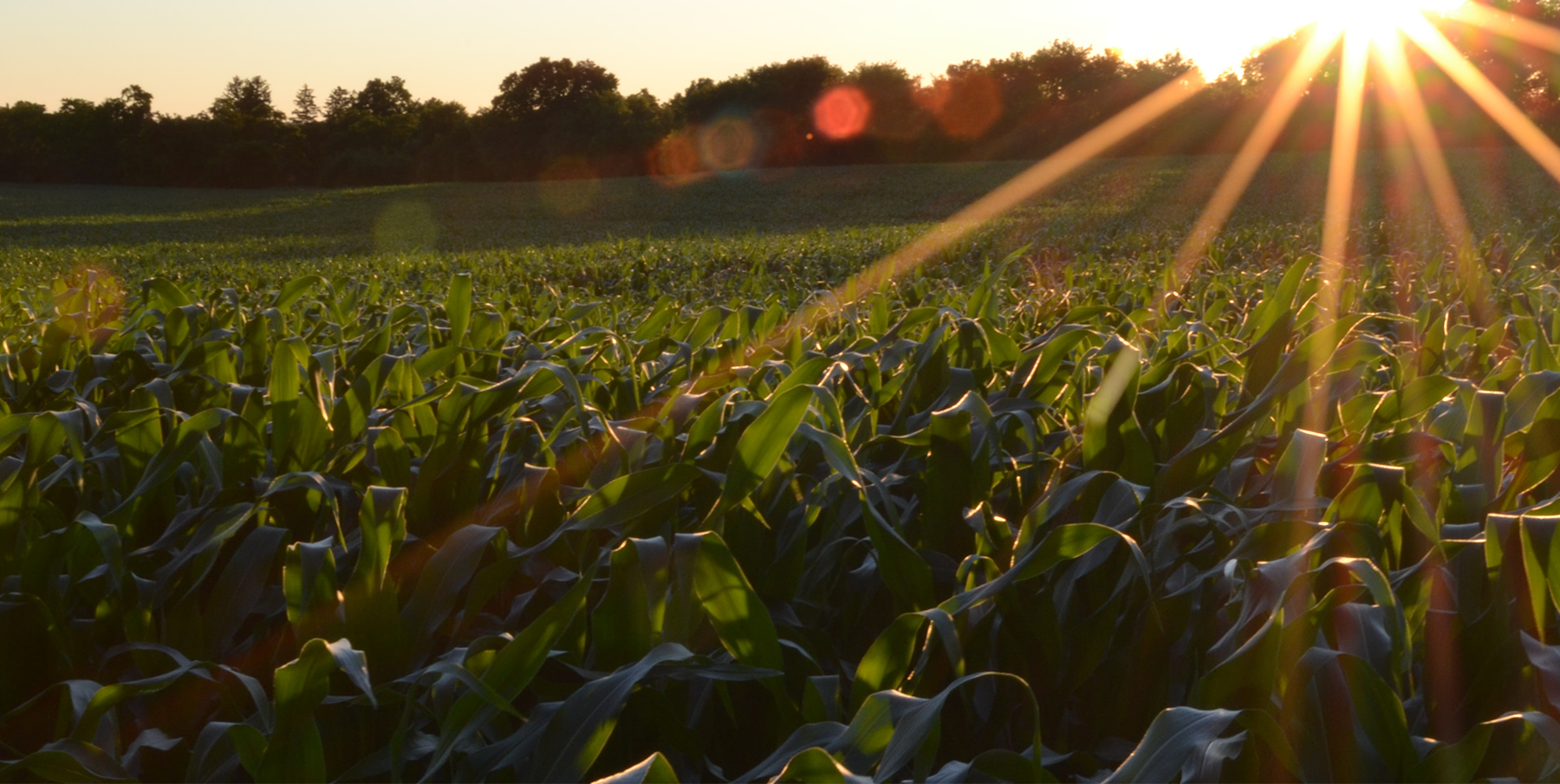
The vision of Abwenzi Cooperative extends beyond primary production. Plans are underway to establish a local fish feed factory. This will reduce reliance on expensive imports and create a reliable market for soybean and maize farmers in the surrounding communities.
“We want this to be a value chain that benefits everyone. Local crop farmers will have a market, we will cut our production costs, and eventually, we aim to export fish to earn foreign currency for the country,” Mangulenje explains.
Kondwani Nyengo, a district Agribusiness Officer, notes that aquaculture in the region has long been constrained by fragmented marketing and low-quality inputs.
“This project shows what farmers can achieve when they are organized and supported with the right resources,” Nyengo says. “It is about jobs, incomes, food security, and transforming agriculture into a competitive business.”
As the cages float steadily on Lake Malawi, the members of Abwenzi Cooperative are looking towards regional exports. Their success serves as a blueprint for agricultural commercialization and economic transformation under the Malawi FSRP framework, proving that with the right investment, smallholder farmers can become major regional players.