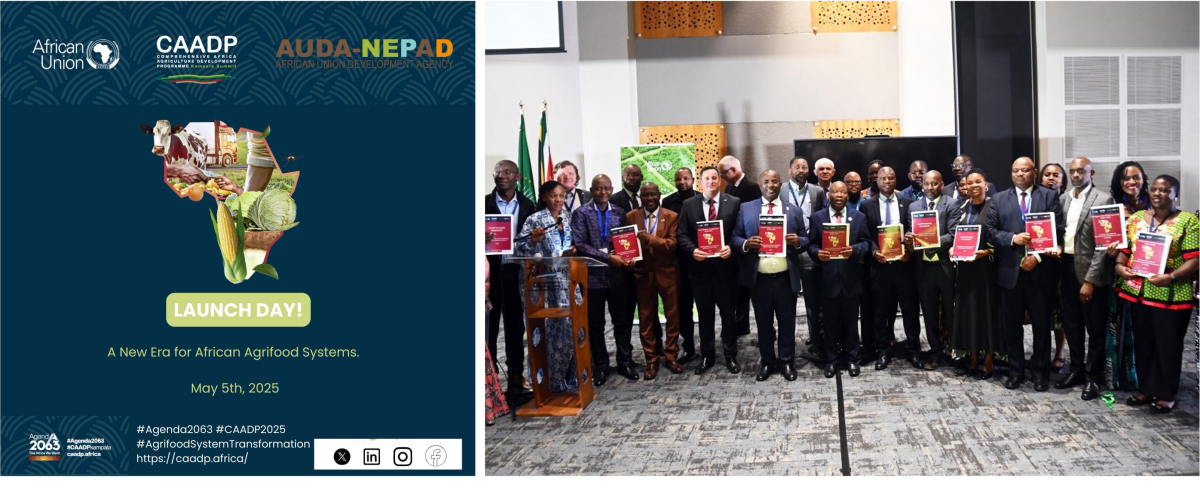
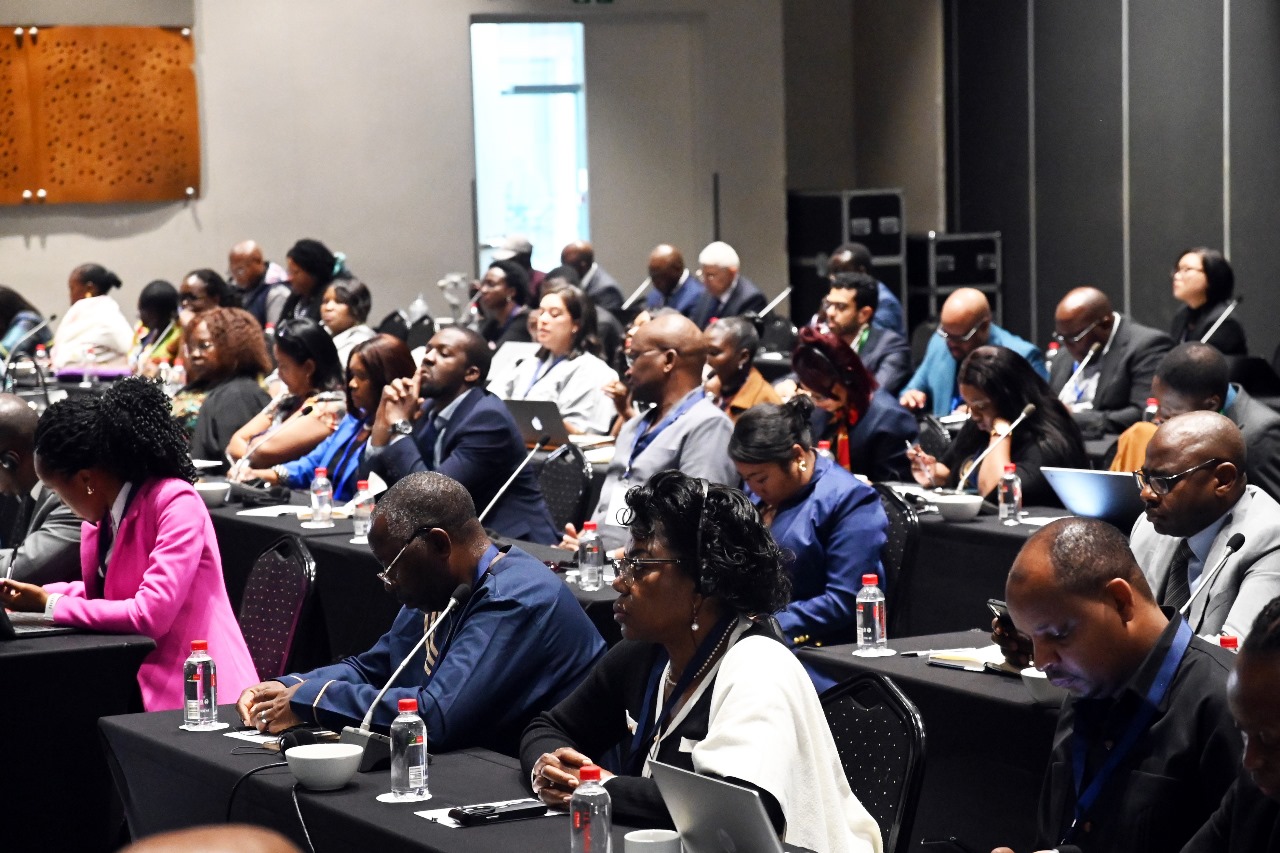
The Comprehensive Africa Agriculture Development Programme (CAADP) has entered a new chapter. Recently launched in Johannesburg, South Africa, this new CAADP cycle arrives at a critical juncture for African agriculture - especially in Southern Africa, where the region’s ability to meet its food security, resilience, and economic development aspirations hinges on stronger investments in research and development (R&D).
At the heart of this new phase is a bold ambition: to move from commitment to measurable transformation. For countries in the Southern African Development Community (SADC), the new CAADP presents both a wake-up call and a renewed opportunity to restrategise after sobering results from the most recent assessments.
Why a New CAADP Cycle? The Imperative for Change
The new CAADP cycle responds to a pressing reality - while progress was noted in some SADC countries, none were able to meet the Malabo Declaration targets as indicated in the last Biennial Review. These targets, adopted by African Union Heads of State in 2014, were designed to fast-track the transformation of African agriculture by 2025 through specific, time-bound commitments. These include:
- Allocating at least 10% of national budgets to agriculture;
- Achieving 6% annual growth in agricultural GDP;
- Halving post-harvest losses;
- Enhancing resilience to climate variability; and
- Creating jobs and reducing poverty through inclusive value chains.
The inability to meet these targets signals persistent structural barriers - weak policy implementation, underinvestment in research and extension systems, and limited data for evidence-based decision-making. Without meaningful progress in these areas, sustainable food systems transformation remains elusive.
What’s New in this CAADP Cycle?
- Renewed Strategic Framework (2026–2035): The new CAADP ten-year plan reflects lessons learned over the past two decades. It adopts a more results-driven approach, placing emphasis on performance monitoring, cross-border cooperation, and integrating climate-smart solutions across the agricultural value chain.
- Next-Generation Biennial Review (BR): A redesigned BR process that introduces improved tools for data collection, analysis, and reporting, enabling countries to track progress in real time. These changes aim to correct the disconnect between planning and implementation seen in previous cycles.
- Stronger Role for Science, Technology, and Innovation (STI): The revised framework elevates the role of agricultural research, digital innovation, foresight systems, and climate services - recognizing that without scientific advancement and scalable solutions, food systems cannot be resilient or inclusive.
- Enhanced Support to Member States: Technical and institutional capacity building are at the core of this new approach. Regional bodies like the Centre for Coordination of Agricultural Research and Development for Southern Africa (CCARDESA), working in close collaboration with the SADC Secretariat, are expected to play a key role in providing technical assistance, coordinating knowledge exchange, and facilitating innovation transfer.
 |  |
Why this Matters for Agricultural R&D in Southern Africa
Agricultural research and development is the engine that drives innovation in seed systems, sustainable land use, market development, and climate adaptation. However, R&D in Southern Africa remains fragmented and under-resourced.
The new CAADP cycle prioritizes:
- Evidence-based decision making grounded in localized research;
- Strengthened linkages between researchers, policymakers, and farmers;
- Investment in research infrastructure and capacity; and
- Scaling of innovations that respond to real-world climate, market, and productivity challenges.
The Role of CCARDESA: A Regional Lever for Change
As the regional facilitator for agricultural R&D in the SADC region, CCARDESA is well-positioned to support the implementation of the new CAADP priorities.
Under the World Bank-funded Food Systems Resilience Programme (FSRP), CCARDESA is set to:
- Support national and regional capacity-building efforts for implementing CAADP-aligned policies;
- Promote data-driven planning and investment through support to the Biennial Review process;
- Facilitate regional research collaboration, ensuring that innovations in one country can be adapted and adopted across borders; and
- Drive knowledge management and communication, making sure stakeholders at all levels - from policymakers to farmers - have access to timely, actionable information.
Key takeaways
The new CAADP cycle represents a renewed social contract between African governments, citizens, and regional institutions. It brings a more focused, data-informed, and partnership-oriented approach to tackling the root causes of food insecurity and underperformance in agriculture. For Southern Africa, this is more than a strategy - it is an opportunity to reset the trajectory of agricultural development by investing in research, innovation, and inclusive growth. The region has a real opportunity to rewrite the narrative—from missed targets to measurable transformation.