Photos: Ministério da Agricultura, Ambiente e Pescas
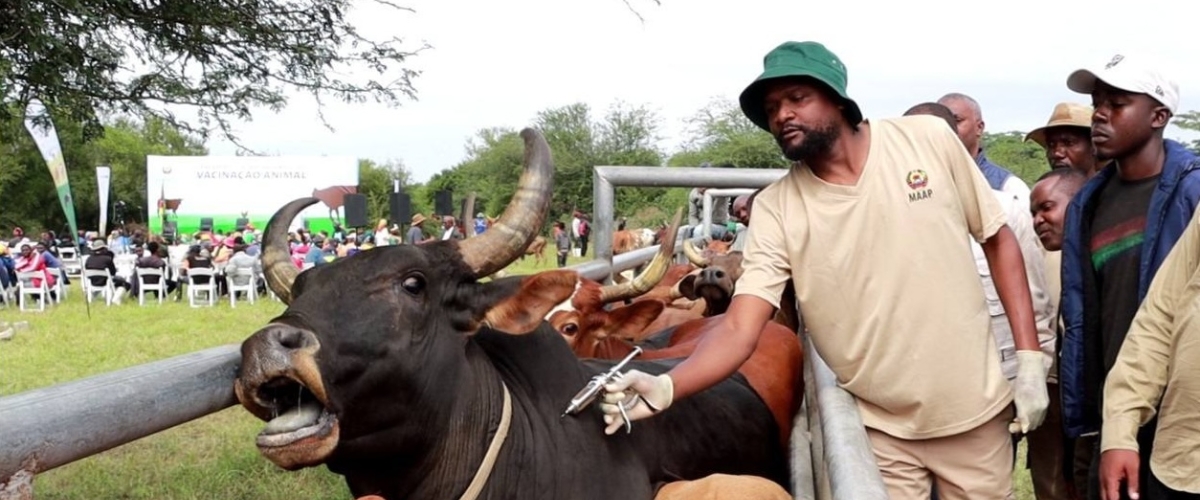
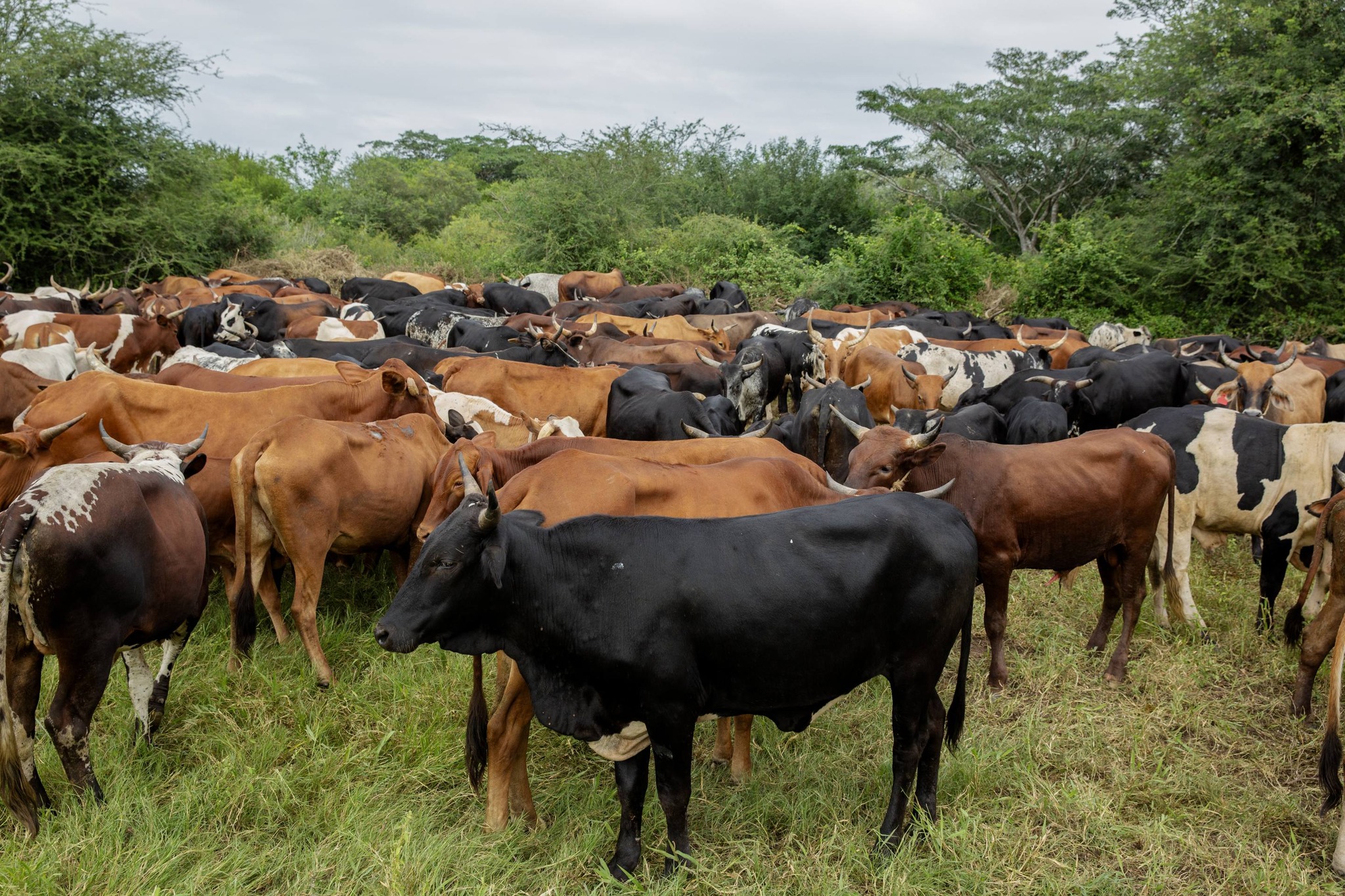
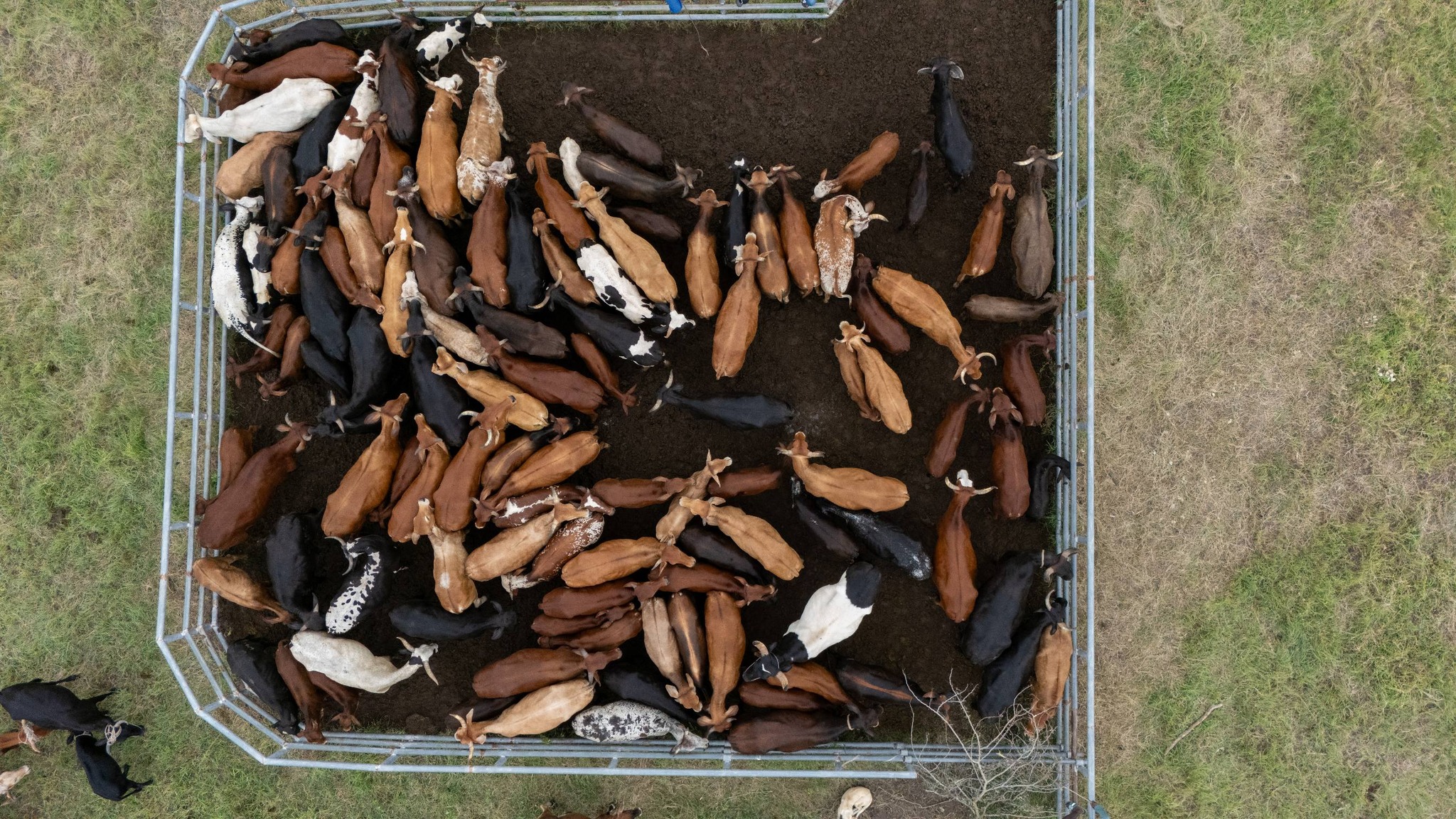
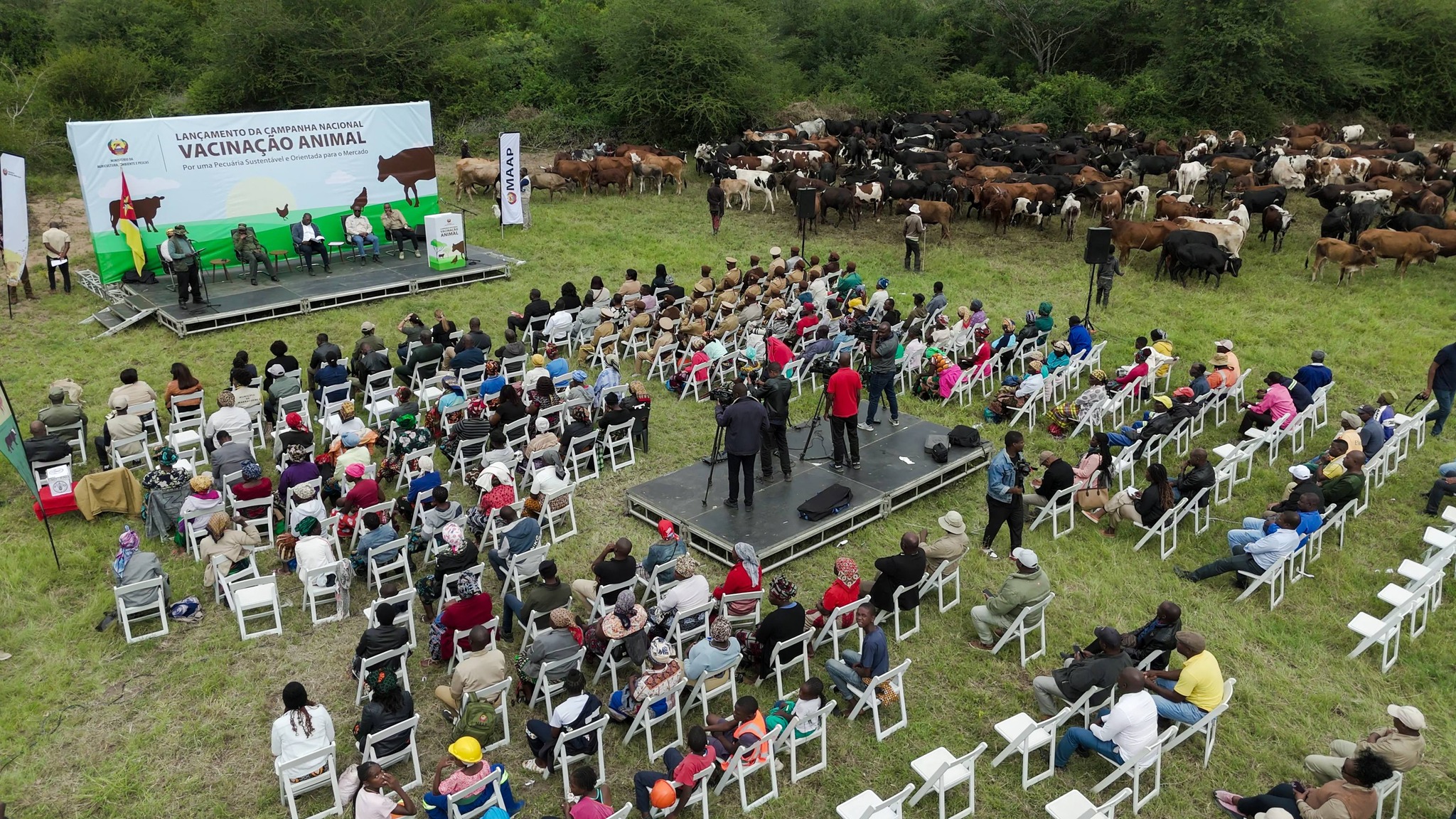
The Government of Mozambique has launched its 2026 National Animal Vaccination Campaign, targeting millions of livestock across the country as part of a broader effort to safeguard animal health, protect livelihoods, and strengthen the national economy.
The campaign was officially launched on Wednesday, 29 April, in Magude District by the Secretary of State for the Sea and Fisheries, Momade Juízo, on behalf of the Minister of Agriculture, Environment and Fisheries, Roberto Albino. The initiative will be rolled out across districts and localities nationwide.
Speaking at the launch, Juízo emphasized the government’s commitment to prevent livestock diseases, particularly among cattle, which pose a significant threat to production and productivity in the livestock sector.
Under the theme “For a Sustainable and Market Oriented Livestock Sector,” the campaign aims to vaccinate approximately 2.4 million cattle against Foot and Mouth Disease (FMD), alongside 2.4 million against Anthrax, 1 million against Blackleg, 1.3 million against Lumpy Skin Disease, and 20,000 against Rift Valley Fever.
 |  |  |  |
The campaign also extends beyond cattle, with plans to vaccinate more than 44 million chickens in the family farming sector against Newcastle disease and immunize over 300,000 dogs and cats against rabies throughout the year.
The initiative comes at a critical time for the Southern African Development Community (SADC) region, which continues to face recurring outbreaks of Foot and Mouth Disease. These outbreaks have disrupted livestock trade, affected market access, and posed ongoing risks to food security and rural livelihoods across several member states. Mozambique’s proactive vaccination drive is therefore seen as part of a broader regional effort to contain the disease and strengthen resilience within the livestock sector.
Authorities note that the livestock sector remains a cornerstone of Mozambique’s economy, contributing significantly to food and nutrition security, income generation, and employment, particularly for youth and women in both rural and urban areas.
By scaling up vaccination efforts, the government aims not only to control disease outbreaks but also to enhance the competitiveness of the livestock sector, improve market access, and ensure sustainable growth in line with national development priorities.
Source: Press release from the Ministry of Agriculture, Environment and Fisheries of Mozambique
Read more from:
- Campanha Nacional de Vacinação Animal 2026: GOVERNO PREVÊ VACINAR MAIS DE 2.4 MILHÕES DE BOVINOS CONTRA A FEBRE AFTOSA. Ministry of Agriculture, Environment and Fisheries on Mozambique
- Mozambique launches nationwide animal vaccination campaign — Watch. Club of Mozambique