
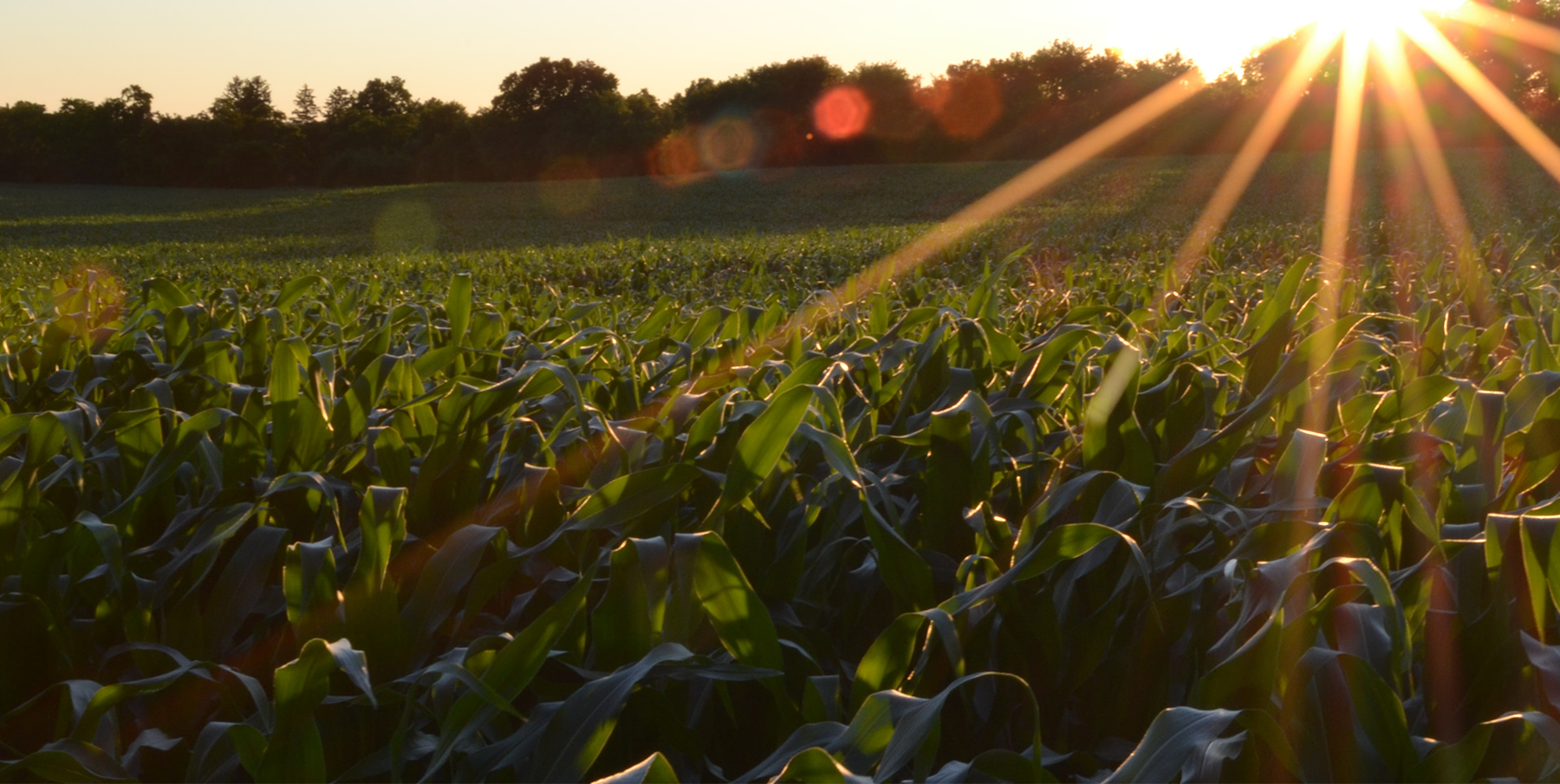
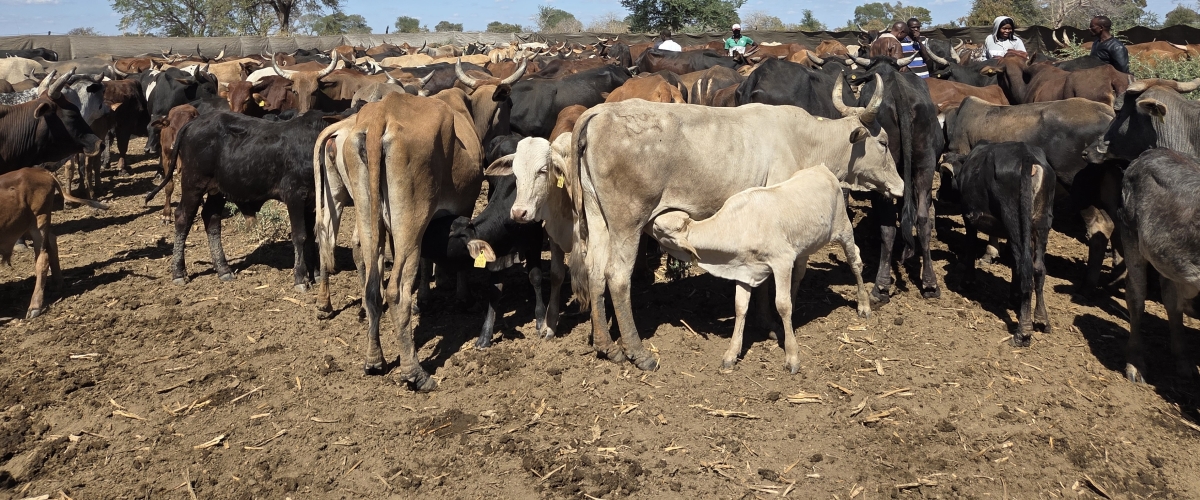
“Who would have thought that across different landscapes, weather patterns, and air, the struggles remain the same?” reflected Jacob Nyambe, Chairperson of the Grazing Area Committee. “For years we have battled poor roads, broken water infrastructure, livestock theft, and the effects of climate change. It often felt hopeless.”
Yet today, Jacob speaks with a new sense of optimism. Since the introduction of the Herding for Health (H4H) model, his community has begun to see real transformation. “The grass is regenerating, our animals are healthier, theft has gone down almost completely, and even our own health has improved. It may not solve every problem, but it gives us hope,” he emphasized.
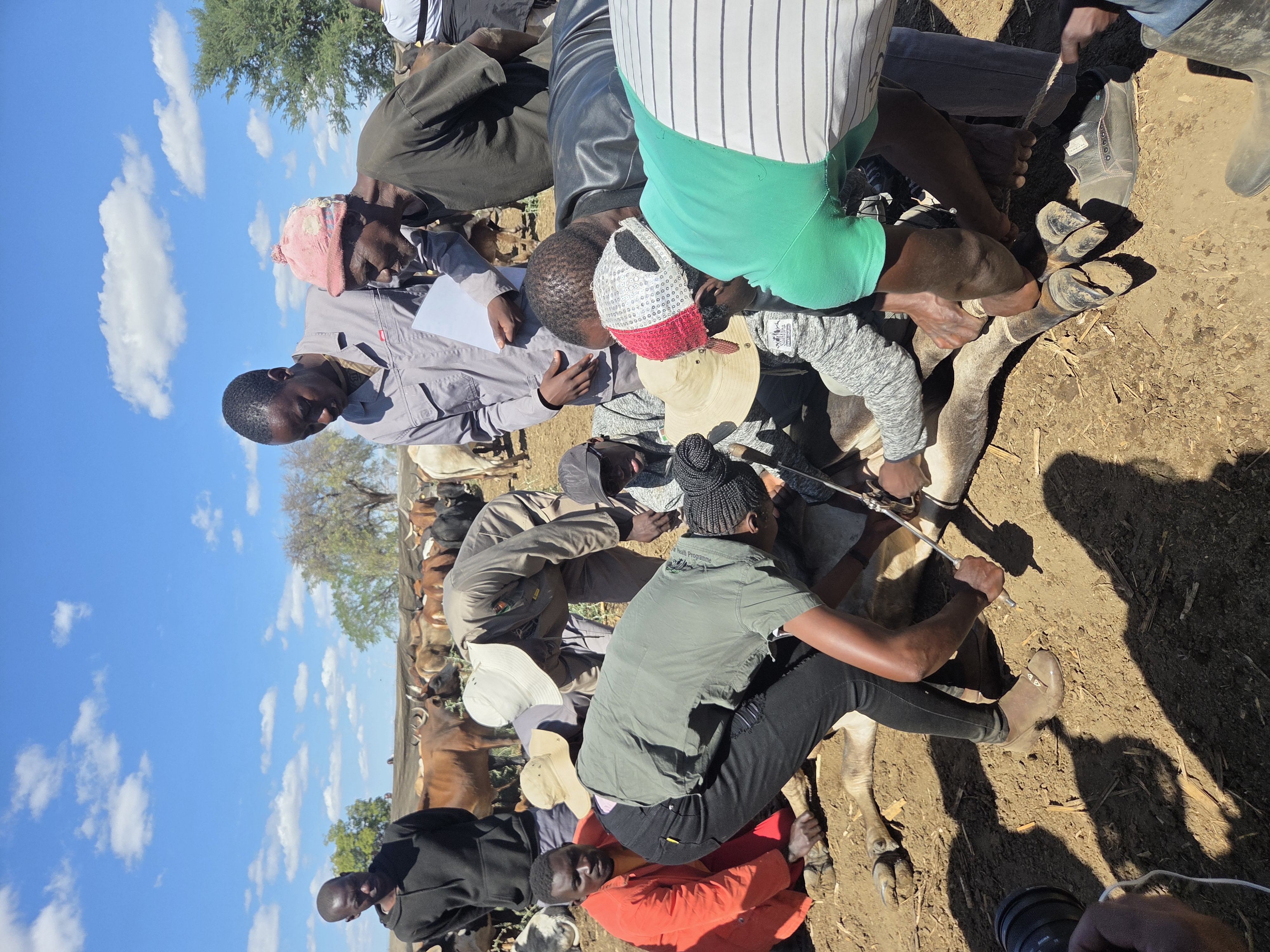
At the heart of the model are mobile Bomas—secure enclosures where up to 300 cattle can be kept at night. Inside, animal dung is collected and used as fertilizer, enriching the soil for crops such as maize. The Bomas also provide round-the-clock security, reduce livestock theft, and allow farmers to monitor their herds’ health closely. By moving the Bomas regularly, farmers spread fertility across degraded areas, giving pastures a chance to recover.
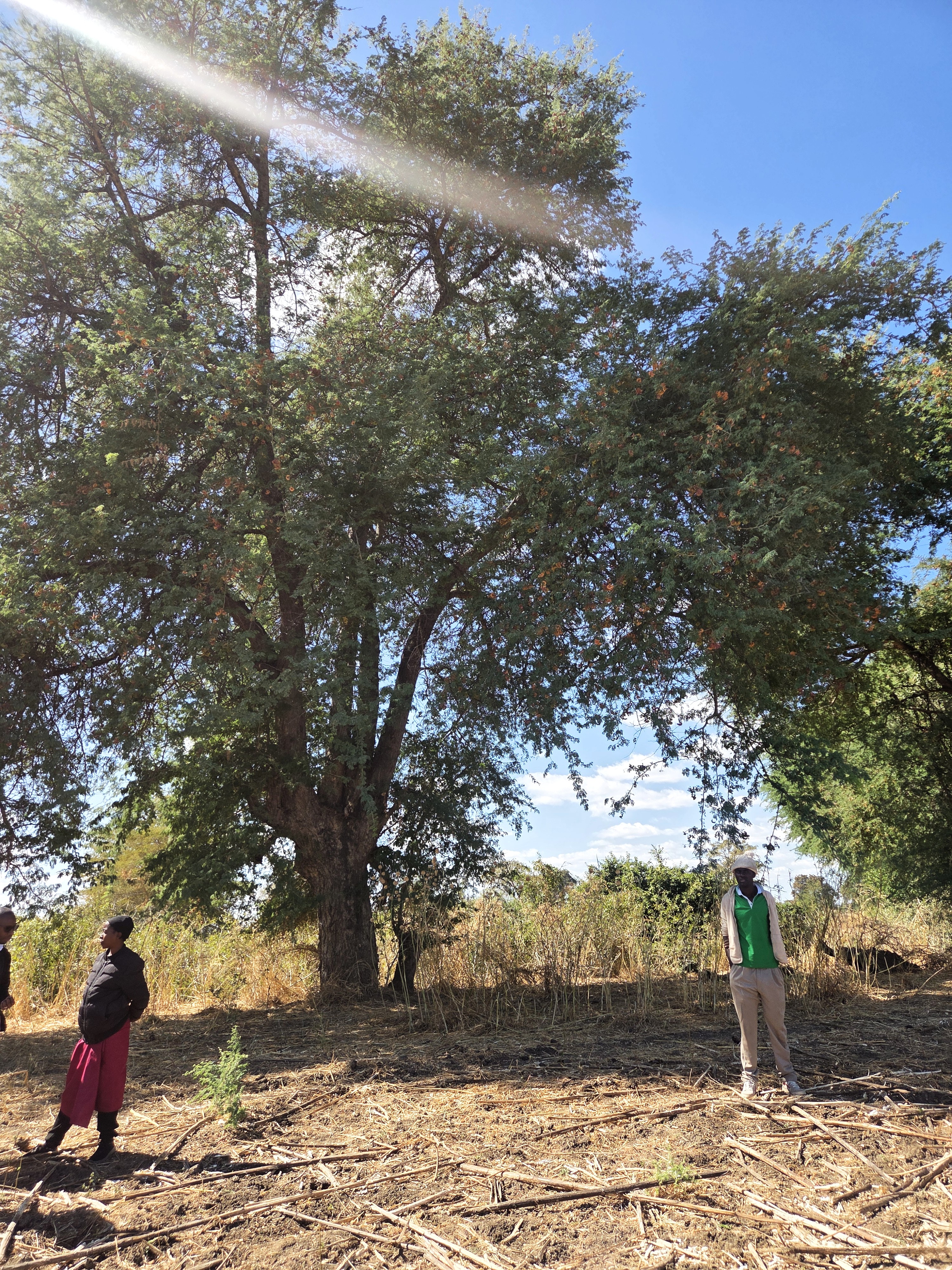
Farmers have also rediscovered the value of indigenous species like the Masungu tree. “It is our magic tree,” explained farmer Lounake Sikelenge with a smile. “Its pods taste like biscuits for the cattle, and the seeds spread across the field as the animals graze, improving our soils naturally.”
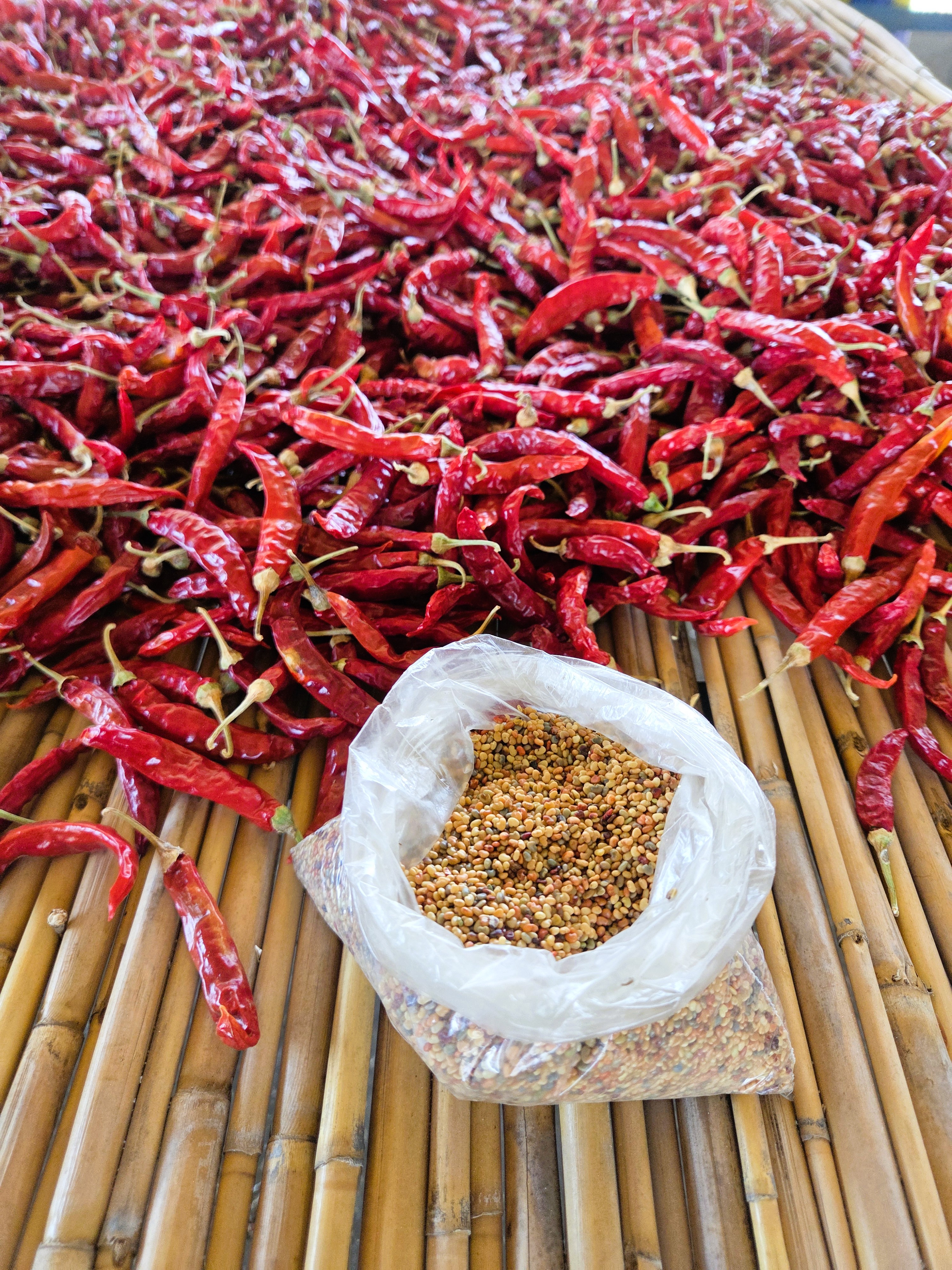
Meanwhile, the Kasheshe Cooperative has found innovative ways to link conservation and livelihoods. Members are planting onions and chili peppers, crops that not only generate income but also help mitigate human–wildlife conflict. “Chilies keep elephants away,” one member explained. “Instead of losing everything to animals at night, we can harvest, feed our families, and even sell at the market.”
It is therefore evident that people need nature to thrive, as without proper management techniques and healthy grazing areas, the animals won’t reach their optimum weight or health and harvests won’t be as successful, leading to a depletion in food and income source for the members of the farming association.
While this is only the beginning of implementing the Herding for Health model in Zambia, farmers are already seeing the difference. “We are grateful for this model,” Jacob concluded. “It is restoring our land and restoring our hope for the future.”
The author is a Junior Communication Officer at Conservation International South Africa