Food security, nutrition, and sustainable livelihoods are not just words in Malawi’s development agenda; they are daily realities for millions of families. In villages across the country, mothers search for affordable, nutritious food for their children, and farmers struggle with erratic rains and poor soils. Recognizing the potential of local food plants in contributing to these goals, several partners have come together to implement a project titled “Rooted in Diversity (RiD)”, also referred to as “Partnerships for Food Security and Livelihoods.
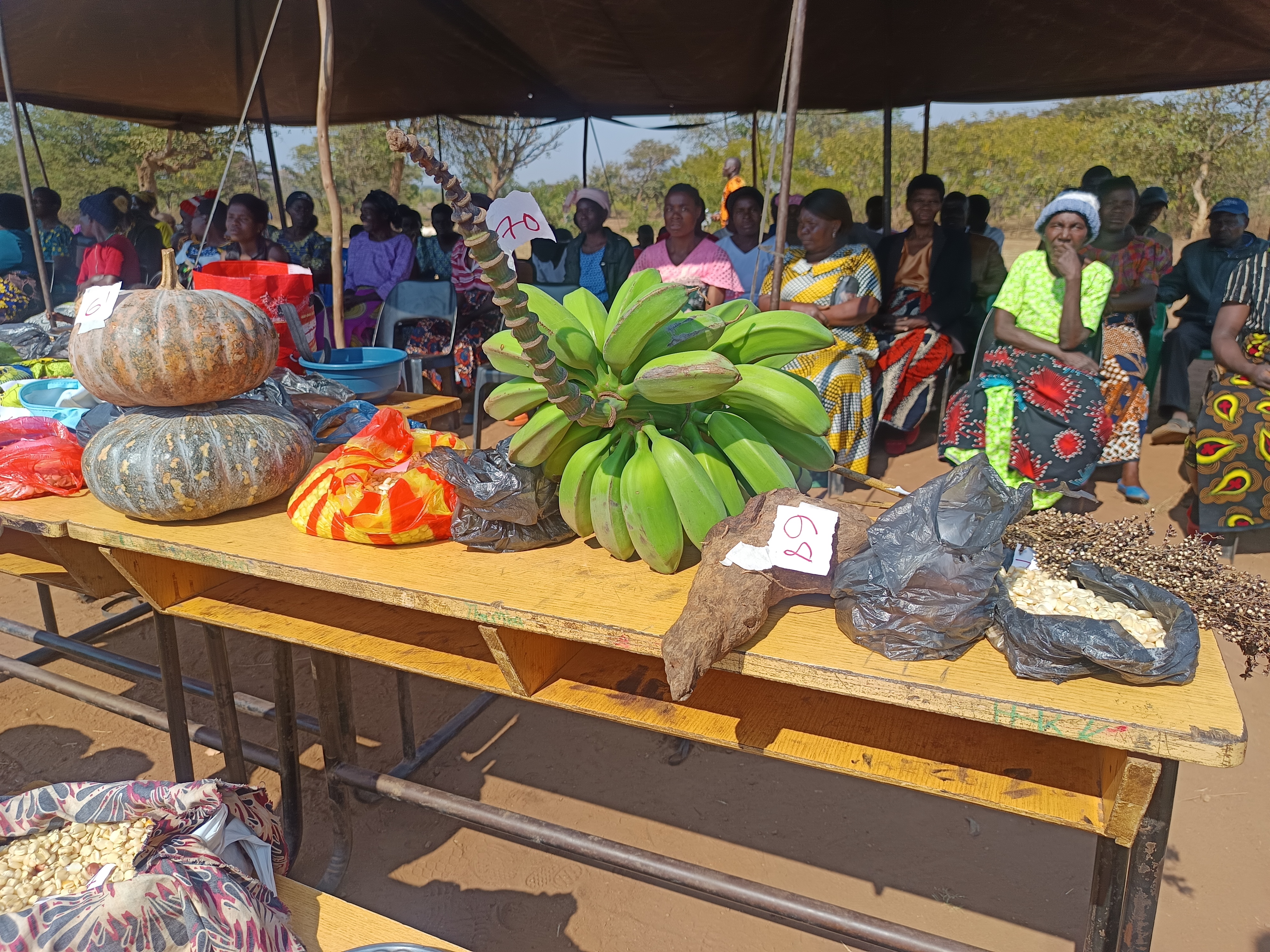
Now in its second year of implementation, the three-year initiative is transforming how communities see and use their own indigenous crops. The project is led by the Centre for Integrated Community Development (CICOD) and the Evangelical Lutheran Development Services (ELDS), with funding from NORAD through Oxfam. The Ministry of Agriculture (MoA) plays a crucial role, with the Department of Agricultural Research Services (DARS) utilizing Participatory Plant Breeding (PPB) to improve varieties while preserving local traits, and the Department of Agricultural Extension Services (DAES) ensuring that knowledge reaches every farmer.
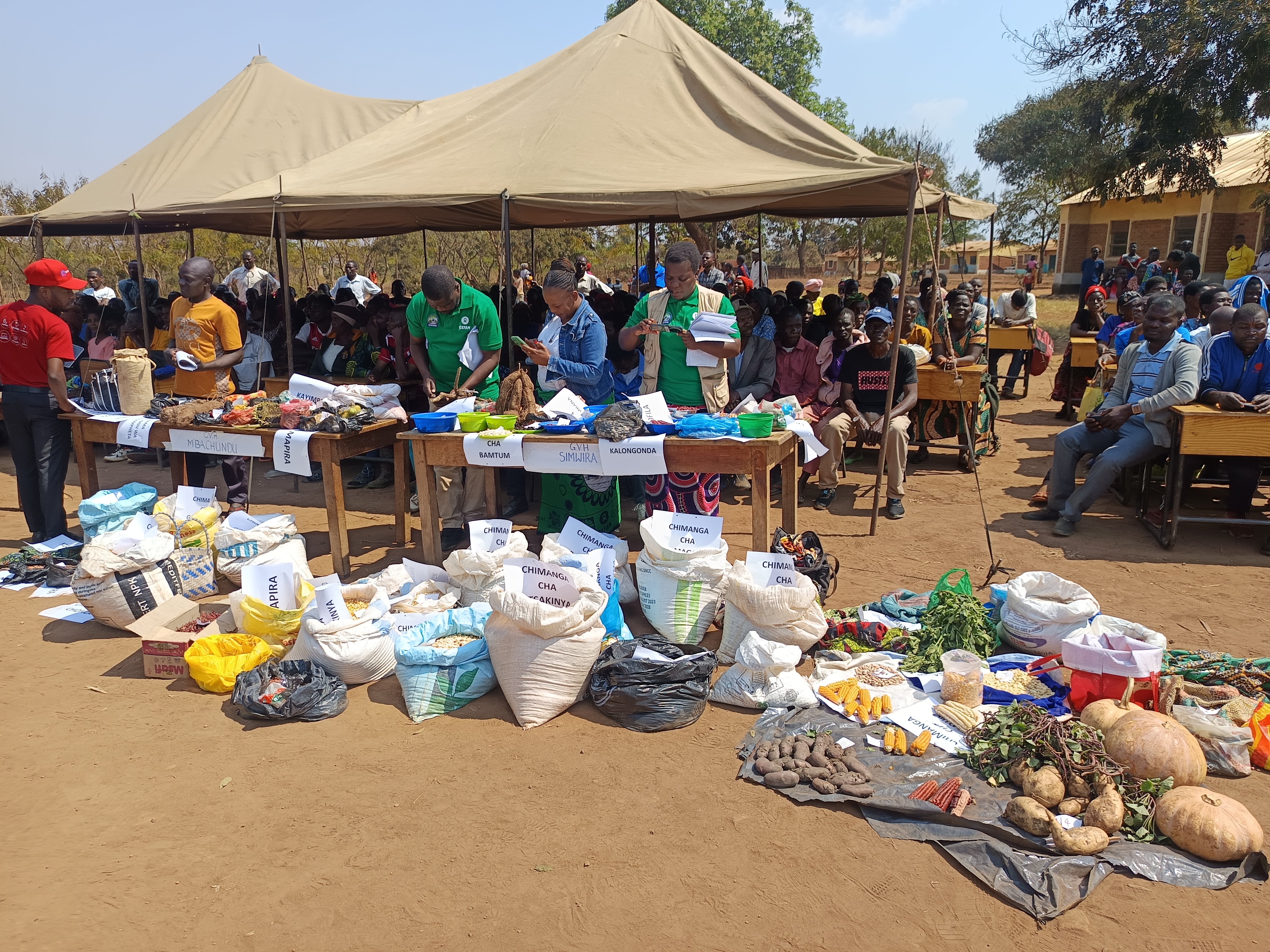
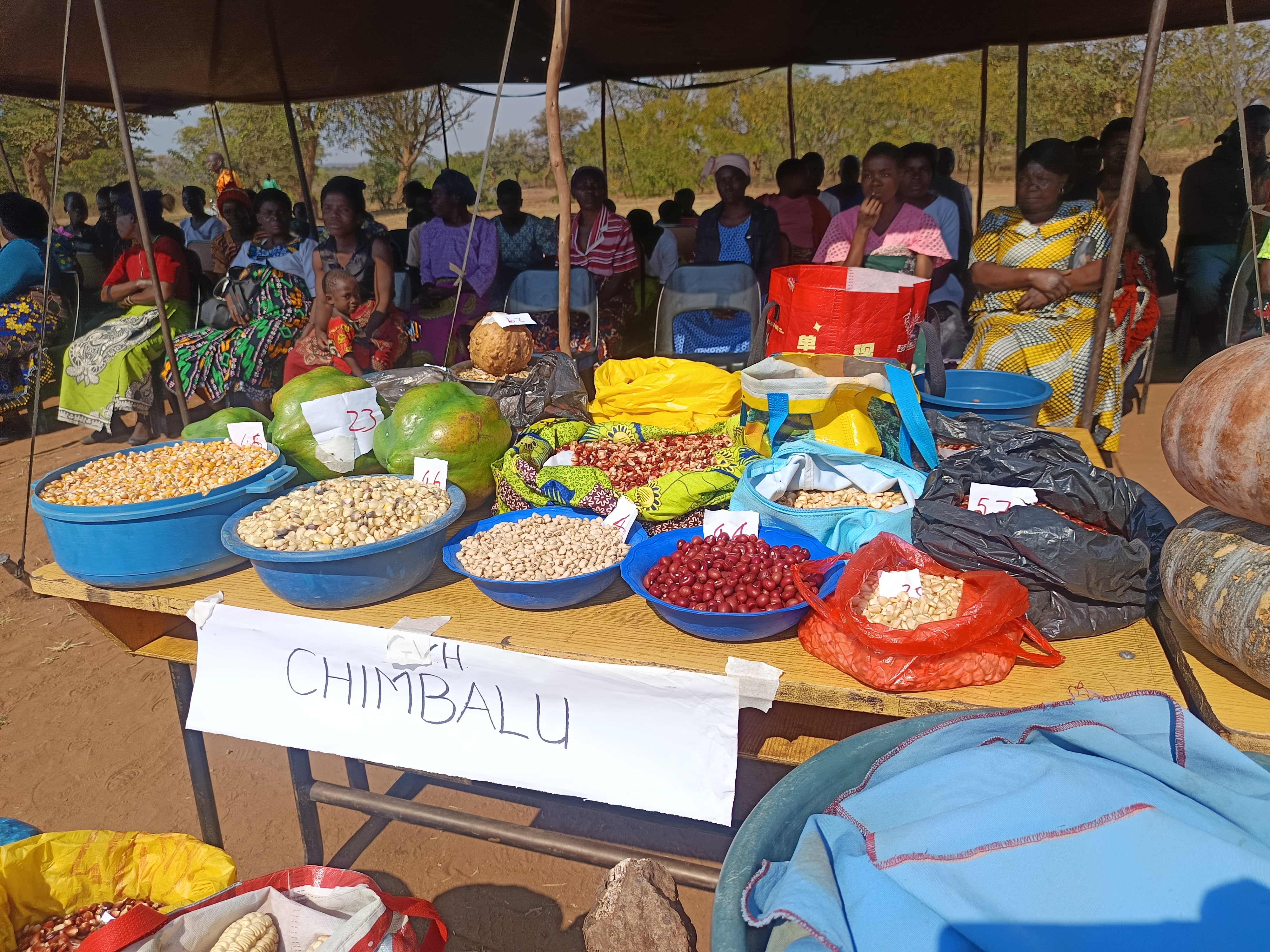
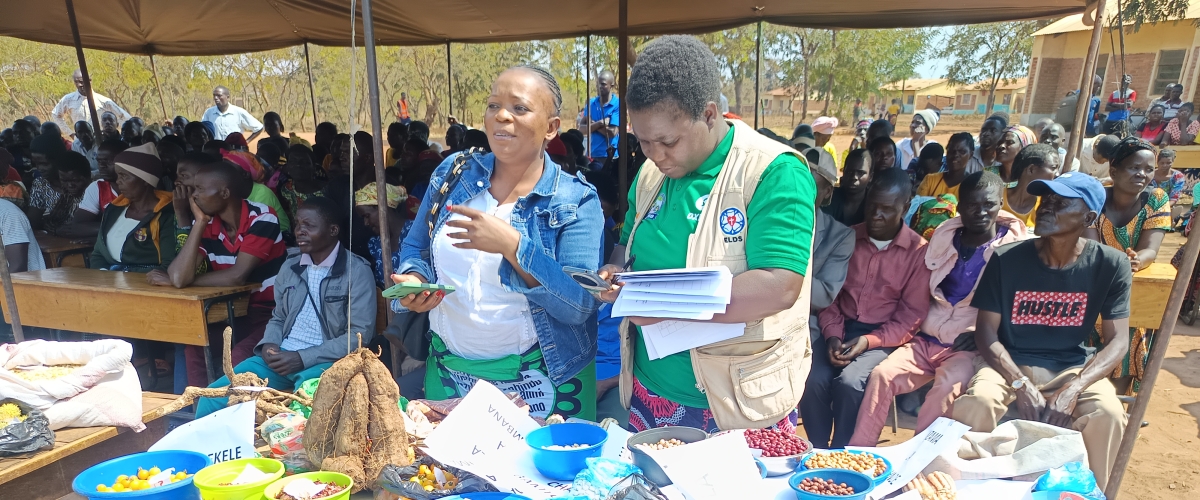
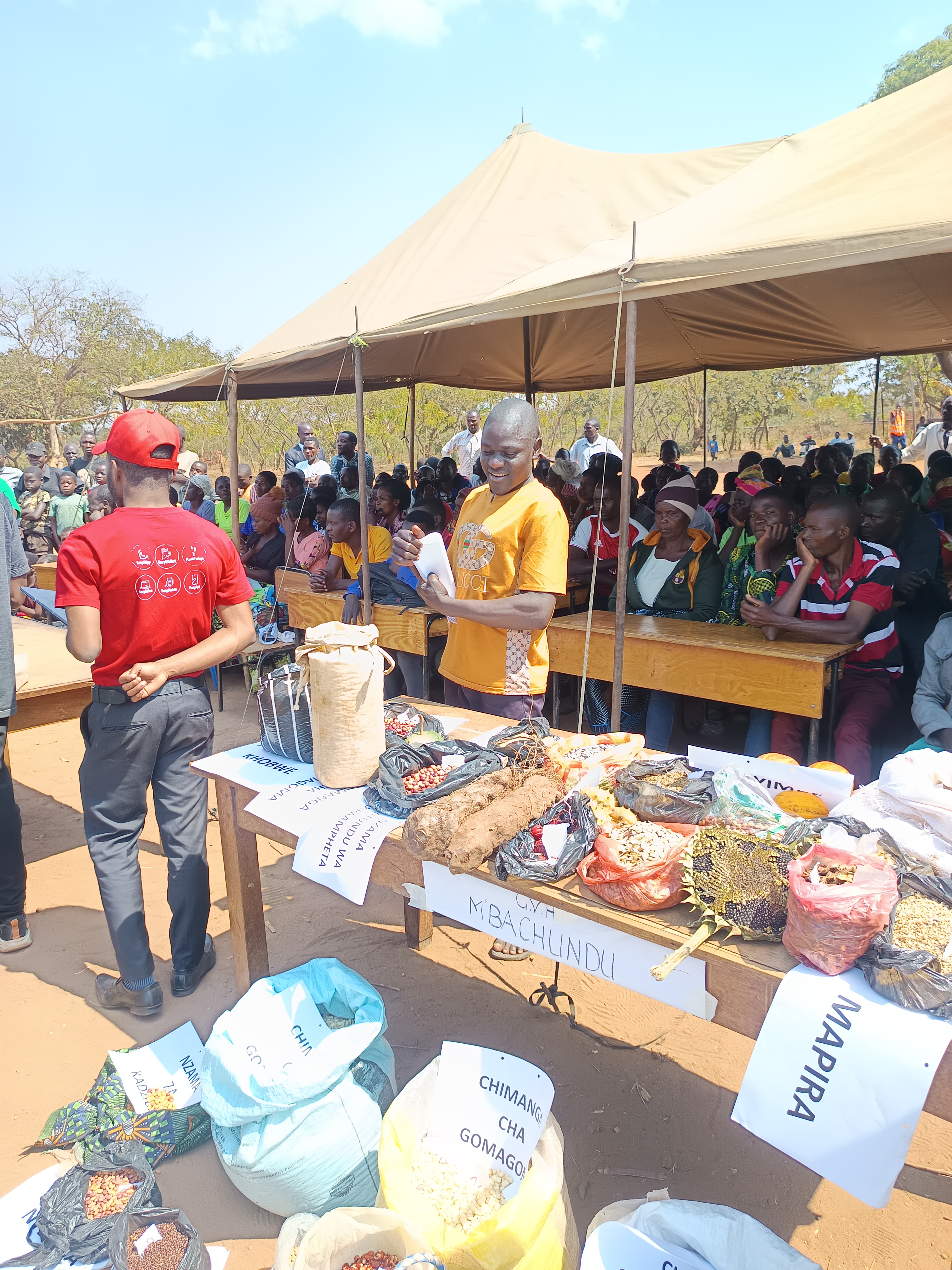
One of the project’s most inspiring moments came during the Diversity Seed Fair held at Nambuma in Dowa District. The fair was a celebration of culture, food, and resilience. Stalls overflowed with colorful displays of indigenous grains, legumes, vegetables, and root crops. Women demonstrated new recipes, while elders explained the traditional uses of forgotten plants. “These foods kept our grandparents strong,” one farmer proudly shared. “We must bring them back, not only for taste but for survival.”
The fair also turned into a marketplace of ideas and seeds. Farmers swapped maize for sorghum, beans for groundnuts, and indigenous vegetables that had nearly disappeared found new homes in farmers’ fields. This exchange strengthened community seed systems, reduced dependency on external suppliers, and gave farmers renewed ownership of their agricultural heritage. “I came with two seed varieties and went back with five,” said a smiling participant. “Next season, my family will eat better and sell more at the market.”
The project’s impact goes beyond the fair. By linking research institutions, development organizations, and communities, RiD has created a vibrant multi-stakeholder platform. Researchers provide technical expertise, extension workers carry messages to farmers, and local organizations ensure that interventions remain practical and rooted in community realities. Above all, it is the farmers themselves who are shaping the outcomes, ensuring the project is not only relevant but also sustainable.
As RiD enters its final year, momentum is building. The focus now shifts to scaling up success stories, expanding seed networks, and deepening community capacity. “We have seen what local crops can do,” said a DAES officer. “They fight hunger, they fight malnutrition, and they give dignity back to our farmers.”
Rooted in the rich agricultural diversity of Malawi, this initiative demonstrates that the key to food security and resilience lies not in imported solutions, but in the seeds, soils, and traditions of local communities themselves.
The author is the ICKM Focal Person for CCARDESA) and Communications Officer at the Department of Agricultural Research Services, Ministry of Agriculture, Malawi