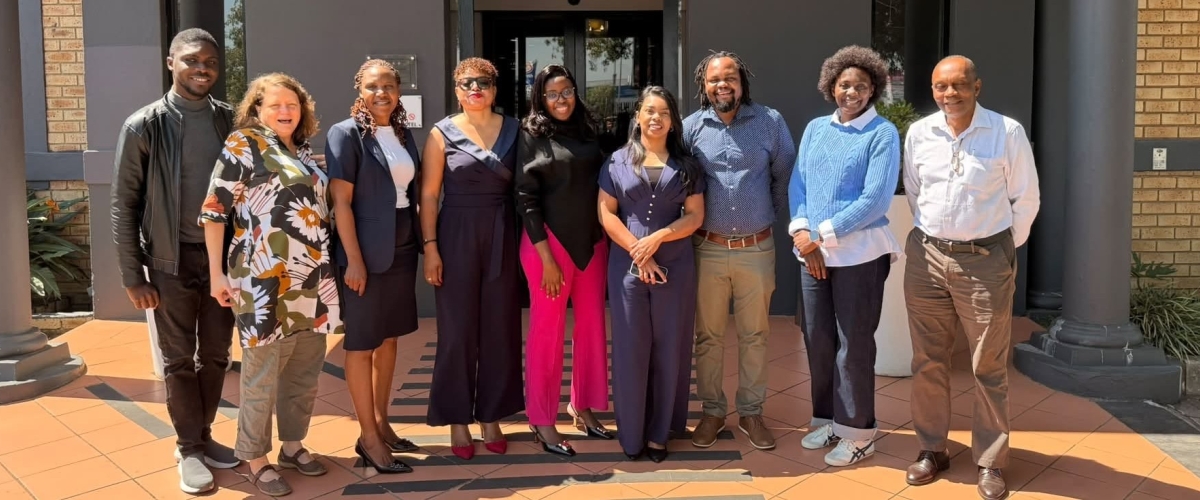
17 September 2026, Johannesburg, South Africa – Partners of the Regional Agroecology Network for Southern Africa (RAENS) have developed a draft Information, Communication and Knowledge Management (ICKM) Framework to improve how agroecology knowledge is generated, documented, shared and used across the region. The framework was developed during a three-day regional workshop convened by the Centre for Coordination of Agricultural Research and Development for Southern Africa (CCARDESA) from 15 to 17 September 2026 in Johannesburg, South Africa. The workshop brought together representatives of RAENS partner institutions to jointly define a practical knowledge-management system for the network.
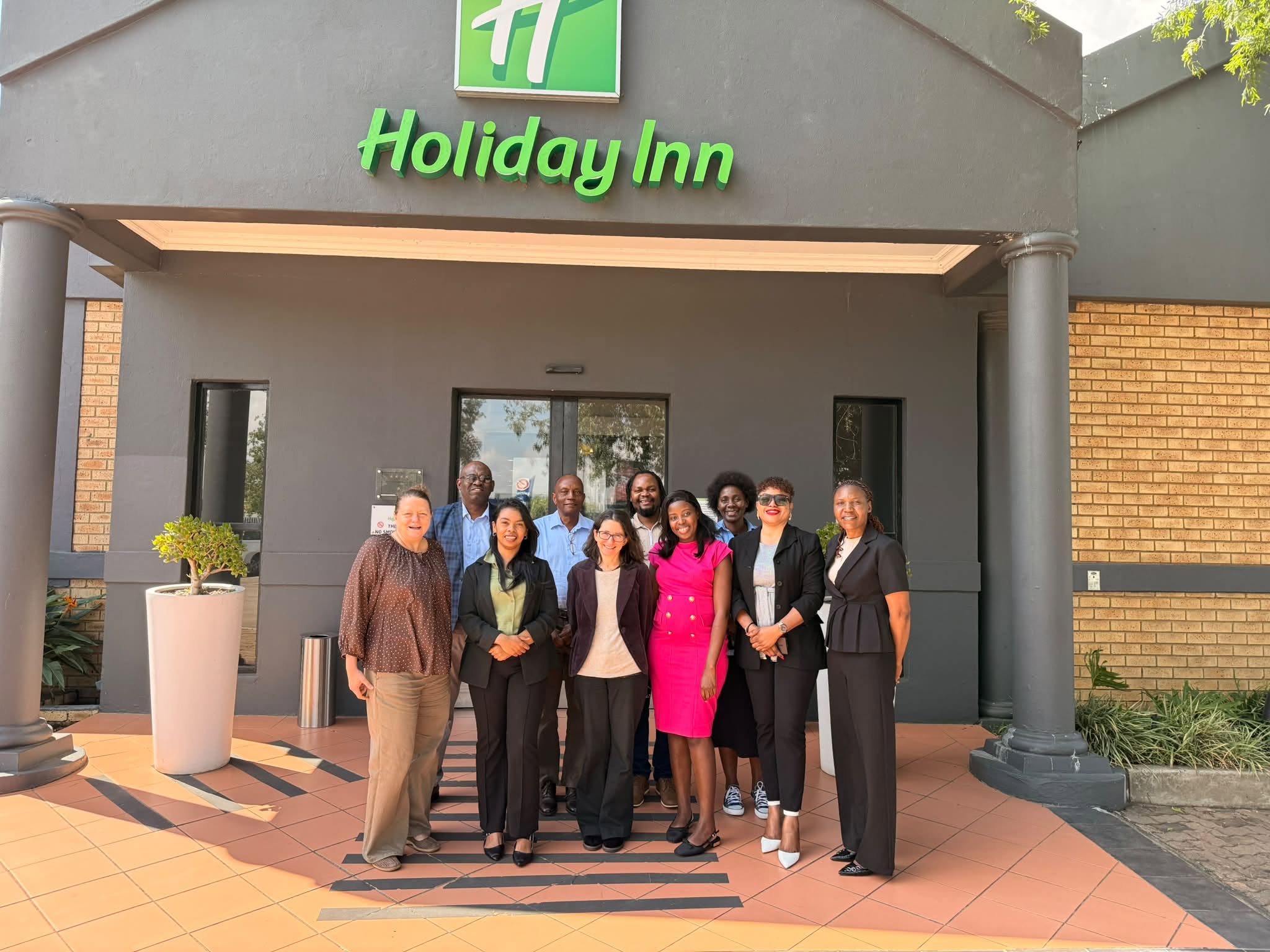
RAENS is a European Union-funded initiative coordinated by CCARDESA to advance agroecological transitions in Southern Africa through research collaboration, knowledge exchange, capacity development and policy engagement. Its partners include Lilongwe University of Agriculture and Natural Resources, Sokoine University of Agriculture, Marondera University of Agricultural Sciences and Technology, the University of Cape Town, the Zambia Agricultural Research Institute, the Research Institute of Organic Agriculture, the Landscape Alliance and Young Professionals for Agricultural Development.
From dispersed knowledge to a connected regional system
Agroecology generates knowledge through research, field implementation, farmer experience, indigenous practices, training and policy engagement. However, this knowledge is often scattered across institutions, retained informally or presented in formats that are not easily accessible to farmers, extension services, policymakers and other intended users. The workshop therefore focused on transforming the knowledge already being produced by RAENS partners into a more connected and functional regional knowledge system. Opening the workshop, Dr Norotiana Rasambo, RAENS Program Officer at CCARDESA, welcomed participants and emphasized the importance of active collaboration among the partners. Dr Bridget Kakuwa-Kasongamulilo subsequently outlined the objectives, expected outputs and participatory approach of the workshop.
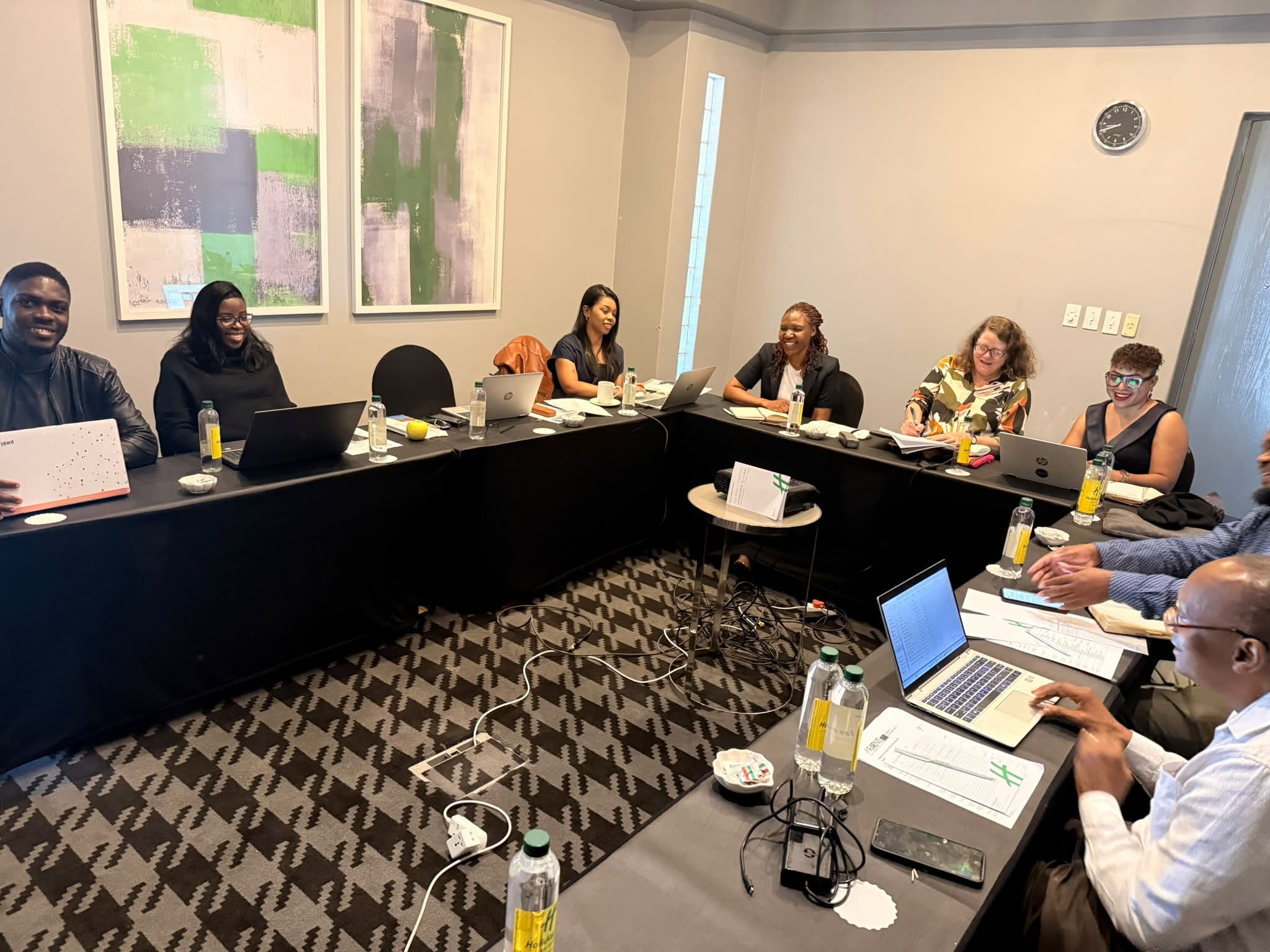
Dr Brittany Kesselman situated knowledge management within the broader RAENS project, while Ms Sharon Omuya, Community Manager from CIFOR-ICRAF/Landscape Alliance, presented the Agroecology Transformative Partnership Platform (TPP), a digital system proposed to support the RAENS Regional Agroecology Knowledge Hub. The platform will provide a central location for storing, organising and sharing RAENS knowledge products, including research publications, policy briefs, technical reports, training and extension materials, case studies, videos, podcasts, infographics, presentations, datasets and documented agroecological innovations. Its functions include uploading and categorizing products by country, institution, theme and product type; searching and filtering resources; profiling partners and experts; publicizing events and learning opportunities; supporting collaboration and knowledge exchange; and tracking product views, downloads and user engagement. CIFOR-ICRAF will lead the platform’s technical processes, while all RAENS partners will contribute validated knowledge products and CCARDESA will coordinate regional dissemination, learning and reporting.
Dr Kakuwa presented an overview of the existing CCARDESA ICKM Strategy and knowledge-management approach. These presentations provided a foundation for examining the systems, platforms and institutional capacities already available to support the network. Participants also reviewed CCARDESA’s existing knowledge infrastructure, including its Knowledge Hub, mobile application, website, newsletters, discussion forums, social-media platforms and digital repository. The discussions showed that several channels for regional knowledge exchange already exist. The key task is to ensure that partners regularly generate, package and submit relevant knowledge products through these channels.
Co-designing the RAENS knowledge cycle
Dr Kakuwa facilitated the development of the RAENS Information, Communication and Knowledge Management (ICKM) Framework using participatory methods that ensured all partner organisations were fully involved throughout the process. Rather than developing the framework through presentations alone, participants worked collectively on a shared document throughout the workshop. The process combined presentations, plenary discussions, gap analysis and practical working sessions. This inclusive approach enabled each organisation to contribute its expertise and perspectives, build consensus and develop a shared sense of ownership and commitment to implementing the framework. The resulting knowledge cycle covers the generation, capture, validation or quality assurance, packaging, storage, dissemination and use of knowledge. It also incorporates monitoring, learning and feedback so that lessons from knowledge users can inform future research, programming and communication.
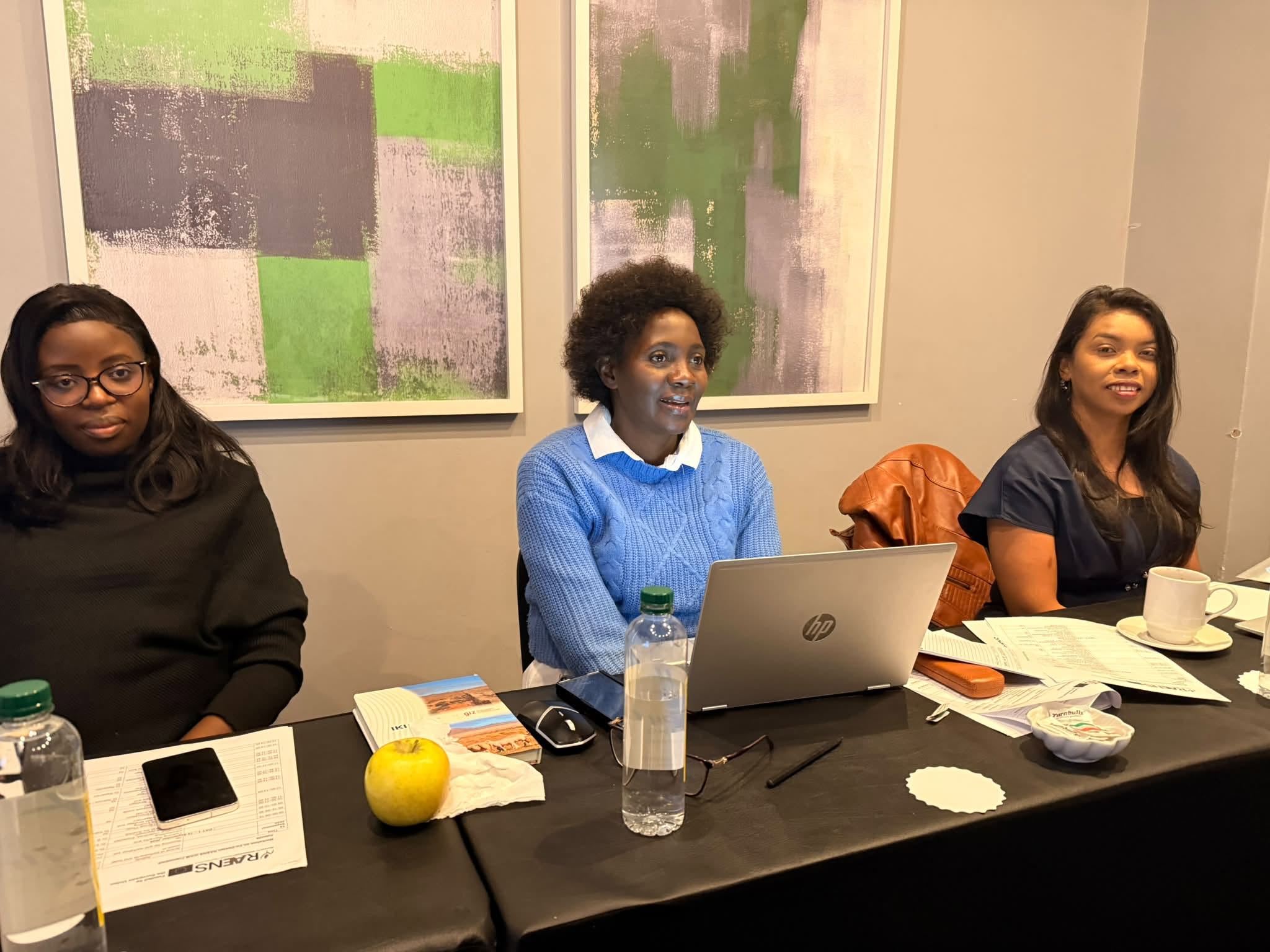
Participants agreed that knowledge generation should not be viewed as the responsibility of researchers and universities alone. Farmers, young people, extension services, civil-society organizations, policymakers and other practitioners also possess valuable knowledge that should be recognized and incorporated into the system. Particular attention was given to tacit and indigenous knowledge that may not ordinarily appear in research reports or formal publications. Partners discussed the need to document farmer experiences, field-level innovations, implementation processes and evidence of change through formats such as case studies, blog posts, videos, photographs, infographics, policy briefs and technical publications.
The discussions highlighted the importance of matching each product and communication channel to its intended audience. Technical reports and journal articles may be appropriate for researchers, while farmers, young people, extension officers and policymakers may require shorter, visual or more practically oriented formats.
Strengthening policy engagement and visibility
The workshop recognised that producing knowledge is not enough. Evidence must reach and relevant decision-makers and be presented in ways that support informed policy discussions, planning and decision-making.
Participants therefore discussed how research findings and field experiences could be converted into accessible policy products and presented through national and regional policy platforms. They also emphasised the value of documenting results and lessons consistently to demonstrate the contribution of RAENS to agroecological transformation and to strengthen engagement with development partners.
Communication was identified as an integral part of the knowledge cycle. Regular stories, photographs, videos and updates from partner activities can increase public understanding of agroecology, make the work of the network more visible and demonstrate the practical value of collaborative regional action. The group encouraged partners to make greater use of institutional and regional platforms, choosing communication channels based on the audiences they seek to reach. Partners also committed to sharing links to published materials so that these can be amplified across the network.
A practical framework for continued collaboration
By the close of the workshop, participants had produced a draft RAENS ICKM Framework covering the strategic context, stakeholder and knowledge needs, guiding principles, knowledge flows, products and platforms, roles and responsibilities, implementation arrangements, and monitoring and learning. The workshop also initiated the development of a results framework with indicators and targets to support the monitoring of knowledge generation, dissemination, engagement, use and learning.
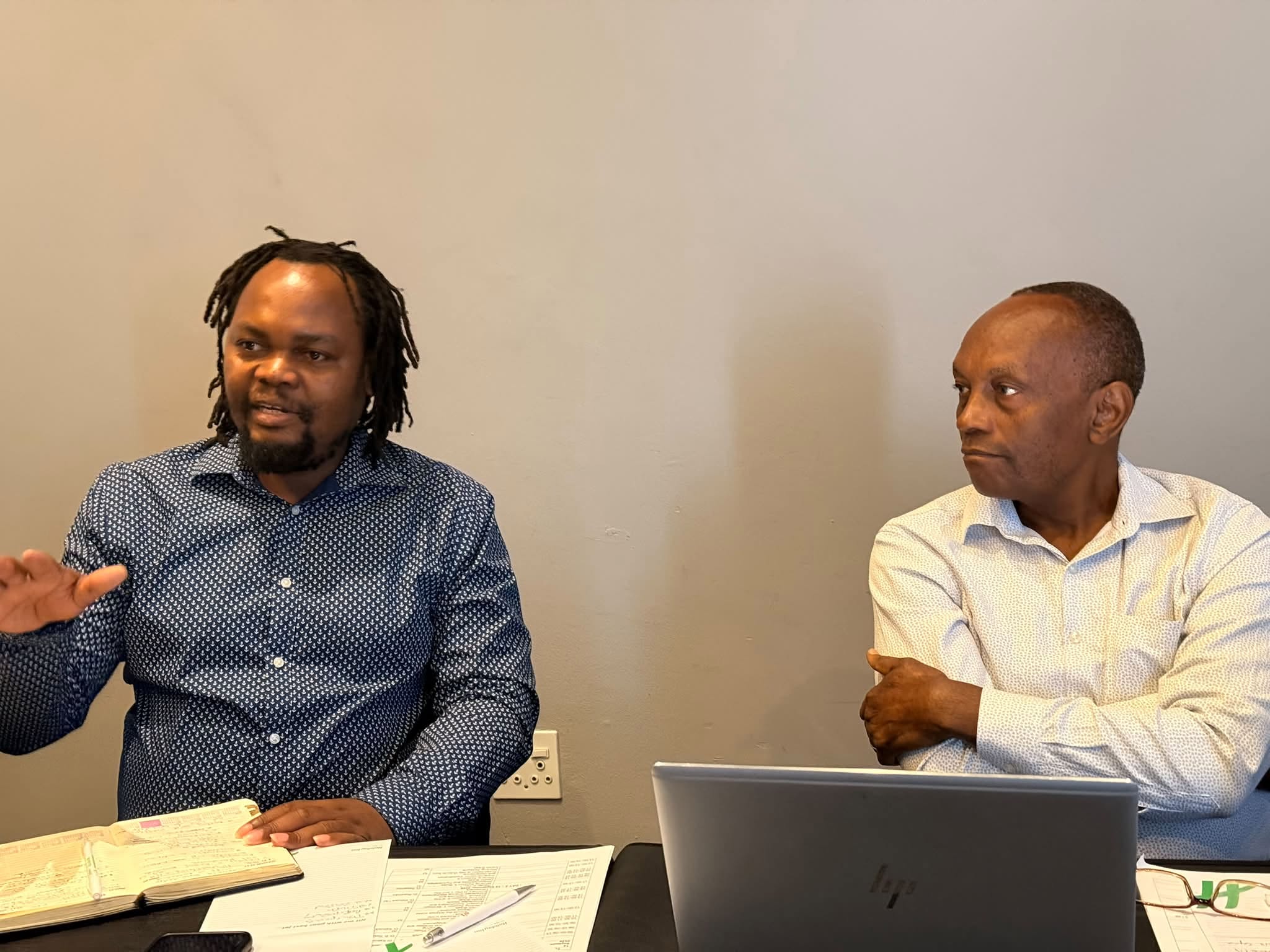
In her closing remarks, Dr Rasambo reminded participants that completing the framework was not the end of the process, but the beginning of more coordinated communication and implementation across the network. She encouraged partners to put the agreed actions into practice, continue sharing their knowledge products and use the framework to strengthen the collective visibility and impact of RAENS. The workshop represents an important step towards ensuring that agroecology knowledge generated across Southern Africa does not remain within individual projects or institutions. Through the new framework, RAENS partners are establishing a shared system through which evidence, experience and local knowledge can move more effectively from research and practice to regional learning, policy engagement and wider application. The next steps will focus on supporting partners in putting the agreed knowledge-sharing practices into action.