
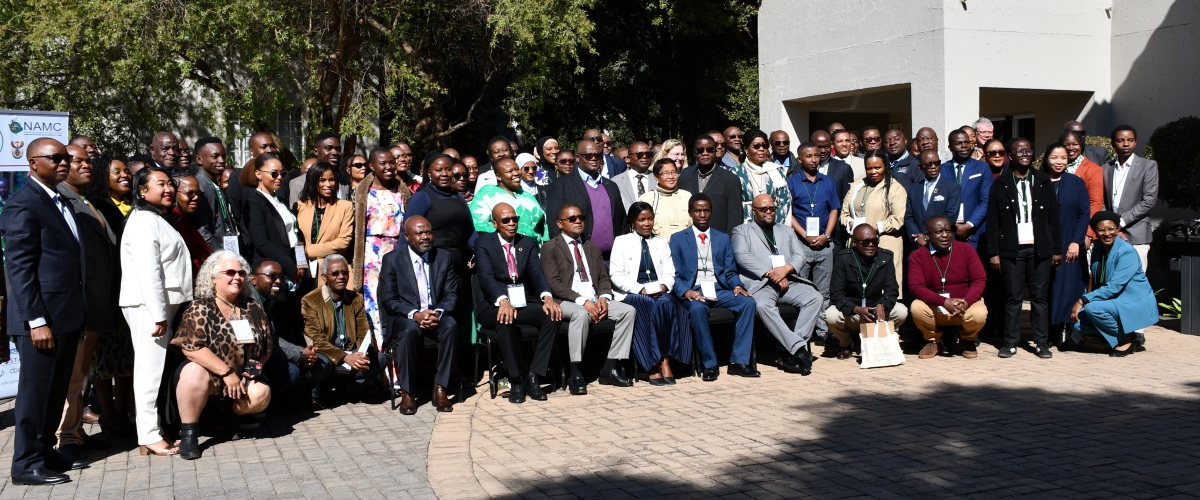
Regional leaders and Agricultural experts have called for urgent, coordinated action to align policies, investment, and governance across the continent during a high-level policy dialogue on African Agri-food systems transformation.
The Executive Director and Head of Mission for the Centre for Coordination of Agricultural Research and Development for Southern Africa (CCARDESA), Professor Cliff Dlamini, has called for stronger collaboration among agricultural institutions to address critical barriers impeding the sector’s growth in the region.
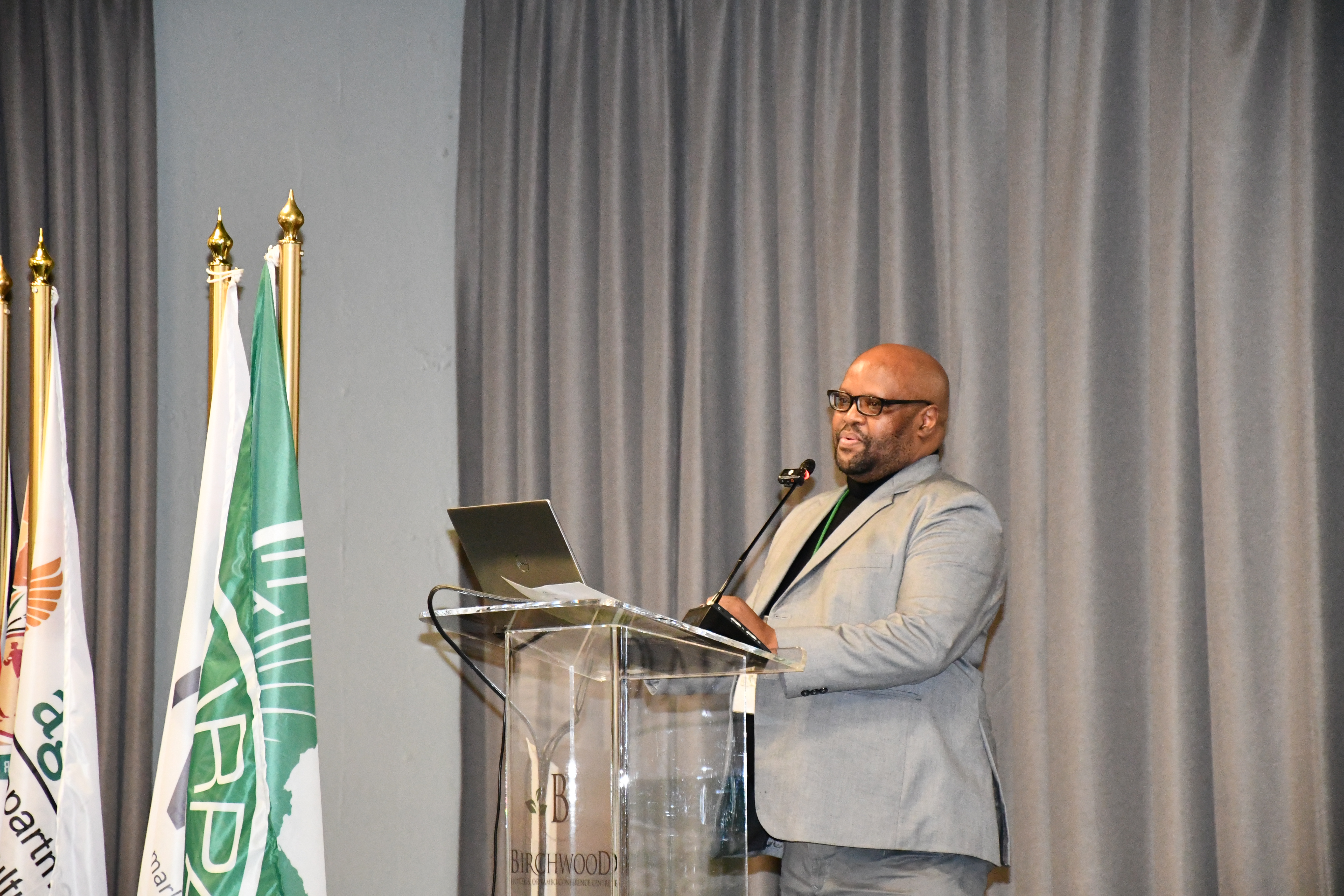
Professor Dlamini highlighted that while infrastructure deficiencies such as roads, inadequate storage facilities, and limited irrigation systems remain a major constraint to agricultural development, an equally pressing challenge is the disconnect between research and practical application on the ground. “Infrastructure remains one of the biggest challenges across the region. From roads to storage facilities and irrigation systems, our farmers are constantly disadvantaged,” he said. He further noted that although universities and research institutions hold a wealth of knowledge, very little reaches farmers in a usable form. “There is a wealth of information stored in research institutions, universities, and libraries, but very little of that knowledge actually reaches the farmer. This disconnect between research and practice is stalling progress where it matters most,” he noted.
Professor Dlamini argued that effective knowledge translation does not necessarily require vast financial resources and called for a shift in strategy to one that prioritises cooperation over capital. His remarks resonated with the broader objectives of the conference, which focused on enhancing policy alignment, knowledge dissemination, and inclusive innovation in agriculture.
And African Agricultural Technology Foundation (AATF) Executive Director, Dr. Canisius Kanangire, has urged African nations to embrace a united front in transforming the continent’s agriculture, asserting that no single country can succeed in isolation. Dr. Kanangire stressed the importance of aligning not only agricultural policies, but also financial investments, technical capacity, and political will, adding that comprehensive, cross-sectoral alignment is essential to achieve lasting transformation. “At the core of this mission is the need to prioritise the needs of farmers, particularly women and youth, who form the backbone of African agriculture. AATF is committed to working alongside governments, regional organisations, the private sector, and development partners to ensure that policy frameworks are enabling and that African farmers remain at the forefront of the agricultural transformation agenda.”
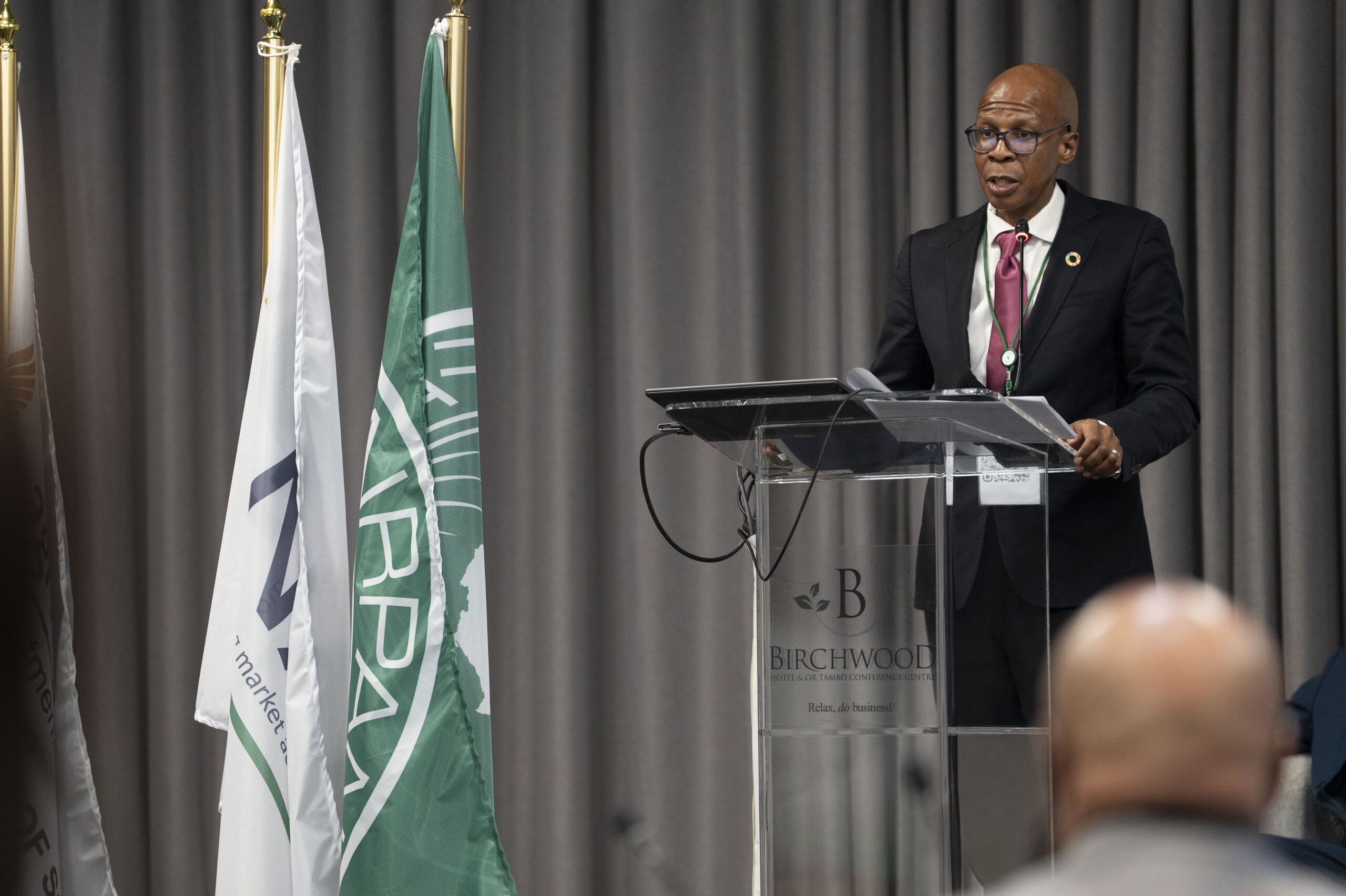
When delivering his keynote address, Director-General of South Africa’s Department of Agriculture, Mooketsa Ramasodi, cited statistics on global hunger and rising food insecurity while calling for a radical rethinking of Africa’s approach to food production and consumption.
Mr. Ramasodi further warned that unless Africa radically transforms how it grows, distributes, and consumes food, even the most advanced technological and policy innovations will fall short. “Between 638 and 720 million people worldwide experienced hunger in 2024, with Africa bearing the brunt of the crisis. Soaring food prices have made healthy diets unaffordable for over a billion people globally, deepening the crisis of child malnutrition and undernourishment among women of reproductive age,” he revealed.
Addressing the audience, the Food, Agriculture and Natural Resources Policy Analysis Network (FANRPAN) Board Chair, Dr. Aggrey Agumya, urged the delegates to seize the moment to share knowledge, strengthen partnerships, and jointly chart the course for the continent’s agricultural transformation. Dr. Agymya said the 2025 Annual Policy Dialogue is more than a convening; it is an inclusive platform that brings together policymakers, researchers, farmers, youth, and private sector actors to co-create solutions by aligning national, regional, and continental agricultural policies.
“This is your platform, we are laying the foundation for coordinated action that can drive sustainable and resilient food systems across Africa. We invite you to take ownership of it, to collaborate, and to co-create a pathway for real, impactful agricultural transformation in Africa,” he stressed. He said this in a speech read on his behalf by Dr. Dumisani Kutywayo, FANRPAN Board Member.
The remarks from CCARDESA, AATF, FANRPAN, and South Africa’s Department of Agriculture share a unified call for collaborative, cross-sectoral action as essential to achieving meaningful agricultural transformation across Africa.
This came to light during the FANRPAN Annual Regional multi-stakeholder Policy Dialogue in Johannesburg, South Africa, held under the theme, Aligning Regional Policies and Investments for Accelerated Agri-food Systems Transformation in Africa.
The World Bank supported the dialogue through the Food System and Resilience Programme (FSRP) and the Accelerating Impacts of CGAIR Climate Research for Africa(AICCRA), as well as other partners.
The author is a Senior Agricultural Information Officer at NAIS and also the CCARDESA ICKM Focal point person for Zambia