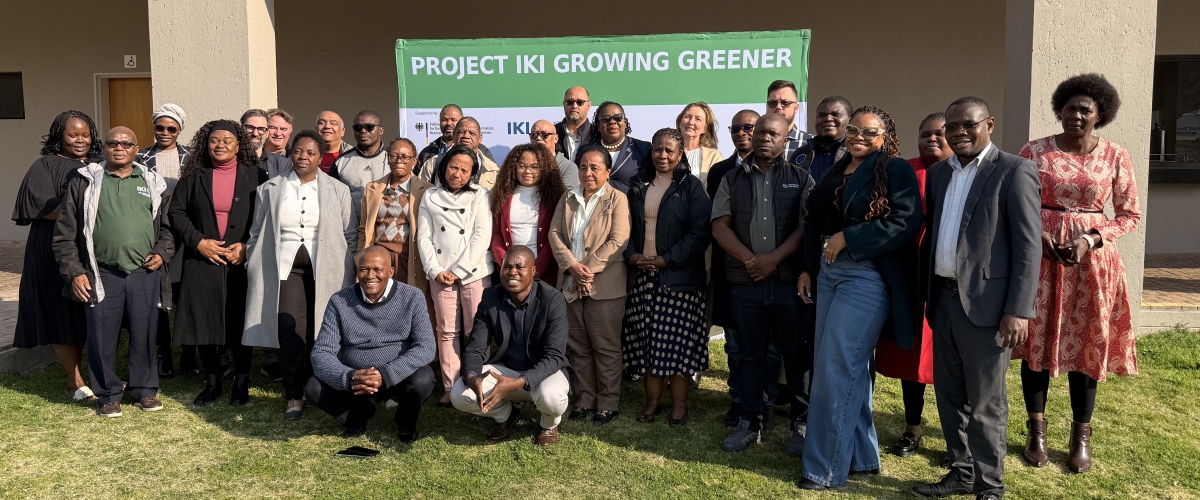
SPRINGBOK, SOUTH AFRICA, 27 JULY 2026--Government representatives and implementing partners from Botswana, Madagascar, South Africa and Zambia have renewed their commitment to restoring rangelands, strengthening livestock-based livelihoods and sustaining the achievements of the International Climate Initiative (IKI) Growing Greener project.
The commitment emerged during the third IKI Growing Greener Regional Project Steering Committee meeting, held in a hybrid format at Springbok Inn Hotel in South Africa’s Northern Cape. The meeting reviewed the 2025/26 midterm evaluation, assessed implementation progress and considered priorities for the 2026/27 period.
Namakwa District Municipality Manager Mr Sydney Adams welcomed delegates to Namaqualand and wished them fruitful deliberations. Mr Barney Kgope of South Africa’s Department of Forestry, Fisheries and the Environment described the region as both an important tourism destination and an area where the effects of climate change are increasingly visible. He noted that South Africa was finalizing its National Biodiversity Strategy and Action Plan and thanked the German Government, through GIZ, for its support.
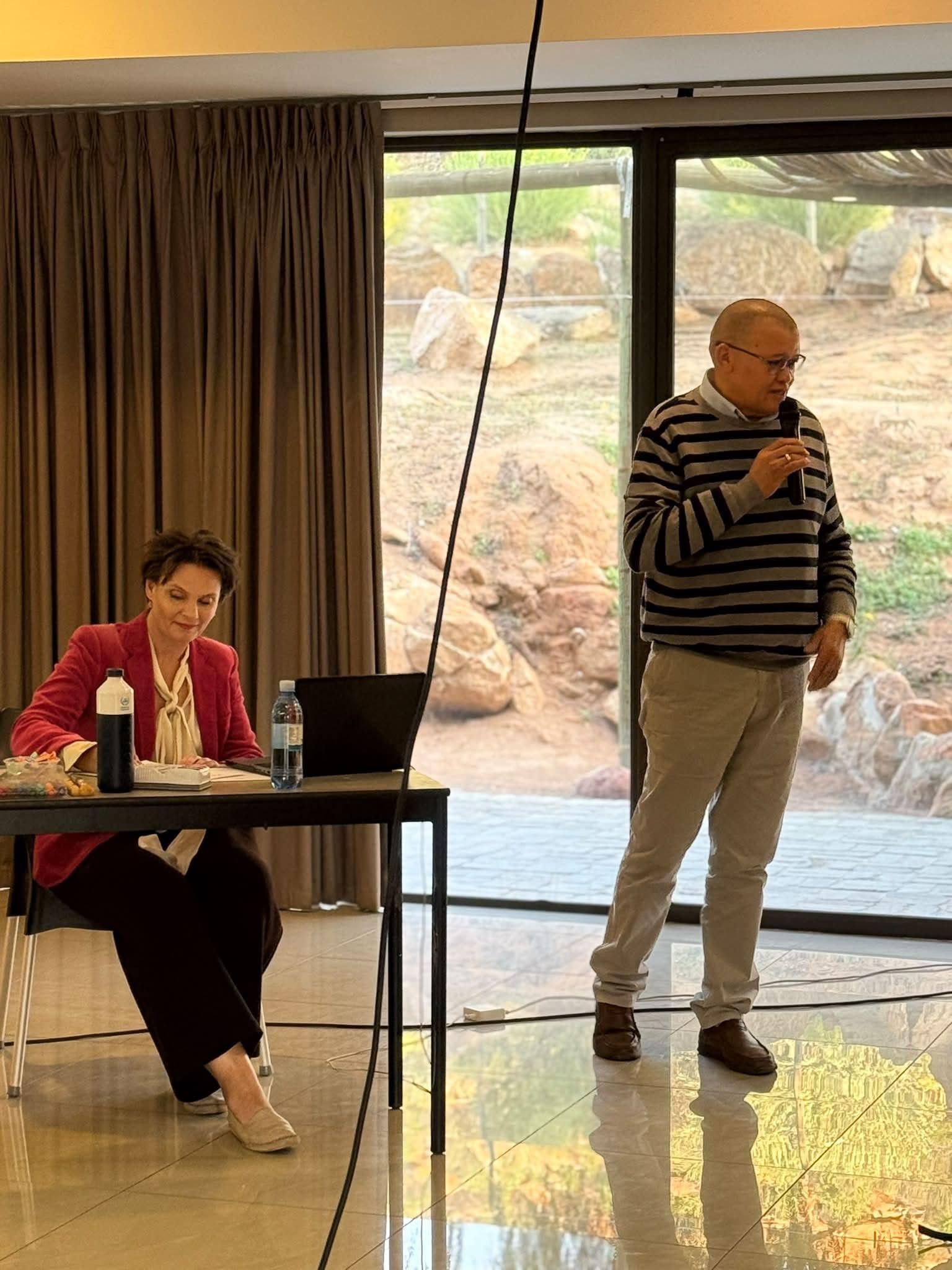
Mr Sydney Adams
Dr Ikalefeng Kgakatsi of South Africa’s Department of Agriculture stressed the need for stronger strategies to protect food security as drought affects the area, while calling for continued investment in successful interventions.
Addressing the meeting virtually, Ms Larissa Stiem-Bhatia, the focal point from the German Federal Ministry for the Environment, Climate Action, Nature Conservation and Nuclear Safety, said sharing experiences and progress among countries remained critical. She thanked project partners and communities for creating an enabling environment for restored rangelands and healthier livestock.
She also highlighted the attention being given to rangelands during the International Year of Rangelands and Pastoralists 2026 and through processes linked to the United Nations Convention to Combat Desertification.
GIZ IKI Growing Greener Program Manager Mr. Martin Leineweber acknowledged the consortium’s efforts and warned that foot-and-mouth disease, recurring drought and the prospect of El Niño conditions made project implementation even more important. He said the scale of livestock production across the participating countries made sound rangeland management an imperative rather than a choice.
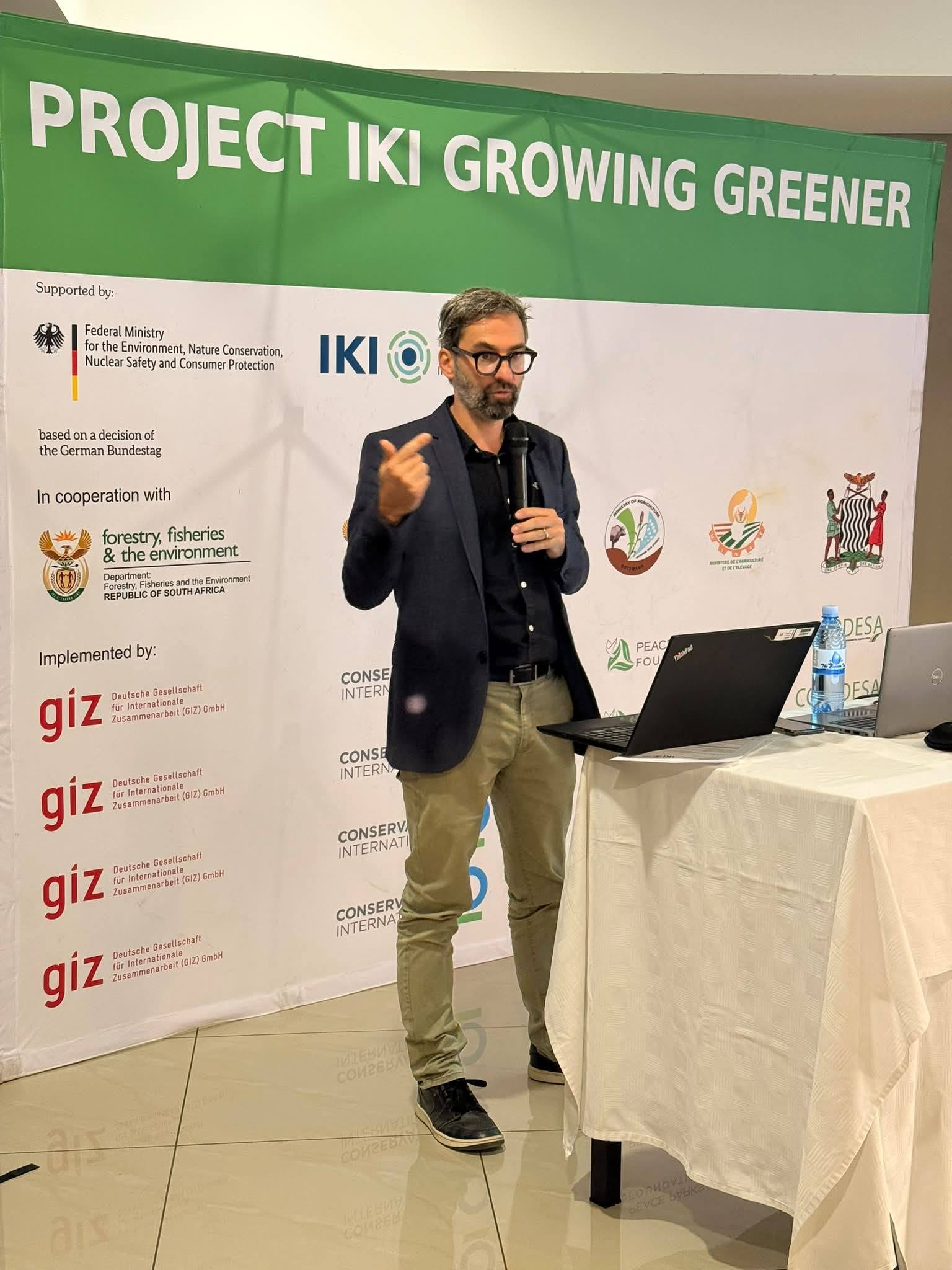
Mr Leineweber
Presenting the midterm evaluation findings, Mr Leineweber guided the committee through the project’s progress and areas requiring deeper attention. The discussion emphasized stronger governance arrangements, clearer routes to policy change, greater use of indigenous knowledge, scientific publication of project results and further exploration of carbon-related opportunities.
National steering committee representatives presented implementation updates and priorities. Botswana’s update was delivered by Ms Ntebaleng Thapelo Chief Forest and Range Resources Officer; Madagascar’s by Ms Haja Randriamalala, Head of Department in the Ministry of Livestock; South Africa’s by Tshifhiwa Munyai, Deputy Director, Biodiversity and Climate Change, and Ms Mmaphuti Setati, Deputy Director: Regulatory Services at Directorate: Animal Production, Department of Agriculture; and Zambia’s by Mr Bornwell Mupeyo, Director in the Ministry of Fisheries and Livestock.
Botswana highlighted its recently developed rangeland management and restoration plan and the challenge of drought-induced livestock movement, which can increase pressure on grazing areas. Zambia shared its ambition to grow cattle numbers and expand goat production, reinforcing the need to link livestock growth with sustainable rangeland and animal-management systems.
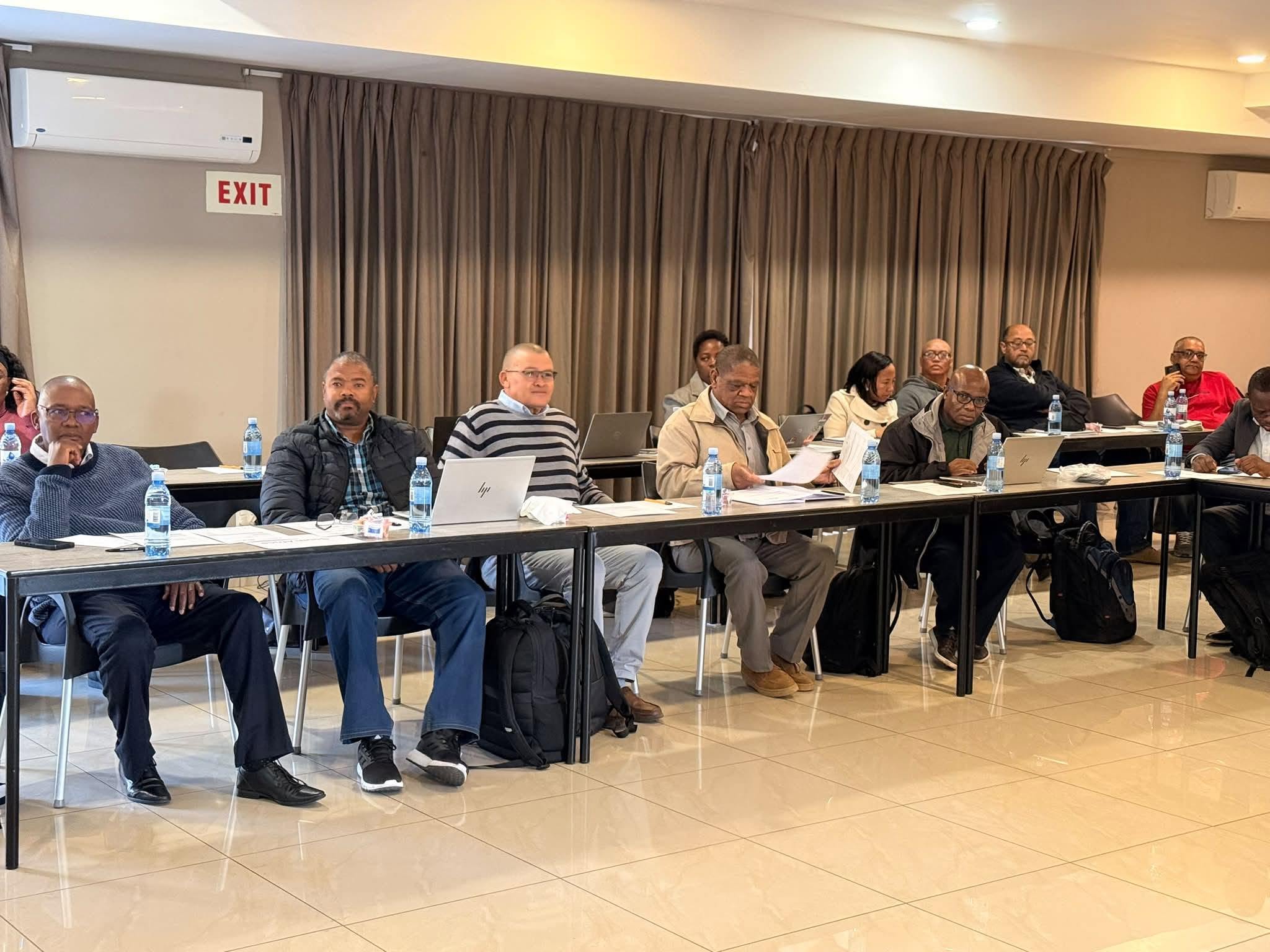
Consortium partners reported on achievements during 2025/26 and outlined their plans for 2026/27 under the project’s four outputs. During the meeting, consortium partners presented progress under the project’s four outputs. Ms Caroline Rose, Conservation International Manager, and Mr Steven Matema, Peace Parks Foundation Manager, presented Output 1: Community-led Agro-pastoral Practices and Nature-based Solutions and Output 2: Restoration Economies. They highlighted efforts to strengthen community-led rangeland management, promote nature-based solutions, improve livestock production and connect farmers to sustainable markets and livelihood opportunities. Output 3: Enabling Policy Environment was presented by GIZ Technical Advisers Ms Chandapiwa Molefe for Botswana, Ms Rianala Ravohitsoa for Madagascar, Dr Misheck Musokwa for South Africa and Mr Doubt Chibeya for Zambia. They reported on efforts to strengthen national and regional policies and regulations supporting sustainable land use. Presenting Output 4: Capacity to Scale, Dr Bridget Kakuwa-Kasongamulilo, CCARDESA’s Information, Communication and Knowledge Management Manager, outlined progress in producing knowledge materials, organising training and promoting national and regional knowledge exchange to ensure that successful approaches are documented, shared and scaled across Southern Africa.
Participants called for project reports to be translated into accessible products for communities, policymakers and practitioners. Participants also proposed closer engagement with livestock and fisheries directors, stronger links between Indigenous knowledge and science, and technical dialogue on carbon sequestration, biochar and afforestation.
Closing the meeting, Dr Kgakatsi said the project was critical to all four participating countries and expressed hope that its successful approaches could be expanded across the region. He urged partners to keep government officials closely involved so institutions own the work, and its benefits continue after external support ends.
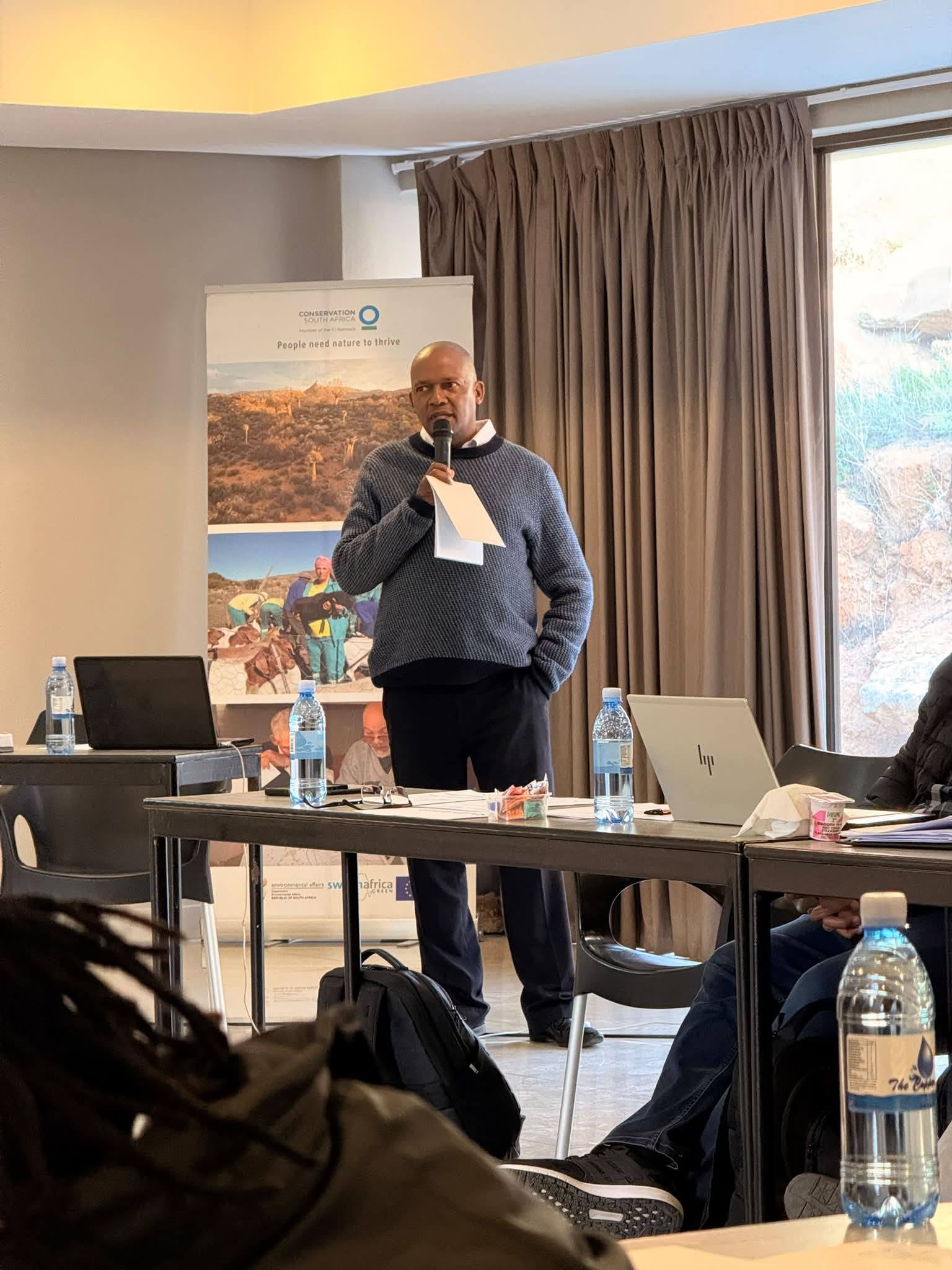
He further called for stronger resource mobilisation and adequate preparation for anticipated El Niño conditions. The fourth Regional Project Steering Committee meeting is expected to be hosted in Antananarivo, Madagascar, around June or July 2027.