Developing agricultural technologies requires considerable investment in research, time and resources. Yet, many promising innovations never reach the farmers who need them most. With limited financial and human resources constraining agricultural extension services, finding affordable and effective ways to bridge the gap between research and farmers has become increasingly important.
In Lesotho, where one agricultural extension officer serves approximately 700 farmers, reaching every farming household with timely technical support remains a significant challenge. For farmers in remote communities, this can mean limited access to improved agricultural practices that could increase productivity, strengthen resilience and improve livelihoods.
To help address this challenge, the Centre for Coordination of Agricultural Research and Development for Southern Africa (CCARDESA), under the World Bank-funded Food Systems Resilience Programme (FSRP), partnered with Lesotho's Department of Agricultural Research (DAR) and Scientific Animations Without Borders (SAWBO), an initiative based at Purdue University, to deliver a five-day Training of Trainers in Maseru, Lesotho, from 19 to 23 October 2026.
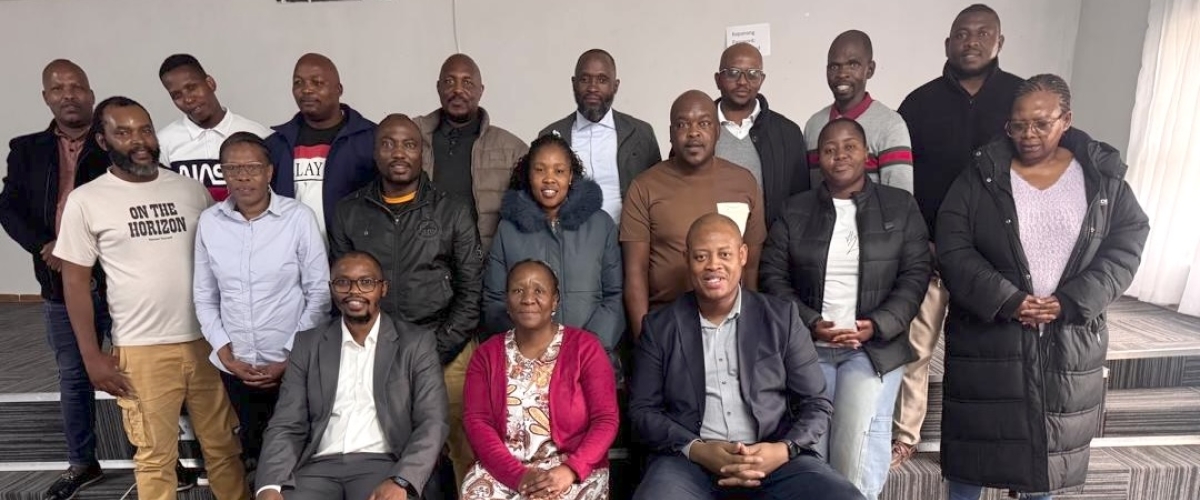
The training brought together agricultural researchers, extension officers and technical specialists from different departments of Lesotho's Ministry of Agriculture and Food Security, including representatives from the country's ten districts. The initiative aimed to strengthen their capacity to use digital tools to complement conventional extension services and make agricultural knowledge more accessible to farmers.
 |  | 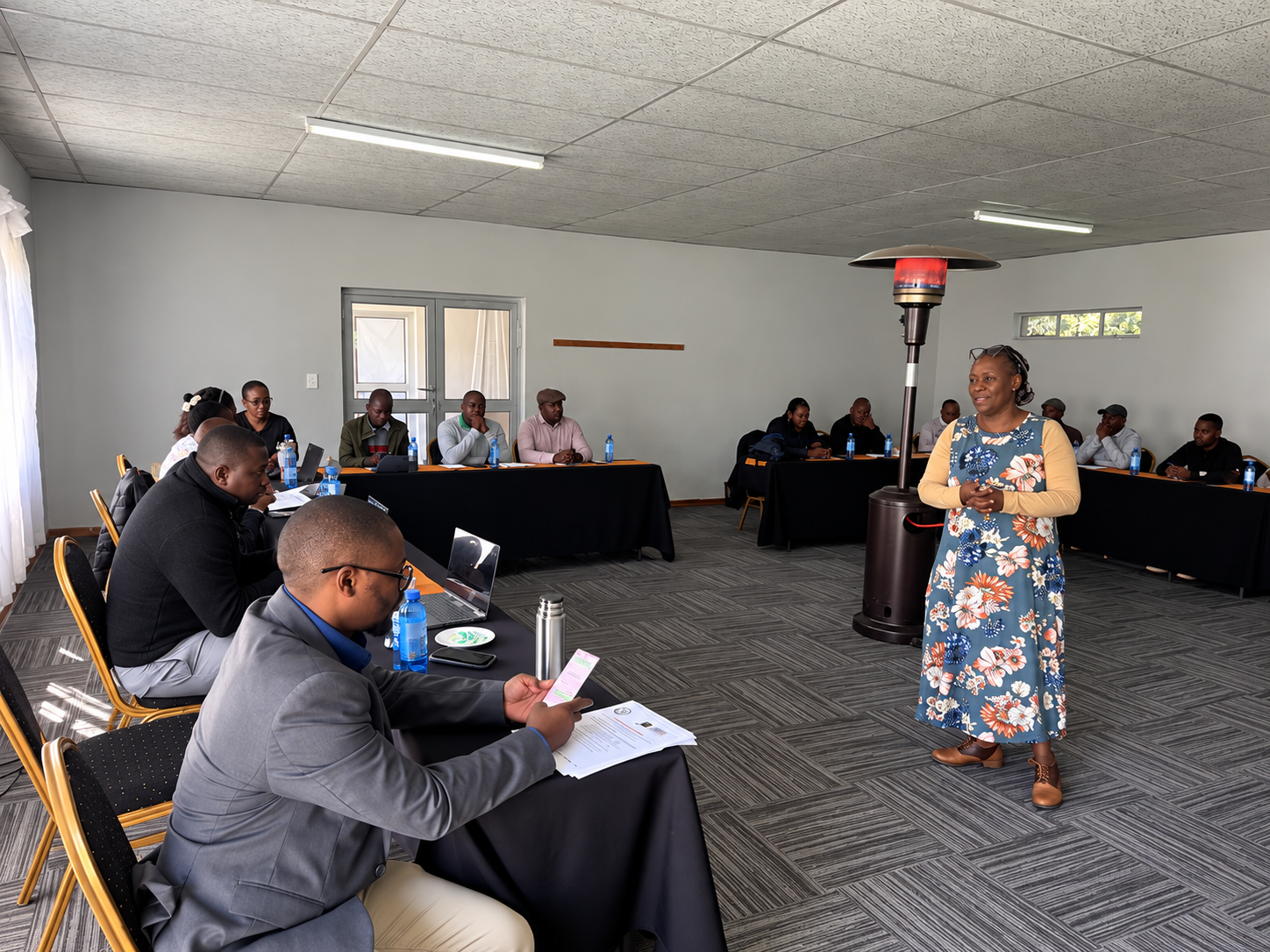 |  |
Officially opening the training, Dr Lefulesele Lebesa, Director of Agricultural Research in Lesotho, emphasised that developing agricultural technologies is not enough; ensuring they reach farmers is equally important. She welcomed the use of animated videos to make agricultural information easier to understand and extend its reach, expressing hope that participants would continue producing and disseminating locally relevant content beyond the training.
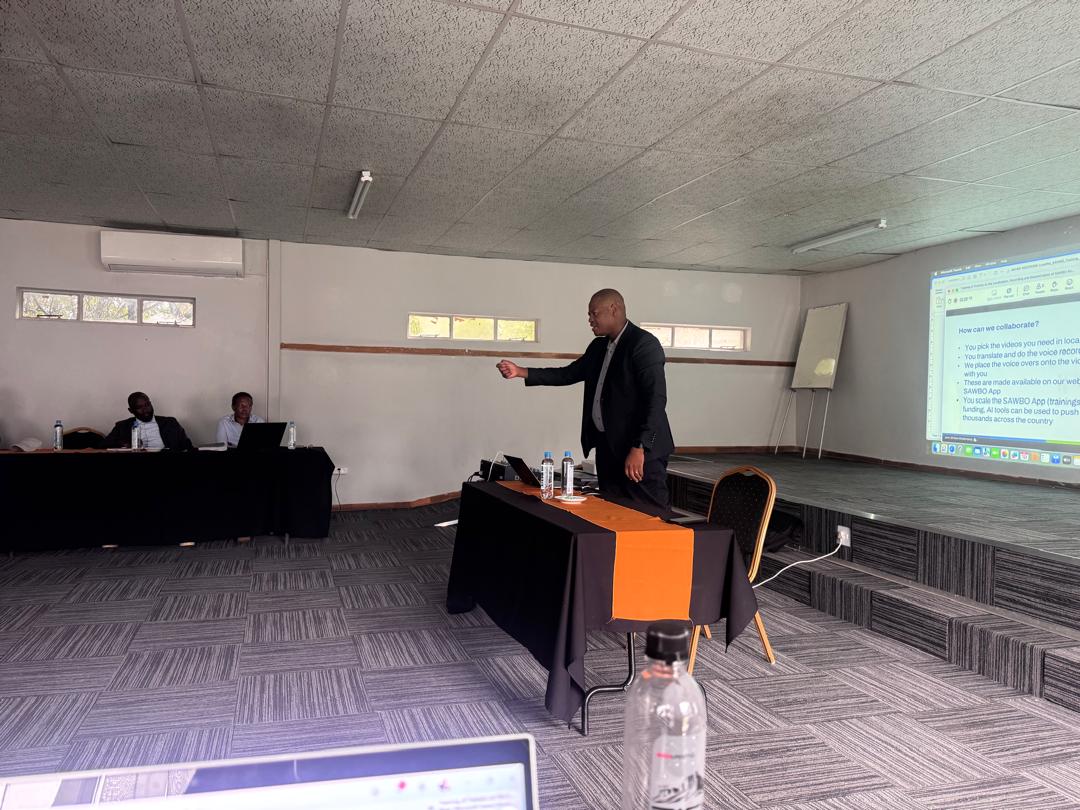
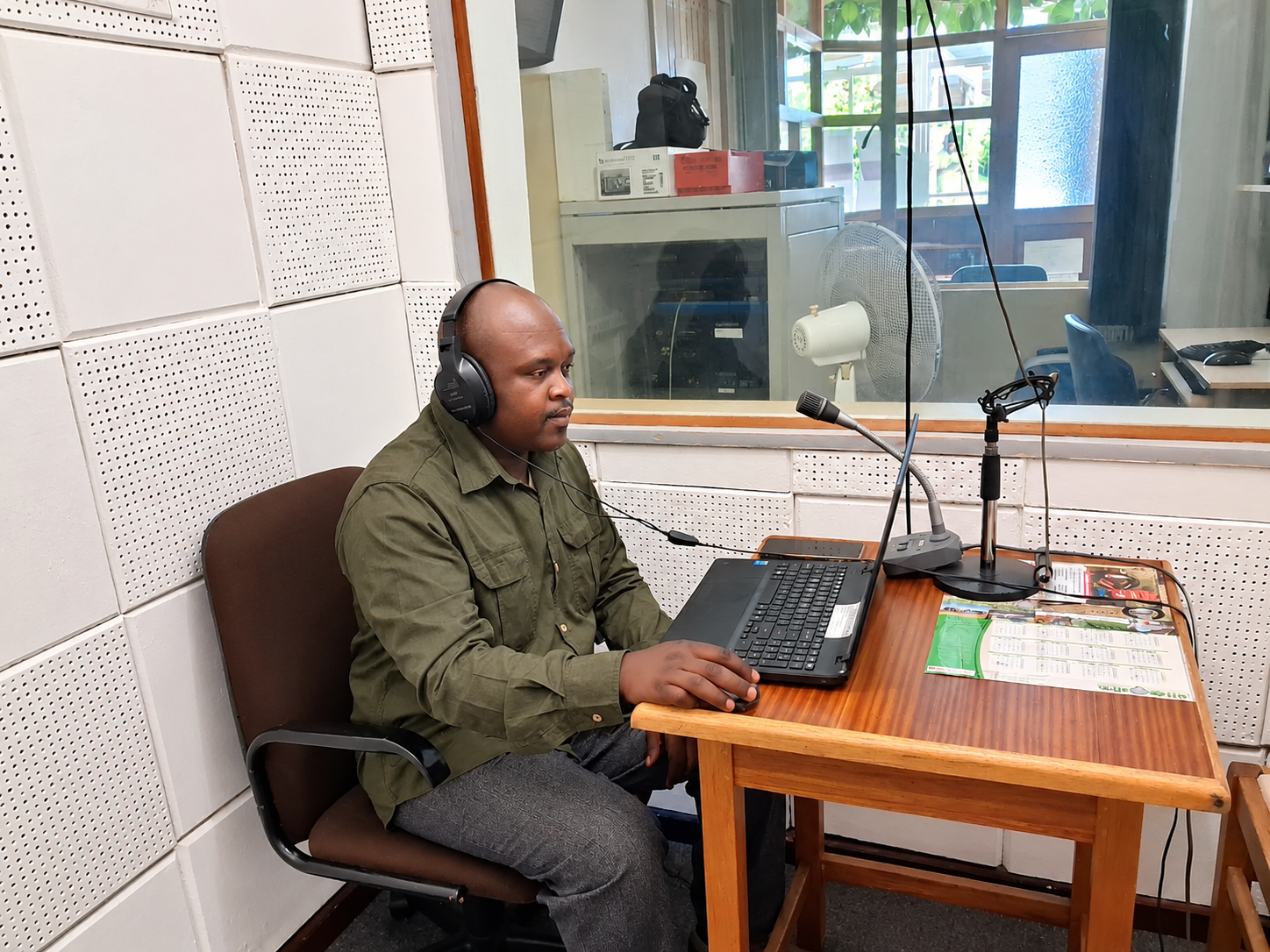
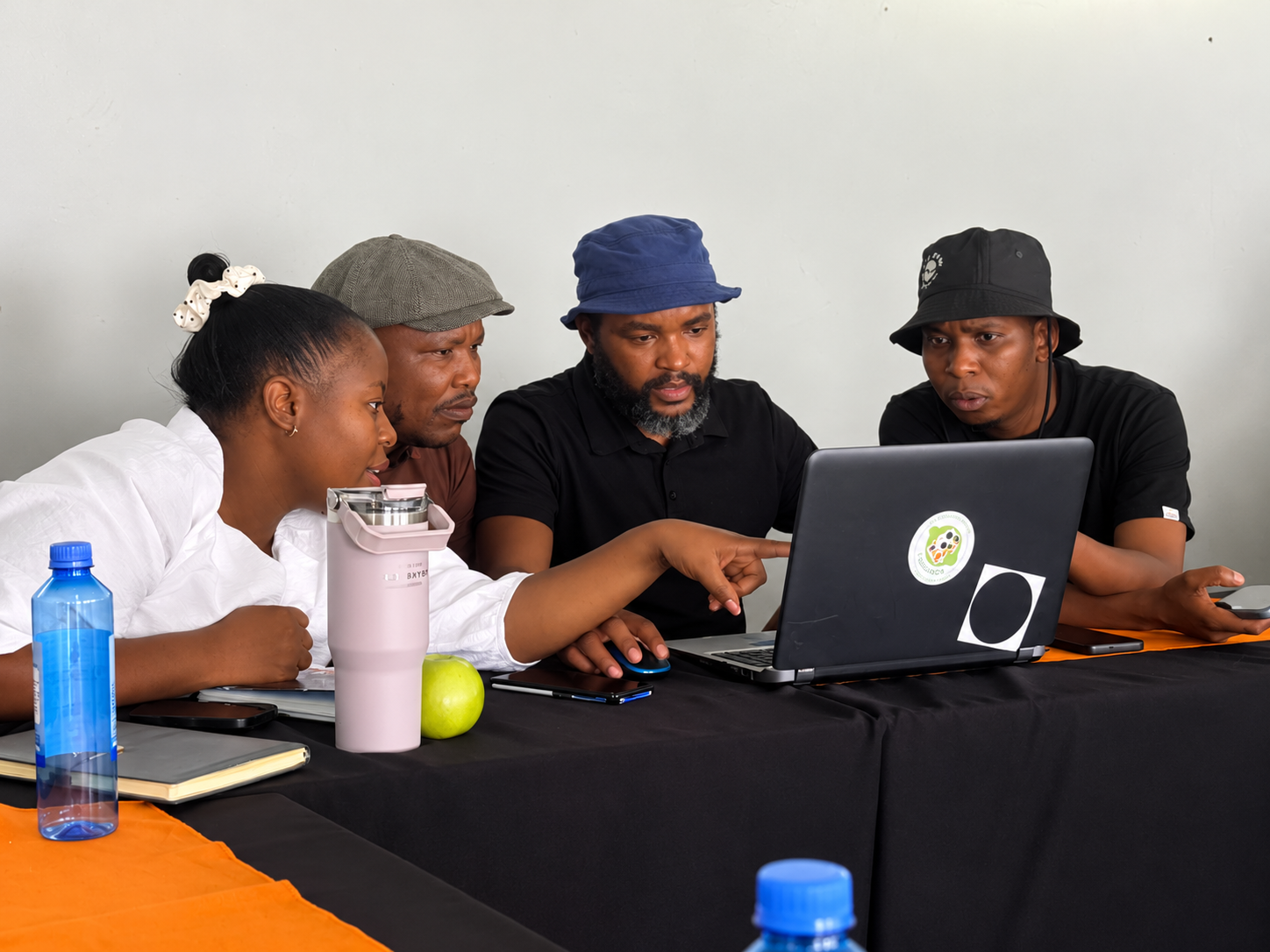
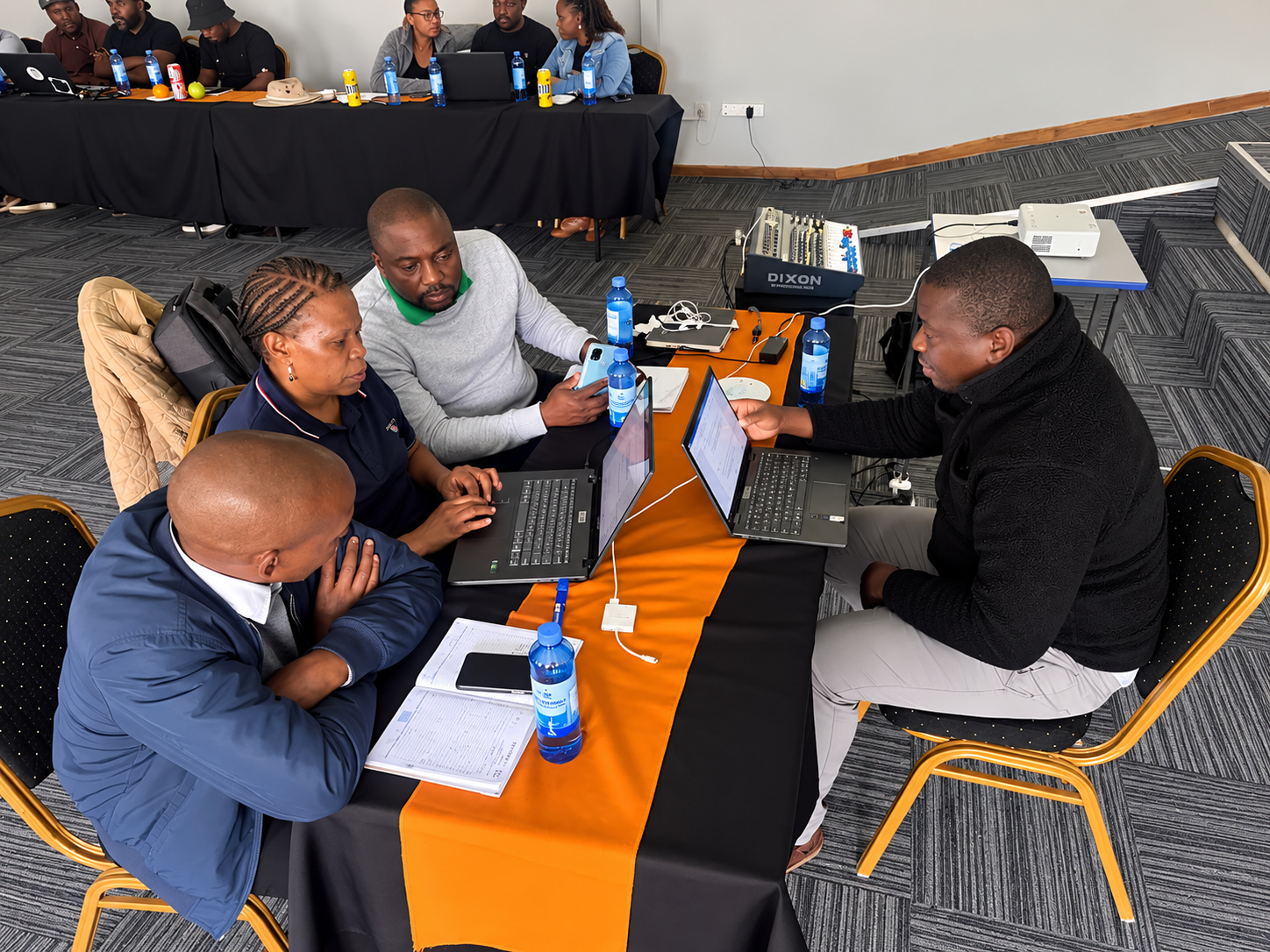
Rather than simply introducing participants to digital technologies, the training focused on practical skills. Participants explored SAWBO's library of scientifically validated agricultural animations, identified technologies relevant to Lesotho, translated selected scripts into Sesotho, recorded voice-overs and worked on synchronising the recordings with animated videos. They also explored ways to disseminate the materials through digital and offline channels, including their integration into existing farmer outreach activities.
Using Sesotho is particularly important in ensuring that agricultural information is understandable and relevant to local farming communities. Through animated demonstrations, farmers can learn practical techniques in their own language, revisit instructions when necessary and share the knowledge with others.
Speaking during the closing session, CCARDESA's FSRP Regional Coordinator, Dr Majola Mabuza, commended the participants and reaffirmed CCARDESA's commitment to supporting Lesotho beyond the training. He emphasised the importance of ensuring that agricultural knowledge products, including those developed through regional programmes, are adapted to local contexts and ultimately serve farmers.
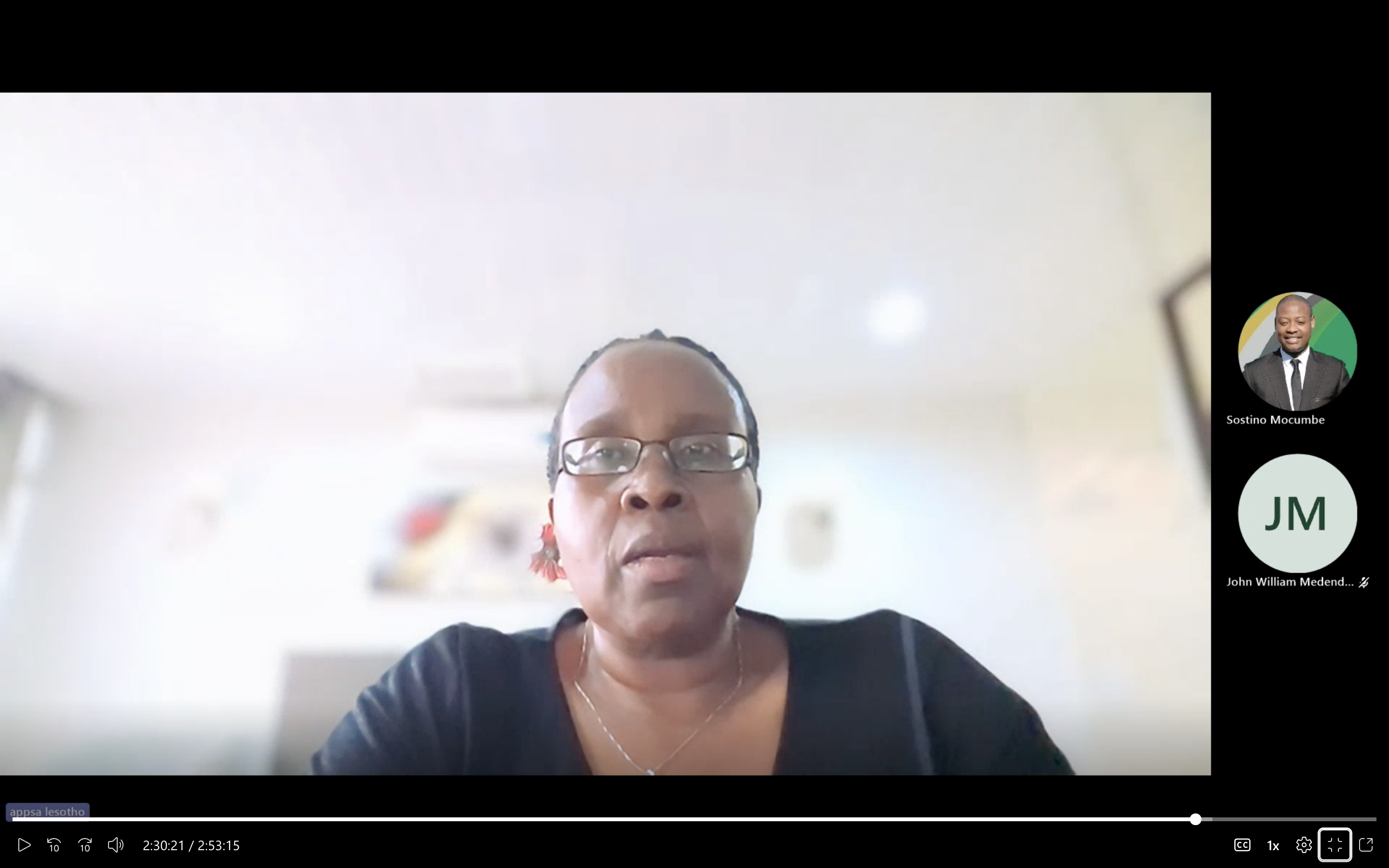
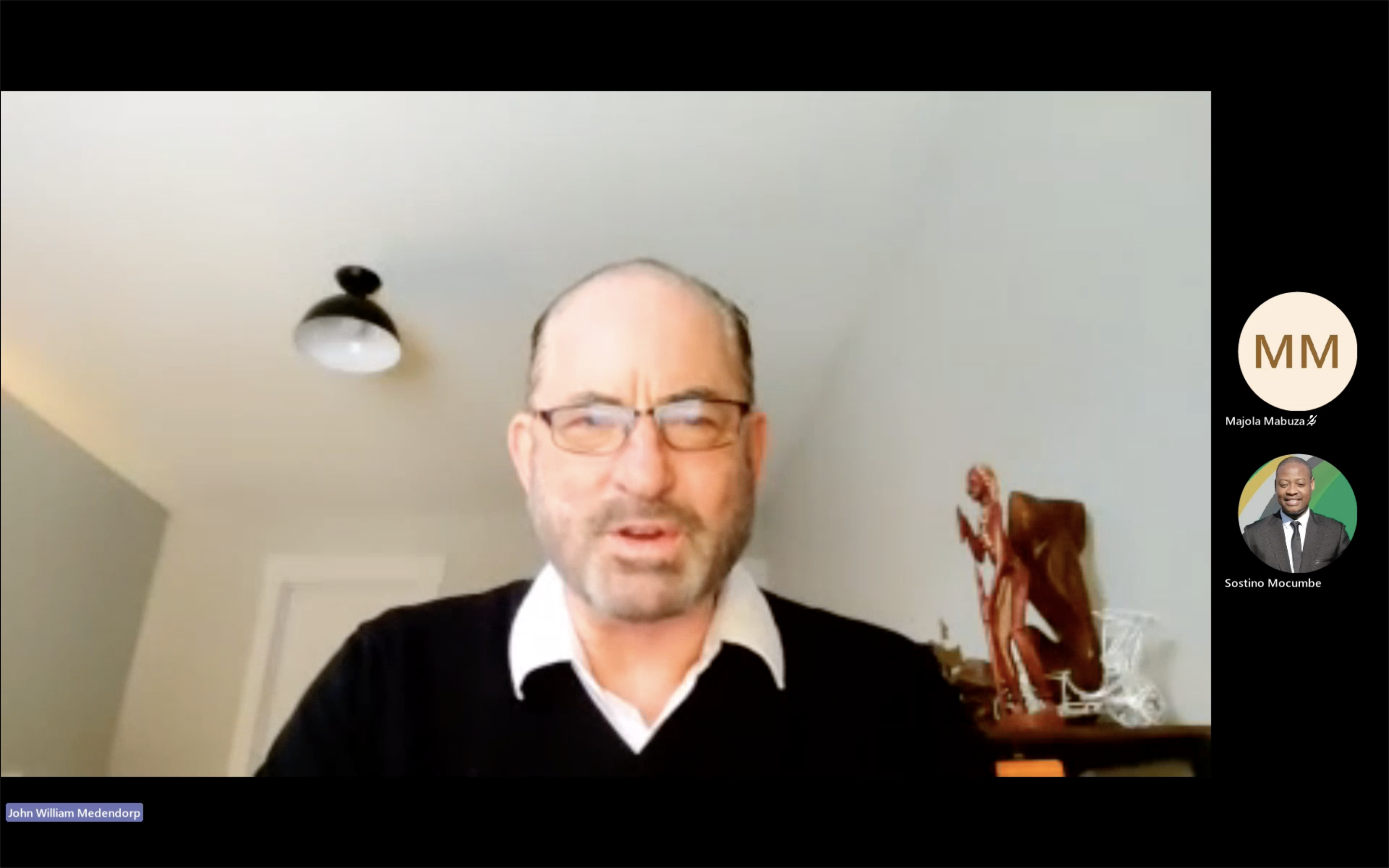
SAWBO representative Dr John William Medendorp highlighted the potential of digital extension to expand the reach of agricultural information at relatively low cost. Drawing on SAWBO's experience in Ghana, Kenya and Nigeria, he reported that animated agricultural videos had reached approximately 12 million people, with about 2.5 million reporting adoption of the practices demonstrated.
He stressed that digital technologies should strengthen rather than replace agricultural extension officers, enabling them to reach more farmers, including those in geographically isolated communities.
The initiative builds on CCARDESA's ongoing collaboration with SAWBO to promote digital agricultural extension across Southern Africa. It also reinforces the importance of connecting agricultural research with extension services so that investments in technology development translate into practical benefits for farming communities.
For Lesotho, the next step is to put the newly acquired skills into practice, expand the availability of agricultural information in Sesotho and integrate the videos into existing extension activities. By combining the expertise and trusted relationships of extension officers with the reach of digital technologies, the initiative offers an opportunity to bring agricultural knowledge closer to farmers who might otherwise be left behind.
 |  |  |  |