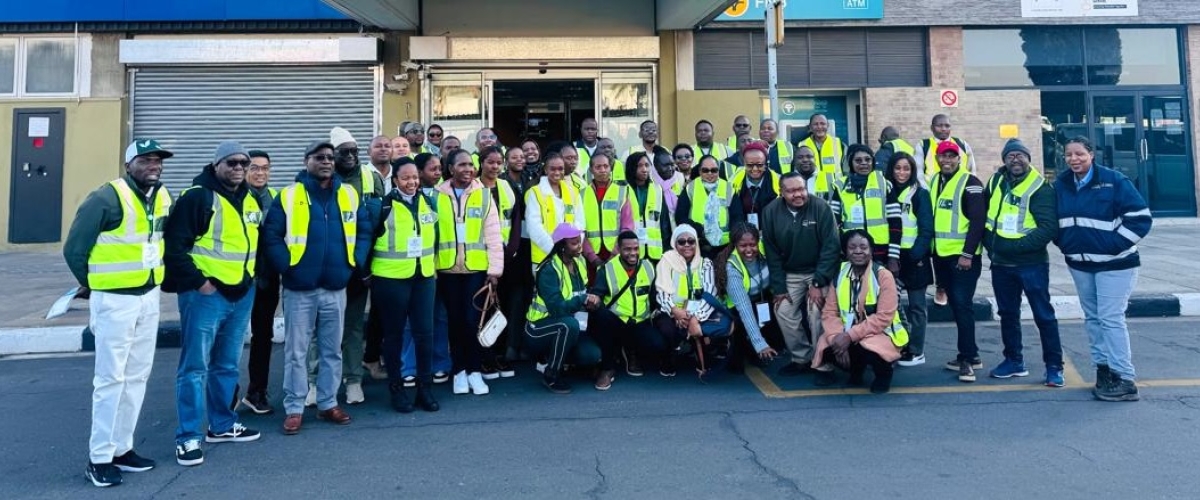
Youth agripreneurs from across the Southern African Development Community (SADC) region completed a regional training workshop on Sanitary and Phytosanitary (SPS) measures, held from 11 to 15 August 2025 in Johannesburg, South Africa. The workshop was organised by the Centre for Coordination of Agricultural Research and Development for Southern Africa (CCARDESA), in partnership with the African Continental Free Trade Area (AfCFTA) Secretariat and the SADC Secretariat, with support from the World Bank through the Food Systems Resilience Programme (FSRP). The training aimed to build the capacity of youth-led agribusinesses in meeting SPS standards that are critical for accessing regional and international markets.
SPS measures, which safeguard the health of humans, animals, and plants, are central to strengthening food systems and facilitating safe trade. In the context of the African Continental Free Trade Agreement, these standards are also instrumental in enabling Africa to harness its agricultural potential through increased intra-continental trade. The SADC region, with its rich and diverse agricultural base, stands to benefit significantly from enhanced compliance with SPS protocols. This is especially relevant as the continent works towards harmonised trade frameworks under AfCFTA, with particular emphasis on inclusivity and youth participation.
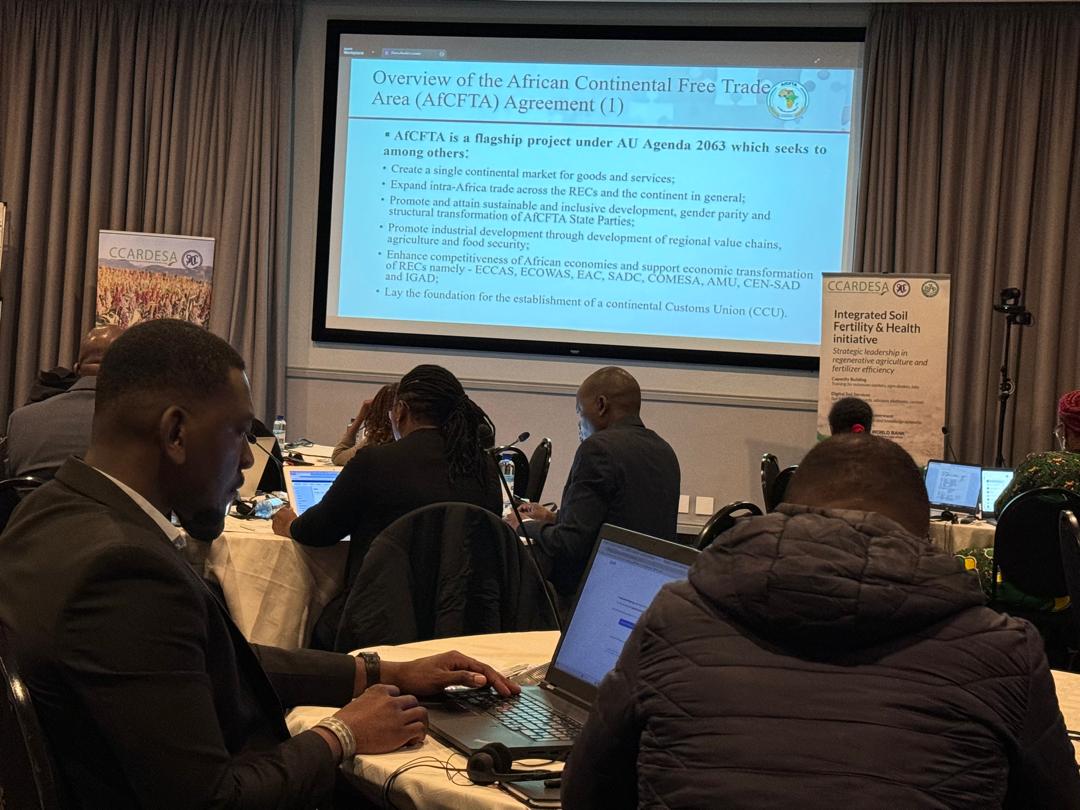
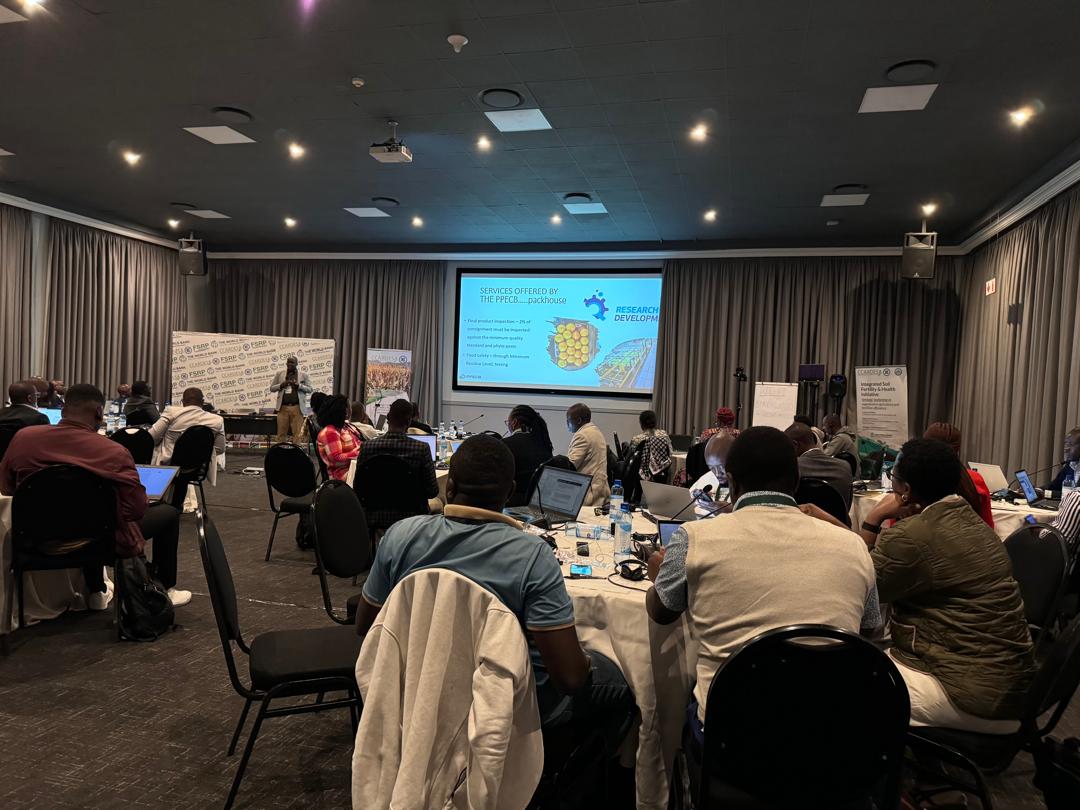
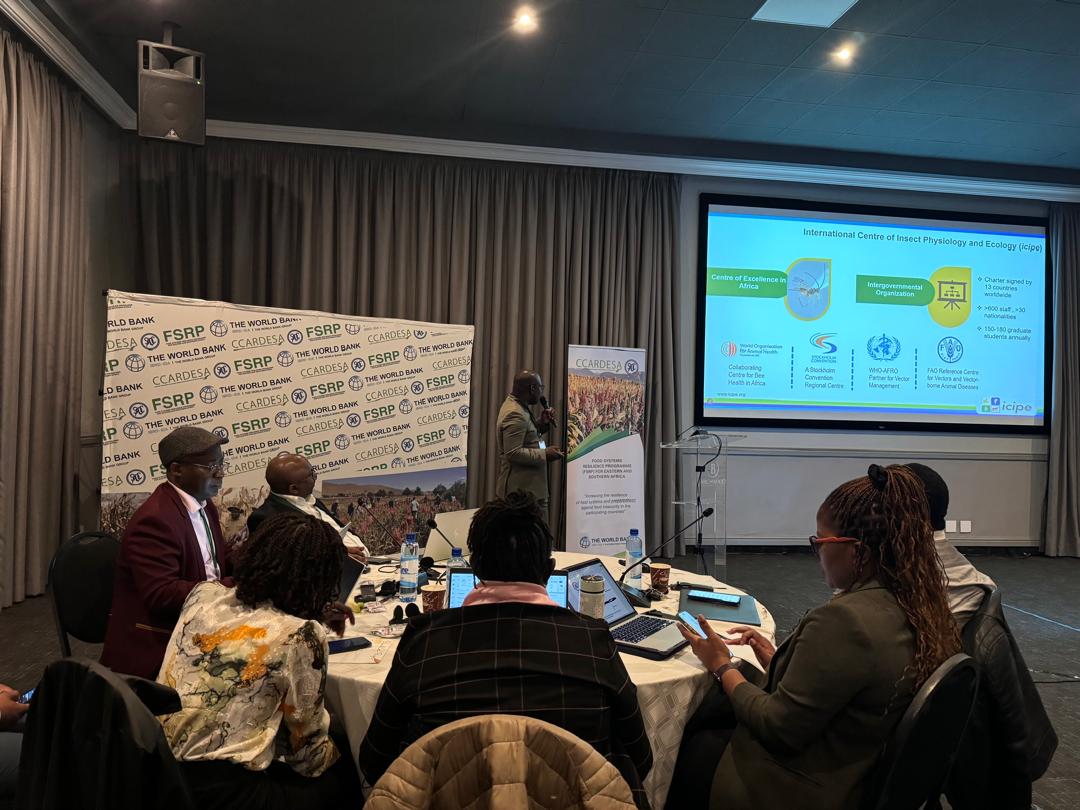
Over the course of five days, participants were immersed in a comprehensive programme covering legal frameworks, compliance requirements, food safety systems, pest and disease risk analysis, pesticide management, traceability, and the use of digital platforms for monitoring SPS adherence. Presentations and technical sessions were delivered by experts from leading regional and international organisations including the African Union, SADC FANR, SADC Seed Centre, AfCFTA, and technical institutions such as Croplife, Fruit South Africa, Red Meat Industry Services, South Africa’s National Agricultural Marketing Council, Centre for Agriculture and Biosciences International Archives (CABI), International Centre of Insect Physiology and Ecology (ICIPE), Trade Mark Africa, Perishable Products Export Control Board (PPECB), Tralac, South Africa’s Agricultural Research Council, and the National Department of Agriculture.
 |  |  |
The programme also featured a practical component designed to link theoretical knowledge with on-the-ground realities. On Thursday, 14 August 2025, participants visited two key sites within the Gauteng Province. The Johannesburg Fresh Produce Market illustrated how a structured, centralised market system can provide smallholder farmers and agripreneurs with predictable and profitable access to consumers. The market’s operational systems, infrastructure, and quality control mechanisms demonstrated the importance of aligning production with SPS standards to meet buyer expectations and regulatory requirements.
The second visit was to the Eikenhof Agripark, a government-supported initiative designed to strengthen cooperative farming, improve access to agricultural technologies, and facilitate women and youth involvement in agribusiness. Participants observed how targeted public investment in infrastructure and services can support value chain integration, reduce post-harvest losses, and promote sustainable practices aligned with SPS compliance.
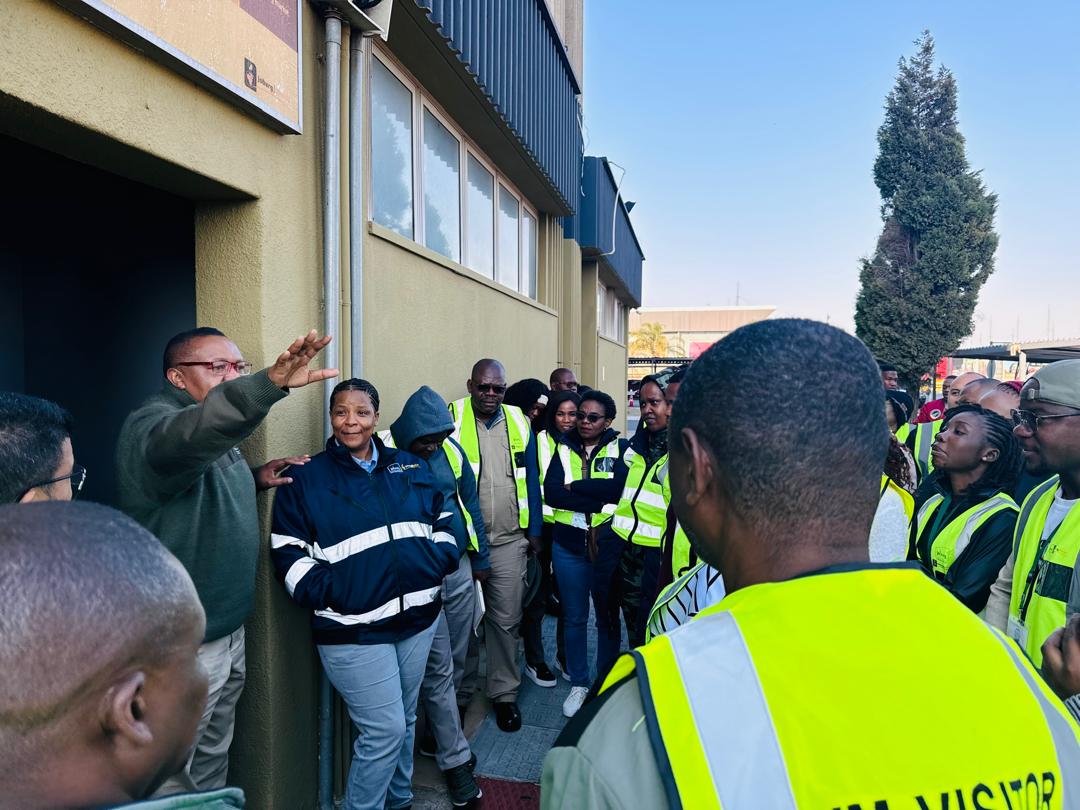 | 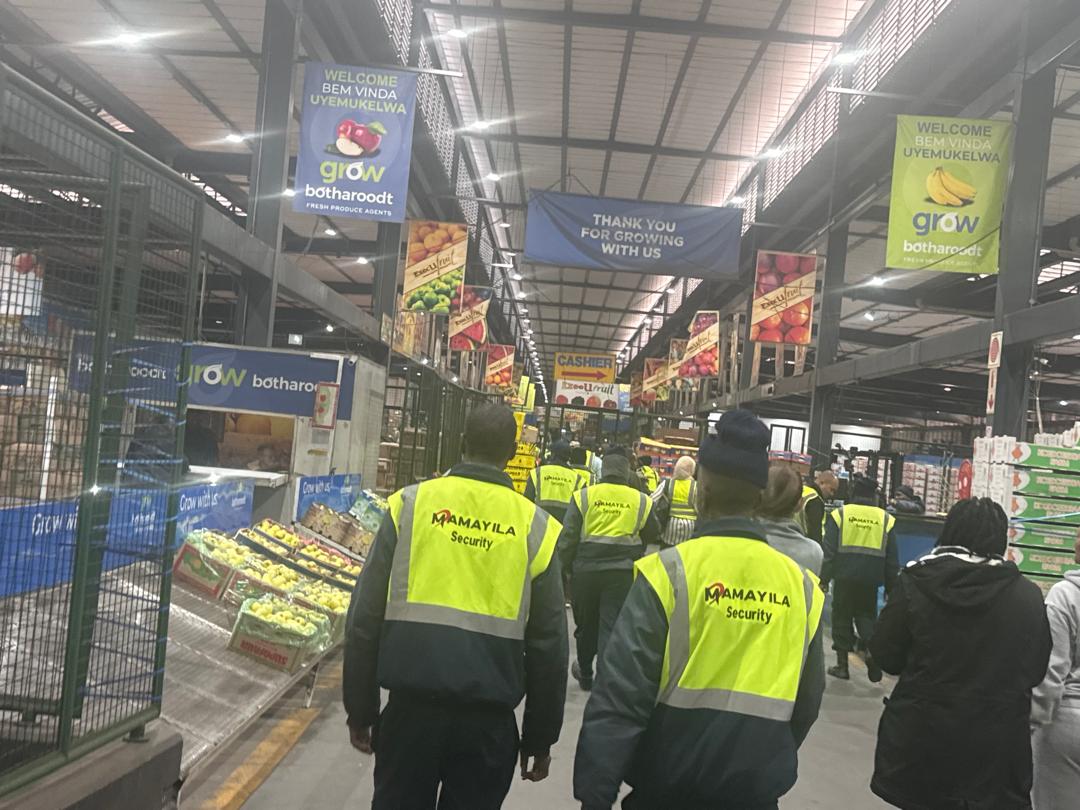 | 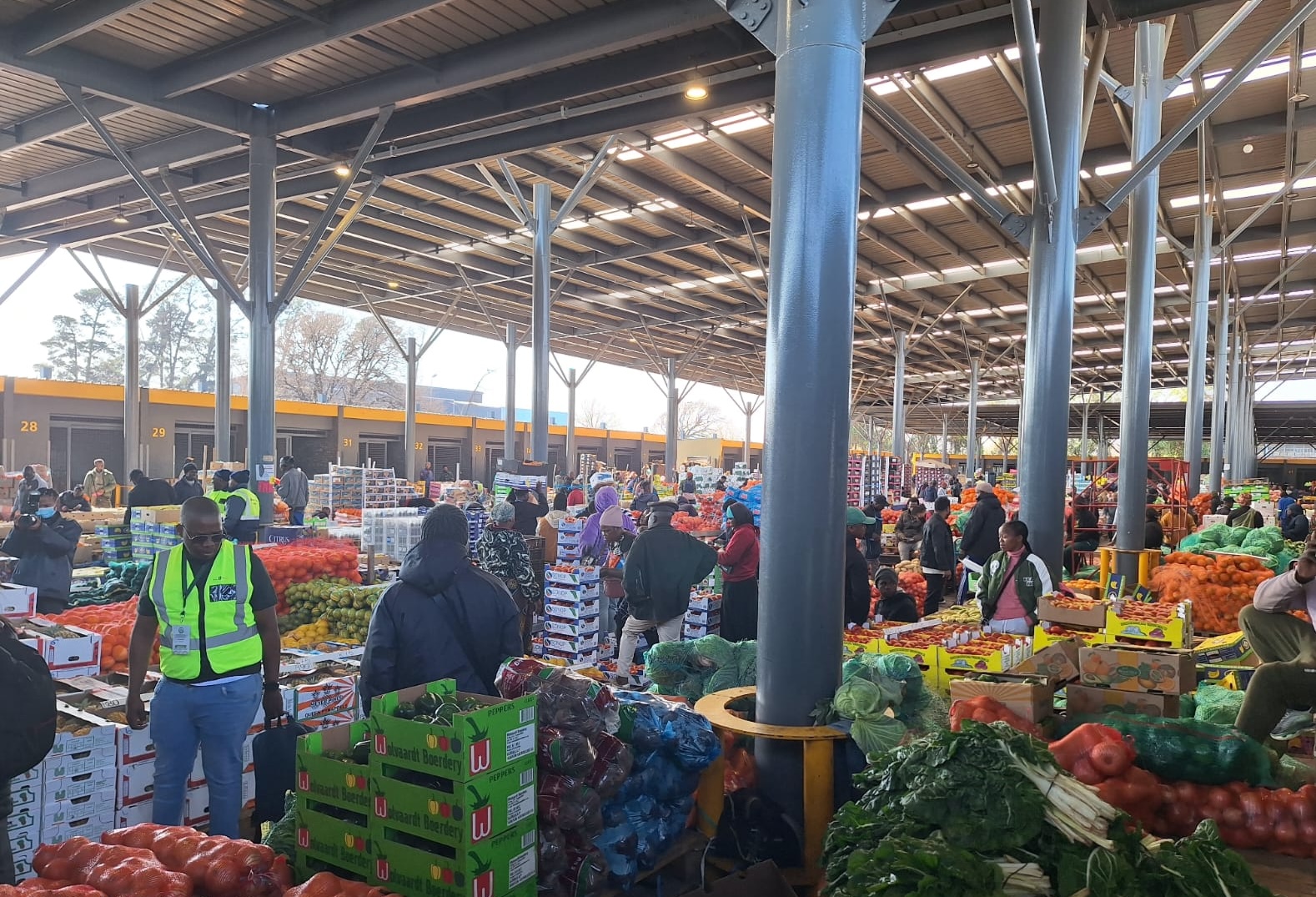 | 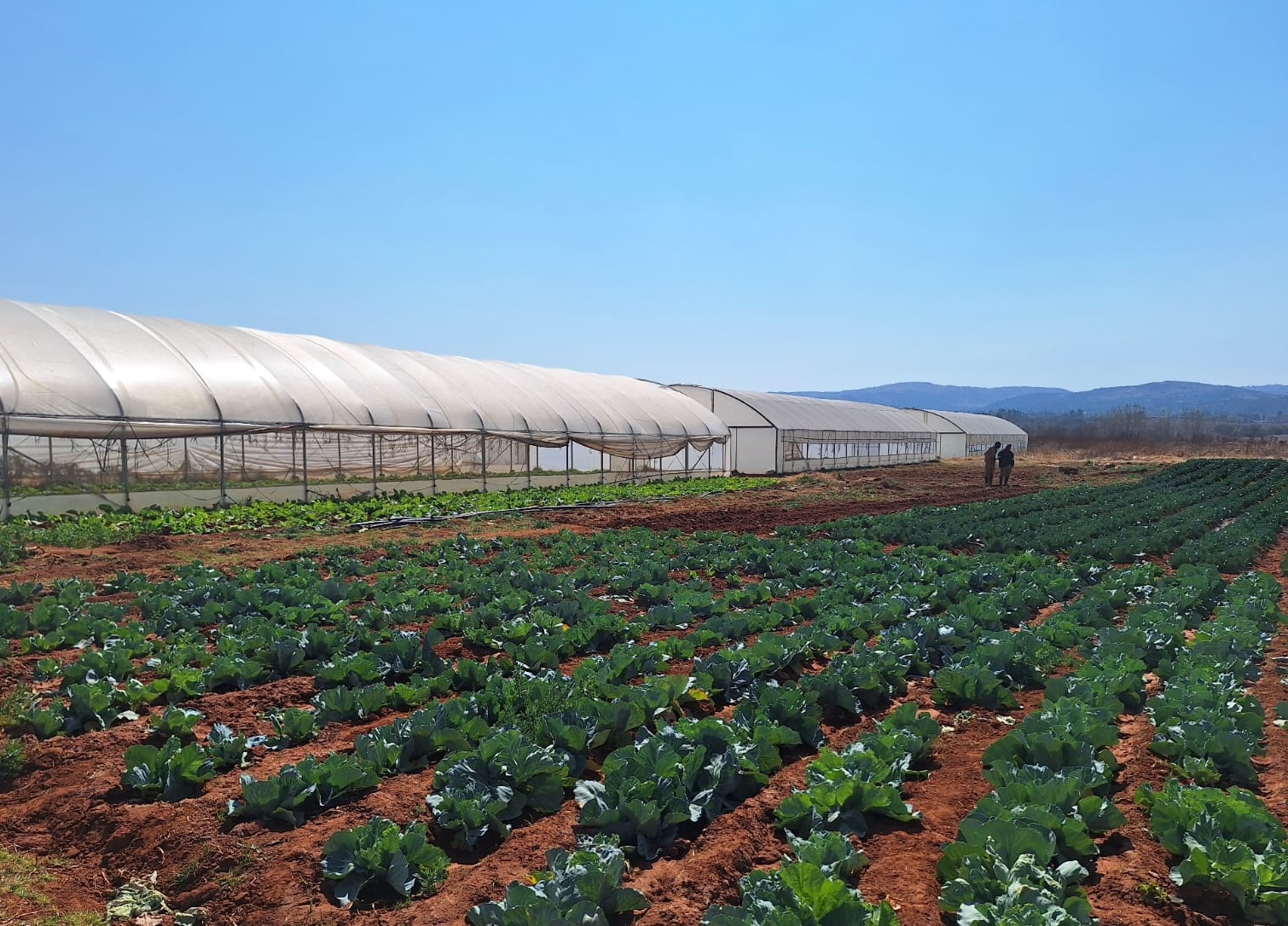 |
These field visits enriched the learning experience by providing practical exposure to SPS implementation, certification processes, and the role of structured markets in facilitating trade. Participants engaged directly with inspectors, farm managers, and technical personnel to better understand the cost implications, benefits, and logistical requirements of meeting SPS standards.
This training contributes directly to Pillar 4 of the Food Systems Resilience Programme, which focuses on improving access to diverse and sustainable markets for agricultural commodities. It also aligns with the AfCFTA’s protocol on youth inclusion in trade and the Comprehensive Africa Agriculture Development Programme (CAADP) Strategy and Action Plan (2026–2035), which prioritise awareness and capacity development in SPS compliance.
By equipping youth agripreneurs with both technical knowledge and practical experience, the workshop has laid a solid foundation for a new generation of agri-business leaders who are better prepared to meet the demands of regional and international markets. These young entrepreneurs are now expected to apply and share their knowledge within their local communities and value chains, contributing to the long-term goal of building a safer, more resilient, and market-ready food system in the SADC region.