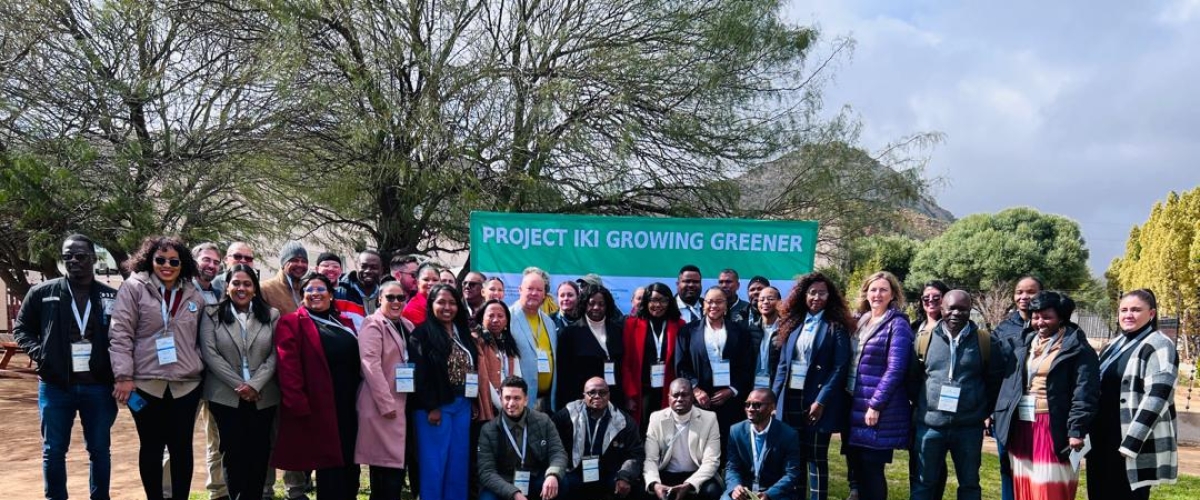
The arid yet ecologically rich Namaqualand region in South Africa became the launchpad for a transformative initiative this week, as stakeholders from across Southern Africa gathered at the Springbok Guest Farm in the Northern Cape to officially kick off the IKI Growing Greener Project: Restoration and Sustainable Use of Agro-Pastoralist Systems in Open Arid Landscapes.
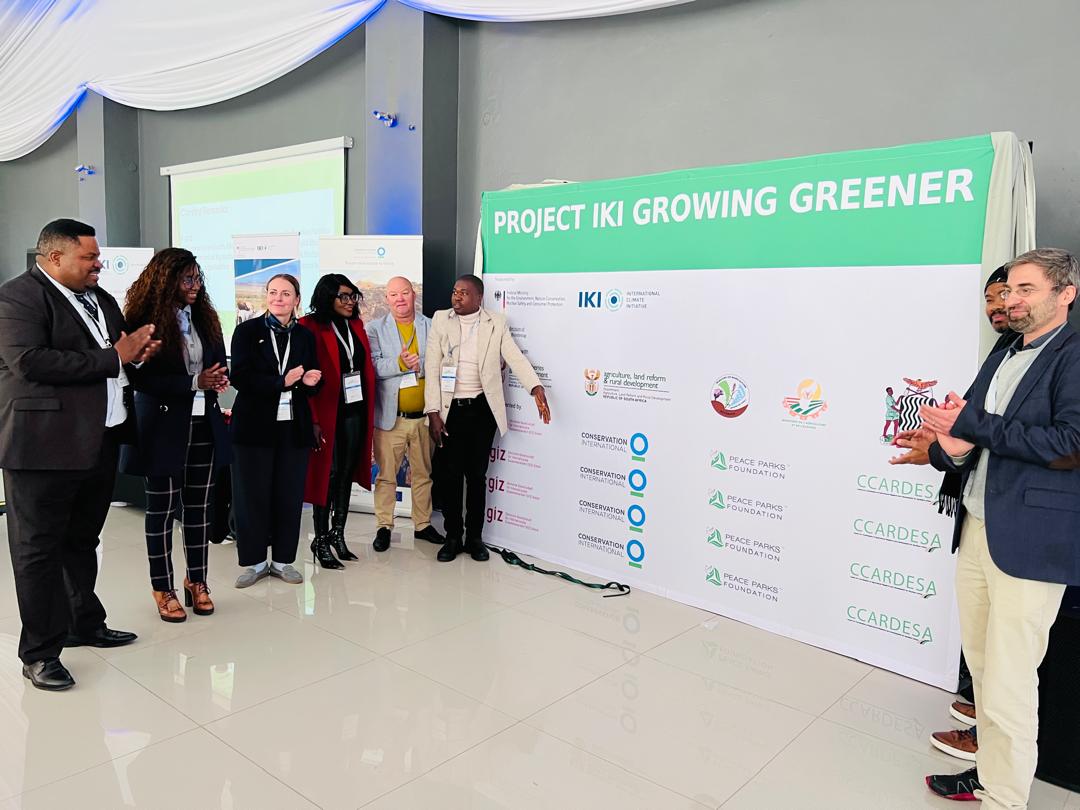
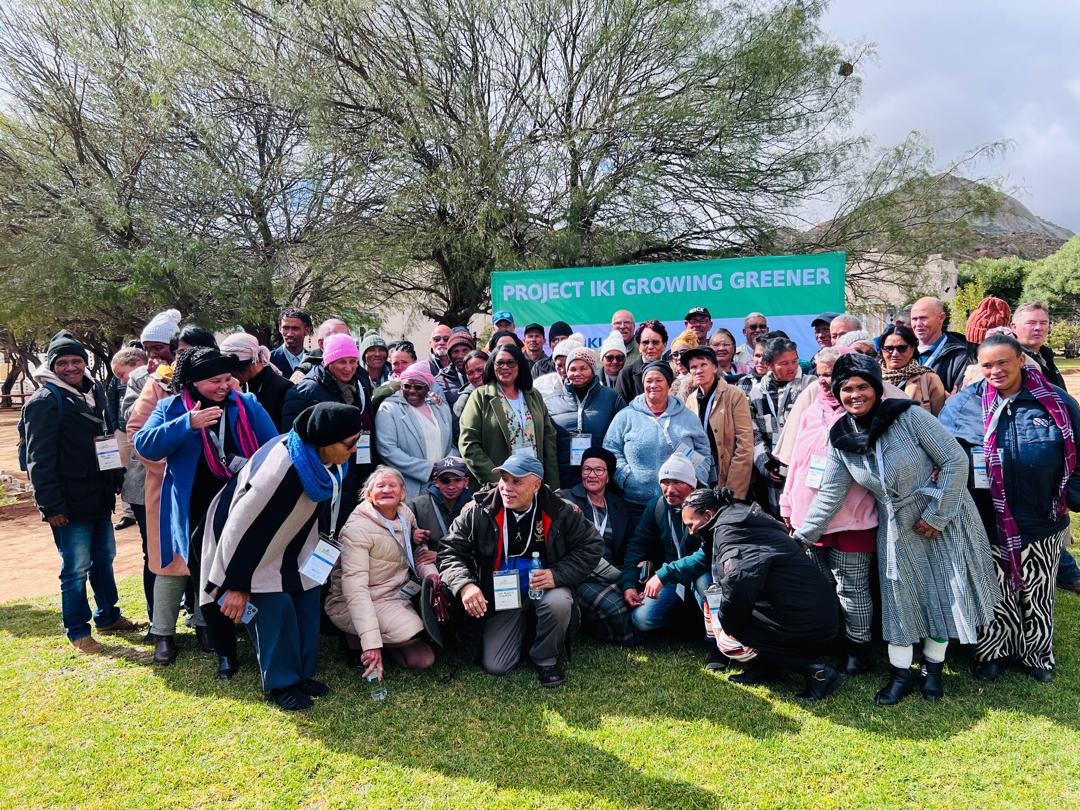
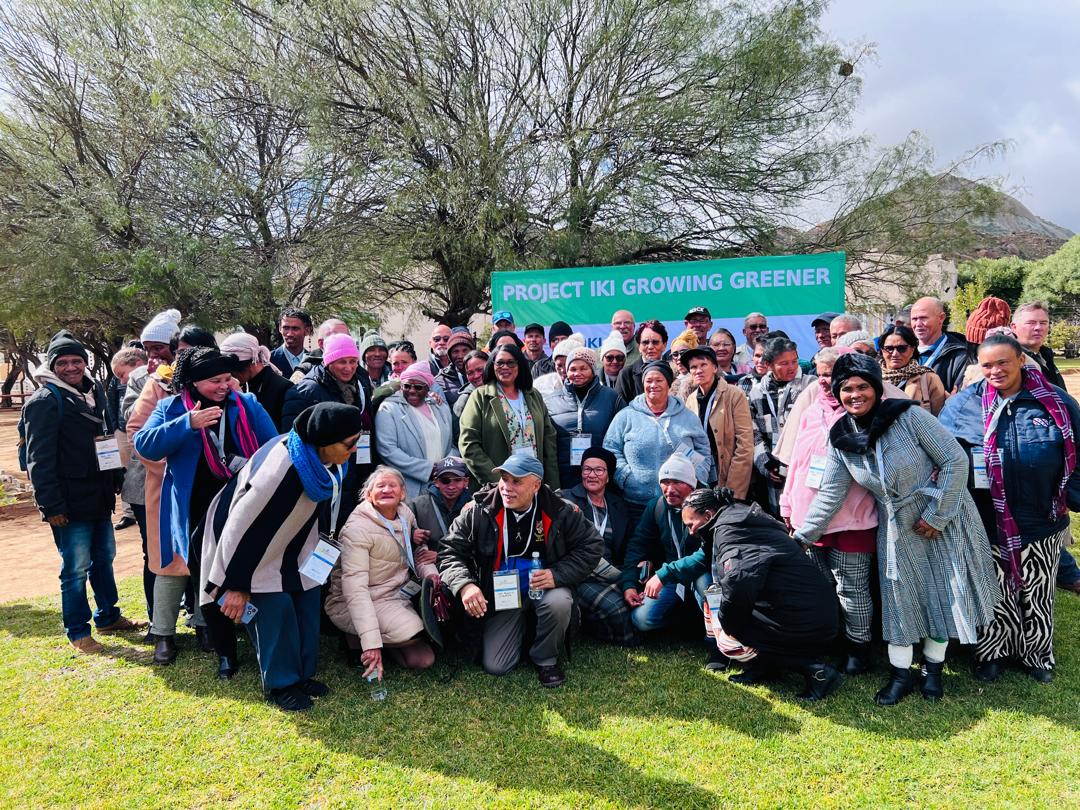
Hosted under the serene backdrop of the Namakwa landscape, the two-day launch event brought together government officials, senior political leaders, farmers, development partners, and conservation actors, all united in the mission to strengthen rangeland management, empower communities, and promote long-term climate resilience.
Executive Mayor Mervyn Cloete, in his opening address, painted a sobering picture of the climate crisis facing the Namakwa District. “We are seeing the effects of climate change right here in our community,” he said. “But this project gives us hope and a chance to restore our land and uplift our people.”
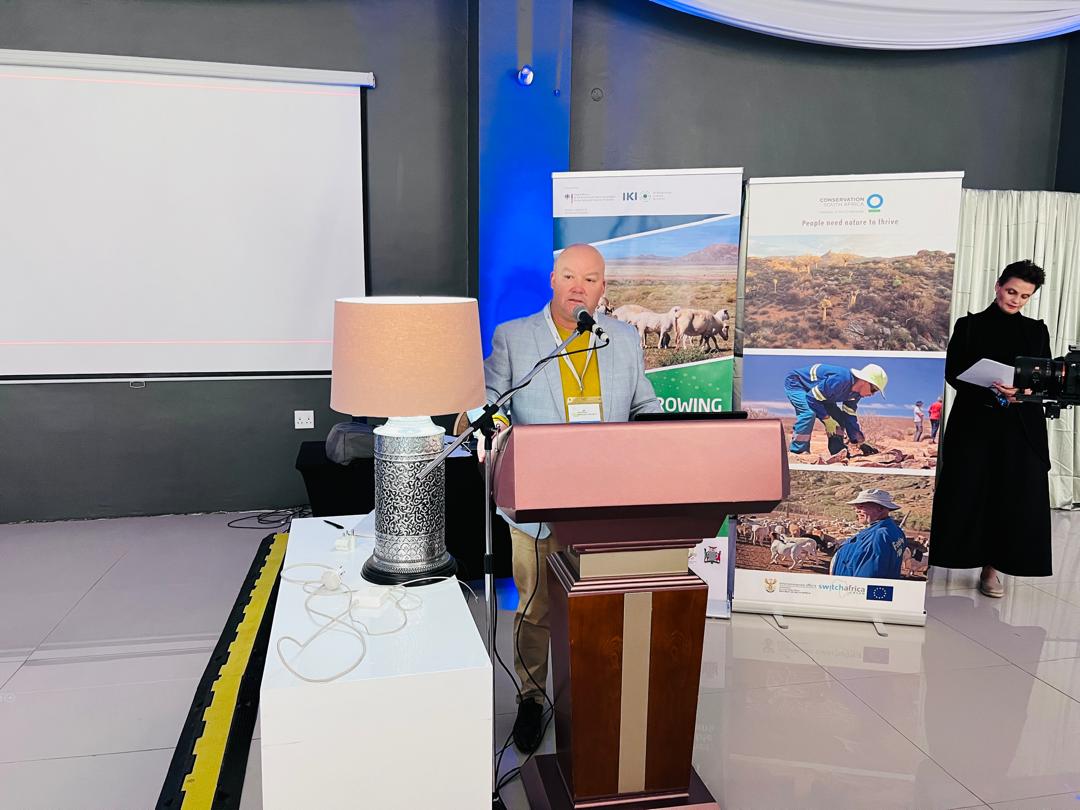
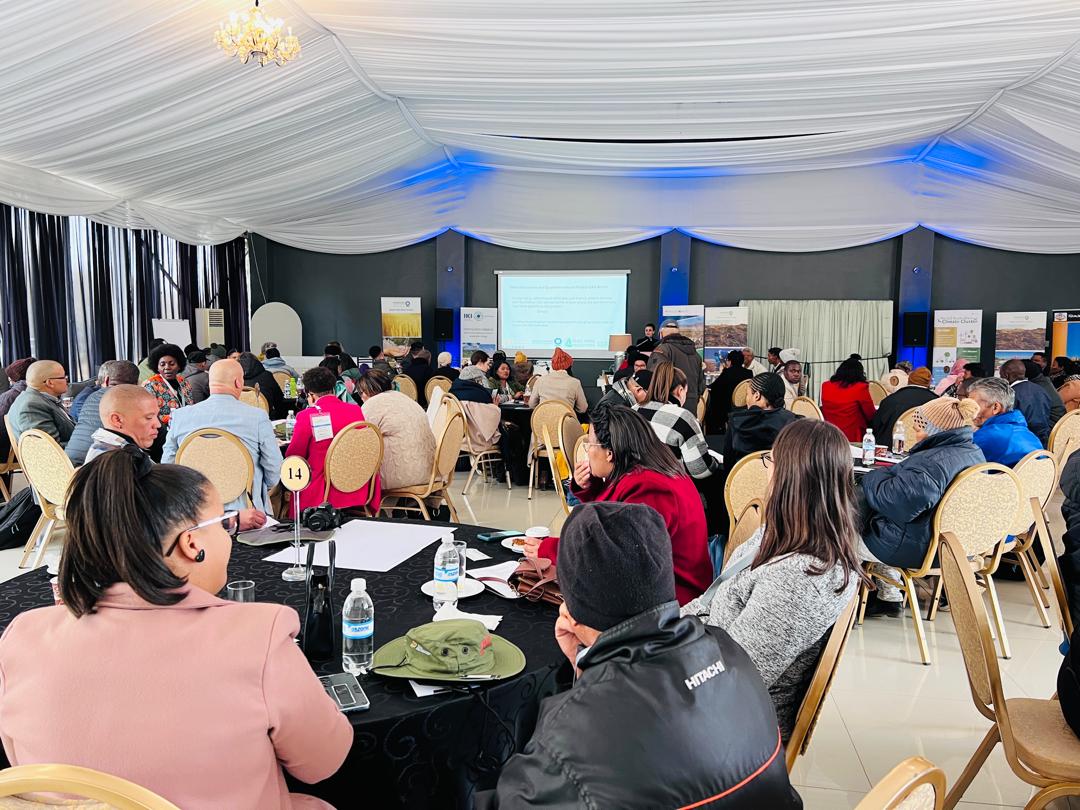
Representing the German Embassy, Ms Verena Stockigt acknowledged the unique beauty of Namaqualand and underscored Germany’s commitment to sustainable, community-led action. “This project is about long-term sustainability that aligns with local climate action. Through concepts like Herding for Health, we can empower communities and restore ecosystems,” she said. “We commend the Government of South Africa and the Consortium for this timely intervention. As we stand in this extraordinary landscape, we see this launch as a call to action,” she concluded.
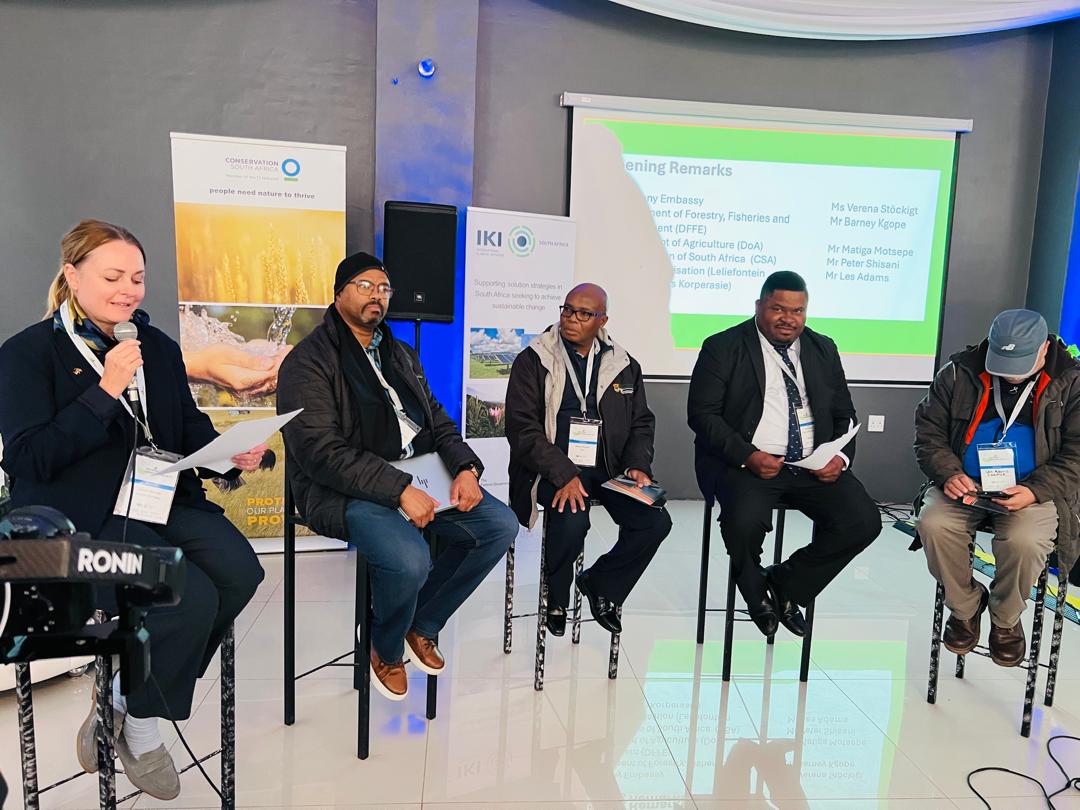
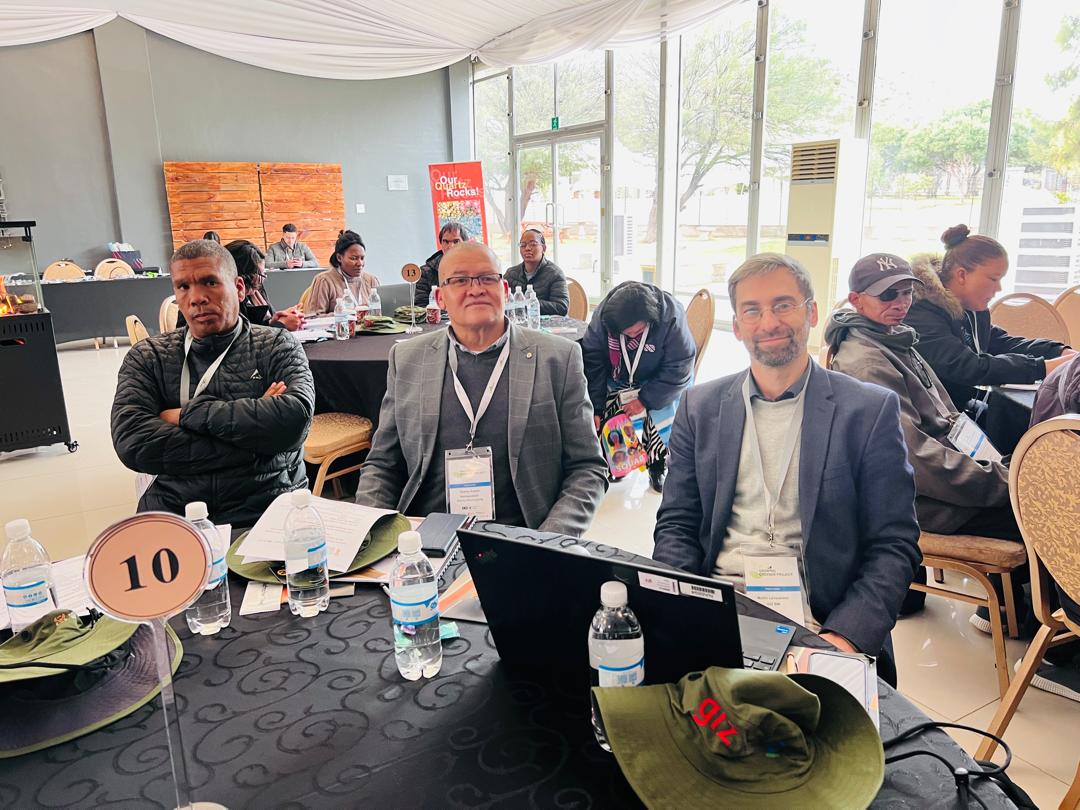
Mr. Barney Kgope, Director from the Department of Forestry, Fisheries, and the Environment, emphasized the project’s relevance to both biodiversity conservation and livelihoods. “This initiative integrates beautifully with the realities of our people. It helps us align local actions with international frameworks like the nationally determined contributions (NDCs) and offers practical knowledge to support negotiations at platforms like the UNFCCC,” he stated.
Mr. Matiga Motsepe from the Department of Agriculture echoed these sentiments, pointing to the rise in climate-induced disasters such as droughts, floods, and fires. “We are guided by strong policies, but implementation depends on robust partnerships and adaptive approaches,” he said. “We welcome this project and are committed to reducing greenhouse gas emissions and promoting sustainable agriculture.”
Mr. Peter Shisani of Conservation South Africa welcomed participants to the resilient landscapes of the Namakwa District. “Our farmers have long stewarded this land with care. IKI Growing Greener is a commitment to amplifying indigenous knowledge and building empowered, climate-resilient communities,” he said.
Community perspectives also took center stage. Mr. Les Adams, representing the Leliefontein Ontwikkelings Koperasie, shared how the Herding for Health approach is restoring dignity and agency to farmers. “Sustainable land use means joint decision-making and taking responsibility for our rangelands. This leads to healthier herds and stronger communities,” he affirmed.
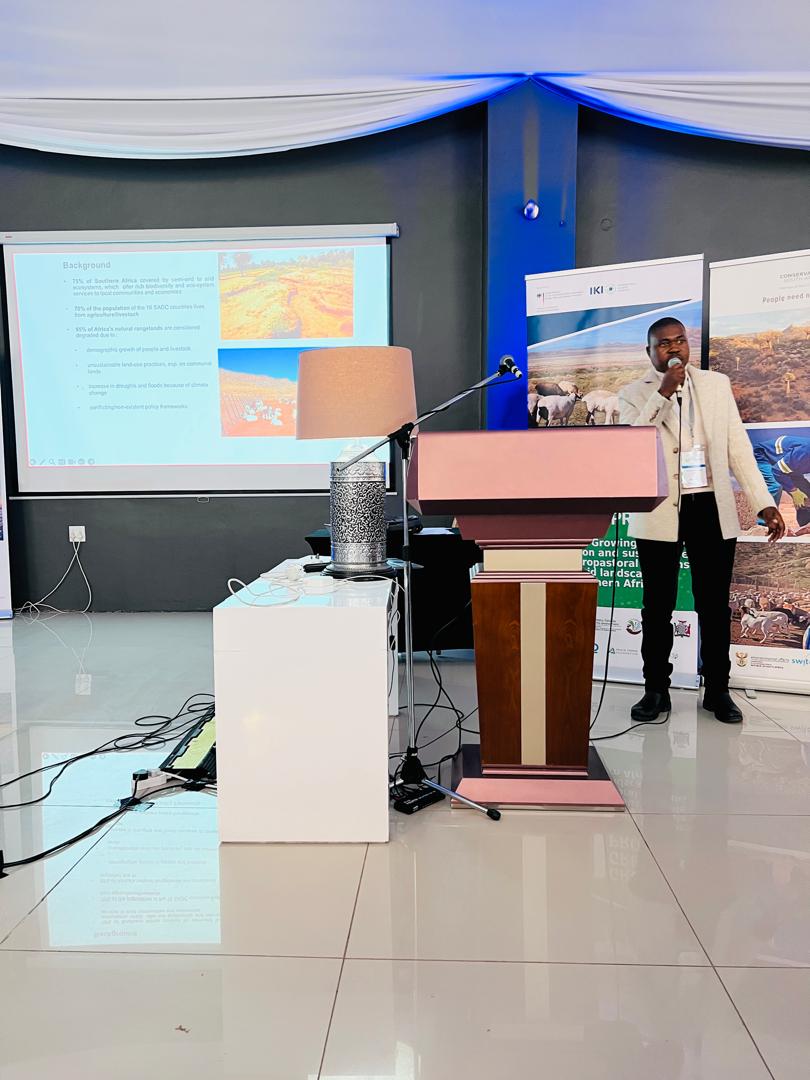
GIZ-South Africa’s Dr. Misheck Musokwa provided an overview of the project, emphasizing its regional scope and objectives to restore degraded agro-pastoral systems across Southern Africa’s open drylands.
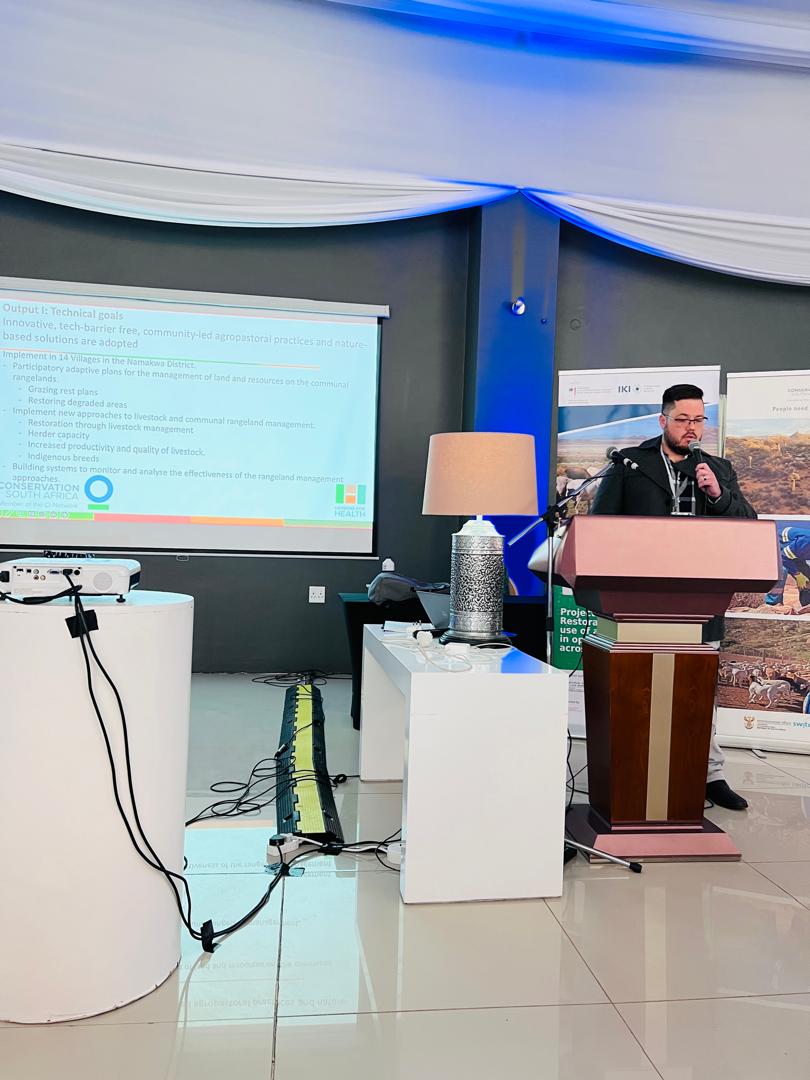
The practical application of the Herding for Health concept was elaborated by Mr. Malherbe Rossouw, Senior Manager Communal Livestock and Rangelands in Namaqualand. “This project covers over 700,000 hectares and works in 14 villages. We’ve registered over 500 community members and are working closely with women to ensure inclusive economic benefits,” he said. He outlined progress, including transport logistics, stewardship agreements, small enterprise support, and plans for a 30% increase in livestock productivity.
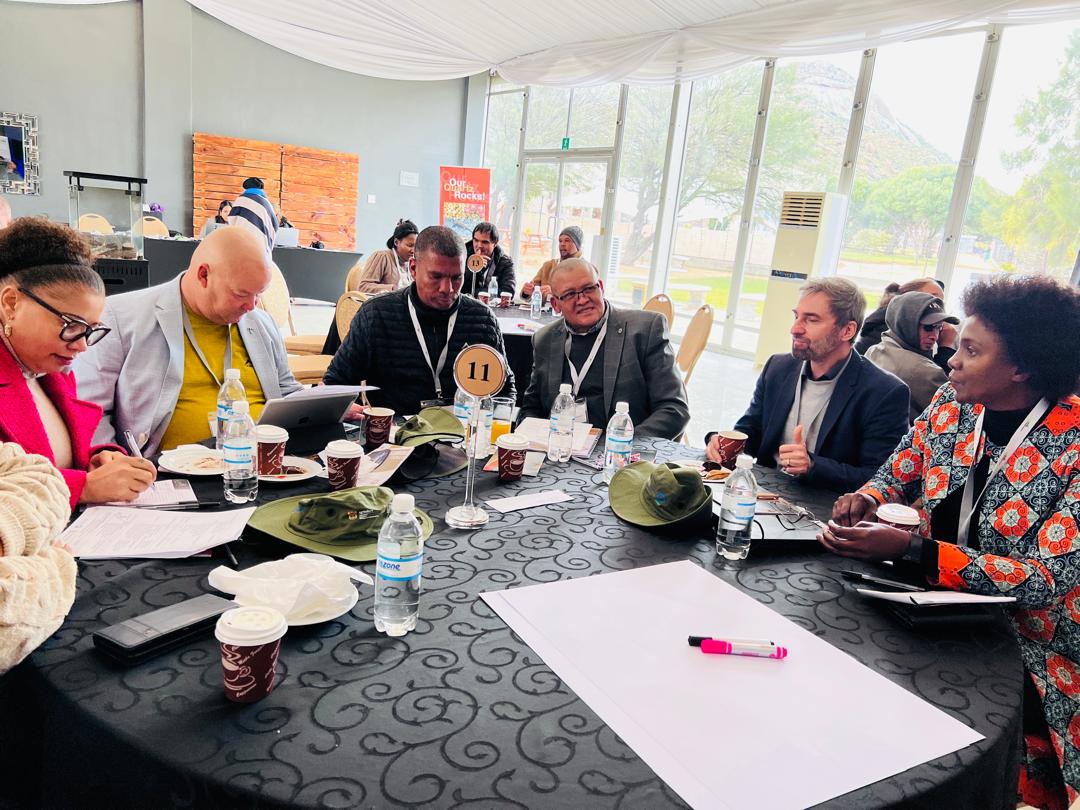
On the critical issue of gender inclusion, Mr. Zane Silinda from GIZ shared the IKI gender mainstreaming strategy that was initiated in 2023. “It is designed to eliminate conscious and unconscious discrimination and ensure equitable participation in all aspects of project implementation,” he said.
Agriculture Extension Support, Ms Ruth Rhodes emphasized the urgency of collective climate action: “Adapting to climate change is no longer optional. We must do this together.”
Mr. Ronald Newman, CSA Landscape Director in the Namakwa District, reinforced the need for authentic collaboration. “This launch shows a strong commitment. People want real partnerships, not token involvement. If we want to go far, we must go together, even when it’s hard.”
Ms. Sandile Maseko from GIZ, in her closing remarks, called on stakeholders to align with South Africa’s White Paper on Climate Change, ensuring the Growing Greener initiative tangibly improves livelihoods.
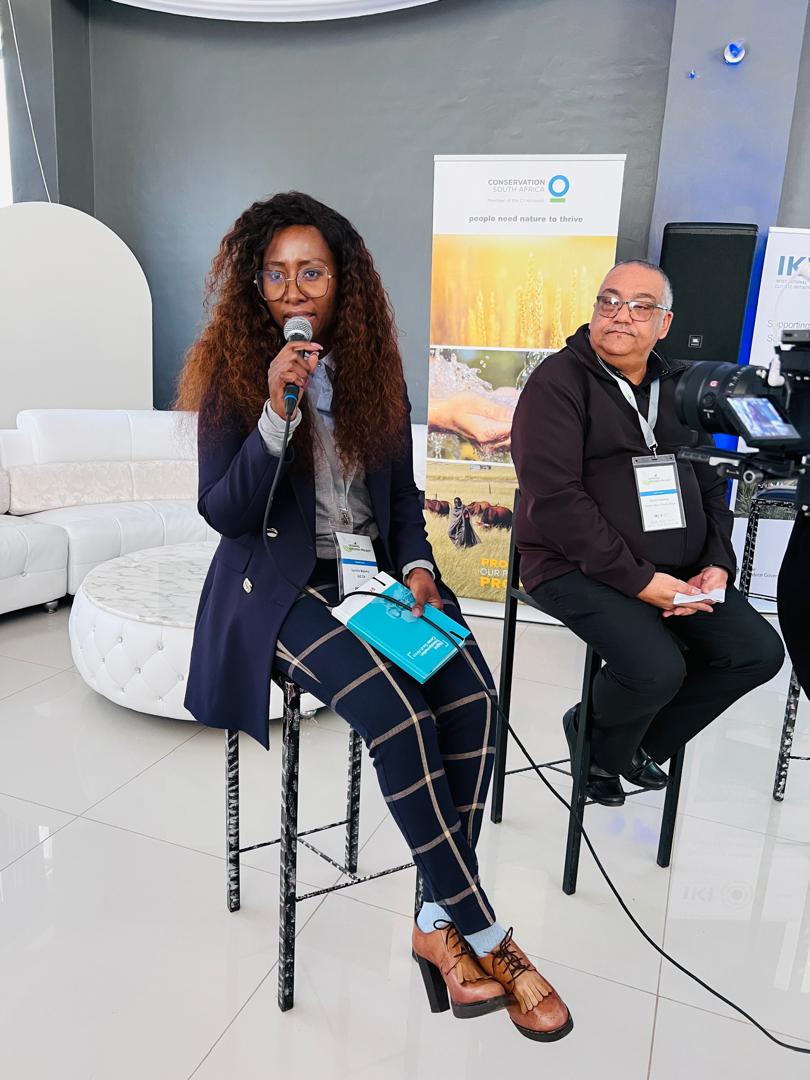
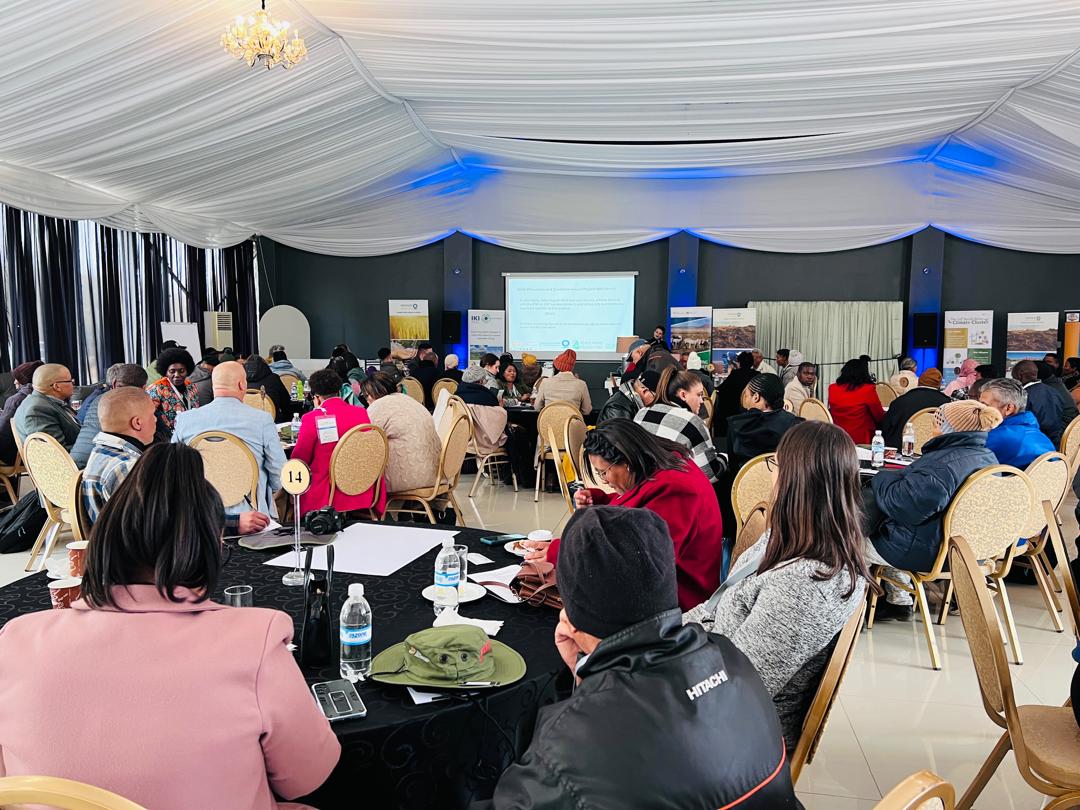
The event concluded with a moment of reflection and a charge to act. In closing remarks delivered on behalf of the Department of Forestry, Fisheries, and Environment, Mr. Barney Kgope urged all stakeholders to continue learning from one another and to stay the course in building climate-resilient communities through collaborative, inclusive approaches.
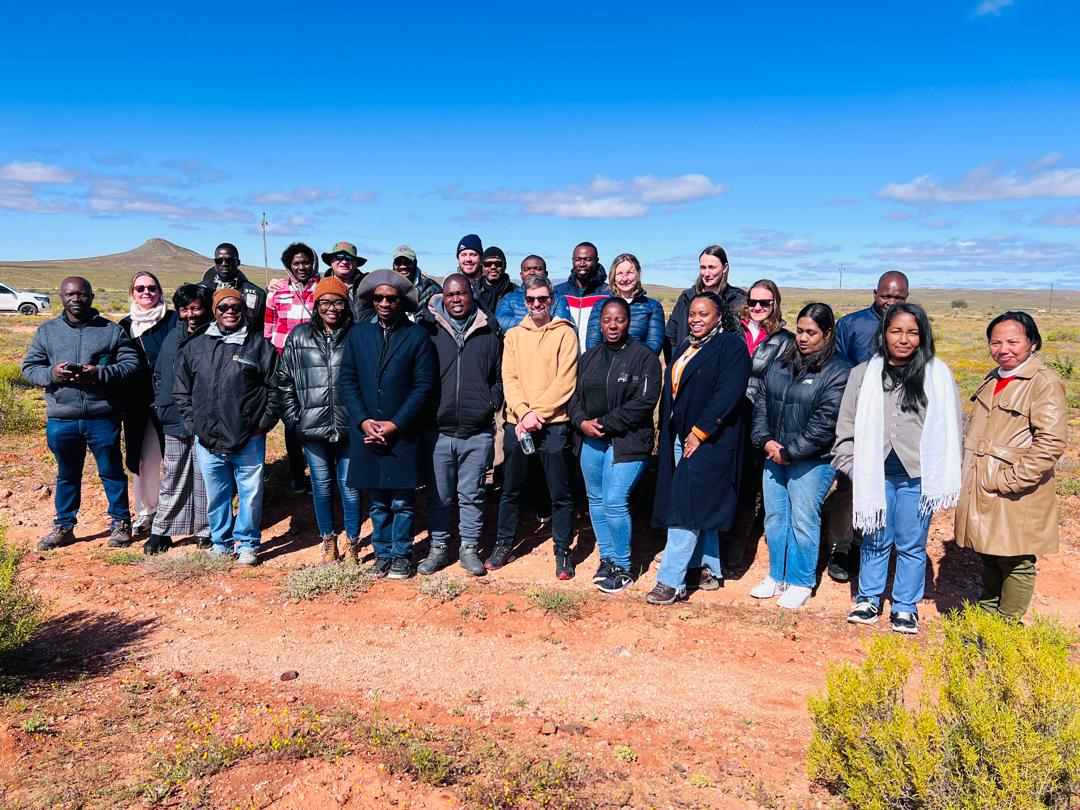
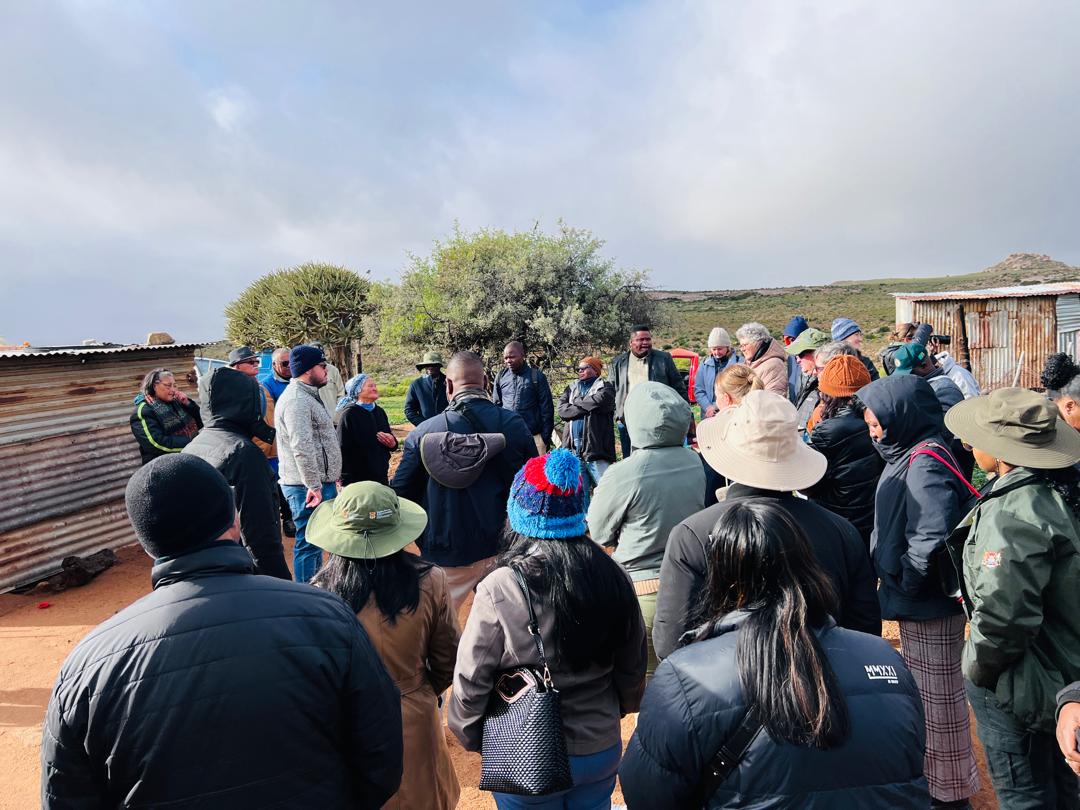
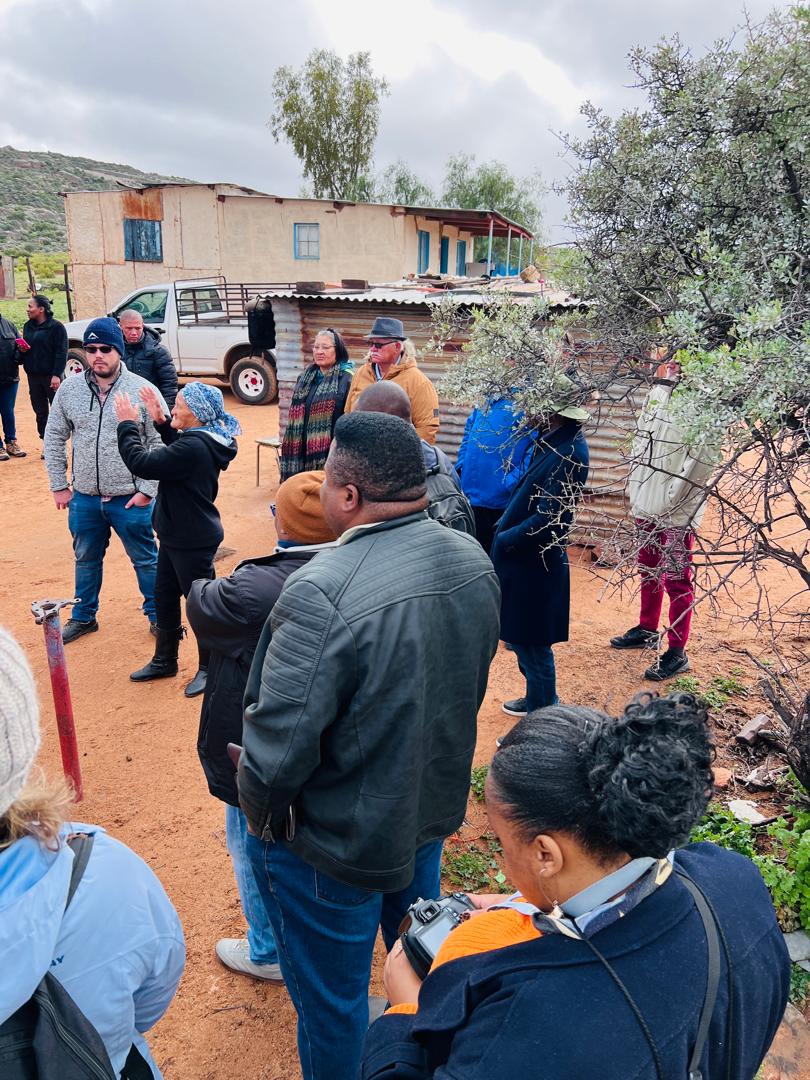
On the sidelines of the IKI Growing Greener Project launch in South Africa, delegates embarked on a field visit to engage with a local farmer, Mrs Ounooi Gertse, successfully implementing the Herding for Health (H4H) model using goats. She candidly shared both her successes and the challenges she faces in restoring and managing rangelands. The team also took time to explore the outskirts of Springbok, taking in the breathtaking landscapes of the Northern Cape a powerful reminder of what’s at stake in the face of climate change.
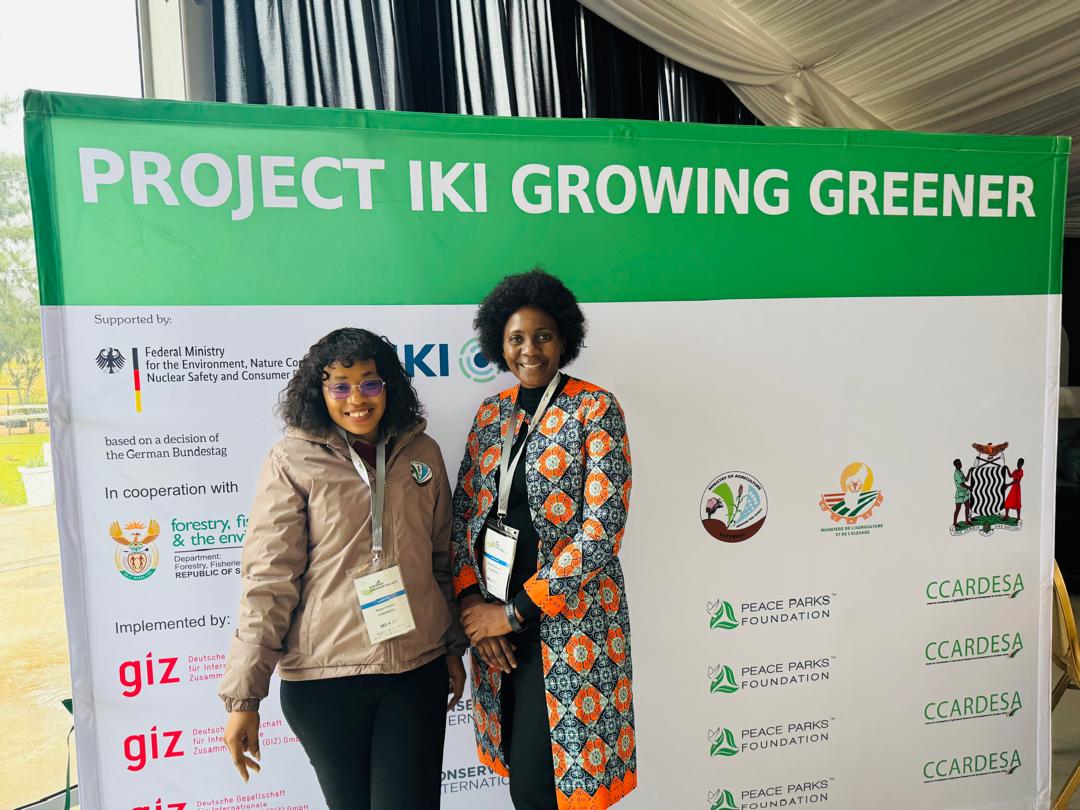
The Growing Greener Project is implemented by the Consortium, including CCARDESA, Conservation International, and Peace Parks Foundation, working in collaboration with GIZ. CCARDESA is responsible for leading the Knowledge Management and Capacity Building component of the project, which falls under Output Area 4. Representing CCARDESA at this important event were Mrs. Bridget Kakuwa-Kasongamulilo, Manager for Information, Communication and Knowledge Management (ICKM), and Ms. Kope Letsebe, IT Officer.