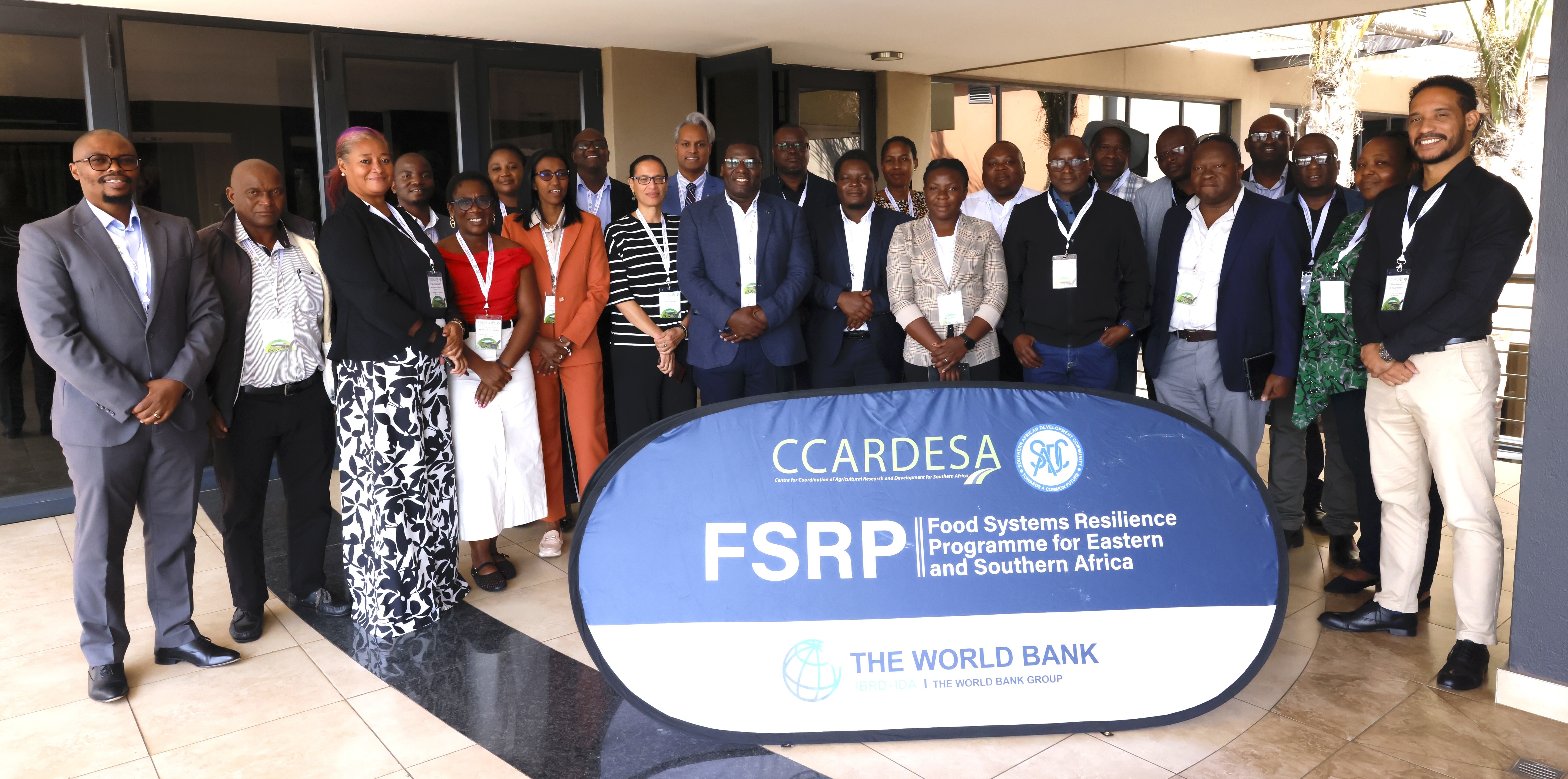
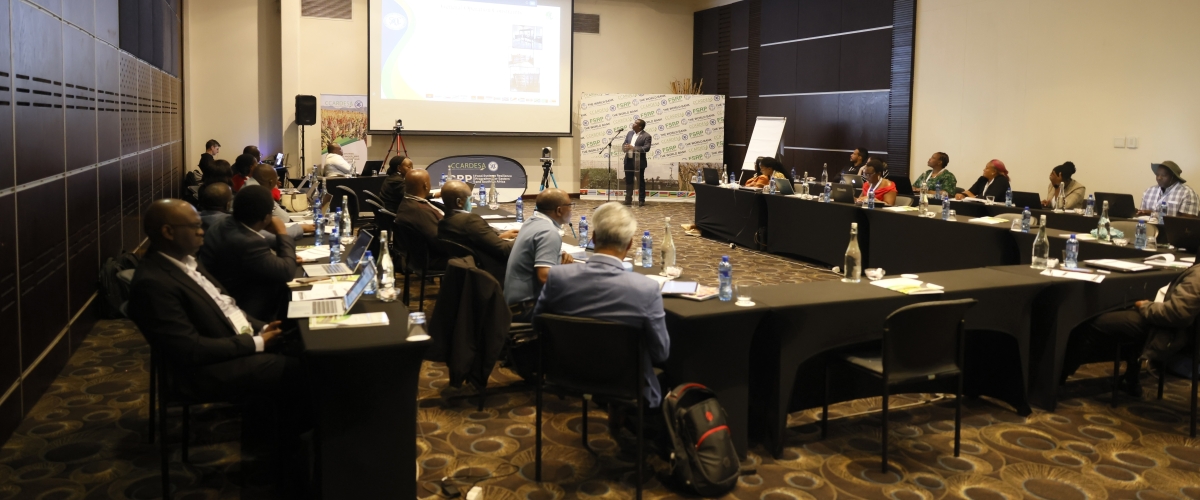
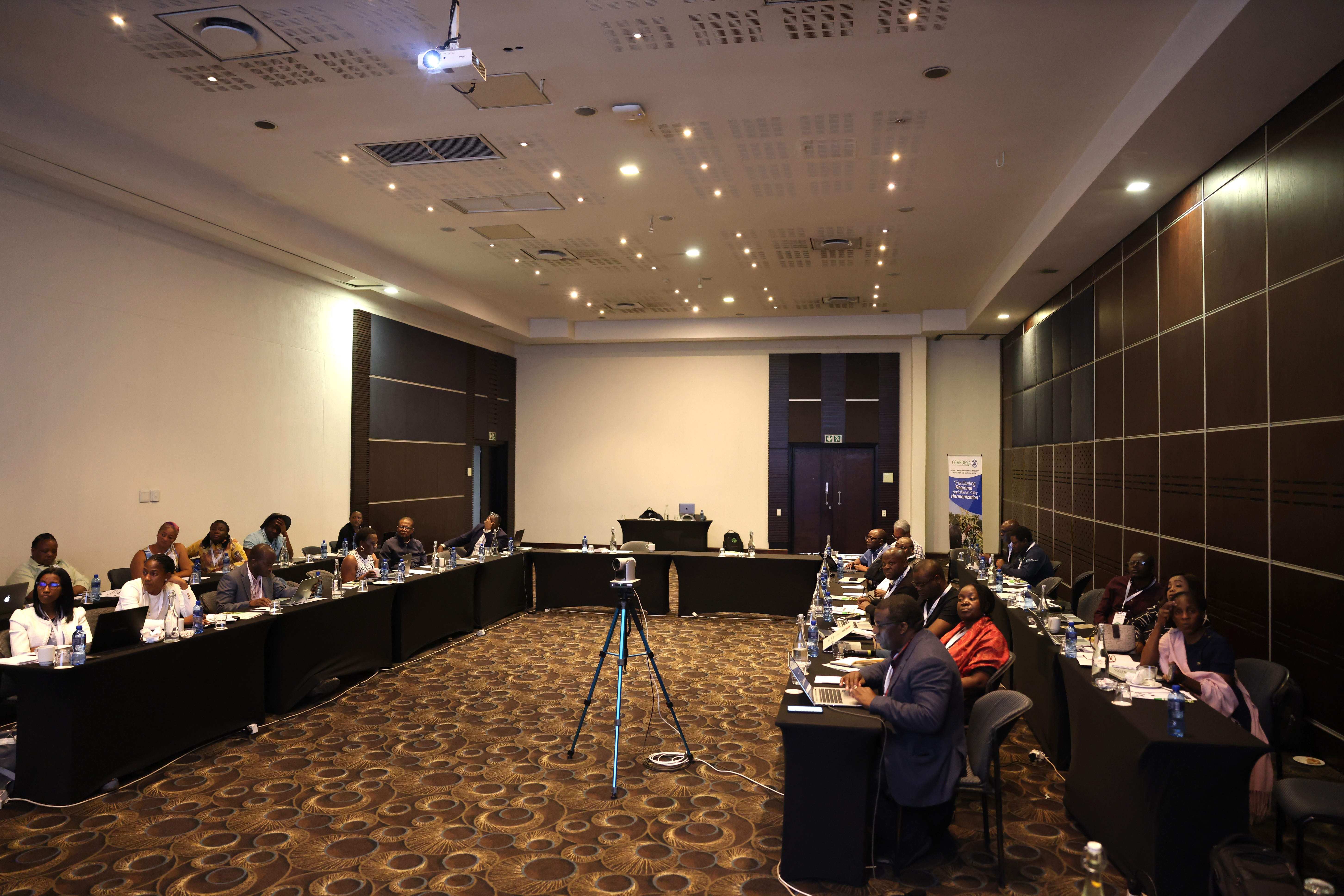
Experts from across the Southern African Development Community (SADC) convened in Johannesburg from 15–16 September 2025 for a Technical Review and Planning Meeting on Plant Genetic Resources (PGR), aimed at strengthening conservation, research integration, and resilience-building for regional agri-food systems.
The meeting, co-hosted by the SADC Plant Genetic Resources Centre (SPGRC) and the Centre for Coordination of Agricultural Research and Development for Southern Africa (CCARDESA), brought together curators from 14 SADC Member States, international cooperating partners, and regional research networks.
Plant genetic resources form the foundation of resilient and productive agriculture. They underpin food and nutrition security, safeguard biodiversity, and enable the development of climate-smart farming systems. Delegates emphasized that conserving indigenous crops is critical for seed sovereignty, enhancing nutrition, and strengthening farmers’ capacity to adapt to climate change, pests, and other emerging shocks.
While progress has been made through seed banks, research networks, and partnerships, participants cautioned that genetic erosion, the loss of traditional knowledge, and gaps in documentation continue to threaten biodiversity across the region. Preserving these resources, they agreed, is essential not only for research and breeding but also for protecting the livelihoods of millions of smallholder farmers.
 |  |  |
Custodianship and collaboration
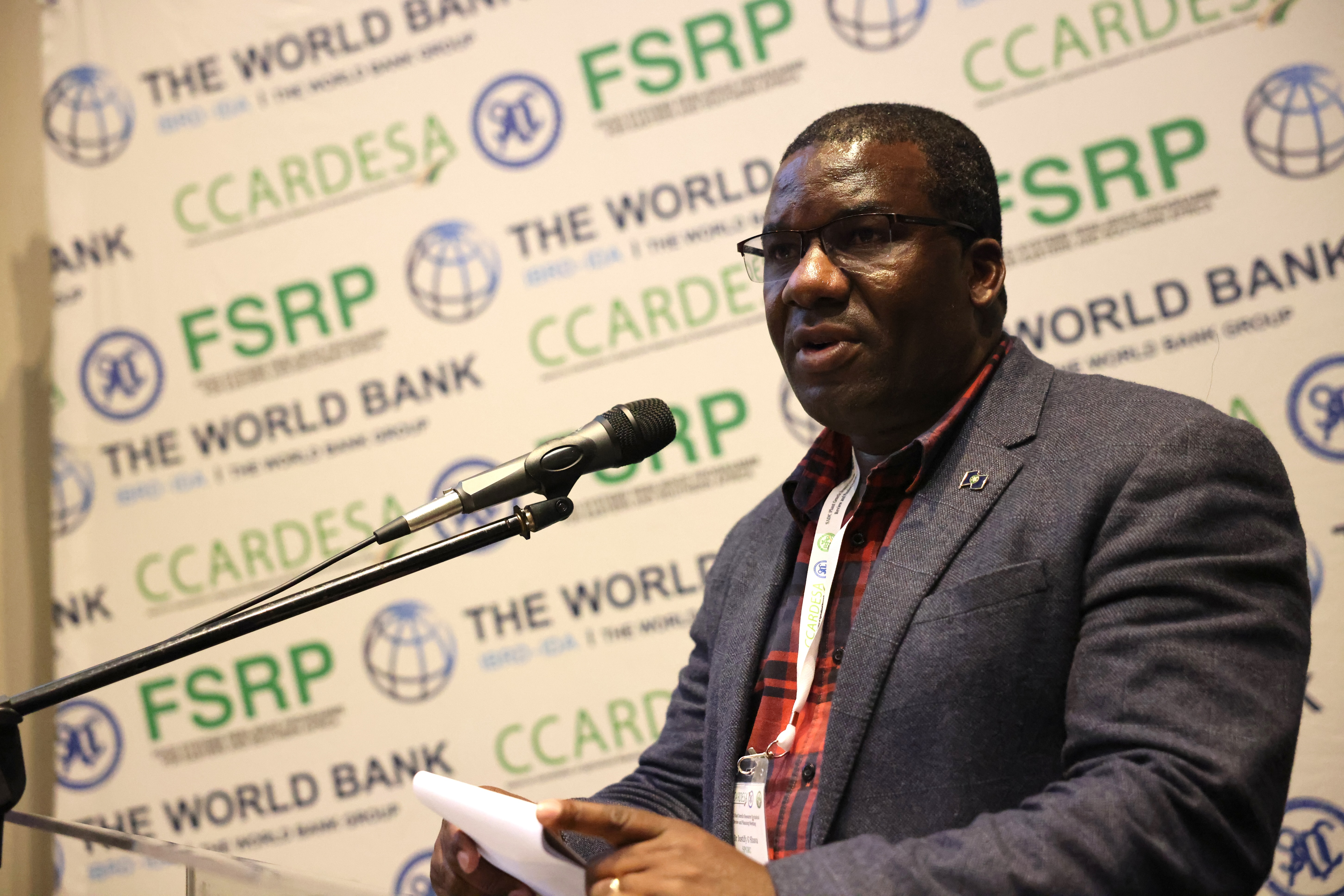
Dr. Justify Shava, Head of SPGRC, reminded participants of the Centre’s long-standing role as a custodian of the region’s genetic heritage and the importance of collective responsibility in safeguarding it. He highlighted partnerships with FAO, CCARDESA, universities, and regional research networks, which have been instrumental in advancing conservation, particularly of traditional vegetables and other underutilized crops.
Dr. Shava acknowledged CCARDESA for supporting the regional technical review and planning meeting, stressing that its role in linking conservation with research and farmer adoption through the Food Systems Resilience Programme (FSRP) is invaluable. “Plant genetic resources are the foundation of a viable agricultural industry. Without strong collaboration among Member States, research institutions, and partners, we risk losing invaluable diversity that future generations will depend on,” he said.
CCARDESA’s call for action
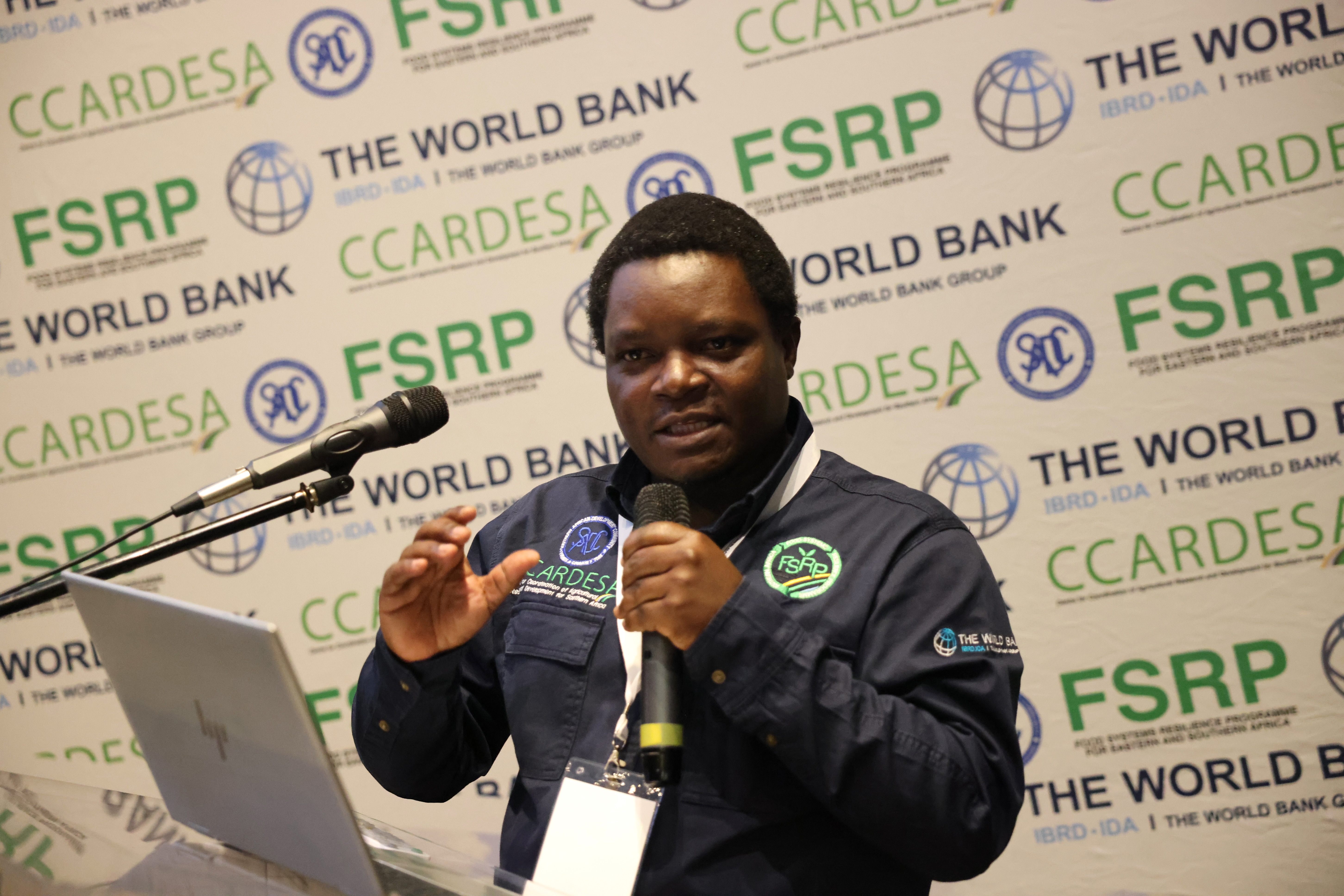
Speaking on behalf of CCARDESA, Dr. Barthlomew Chataika, Special Programmes Coordinator for the SADC Soil Health and Fertilizer Hub, noted that the meeting came at a critical time when the region faces the dual challenge of ensuring food security while building sustainable, and climate-smart agri-food systems.
“At the heart of this effort lies plant genetic resources – the foundation of agricultural research, breeding, and innovation,” Dr. Chataika said. “Without conserving, characterizing, and utilizing these genetic resources, our ability to develop resilient crop varieties, strengthen seed systems, and respond to the shocks of climate change, pests, and diseases would be severely limited.”
He further emphasized that the workshop aligns with the SADC Regional Agricultural Policy (RAP), the Malabo Declaration, the CAADP Results Framework, and the African Union’s Agenda 2063, while being fully anchored in the Food Systems Resilience Programme’s (FSRP) objective of enhancing preparedness against food insecurity in Southern Africa.
Charting a joint path forward
Over the two days, participants reviewed Member States’ progress, shared best practices, and worked on Priority Actions (2025–2026). The plan sets out clear priorities, resource mobilization strategies, and mechanisms for linking conservation with agricultural innovation and resilience-building initiatives.
Delegates concluded that the future of Southern Africa’s agriculture will depend on how effectively the region conserves, develops, and utilizes its plant genetic resources. These resources, they affirmed, are not just seeds preserved in storage but living instruments for building resilient, inclusive, and sustainable agri-food systems for generations to come.