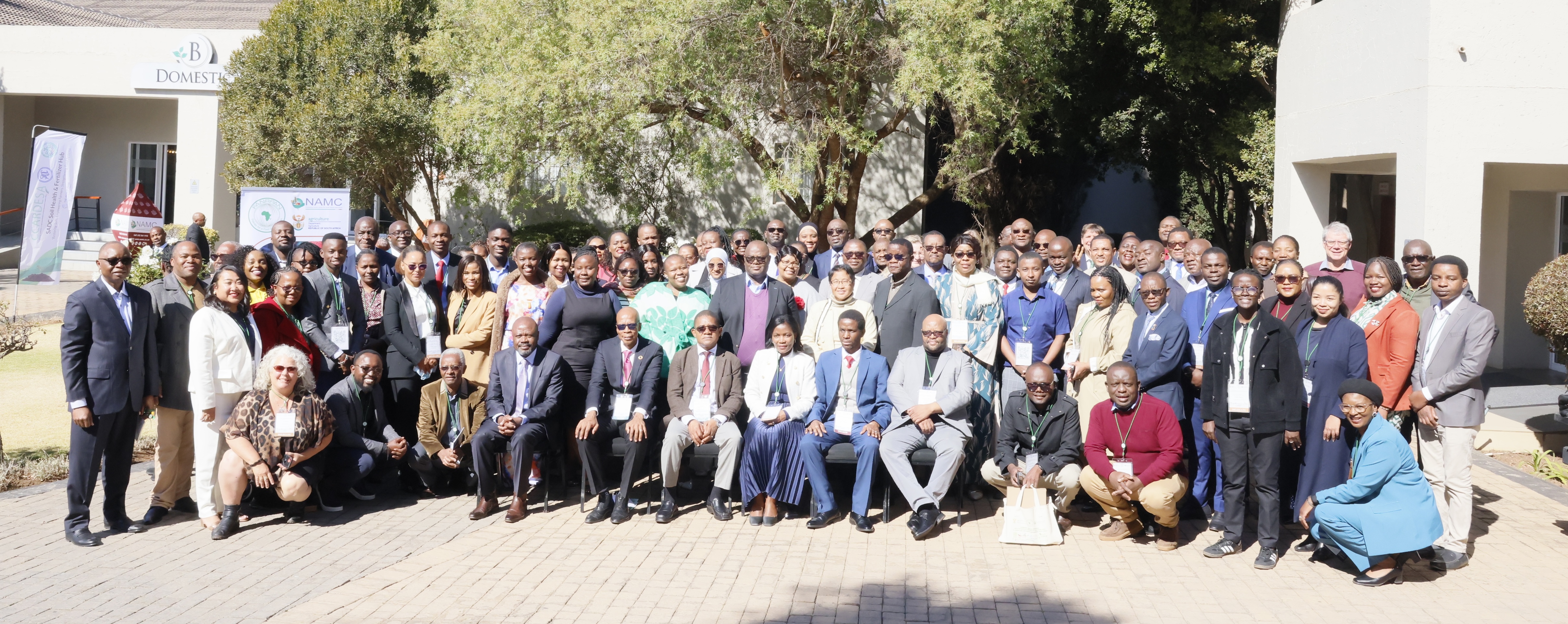
Southern Africa has taken a decisive step towards sustainable agriculture and food security with the official launch of the SADC Soil Health and Fertilizer Hub (SADC SHFH) on August 4, 2025, in Johannesburg, South Africa. The launch took place during the FANRPAN 2025 Annual Multistakeholder Policy Dialogue (August 4–7), underscoring broad regional commitment and collaboration.
Hosted by the Centre for Coordination of Agricultural Research and Development for Southern Africa (CCARDESA), the launch of the Hub follows the formal endorsement in May 2025 by the SADC Ministers responsible for Agriculture, Food Security, Fisheries, and Aquaculture. This milestone marks a new era of action against soil degradation and limited fertilizer access across the region. The SADC SHFH is designed to lead the implementation of the Africa Fertilizer and Soil Health Action Plan, tailored to the specific needs and realities of Southern Africa’s agricultural sector.
Prof. Cliff Dlamini, Executive Director of CCARDESA, hailed the launch as a turning point for the region:
“For years, the continent has produced declarations and strategies. Today, we move decisively from aspiration to tangible action. This Hub represents a powerful partnership spanning 16 member states, research institutions, farmers, and the private sector — all working to deliver climate-smart, science-based solutions that meet real needs on the ground.”
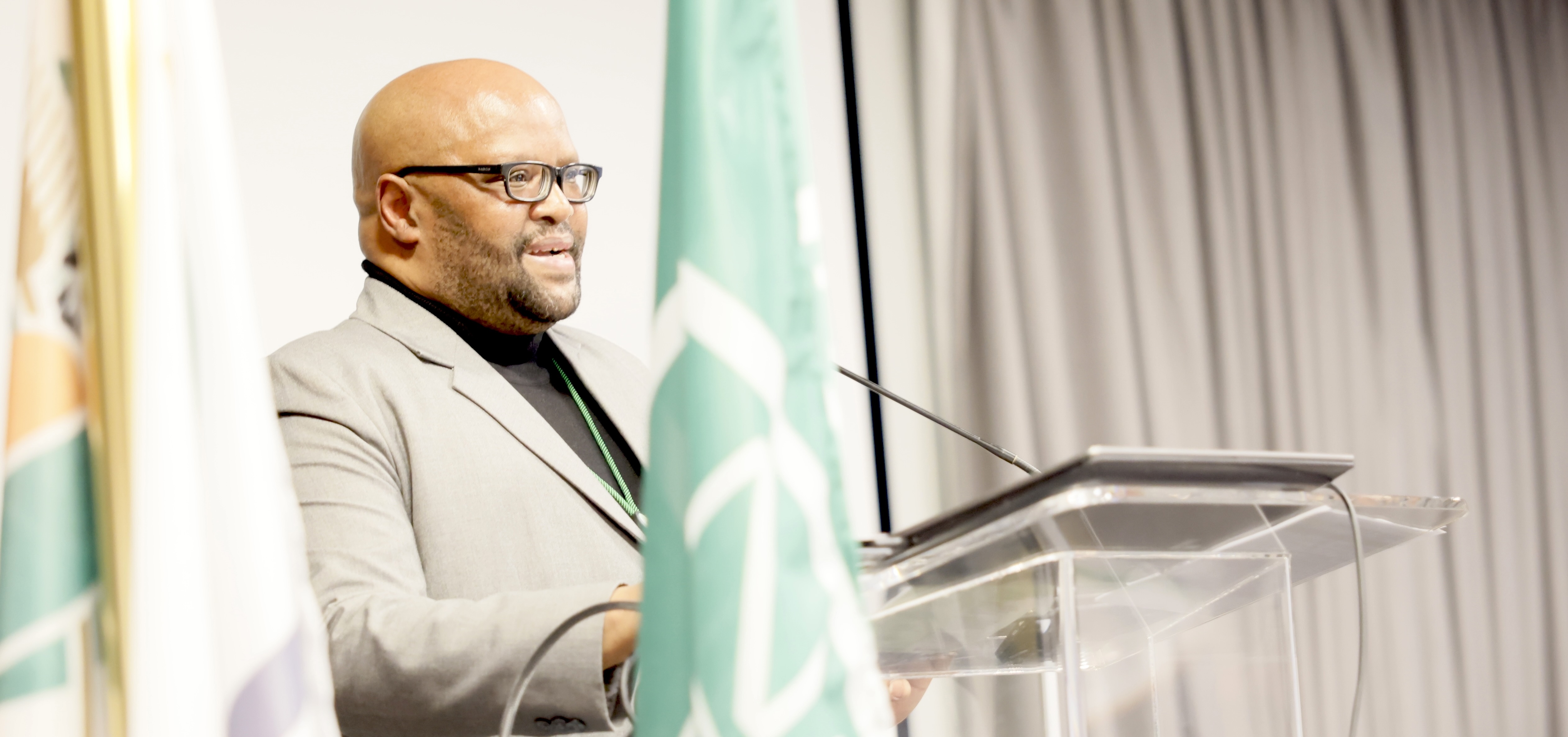
Prof Cliff Dlamini delivering his opening remarks.
The Hub will serve as a regional platform to coordinate knowledge exchange, harmonize policies, build capacity, and mobilize investments to restore millions of hectares of degraded land.
Technical Partners Call for Collective Action
The launch brought together leading voices from across the agricultural development community, all of whom emphasized the urgency and promise to deliver.
Dr. Matthew Abang of the Food and Agriculture Organization (FAO) of the United Nations praised the spirit of collaboration that made the Hub establishment possible, describing it as “a beacon of hope” for the future of Southern Africa’s food systems. He stressed the importance of acting with urgency to ensure that healthy soils form the foundation of resilient, productive agriculture.
Dr. Canisius Kanangire, representing the African Agricultural Technology Foundation (AATF), highlighted the critical role of innovation and joint investment. “Technological advances such as biotechnology and digital soil mapping must be scaled through partnerships that cut across governments, scientists, and farmers,” he said. “We have the tools. Now we need the commitment.”
Dr. Maria Wanzala of the African Fertilizer and Agribusiness Partnership (AFAP) focused on the need to harmonize fertilizer regulations across the region. “Without consistent, enabling policies, smallholder farmers will continue to struggle with access to affordable, high-quality fertilizers,” she noted. “Addressing these gaps is essential for driving productivity and economic growth.”
Dr. Axel Schmidt of Catholic Relief Services (CRS) spoke passionately about the moral imperative of soil health. “This is not just an agricultural challenge — it is a matter of food and water security,” he said. “Improving soil health is an obligation we must all share if we are to build a resilient future.”
 Dr Abang | 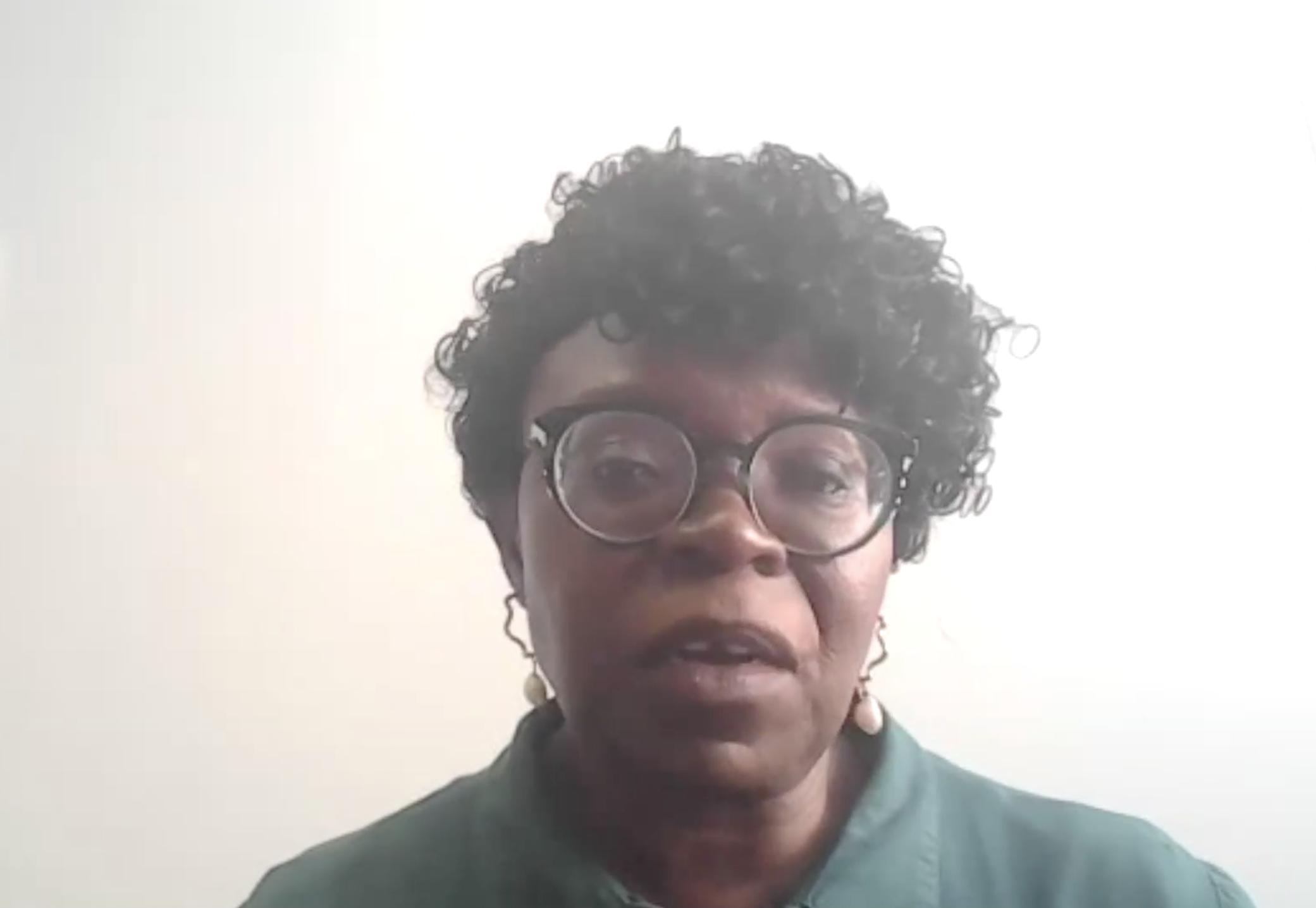 Dr Wanzala | 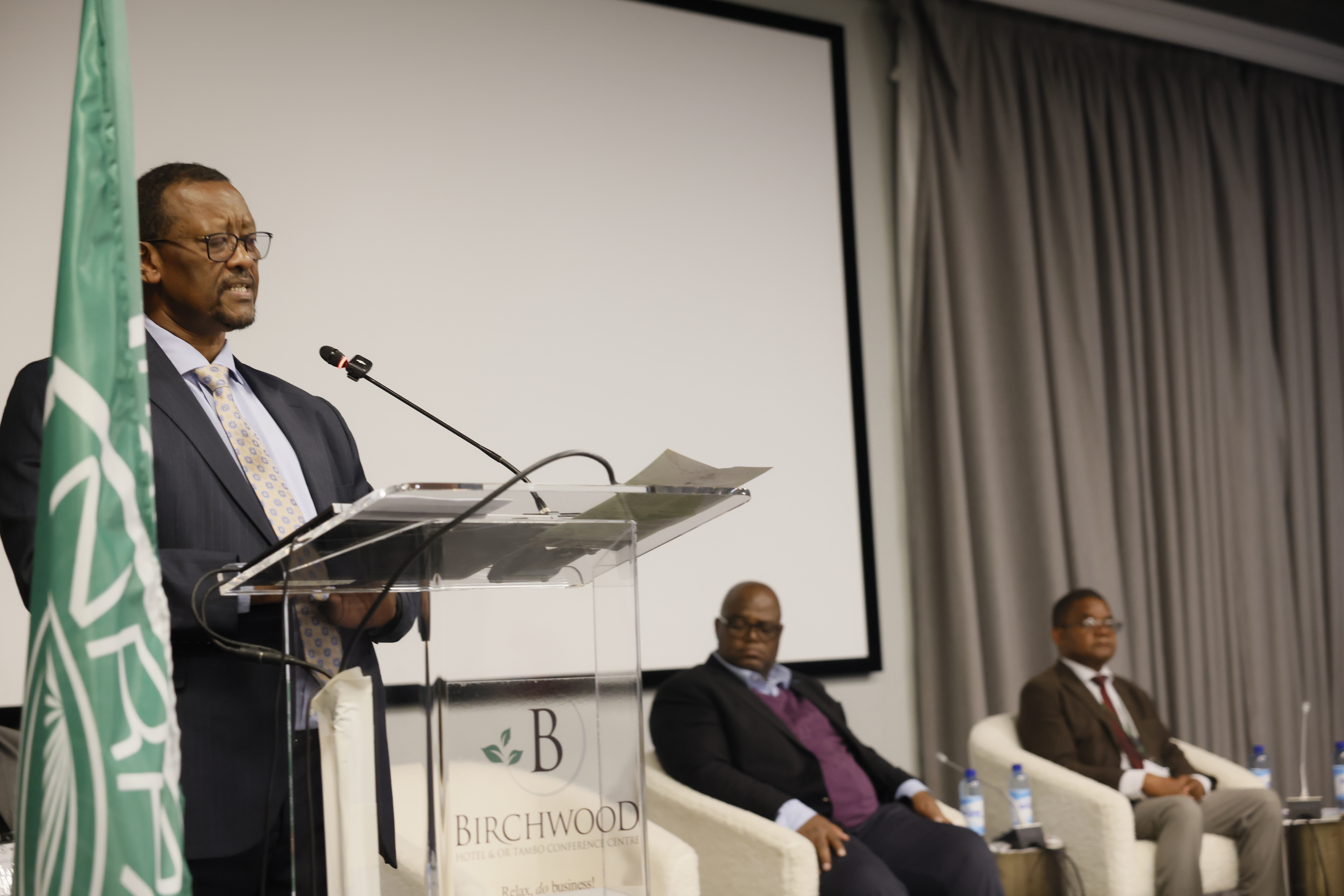 Dr Kanangire | 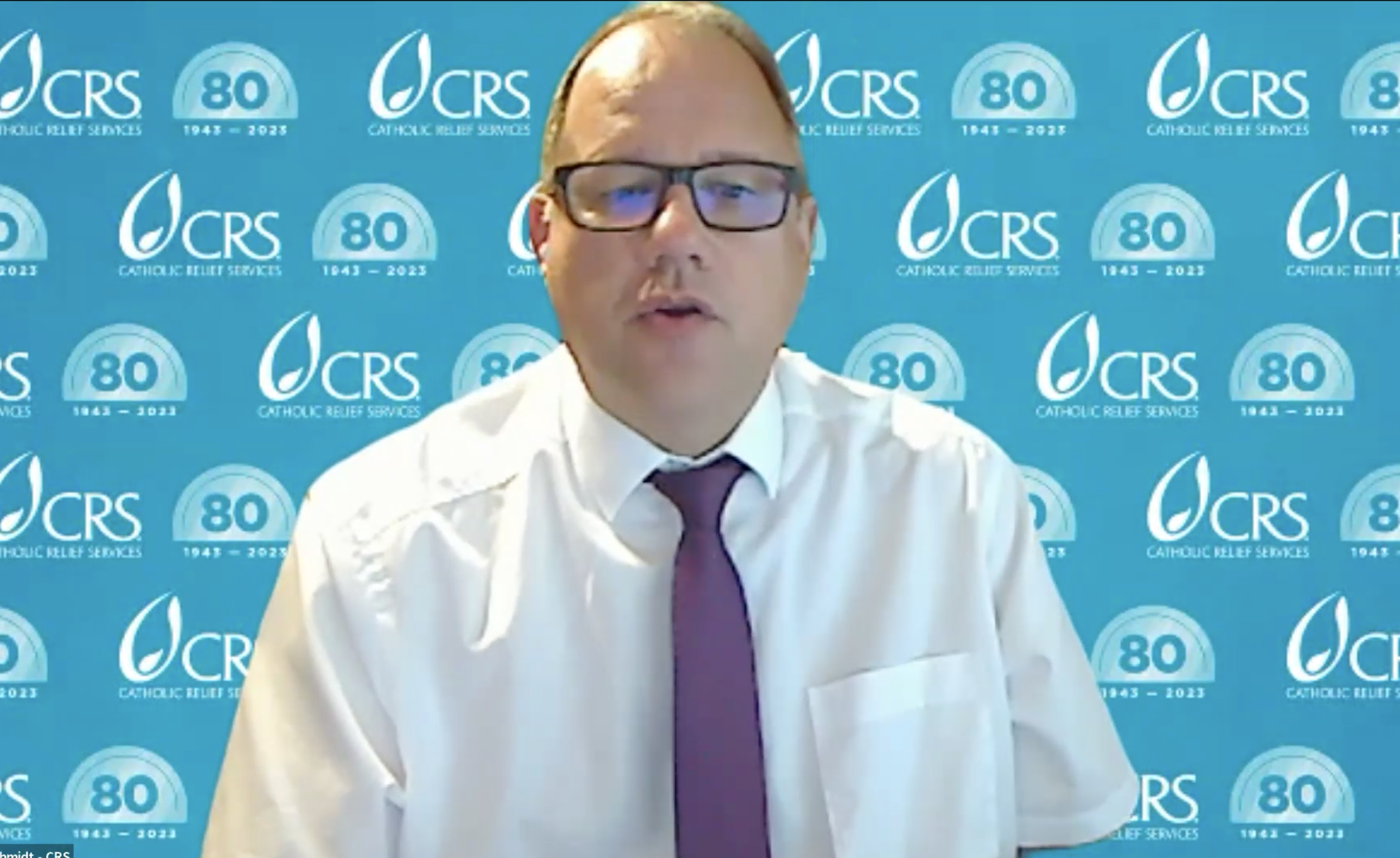 Dr Schmidt |
A Roadmap for Impact
Dr. Barthlomew Chataika, CCARDESA Special Programmes Coordinator – SADC SHFH, unveiled the strategic objectives of the SHFH and a five-year regional fertilizer and soil health program aimed at building resilient agro-food systems across the region. The plan includes harmonizing fertilizer regulations, expanding sustainable land management practices, increasing access to affordable fertilizers, and equipping farmers with digital, data-driven tools.
These targeted actions are expected to transform soil management throughout Southern Africa and position the region to meet its food security and economic development goals by 2030.
A Call to Sustain the Momentum
Representing the SADC Secretariat, Mr. Duncan Samikwa emphasized that the success of the Hub depends on sustained commitment and resources:
“This Hub must never become a white elephant. It must drive real change through continuous collaboration and investment.”
Dr. Dumisani Kutywayo, Deputy Chair of the CCARDESA Board of Directors, who also represented the Republic of Zimbabwe as the current SADC Chair, officially launched the Hub with a clear call to action:
“Enough with fragmented efforts and degraded soils. Today, we commit to coordinated action, healthy soils, and a resilient Southern Africa.”
He urged SADC member states to integrate soil health into their national plans and budgets, while also encouraging the private sector to invest in solutions. Development partners were invited to support high-impact interventions such as digital soil mapping, agroecological zoning, and public-private logistics partnerships for fertilizer access.
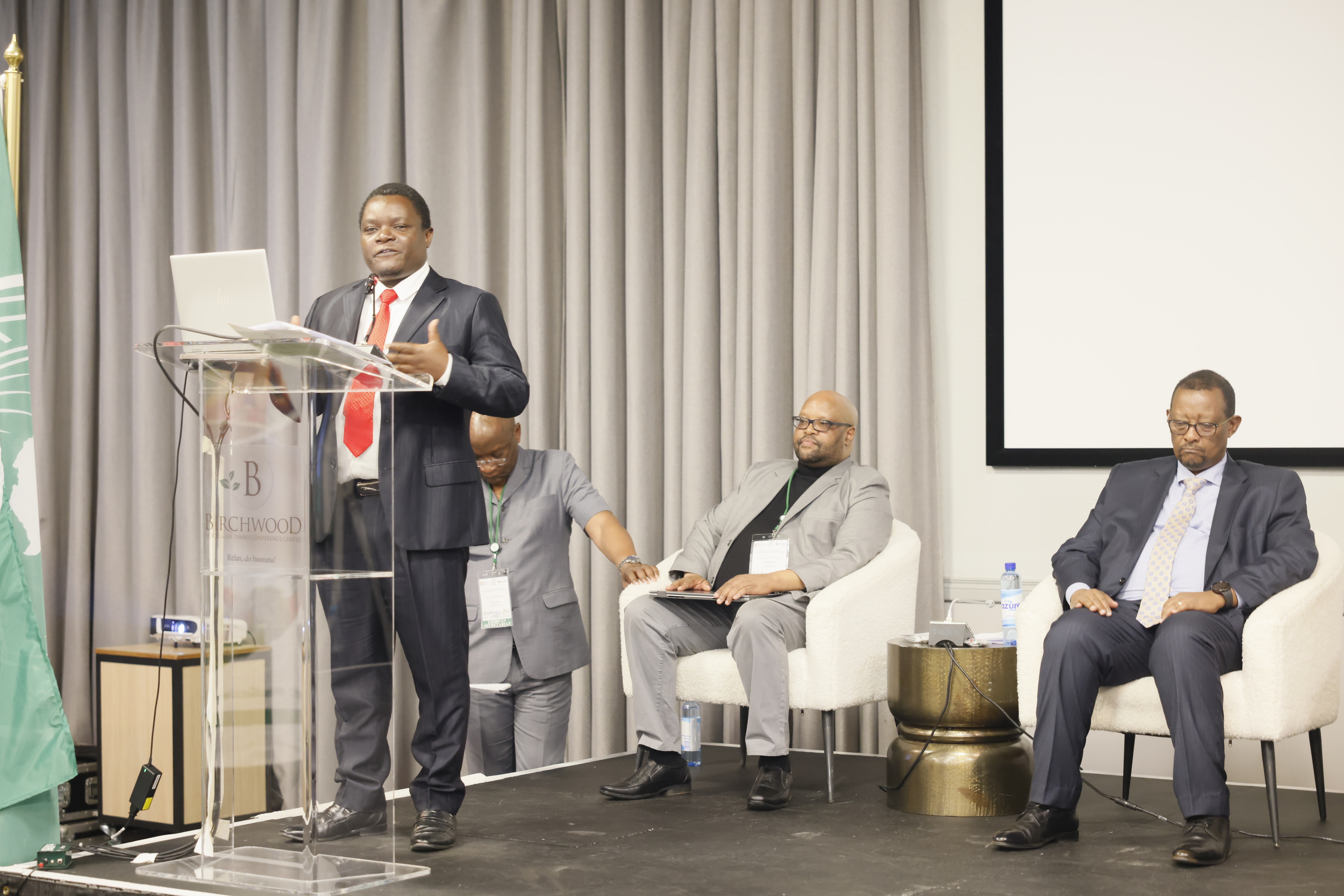 Dr Chataika | 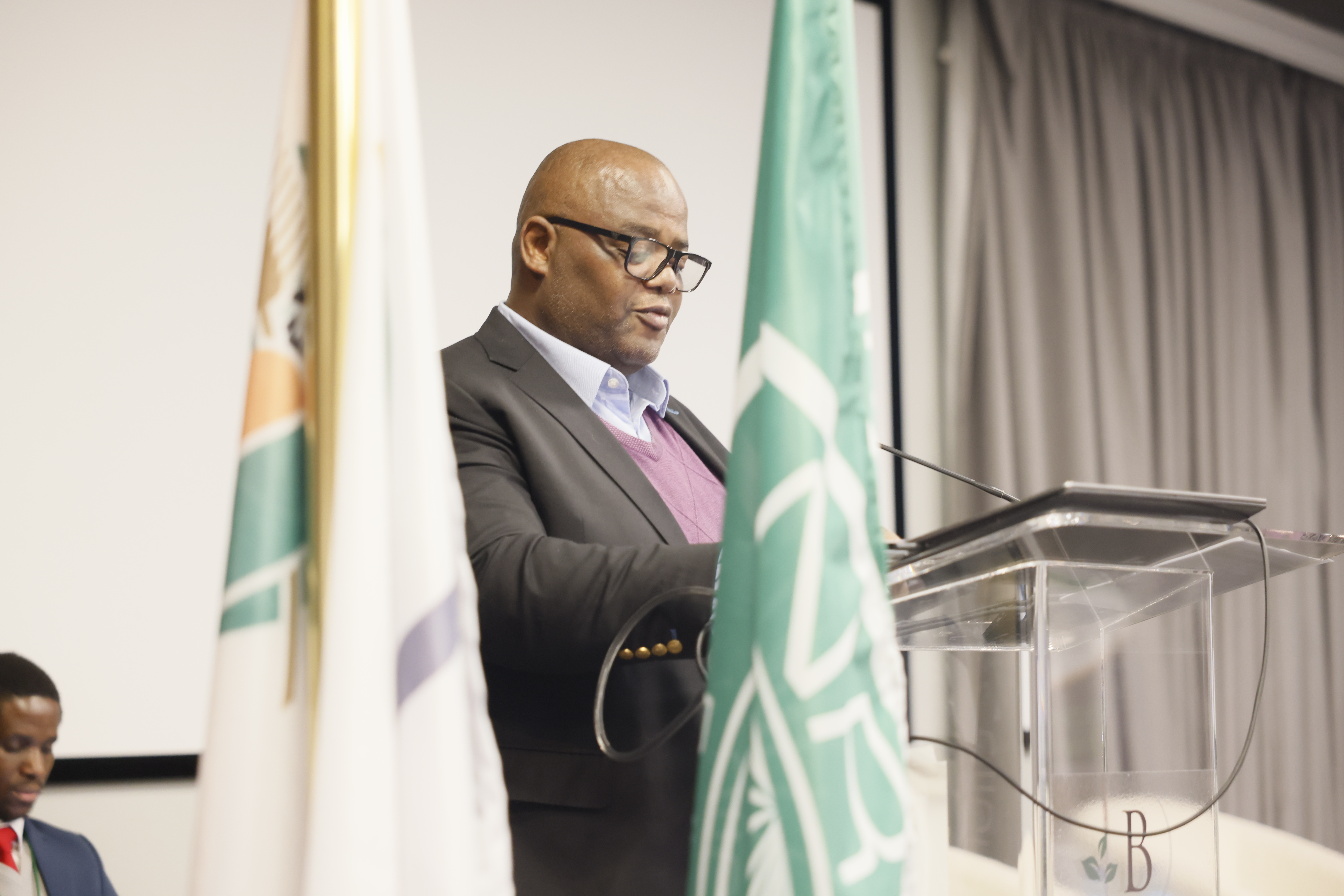 Mr Samikwa | 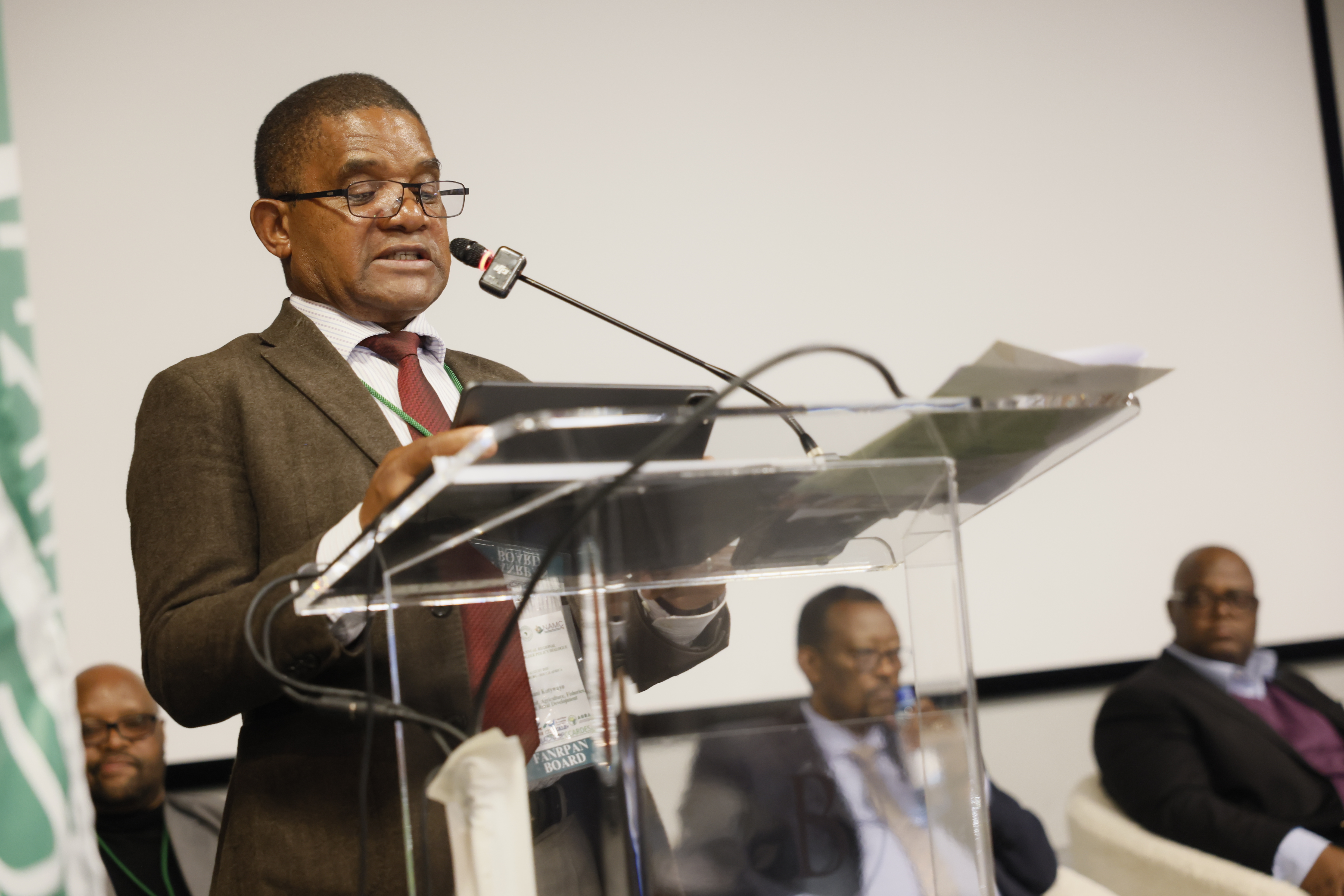 Dr Kutywayo |
Grounded in Farmers’ Realities
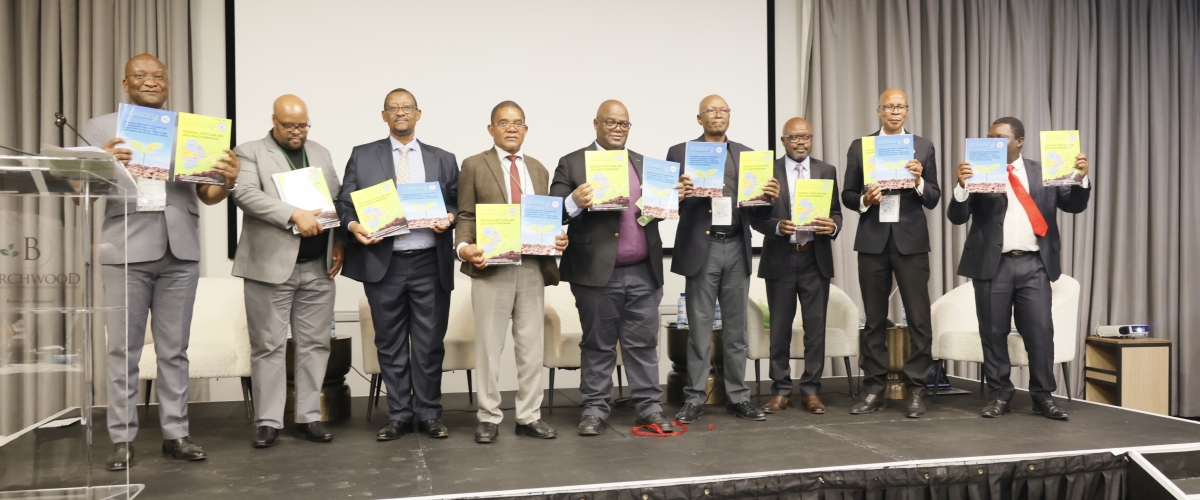
The launch concluded with a symbolic ribbon cutting led by Dr. Dumisani Kutywayo, accompanied by other high-level delegates representing diverse stakeholders, including farmer representatives. Copies of the SADC SHFH proposal and the Regional Fertilizer and Soil Health Programme were distributed to key actors across the region’s agricultural landscape.
The World Bank, through the Food Systems Resilience Program (FSRP), provided catalytic support to kickstart the Hub’s activities — including the development of strategic documents and their subsequent validation and approval by SADC Ministers responsible for Agriculture, Food Security, Fisheries and Aquaculture. At present, CCARDESA is actively mobilizing additional resources to fully operationalize the Hub and sustain its impact.
With the launch of the SADC Soil Health and Fertilizer Hub, Southern Africa sends a clear and unified message: the region is ready to reclaim its soils, transform its agriculture, and build a sustainable, food-secure future for generations to come.