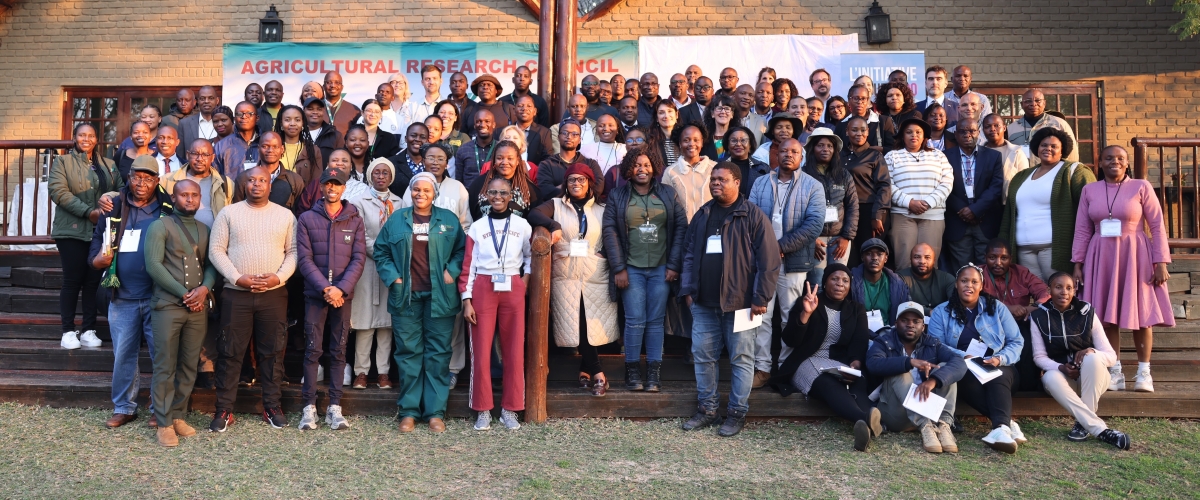
The Centre for Coordination of Agricultural Research and Development for Southern Africa (CCARDESA) joined regional and international partners in co-hosting the Joint F'SAGRI – "4 per 1000" Southern Africa Regional Conference on Soil Health from 24 to 26 June 2026 in Pretoria, South Africa. The conference brought together scientists, policymakers, farmers, development partners, academia and the private sector to advance practical solutions for restoring soil health and strengthening resilient food systems resilience.
Held in a hybrid format, the conference co-organized in partnership with the French South African Agricultural Institute (F'SAGRI), and the "4 per 1000" Initiative. Other key partners that took part in the conference are South Africa’s Agricultural Research Council (ARC) and the Department of Science, Technology and Innovation (DSTI). Others are the Southern African Development Community (SADC), the Food and Agriculture Organization of the United Nations (FAO), AUDA-NEPAD, FARA, and institutions of higher learning.
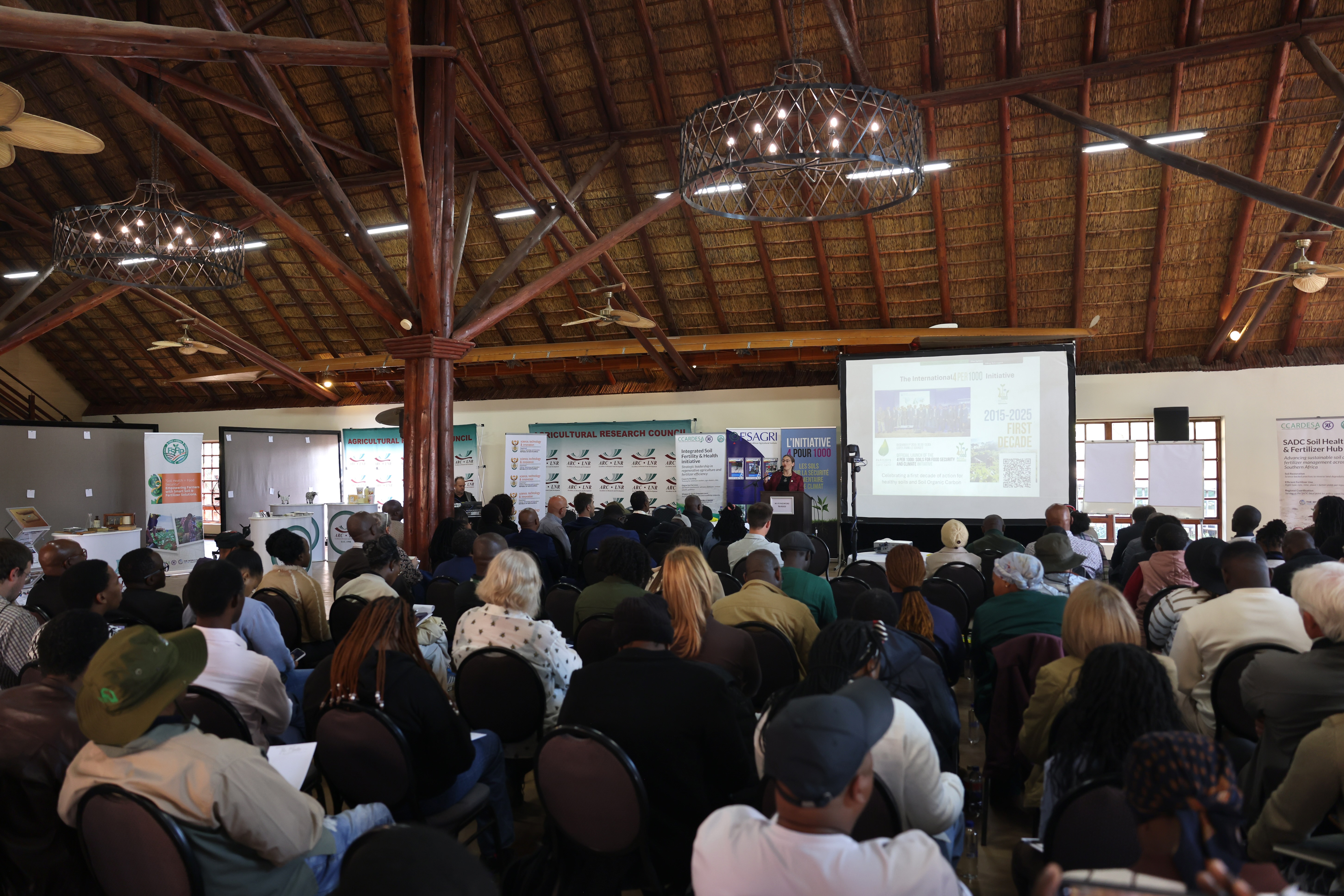 |  |  | 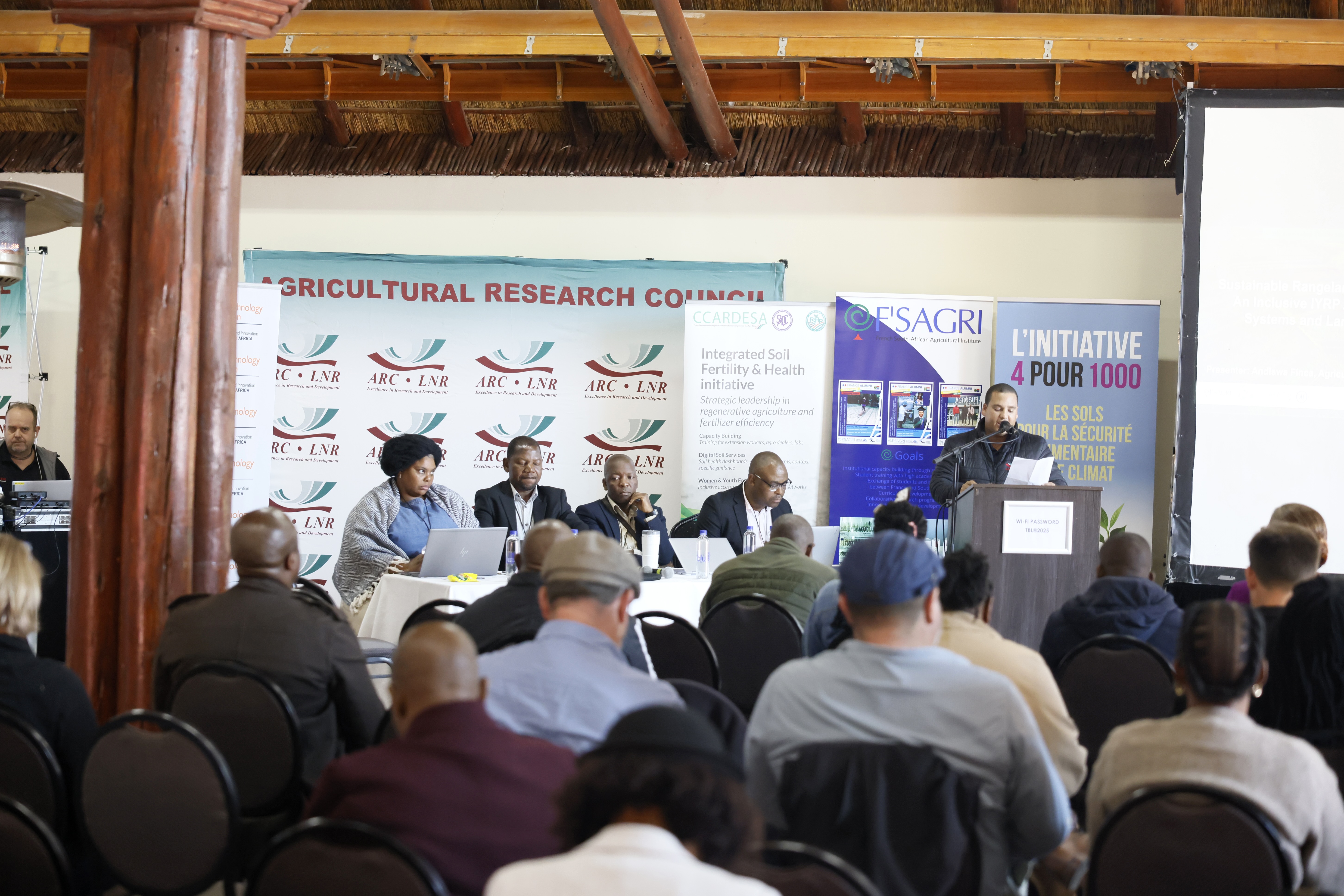 |
Healthy soils are increasingly recognised as the foundation of productive agriculture, climate resilience and sustainable livelihoods. Across Southern Africa, where land degradation, declining soil fertility and climate change continue to threaten agricultural productivity, participants agreed that restoring soil health is essential for achieving food security, building climate resilience and driving sustainable agricultural transformation.
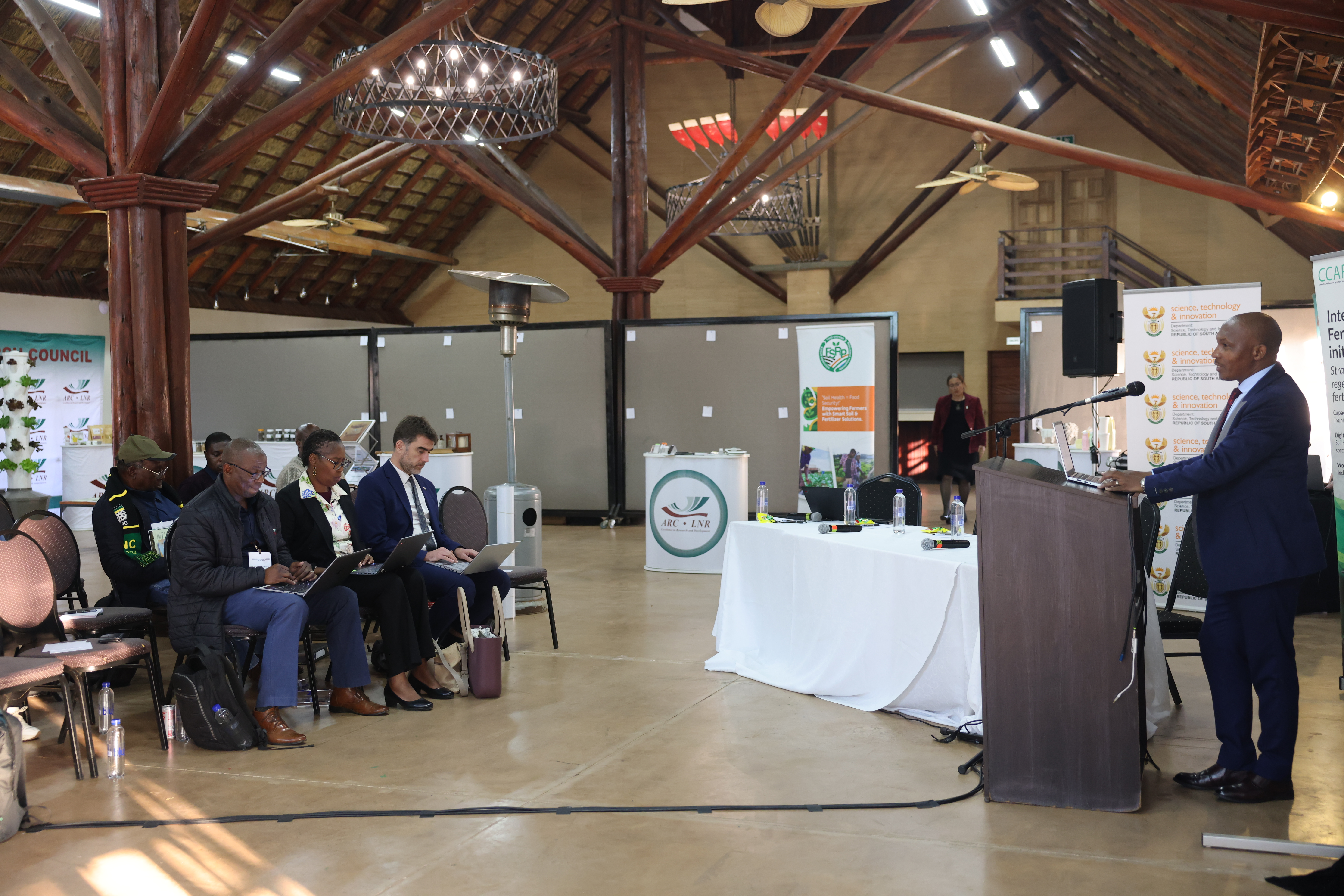
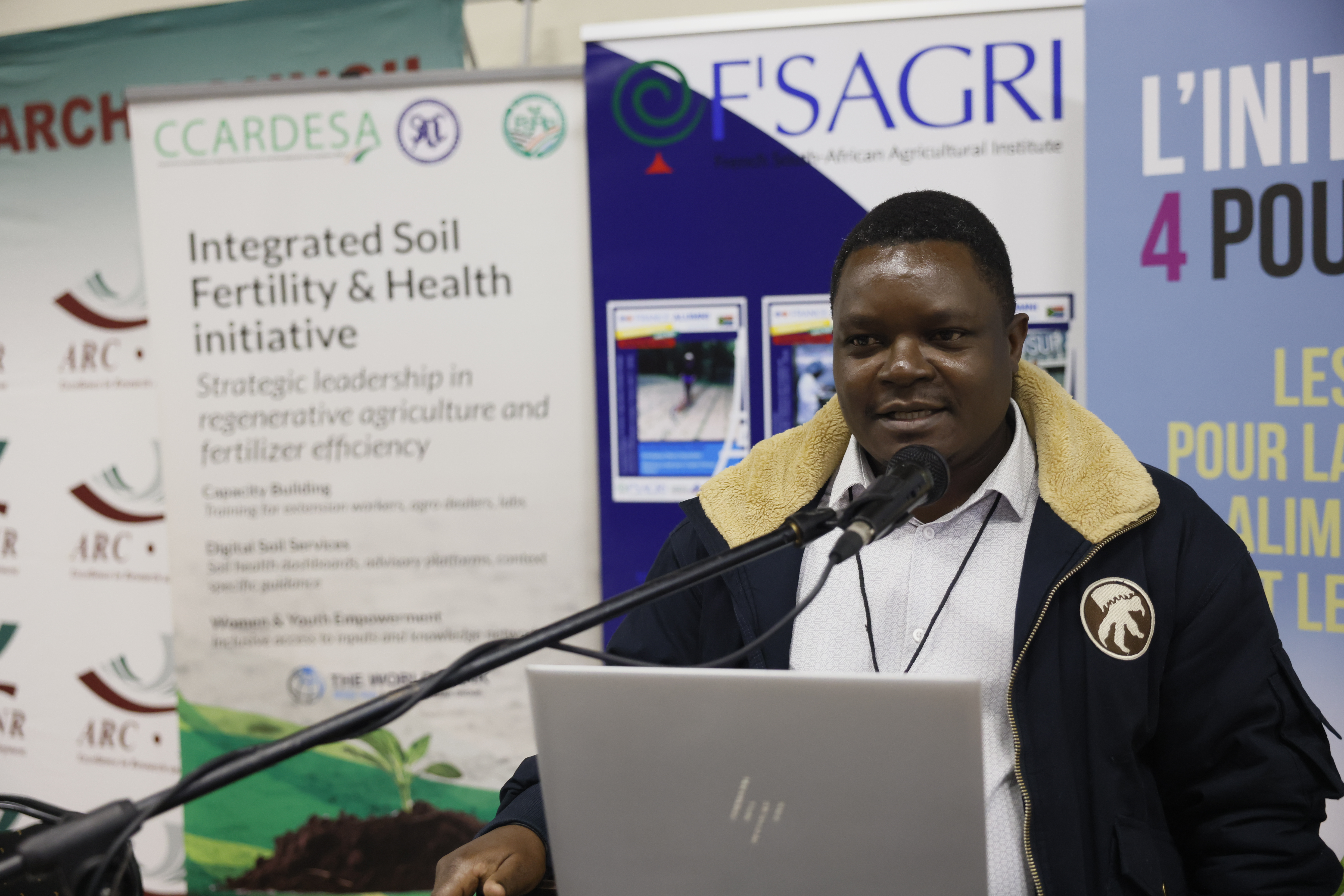
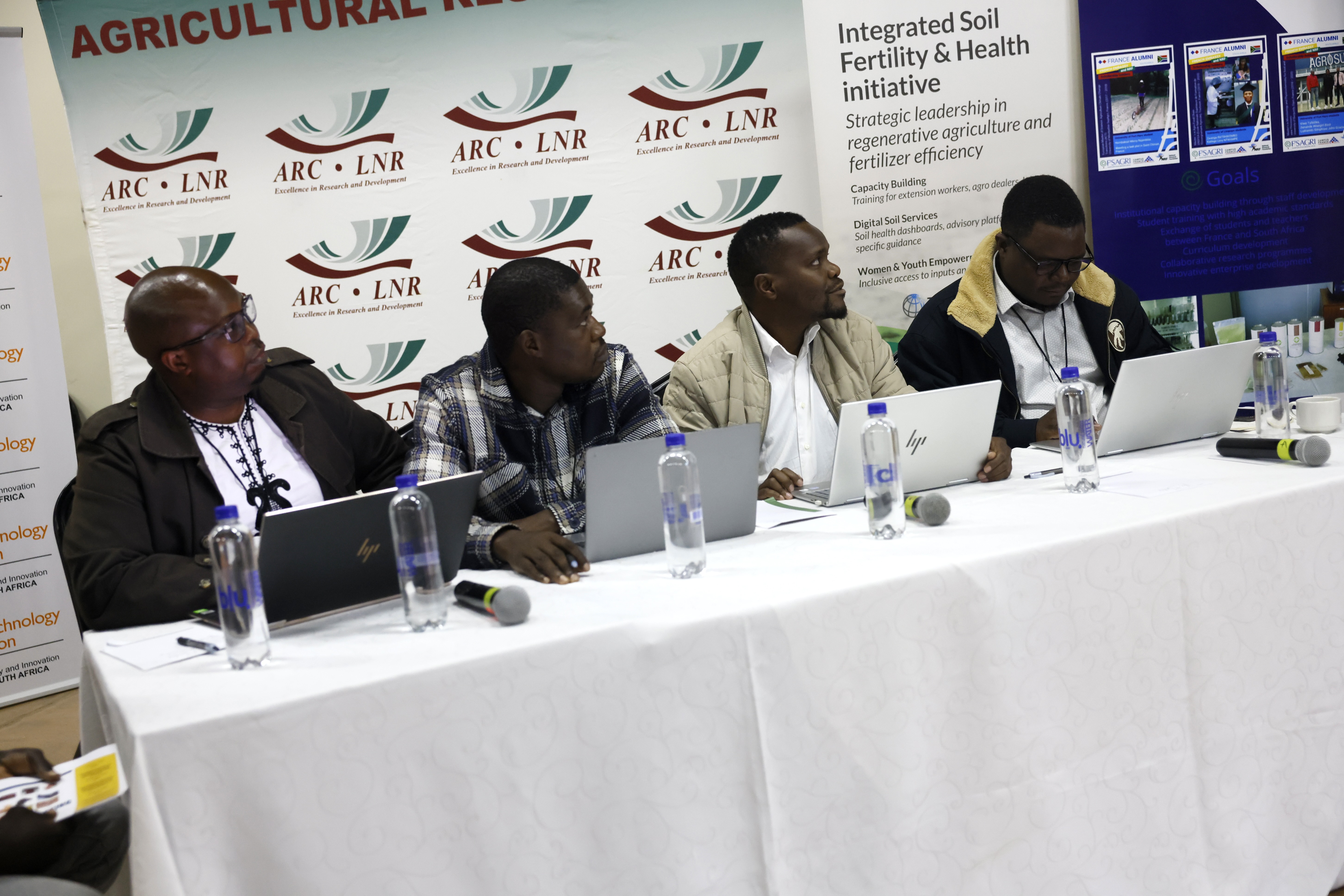
Throughout the conference, speakers emphasised that improving soil health requires a more coordinated approach and recognized the SADC Soil Health and Fertilizer hub as key to ensuring coordinated efforts. They, further, called for stronger collaboration among researchers, governments, farmers, development partners and the private sector to ensure that scientific knowledge is translated into practical policies, technologies and farming practices that deliver tangible benefits to farmers and communities.
Discussions covered regenerative agriculture, agroecology, sustainable land management, integrated soil fertility management, soil carbon, digital technologies for soil monitoring and innovative financing mechanisms to accelerate investment in soil restoration. Participants also highlighted the importance of strengthening extension services, improving access to soil information and promoting technologies that farmers can readily adopt.
Representatives from SADC, FAO, the French Government, GIZ and other institutions underscored that challenges such as soil degradation, climate change and declining agricultural productivity transcend national borders and require coordinated regional responses. Stronger partnerships, harmonised policies and sustained investment were identified as essential for accelerating soil restoration and building resilient agricultural systems.
As a regional co-host, CCARDESA reaffirmed its commitment to strengthening agricultural research, knowledge management and innovation across the SADC region. The organisation continues to facilitate collaboration among Member States, research institutions and development partners while promoting evidence informed decision making and the exchange of technologies that contribute to resilient and sustainable food systems.
CCARDESA also facilitated discussions on the SADC Soil Health and Fertilizer Hub, which it hosts on behalf of SADC as the region's primary coordination mechanism for soil health and fertilizer related initiatives. Participants received updates on progress towards operationalising the regional Hub, including support being provided through the Southern Africa Food Systems Resilience Programme (FSRP), a World Bank funded multiphase programme that is strengthening regional coordination, policy harmonisation, soil information systems and the establishment of national soil health platforms across SADC Member States.
 |  | 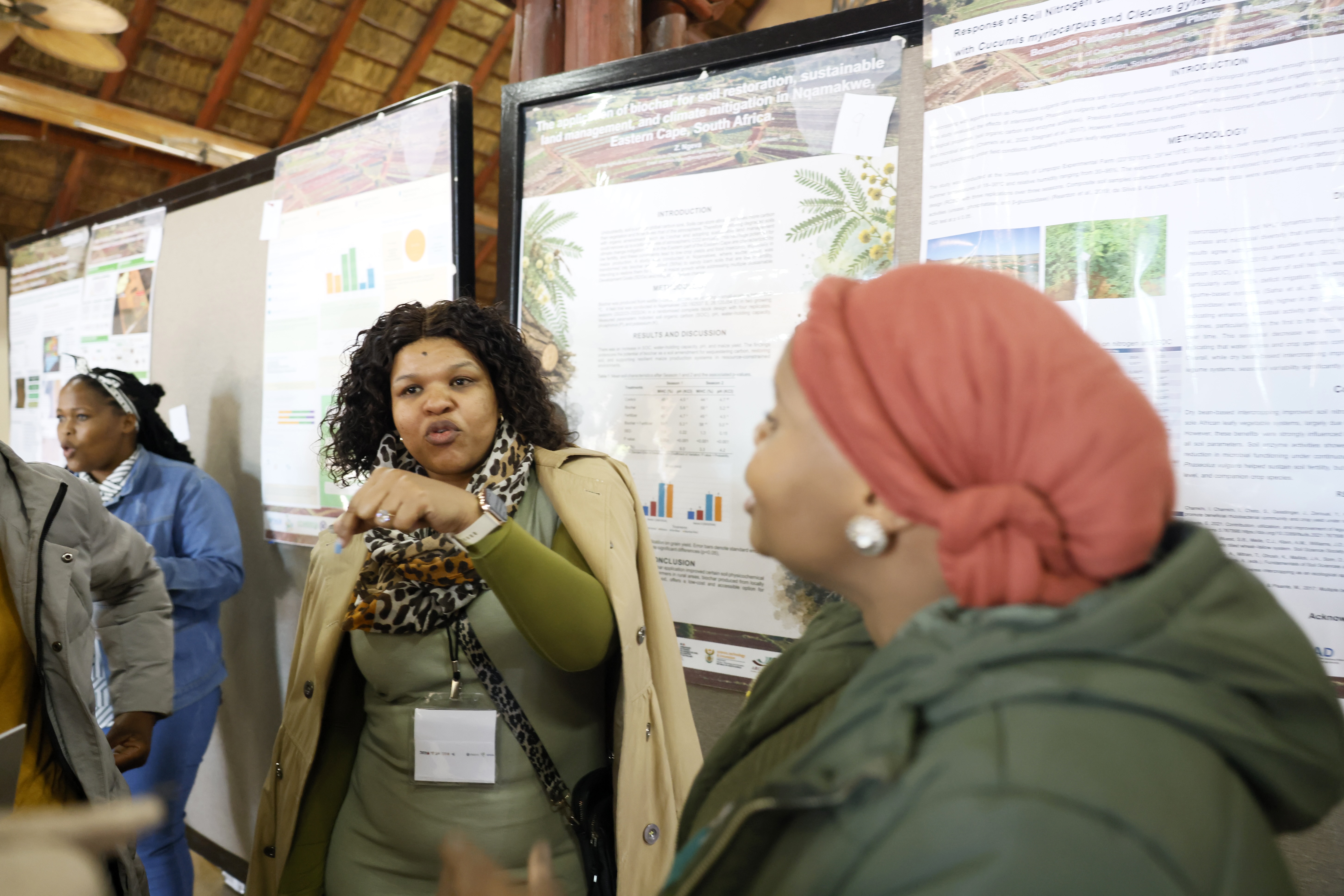 |  |
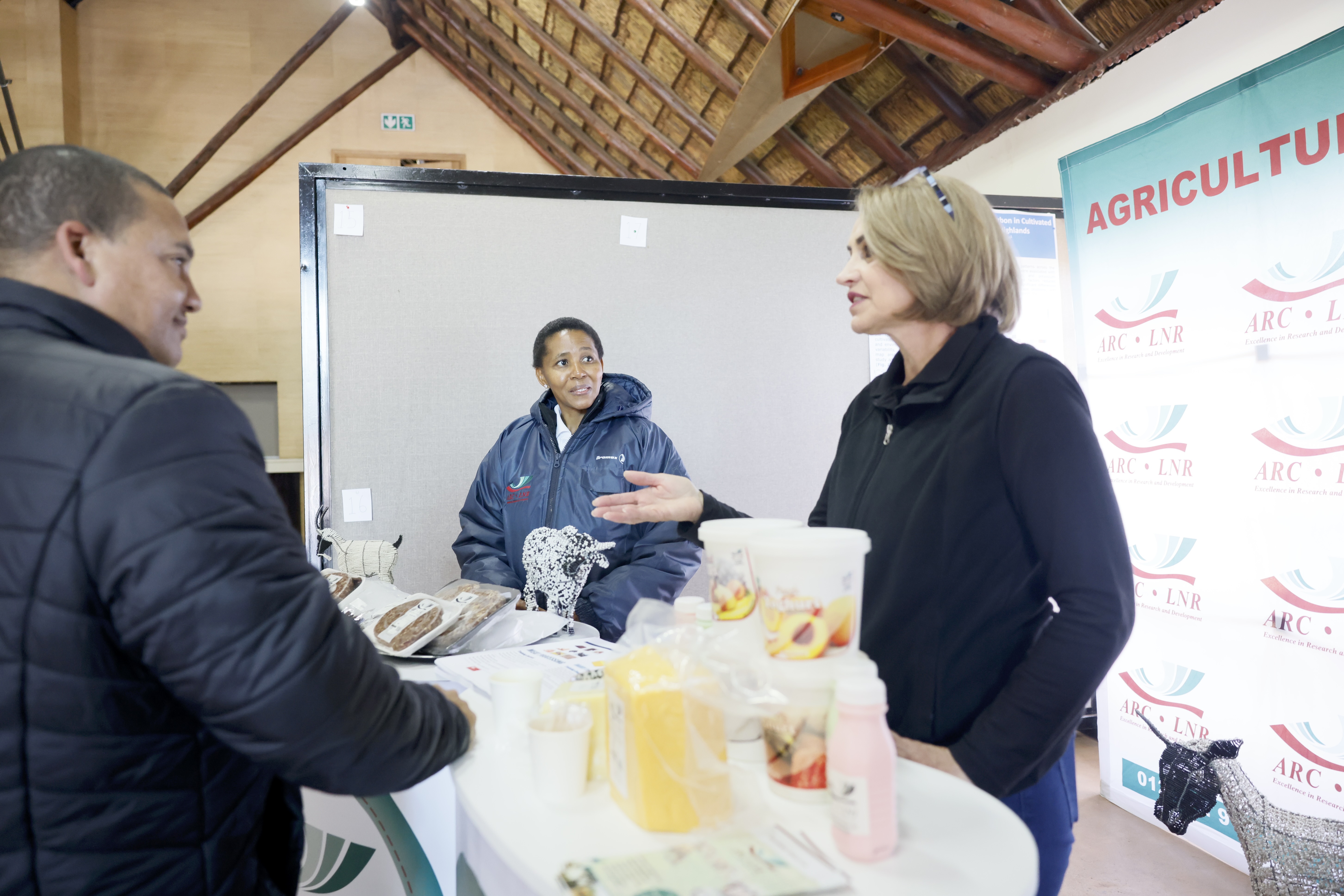
Among others, the conference further showcased complementary regional initiatives, including the International Climate Initiative (IKI) implemented by GIZ, which supports sustainable soil management and climate resilience across Southern Africa.
A recurring message throughout the conference was that Southern Africa does not lack solutions to its soil health challenges. Rather, participants stressed that the region must strengthen coordination, foster honest partnerships and better align investments and interventions. Several speakers cautioned that fragmented implementation and organisations working in silos continue to undermine the effectiveness of soil health initiatives. They called on governments, research institutions, development partners and the private sector to align their programmes with regional priorities and work collectively to scale proven solutions that deliver lasting benefits for farmers and communities and support the strengthening of the coordination mechanism.
The conference concluded with a shared commitment to translate dialogue into action through the identification of key soil health action areas that expected to guide future collaboration, research, policy development and investment, helping countries restore healthy soils, strengthen food systems and build more resilient agricultural landscapes.