Grabouw, South Africa, 24 July 2026 – Farmers, policymakers, researchers and development practitioners from across Southern Africa have called for stronger community participation, improved policy implementation and sustained investment in the management of the region's rangelands.
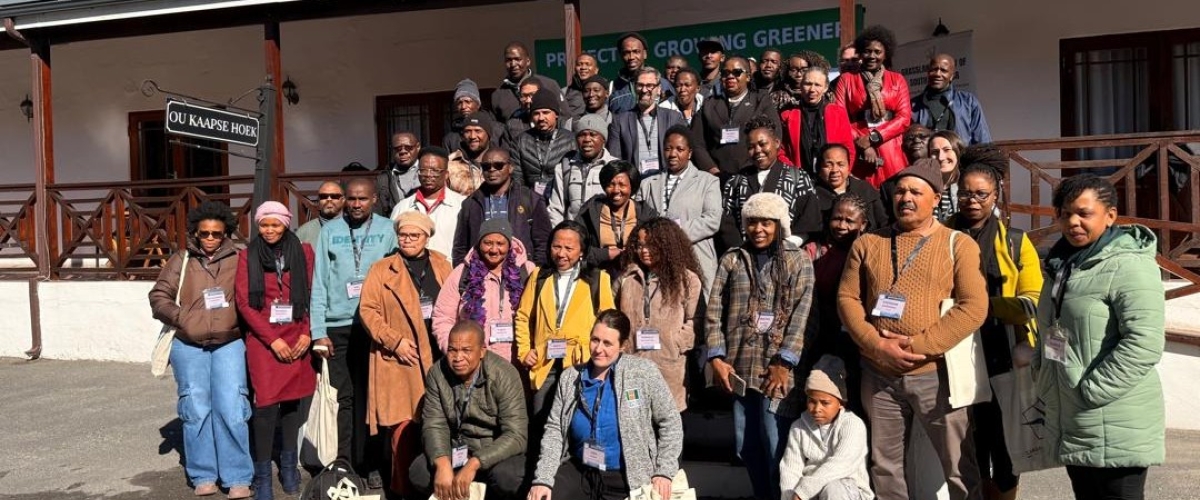
The call was made during the Science Policy Practice Workshop, titled “Herding for Health in Action: Bridging Science, Policy and Practice for Climate-Resilient Rangelands,” held on 24 July 2026 at the Houw Hoek Hotel in Grabouw, Western Cape, South Africa. The workshop was organised under the International Climate Initiative (IKI)–funded Growing Greener project, implemented by a consortium comprising the Deutsche Gesellschaft für Internationale Zusammenarbeit (GIZ), Conservation International, the Center for Coordination of Agricultural Research and Development in Southern Africa (CCARDESA) and Peace Parks Foundation. The event formed part of the 61st Annual Congress of the Grassland Society of Southern Africa and contributed to activities commemorating the 2026 International Year of Rangelands and Pastoralists.
The event brought together representatives from South Africa, Botswana, Zambia, Eswatini, Namibia, Madagascar, Zimbabwe and other countries to examine how practical experience and scientific evidence can inform policies on livestock production, biodiversity conservation, climate adaptation and sustainable land management.
Opening the workshop, Mr Victor Musetha of South Africa’s Department of Agriculture emphasised the importance of collaboration among governments, researchers, civil society organisations, development partners and local communities. Dr Misheck Musokwa of GIZ outlined the workshop’s objective of moving beyond dialogue towards clear and actionable policy priorities.
Delivering the government keynote address, Mr Barney Kgope of South Africa’s Department of Forestry, Fisheries and the Environment highlighted the importance of science-informed policymaking in responding to climate change and other pressures affecting rangelands.
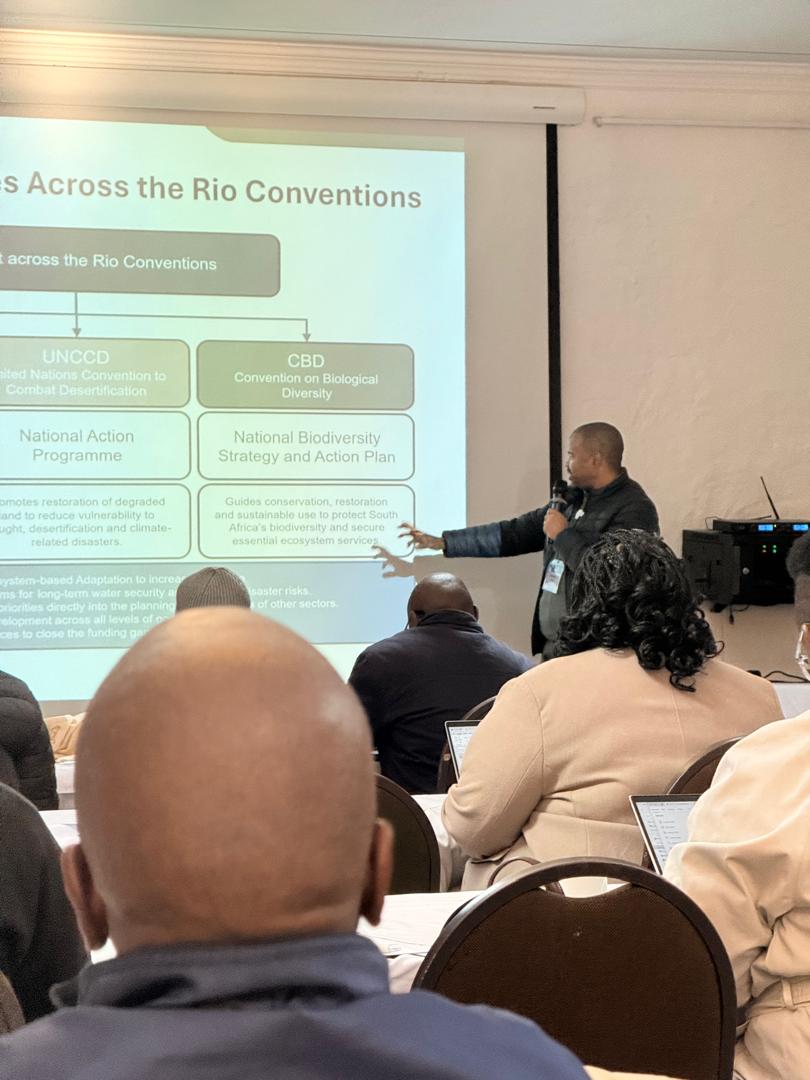
He explained that effective policies require clear implementation plans, appropriate governance arrangements and extensive stakeholder participation. He also stressed that changing climatic conditions will require farmers and governments to continually adapt their approaches to livestock and land management.
Ms Zvikomborero Tangawamira Herding for Health Senior Programme Manager presented the origins, principles and application of the Herding for Health model. She explained that H4H uses an integrated approach that connects rangeland health, livestock production, animal health, biodiversity conservation, community wellbeing and climate resilience.
She noted that there could be no “one-size-fits-all” approach to rangeland management because landscapes, production systems and community needs differ across countries. Locally available knowledge and resources must therefore guide how the model is implemented.
She further moderated a regional panel bringing together government representatives responsible for livestock and rangeland management from Botswana, Eswatini, Namibia, South Africa, Zambia and Zimbabwe.
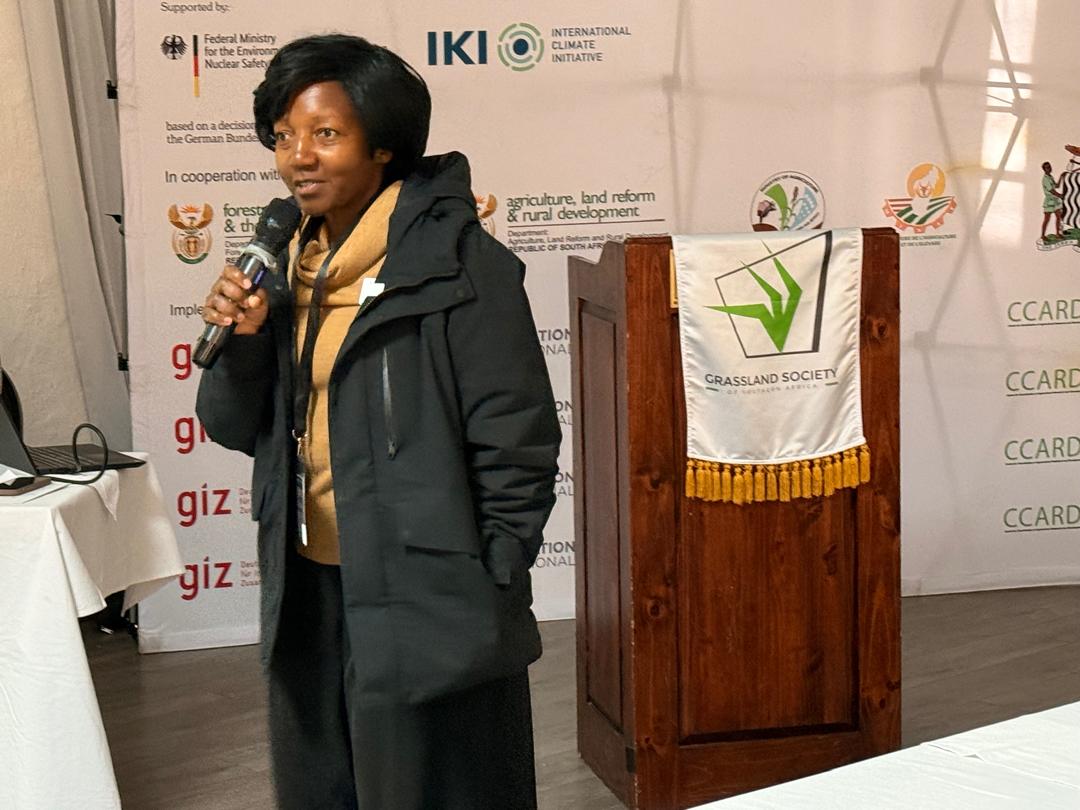
The discussions revealed that while several countries have policies and programmes supporting livestock development and environmental management, implementation remains fragmented and often inadequately financed. Participants also identified weak coordination, limited enforcement, insecure land access, inadequate animal health services, and insufficient water infrastructure as major barriers.
Mr Bornwell Mupeyo from Zambia highlighted Zambia’s co-investment in Herding for Health implementation by making provision for livestock water infrastructure, including the construction of dams and solar-powered industrial boreholes. These facilities are intended to improve access to water and enable communities to produce fodder for their animals. Ms Hildah Mutsipa stressed the importance of engaging more stakeholders and stated government of Botswana’s co-investment across three districts amounting to over USD50 million
Ms Kedibone Cheu, from South Africa highlighted its legislation and programmes supporting land restoration, rehabilitation and smallholder livestock farmers. Mr Sifiso Nhlanhla from Eswatini noted the absence of dedicated land and rangeland policies and its reliance on livestock development policies and grazing schemes.
Ms Justine Zeriua from Namibia and Ms Nyasha Ruguete from Zimbabwe shared experiences in rangeland restoration and emphasised the importance of embedding community participation in policy development and implementation.
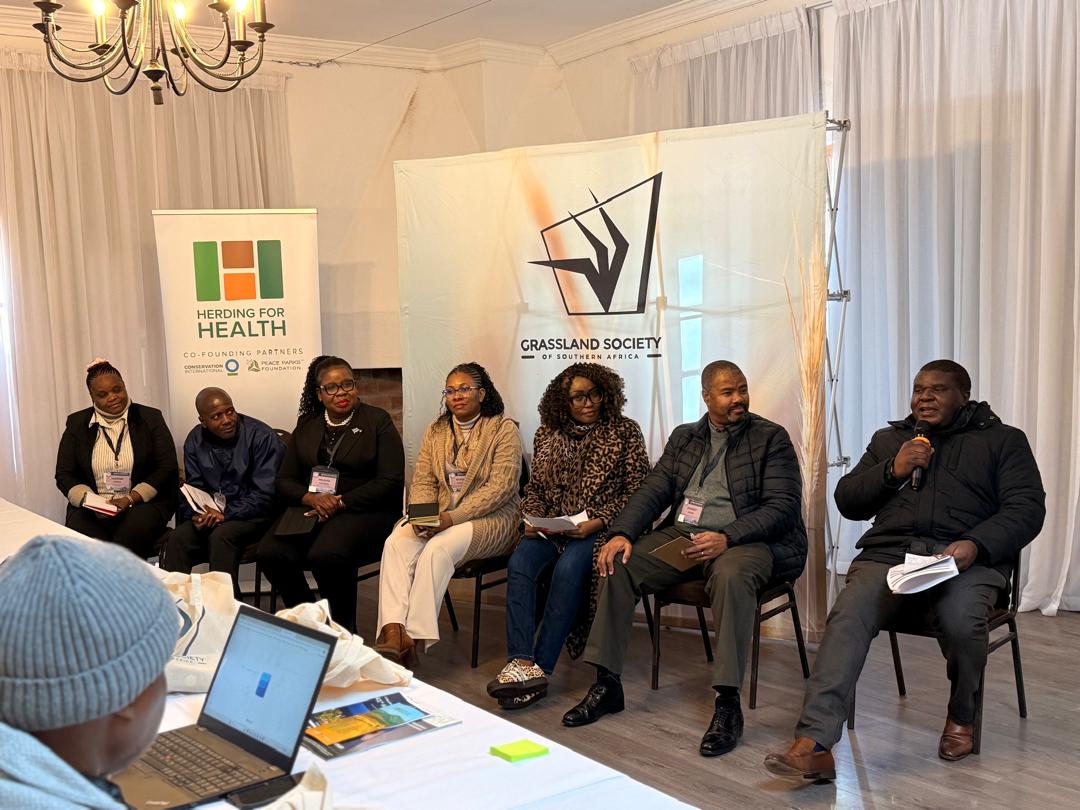
A field dialogue facilitated by Ms Corle Swart of Conservation International brought community voices directly into the policy discussion. Livestock farmers from Namaqualand in South Africa and Simalaha Community Conservancy in Zambia shared practical experiences of managing livestock on communal rangelands.
The discussions demonstrated how collective grazing arrangements can help communities plan where and when animals should graze, protect sensitive areas and reduce conflict among livestock owners. Mr Lunake I. Sikelenge, a farmer from Zambia, explained that H4H had strengthened their existing practices rather than replacing their indigenous knowledge. He further explained that successful community-based rangeland management takes time and requires trust, cooperation and sustained engagement.
“On behalf of farmers, if you want us to manage rangelands successfully, you must support the people and the community,” said Ms Berenda Beukes, a farmer from South Africa. She called for improved water infrastructure, stronger animal-health services and policies that allow communities to develop grazing plans suited to their local conditions. She also cautioned against short-term interventions, noting that establishing effective collective management systems can take between three and six years.
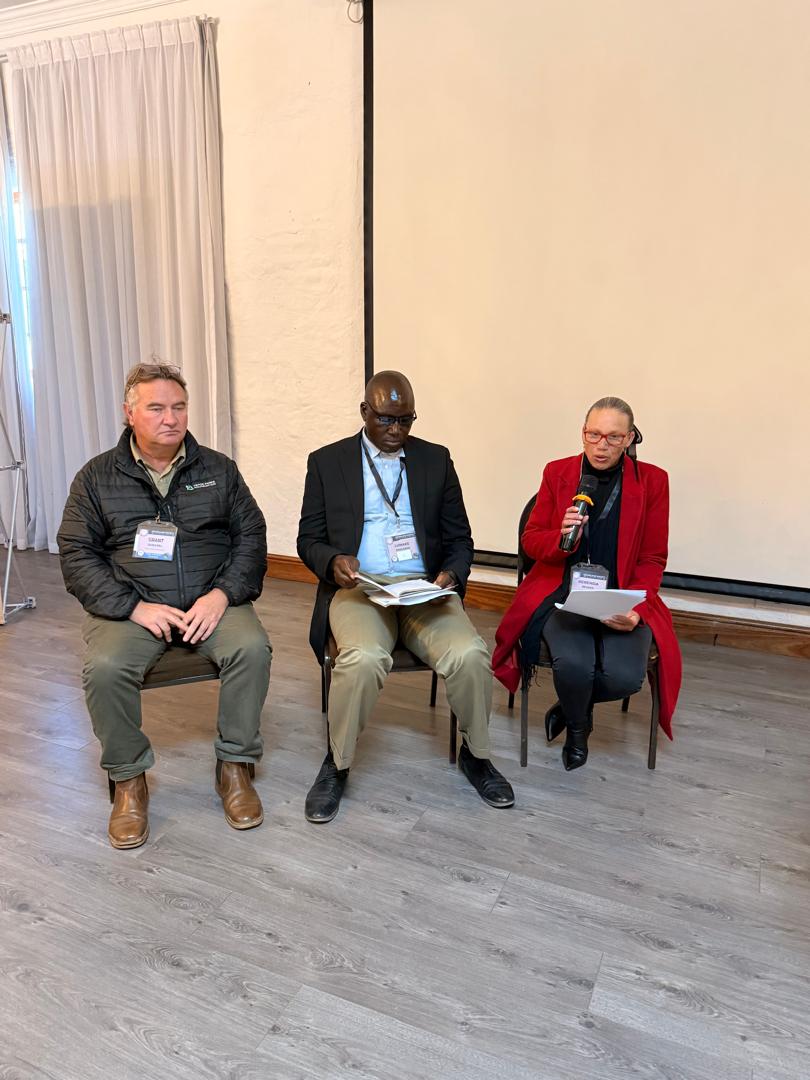
“Indigenous knowledge is generational and deeply rooted in communities. Scientific evidence and modern tools, such as geospatial technology, should strengthen rather than replace this knowledge. Decisions about dividing and managing communal grazing land must therefore be made in consultation with communities to prevent overgrazing and severe land degradation,” said Mr Grant Zunckel, H4H Project Manager at Peace Parks Foundation.
During a World Café session facilitated by Dr Gina Arena from Conservation South Africa and concluded by Mr Martin Leineweber from GIZ, participants worked in diverse groups to identify existing policies supporting sustainable rangeland management, implementation challenges, evidence gaps, and actions required to strengthen the science-policy-practice interface. The discussions revealed that the region’s main challenge is not always the absence of policies, but their weak implementation, fragmented legislation, inadequate financing and limited accountability. Participants called for the harmonization of environmental, agricultural, land, livestock, and biodiversity legislation into coherent rangeland management frameworks. They also emphasised the need to strengthen community-based natural resource management structures and local rangeland committees, while improving farmers’ access to land, water infrastructure, markets and animal-health services. Other recommendations included integrating indigenous knowledge with scientific research; using remote sensing, geographic information systems, soil analysis, and vegetation monitoring to guide rangeland planning and restoration; and strengthening livestock value chains so that farmers are not compelled to retain excessive numbers of animals due to market limitations or disease-related restrictions. Participants further called for measurable policy targets, stronger accountability mechanisms and sustained financing for community-led rangeland programmes.
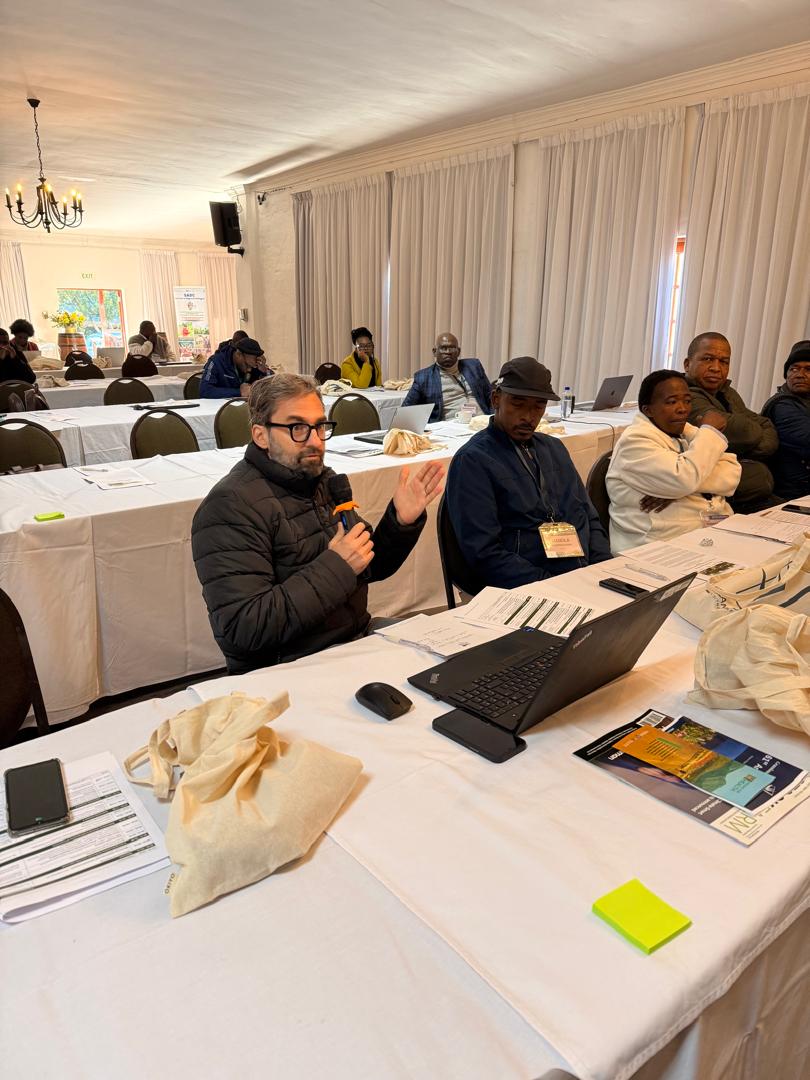
During the next-steps session, Dr Bridget Kakuwa of CCARDESA used Mentimeter to gather participants’ priority policy messages, which will inform the development of a policy brief on climate-resilient rangeland management.
The workshop concluded with a shared commitment to translate the discussions into practical policy action. Participants welcomed the productive and inclusive deliberations, noting that the engagement had successfully brought together science, policy and community experience to identify priorities for climate-resilient rangeland management. They expressed optimism that the agreed messages would inform the development of a policy brief and contribute to stronger, more coordinated and community-responsive rangeland policies across Southern Africa.