By Lydia Amanzi and Bridget Kakuwa-Kasongamulilo
LUSAKA, Zambia (6 February 2026) — Agriculture has shaped Southern Africa’s landscapes, cultures and economies for generations. From Zambia’s maize belt to the sorghum and millet systems of Zimbabwe and Malawi, smallholder farmers have relied on knowledge passed down through practice rather than textbooks. Today, these systems are under growing pressure. Climate variability, prolonged droughts and decades of input intensive farming have weakened soils and strained rural livelihoods. In response, a growing community of researchers and practitioners is calling for a deeper shift, one that goes beyond technologies to embrace agroecology as a way of thinking and organising food systems that involve both producers and consumers.
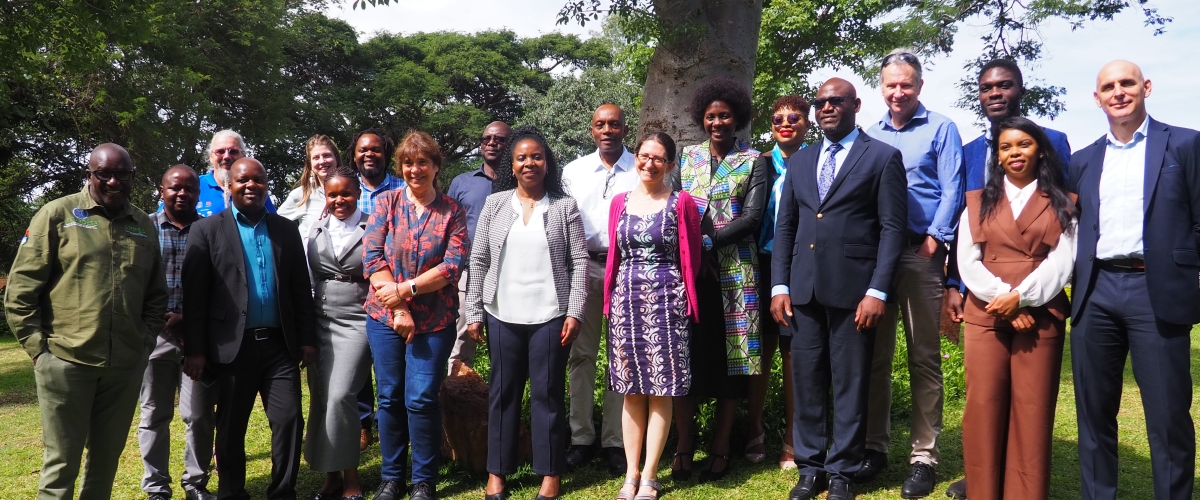
From 3 to 6 February 2026, the Research for Agroecology Network Southern Africa (RAENS) project convened its second annual meeting at the M’Kango Golfview Hotel in Lusaka. CCARDESA is coordinating the implementation of the RAENS Project, led by the University of Cape Town (UCT), South Africa. The project brought together a diverse consortium of institutions, including Lilongwe University of Agriculture and Natural Resources (LUANAR) in Malawi, Sokoine University of Agriculture (SUA) in Tanzania, Marondera University of Agricultural Sciences and Technology (MUAST) in Zimbabwe, Zambia Agricultural Research Institute (ZARI) in Zambia, the Research Institute of Organic Agriculture (FiBL) in Switzerland, the World Agroforestry Centre (ICRAF) in Zambia and Malawi, and Young Professionals for Agricultural Development (YPARD) in Germany. Hosted by the Zambia Agricultural Research Institute (ZARI) in Ministry of Agriculture, the gathering aimed to align regional efforts to advance agroecology as a foundation for resilient and inclusive food systems.
Opening the meeting, ZARI Director Dr Ndashe Kapulu framed agroecology as a practical response to the region’s mounting challenges. He stressed that agroecology is no longer confined to academic debate but is increasingly relevant to farmers, extension services and policymakers.
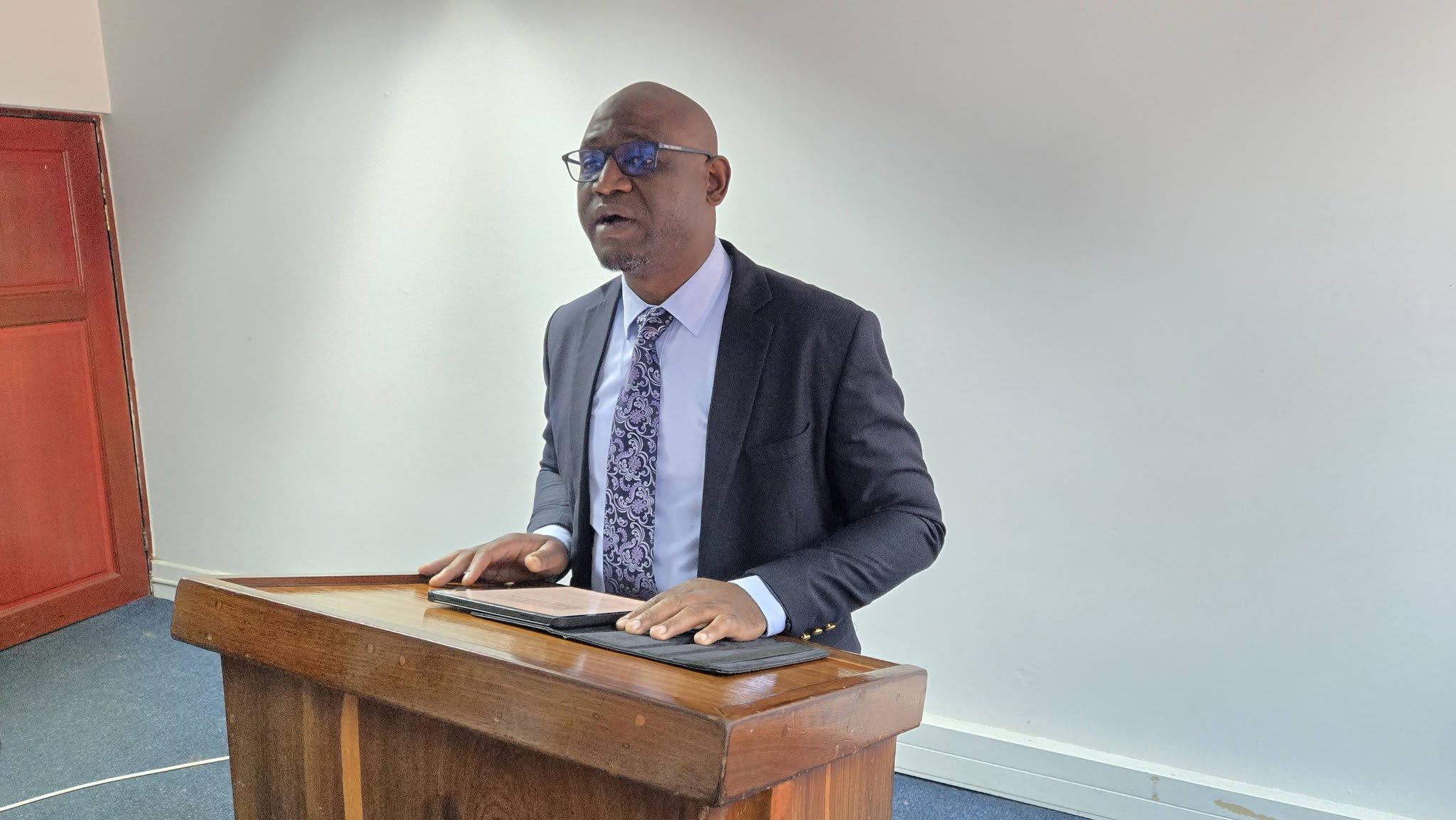
“Agroecology is more than a science. It is a promise of food security, resilience and sustainability for our people,” Kapulu said. “It speaks directly to the needs of smallholders who are on the front line of climate change. This meeting is both a celebration of what we have achieved together and a call to strengthen our collective resolve.”
Participants reflected on conventional farming systems that expanded food production in the short term but relied heavily on chemical inputs and monocultures that degraded soils and biodiversity over time. In Southern Africa, these approaches have left many farmers vulnerable to climate shocks. Agroecology, delegates agreed, offers an alternative rooted in ecological processes, crop diversity and locally grounded knowledge.
For Dr. Brittany Kesselman, Principal Investigator of the RAENS project from the University of Cape Town, the strength of agroecology lies in its evidence base and its relevance for decision making. “The science generated through this project is critical,” she said. “It provides the evidence needed to inform policy and support governments in making decisions that are grounded in local realities and long term sustainability.”
Across plenary sessions and working groups, researchers shared emerging findings from field trials, while practitioners highlighted the importance of farmer led experimentation. Policymakers in attendance emphasised that credible, regionally generated evidence is essential for shaping agricultural strategies that respond to climate and development priorities.
Despite growing interest across the region, agroecology knowledge remains fragmented across institutions, languages and formats. Addressing this gap is a central objective of the RAENS project. One of its flagship initiatives is the establishment of a Regional Agroecology Knowledge Hub hosted on the Agroecology Transformative Partnership Platform and maintained by CIFOR ICRAF.
The open access hub will bring together research outputs, methodologies and practical tools from across Southern Africa. By linking scientific evidence with extension services and farmer networks, the platform aims to ensure that knowledge reaches those who can apply it on the ground.
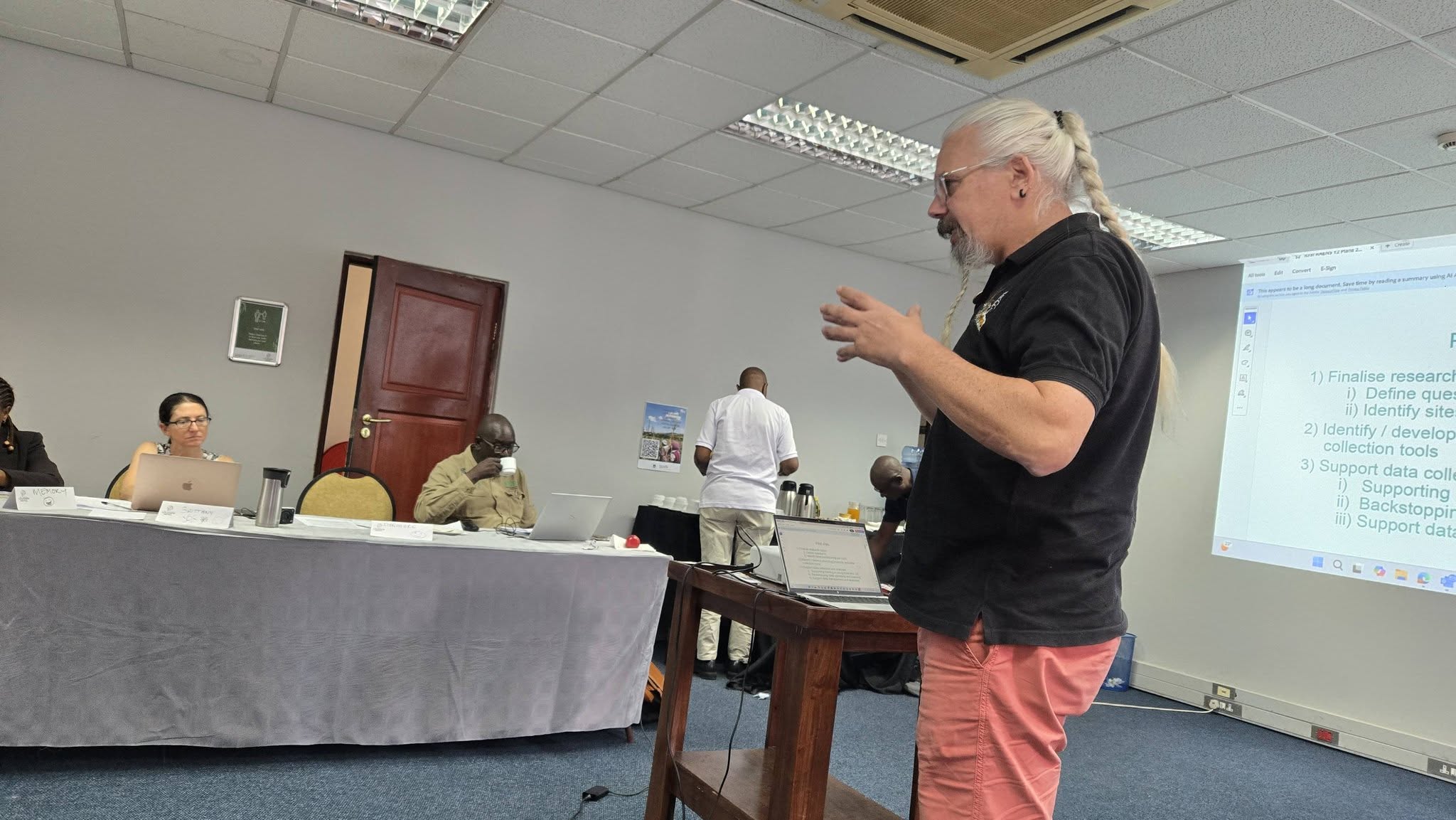
“We are focusing on developing pilot sites across the region,” said Rhett Harrison, Senior Ecologist at CIFOR ICRAF. “These sites act as living laboratories where research and practice inform each other, helping to bridge the gap between theory and the realities farmers face every day.”
Participants also discussed the need to invest in capacity development. Plans are underway to develop regionally relevant curricula for students, extension officers and farmers. Knowledge management and advocacy were identified as equally important, with a strong call to move beyond information sharing toward sustained engagement.
Dr. Frank Tchuwa, a researcher at LUANAR, underscored this shift. “Research cannot stop at policy briefs,” he said. “We need to engage policymakers directly and consistently so that evidence translates into decisions and actions that deliver real results on the ground.”A recurring theme throughout the meeting was the future of RAENS beyond the current project cycle. Outgoing resource mobilisation lead Dr Jerome Queste challenged partners to think strategically about sustainability and long-term coordination.
“We need to be clear on how we transition from the RAENS Project to the RAENS Network,” he said. “That means building ownership, diversifying resources and embedding agroecology within regional institutions.”
Dr. Norotiana Rasambo, RAENs Programme Officer at the Centre for Coordination of Agricultural Research and Development for Southern Africa (CCARDESA), outlined CCARDESA’s 2026 programme of work and emphasized the institution’s central coordinating and convening role as the RAENs network scales up across all 16 SADC Member States. She highlighted CCARDESA’s responsibility in providing strategic oversight, fostering regional coherence, and strengthening linkages among implementing partners.
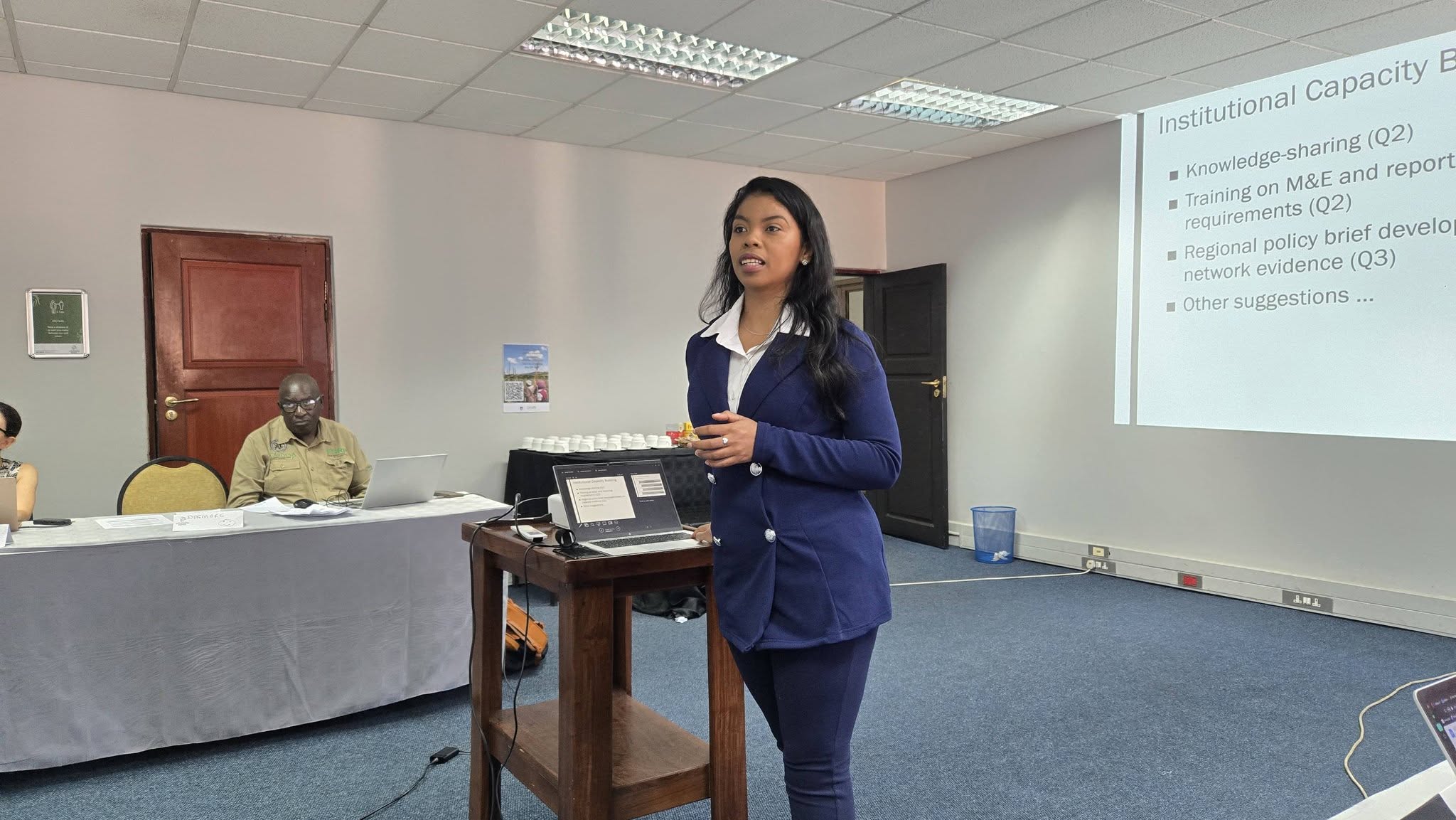
Resource Mobilisation Specialist from CCARDESA, Dr. Jerome Queste challenged partners to look beyond the current project cycle and think strategically about the sustainability and long-term coordination of RAENS.
For Year 2, partners agreed to focus on four strategic pillars: strengthening regional research networks, expanding capacity-building and training programmes, improving access to knowledge and learning products, and deepening policy engagement at national and regional levels.
To ground discussions in practice, participants visited the Kasisi Agricultural Training Centre (KATC) on the outskirts of Lusaka who introduced a two-year diploma in agroecology to support transformation of food systems in Zambia. Participants observed integrated farming systems, organic dairy processing and composting practices that demonstrate how ecological approaches can be scaled. “We want to use nature, not work against it,” said KATC Director Father Claus Recktenwald.
As the meeting closed, participants echoed a shared sense of purpose. Agroecology, they agreed, is not a competing agenda but a unifying framework that brings together science, practice and policy. With clear priorities and renewed commitment, the RAENS network now looks ahead to turning regional ambition into tangible change across Southern Africa’s farms and landscapes.
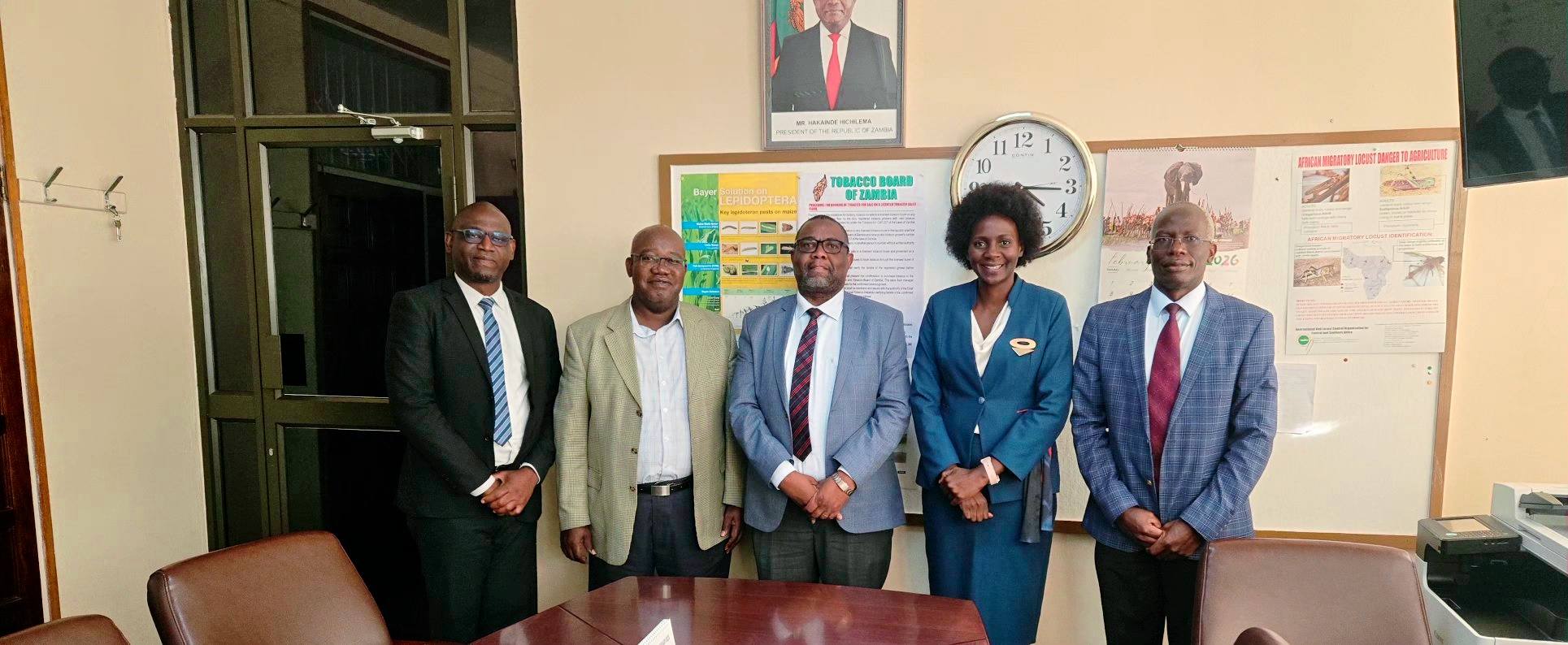
On the sidelines of the RAENS Annual Meeting held in Lusaka, Zambia, the Permanent Secretary (Technical) at the Ministry of Agriculture, Mr. John Mulongoti, received a courtesy call from CCARDESA led by Dr. Ndashe Kapulu, Director of Zambia Agriculture Research Institute - ZARI. The delegation included Dr. Bridget Kakuwa-Kasongamulilo, representing the CCARDESA Executive Director, Prof. Cliff Dlamini; Dr. Patrick Chikoti, Assistant Director at ZARI; and Prof. Thomson Kalinda, Dean of the School of Agriculture at the University of Zambia and a CCARDESA Board Member. The meeting provided an opportunity to reflect on the contributions of CCARDESA-supported projects in Zambia, explore avenues for strengthening future collaboration, and formally introduce CCARDESA Board Member Prof. Kalinda to the Ministry. Discussions also underscored the critical role of extension services and digital communication in advancing agricultural research and development.