
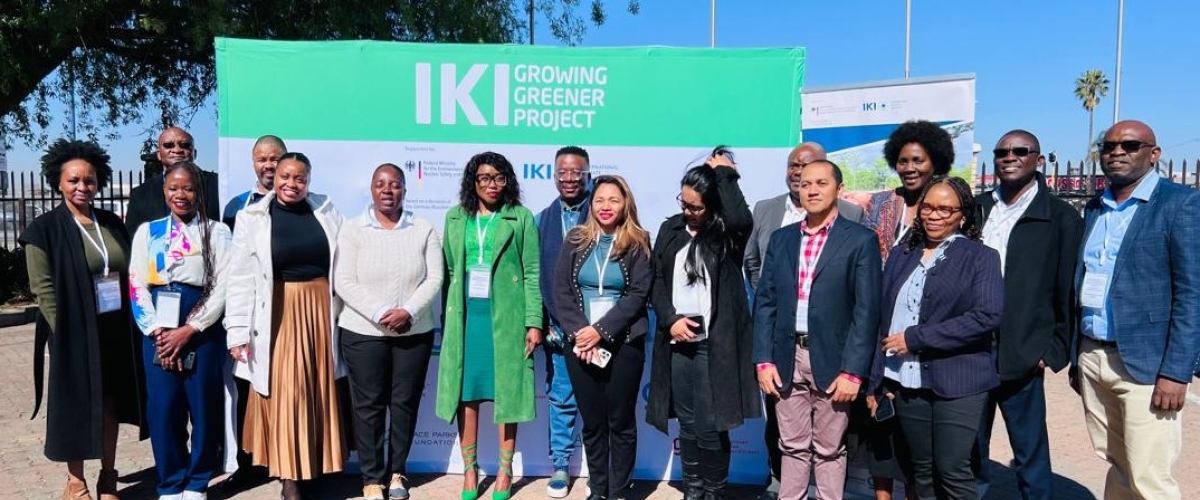
Stakeholders in the Southern African Development Community (SADC) region convened at Holiday Inn, in Johannesburg, South Africa, on 19-20 August 2025, to validate the Communication and Visibility Plan workshop for the CCARDESA Knowledge Management Herding for Health (H4H) project.
CCARDESA, working in collaboration under the Growing Greener Project (IKI) with Conservation International and the Peace Parks Foundation, with financial support from GIZ, hosted the validation of the Communication and Visibility Plan. The objectives of this plan were not only to validate the plan but also to strengthen the collective understanding of the project’s trajectory.
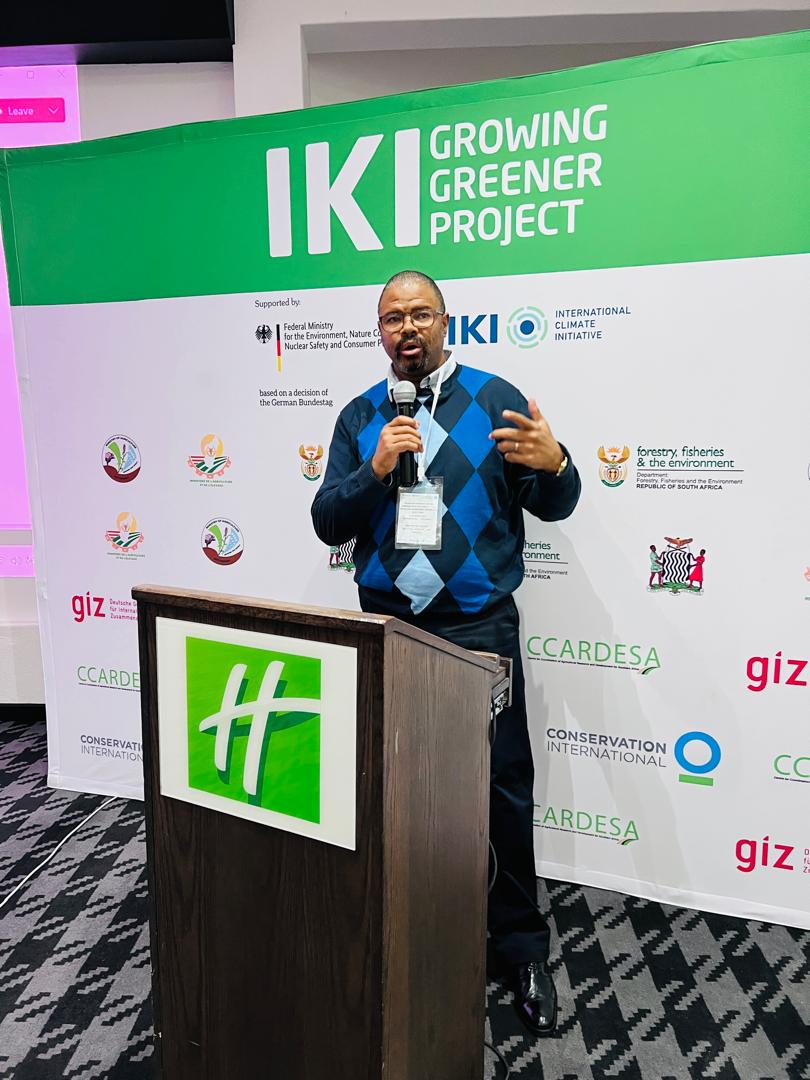
Speaking in his remarks, CCARDESA Professor Cliff Dlamini explained that the meeting was critical as the organisation was mandated in SADC to coordinate regional agriculture research and development in the region. “There is no way you can coordinate research without communication and visibility because through visibility, that’s how activities will be known and impactful,” he reiterated.
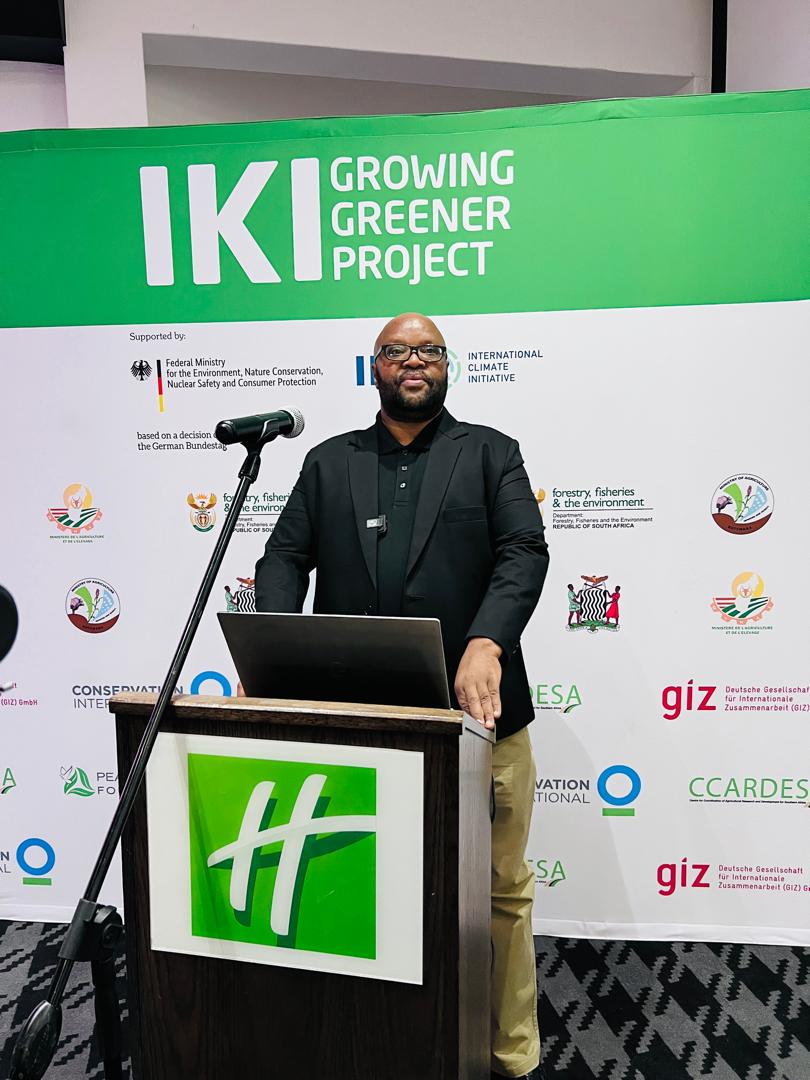
The loss of biodiversity in ecosystems is a real threat and is affecting livelihoods in our communities, hence the project’s interventions. “The project has renewed hope. From what we already saw in the field in Zambia, there is hope for the restoration of rangeland in other countries, despite the challenges. This is because the overuse of agricultural systems has necessitated such efforts, which can be a nightmare. Through the H4H project, we will avoid such scenarios because once an ecosystem is broken down, it may be impossible to restore, hence this project takes a proactive approach,” Prof Dlamini stressed.
He stated that the H4H project is another way to enhance resilience to climate change, as restoring rangelands and associated ecosystems also restores the climate system.
This workshop reflects on the power of collaboration with partners, including GIZ, one of our key collaborators. Peace Parks Foundation, Conservation International, and communication experts from government ministries and various stakeholder organisations are also crucial as we collaborate to enhance the communication plan.“If a plan is discussed with stakeholders, it is also given credibility, as validation is a continuous process. In the past, plans were never validated; instead, organisations would just share communication plans. but now the multisectoral were forced to come together and reach consensus,” he stated.
Prof Dlamini emphasized the need to employ the concept of scaling to enhance the concept of H4H, and also requested stakeholders to apply scaling holistically.
He urged stakeholders to observe scaling up, which is impacting policies, legislations, and institutions. “There is a need to scale out through communication to impact greater numbers,” he reaffirmed.
Prof Dlamini further advised stakeholders to scale deep to penetrate the cultures and traditions. Once this is done, he believes the project will be a massive success.
“You know our cultures are difficult to change; they are people who believe in what they know and have seen over 60 years, which requires the need to scale deep.
And Mr Barney Kgope, from the Department of Forestry, Fisheries and Environment in South Africa, explained that Southern Africa is a hotspot of rangeland degradation, hence the need for communities to restore the ecosystem through the project interventions. “Communities needed to be involved from the inception of the project to enable them to appreciate the interventions being offered and also tap into its tangible benefits, noting the need to maintain ecological infrastructure,” he said.
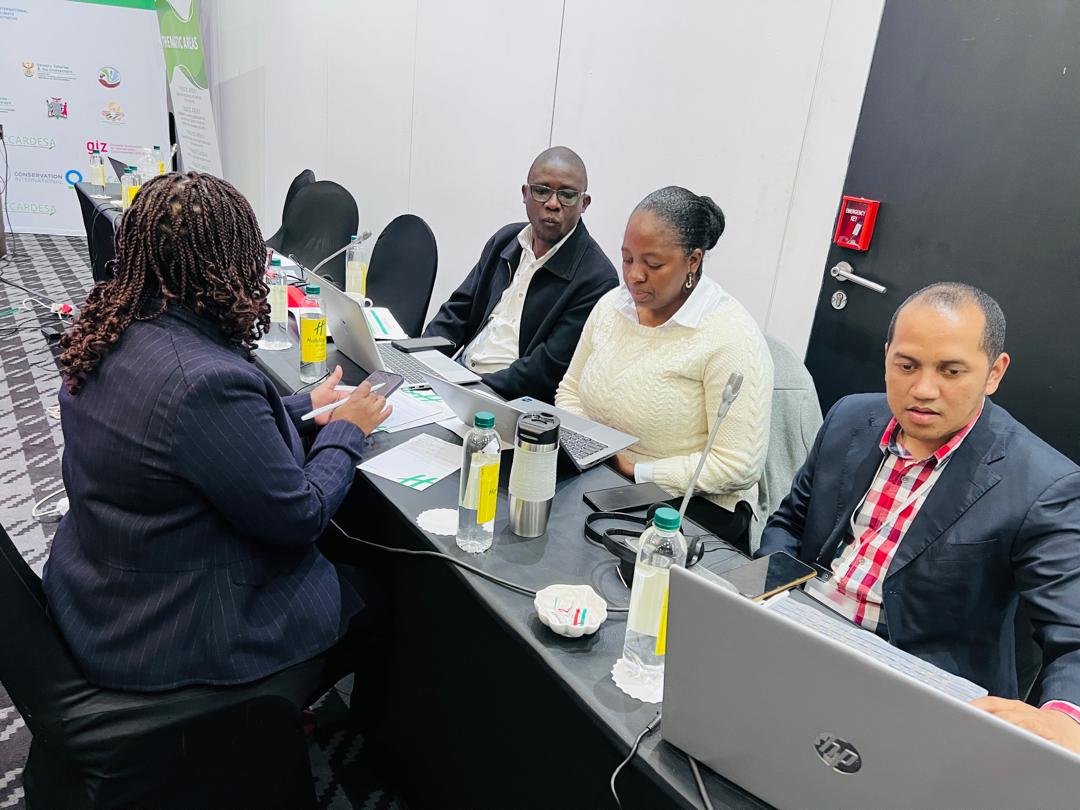
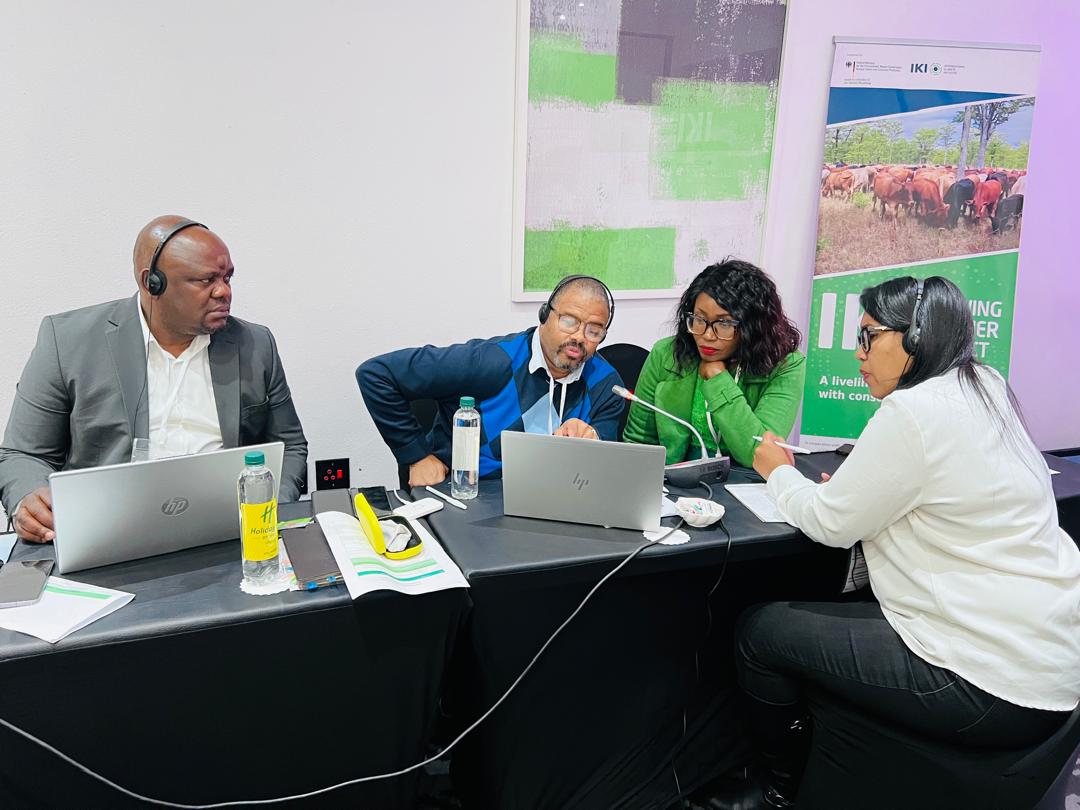
In her presentation, Information and Communication and Knowledge Management Manager, Mrs. Bridget Kakuwa Kasongamulilo, underscored the essence of aligning messages, sharing best practices, and forging collaboration with partners as stakeholders consolidate the communication and visibility plan for the H4H project.
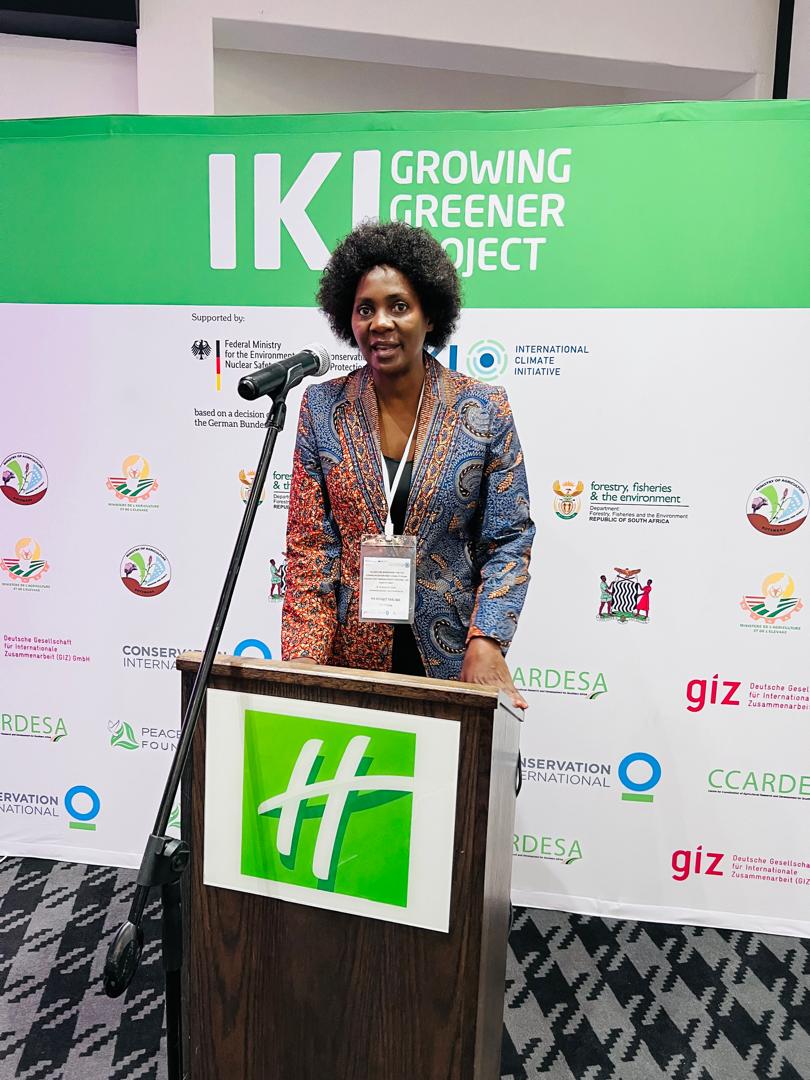
The consultant, Ms. Nelao Haimbodi, presented the draft Communication Plan, the Branding and Marketing Plan, together with a comprehensive set of Knowledge Management templates that she had developed.
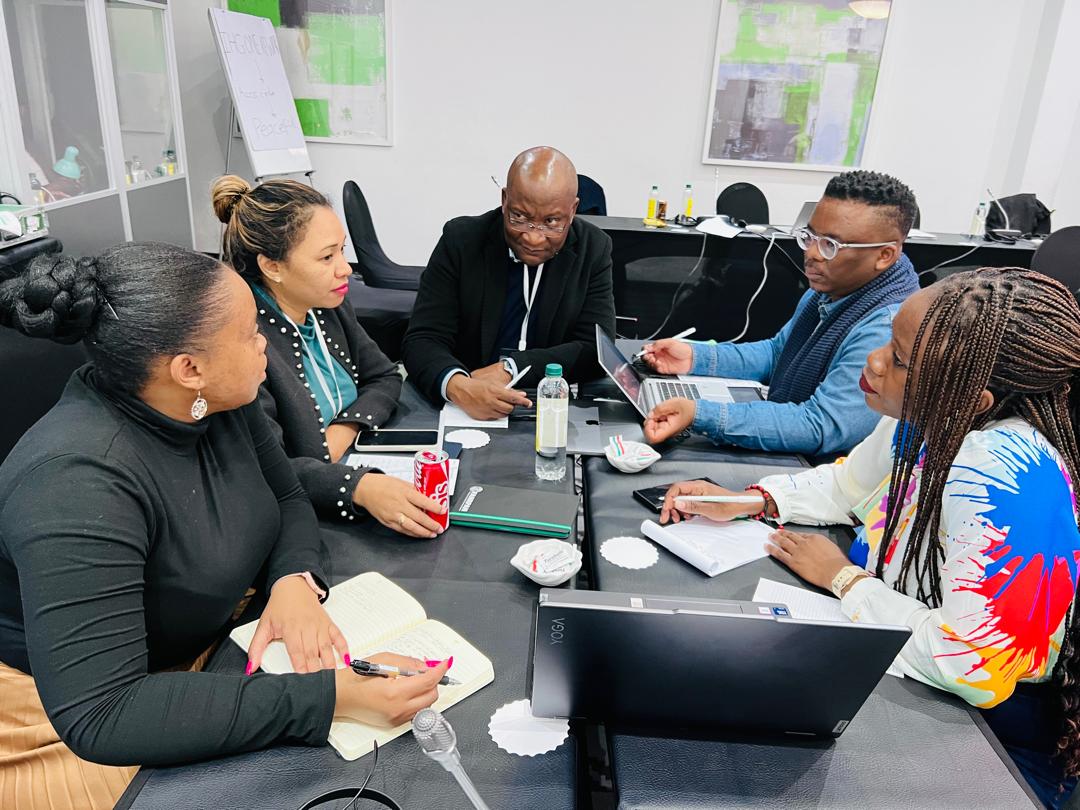
Participants expressed deep appreciation for the workshop, describing it as engaging, insightful, and well-structured. Mrs. Baitshepi Babusi-Hill from Botswana commended the group work and the consultant’s contribution, noting that the Herding for Health approach is highly relevant for her country. Representing Madagascar, Andrianjakanirina Henintsoa Rakotondrazaka emphasised the importance of clarity and consistent messaging, praising the quality of the documents produced. From Zambia, Mr. Kabemba Mwambilwa thanked the organisers and highlighted that one of the world’s greatest challenges is effective communication, stressing the importance of sharing what is being done. Mr. Hale Francis for FARNPAN also expressed gratitude, acknowledged the collective effort, and thanked participants for their engagement. Adding to this, Ms. Tshifhiwa Munyai from South Africa appreciated the opportunity to participate in validating the Communication and Visibility Plan in depth and underscored the need for a final document that truly reflects the voices of the participants.
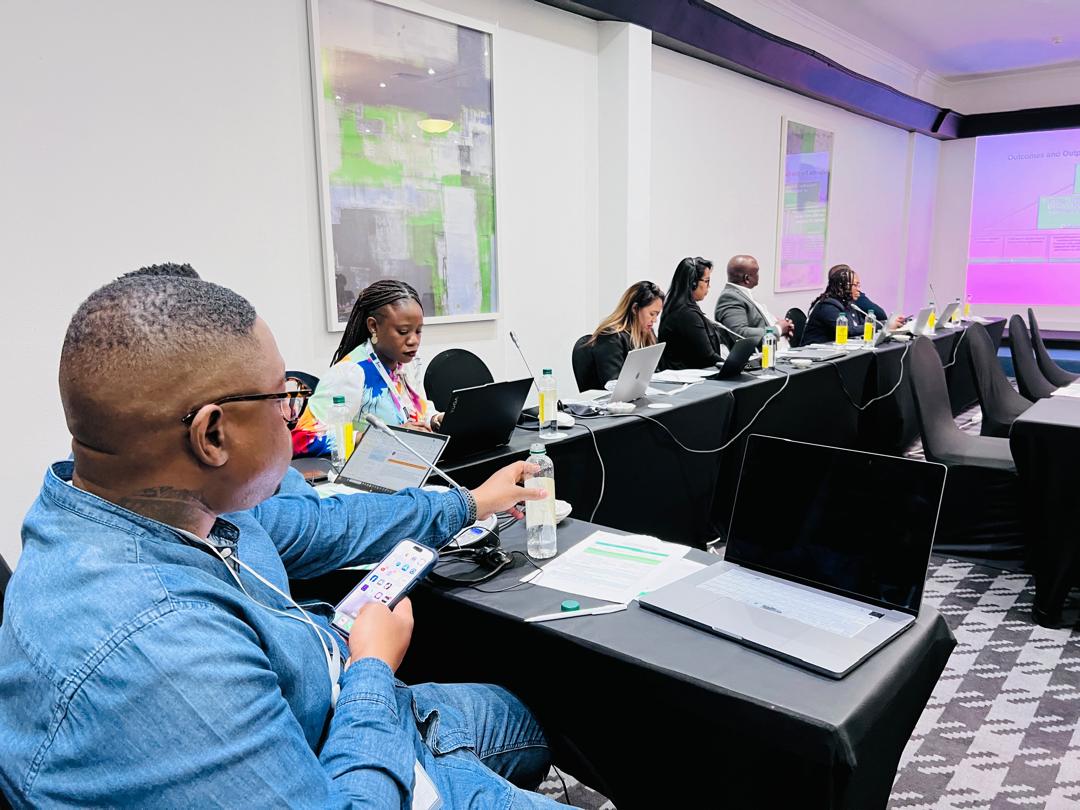
The workshop was highly interactive, fostering active participation and constructive dialogue among all stakeholders. Participants expressed satisfaction that their inputs had been meaningfully incorporated, noting that the plan was truly representative of their views and priorities. This sense of ownership and inclusiveness left participants feeling fulfilled and confident that the Communication and Visibility Plan would serve as a practical and collective tool for guiding future actions.
The backdrop of the H4H is premised on the glaring rangeland degradation impacting livestock production and loss of biodiversity in communities, thereby culminating in the Growing Greener Project, being implemented in Botswana, Madagascar, South Africa, and Zambia. This project aims to enhance biodiversity and build resilience to climate change through the Herding for Health (H4H) approach, which promotes controlled rotational herding to improve both livestock and land productivity.
The strategies of scaling are therefore key to employ and ensure innovations are impactful in the long-term.
The author is Principal Agricultural Information Officer for the National Agriculture Information Services (NAIS).