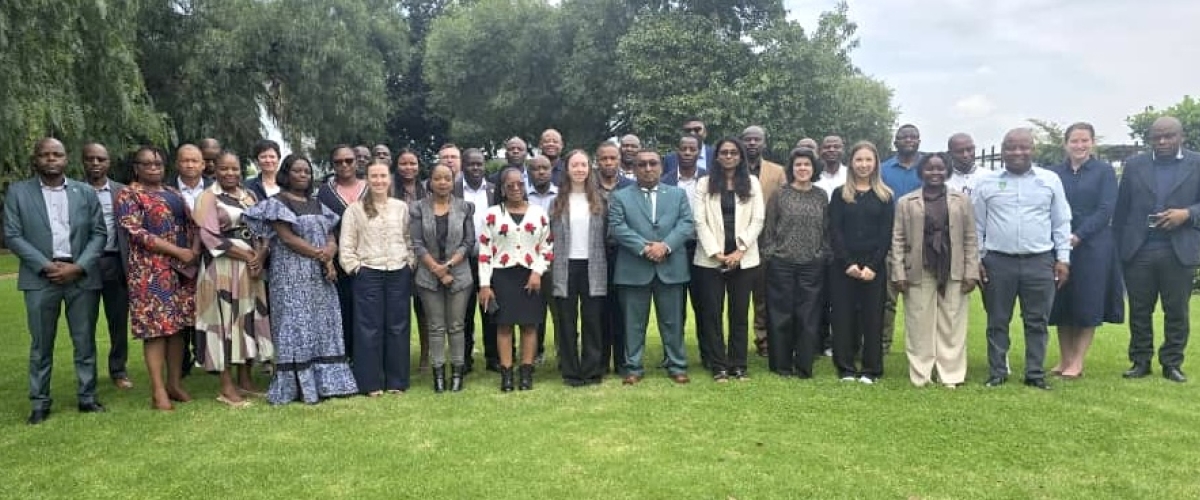
Photos: SADC Climate Services Center
The Centre for Coordination of Agricultural Research and Development for Southern Africa (CCARDESA) participated in a Regional Workshop on the Co-Design and Scoping of the SADC Hazards Watch convened by the SADC Climate Services Centre (CSC) in Johannesburg, South Africa from 17 to 20 March 2026.
The workshop brought together regional climate experts, national meteorological services, sectoral stakeholders, and development partners to jointly shape a new regional platform that will transform how seasonal climate risks are monitored, communicated, and acted upon. At its core, the initiative seeks to move beyond traditional climate outlooks toward a more integrated system that translates complex climate data into actionable early warning information for decision-makers across sectors.
A major outcome of the workshop was the shared recognition that Southern Africa faces increasing climate variability, with recurrent hazards such as drought, flooding, heatwaves, and storms posing significant risks to agriculture, water resources, energy systems, and livelihoods. Participants worked collaboratively to define these priority hazards, identify relevant indicators, and agree on how they should be monitored and visualised within a regional Seasonal Hazard Watch platform.
The workshop combined technical presentations, stakeholder consultations, and breakout discussions. These sessions focused on understanding user needs, validating hazard definitions, designing the architecture of the platform, and agreeing on governance and implementation pathways. The programme also drew on lessons from the East Africa Hazards Watch, demonstrating how integrated, multi-hazard early warning systems can support preparedness and decision-making across countries.
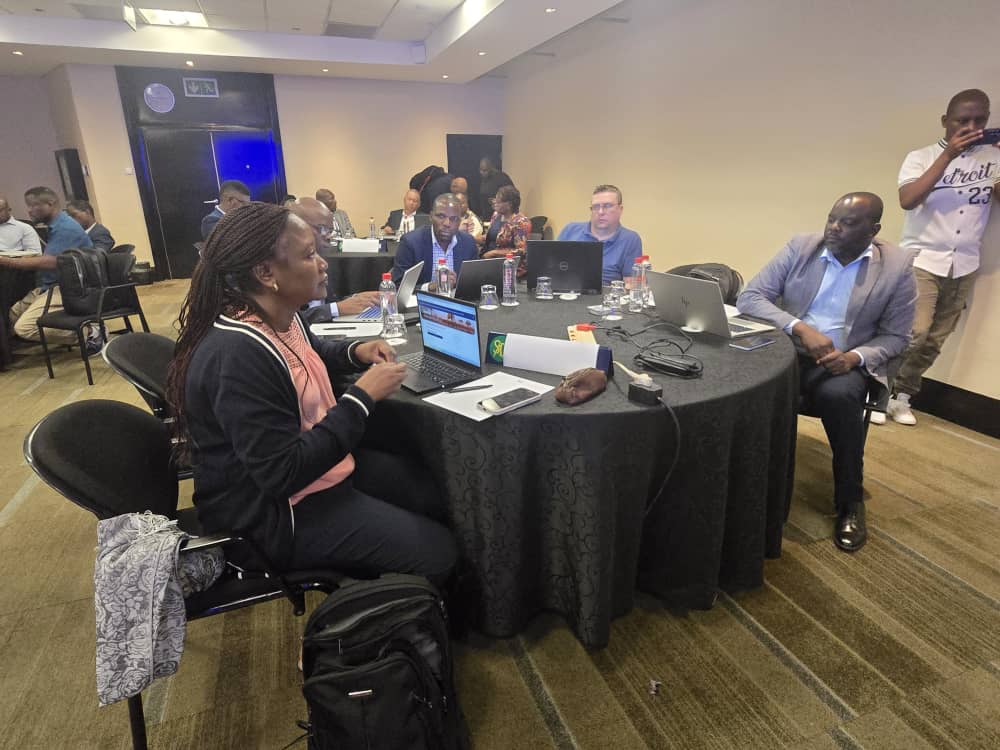 | 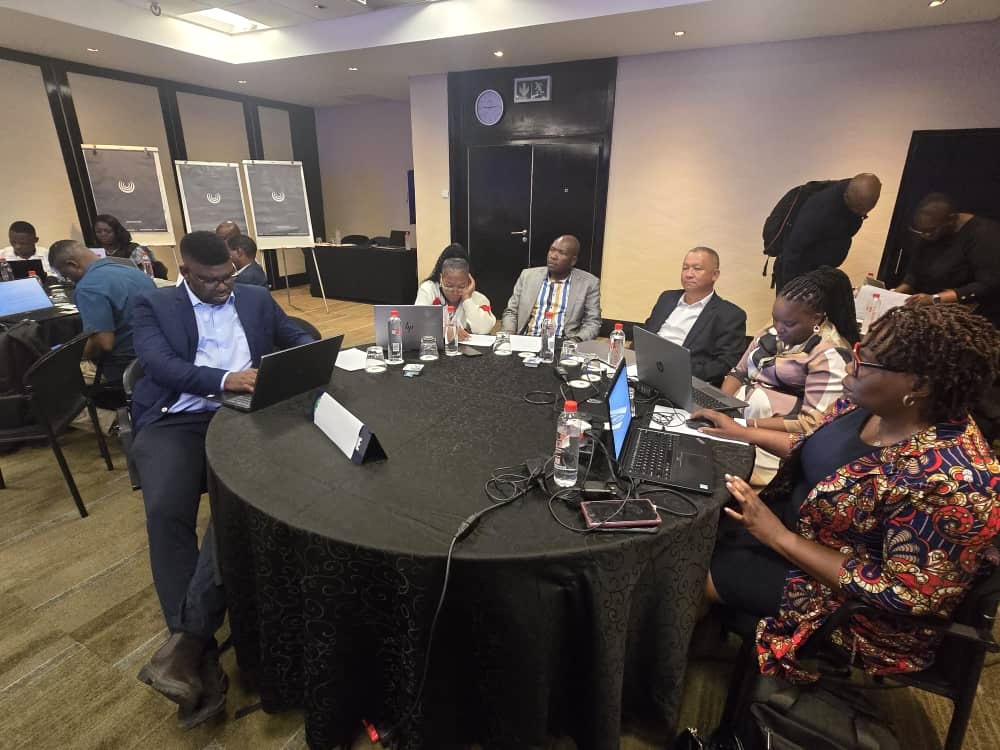 | 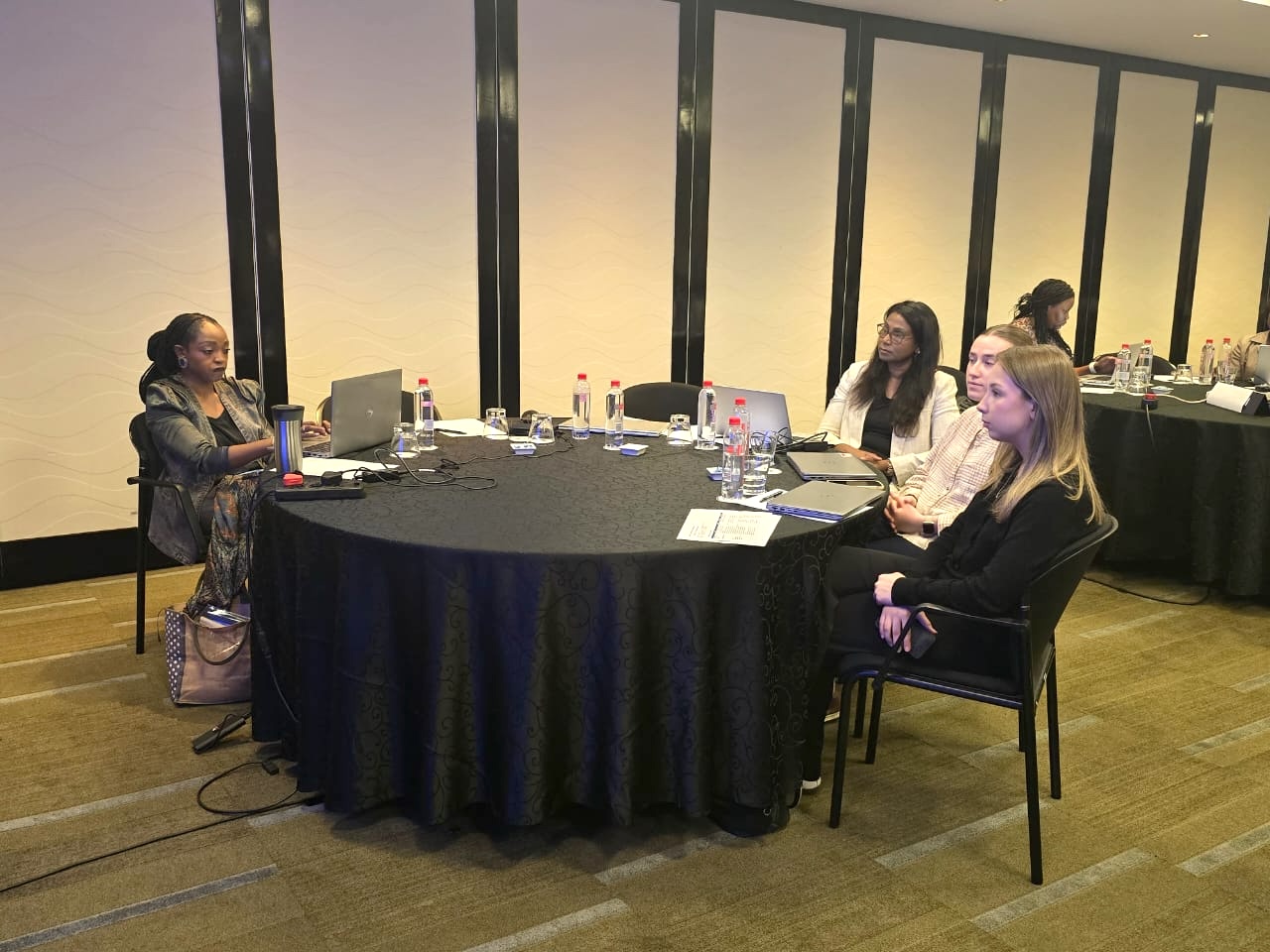 |
CCARDESA’s participation was anchored in its role under the World Bank-supported Food Systems Resilience Programme, particularly in strengthening agricultural early warning systems and advancing Digital Agro-Climate Advisory Services. Through this programme, CCARDESA is supporting the development of robust data systems, enhancing climate services capacity, and promoting regional collaboration to ensure that climate information reaches farmers and policymakers in a timely and usable form.
Importantly, CCARDESA is also operationalising its Resilience Watch, a complementary platform that aggregates and disseminates resilience-related information across the region. Its contribution to the Seasonal Hazard Watch process reflects a broader commitment to improving access to climate advisories and early warning information, especially for the agriculture sector, which remains highly vulnerable to seasonal climate shocks.
Insights from stakeholder engagements during the workshop further reinforced the urgency of this work. There is strong demand for hazard-related information, particularly on flood risks, agricultural drought, dry spells, and cyclone tracking. These priorities highlight the need for climate services that are not only scientifically robust but also tailored, accessible, and responsive to real-world decision-making needs.
The workshop concluded with an agreement on a phased implementation roadmap, prioritising hazards that can be rapidly developed and tested, while ensuring long-term sustainability through strong institutional coordination, data sharing mechanisms, and continuous stakeholder engagement.
As Southern Africa intensifies efforts to strengthen climate resilience, the co-design of the SADC Seasonal Hazard Watch marks a critical step toward building a more coordinated, user-driven, and impact-oriented early warning system.