
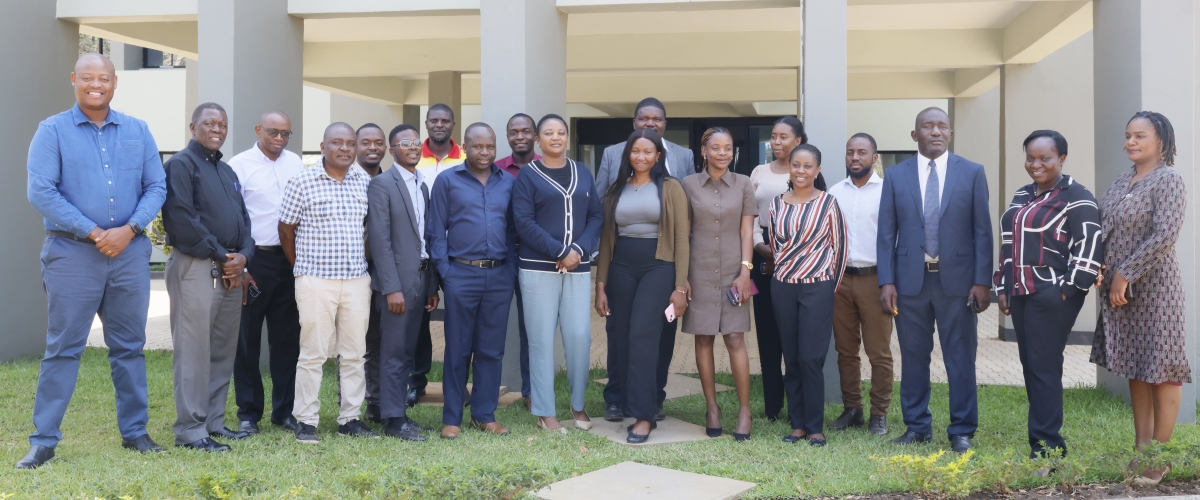
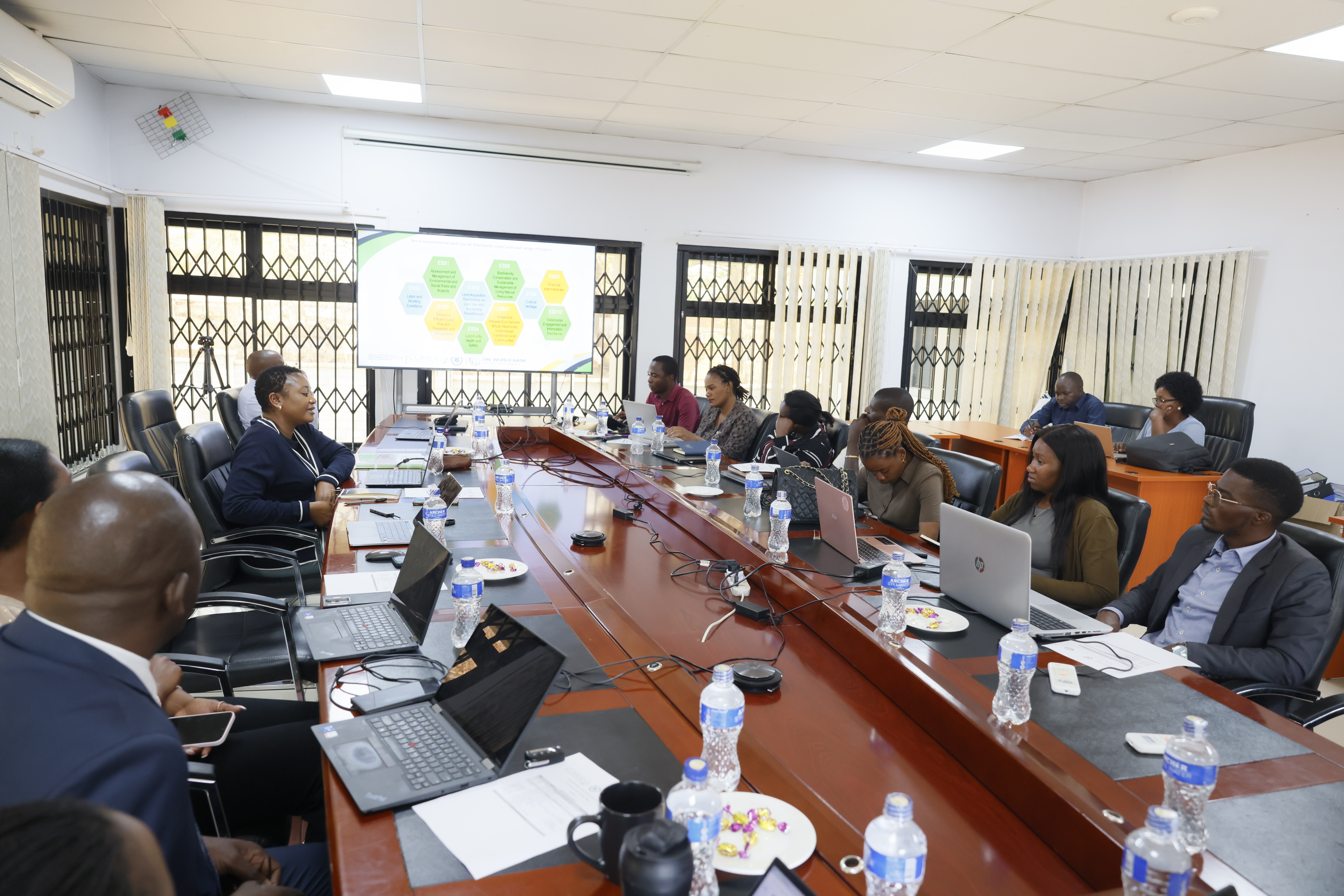
The Centre for Coordination of Agricultural Research and Development for Southern Africa (CCARDESA) has launched its regional rollout of stakeholder consultations on Grievance Redress Mechanisms (GRMs) under the World Bank’s Environmental and Social Standard 10 (ESS10). Malawi took the lead as the first country to host the consultations on 11 September 2025 in Lilongwe, underscoring its commitment to accountability and inclusivity in Food Systems Resilience Programmes.
The consultations are part of CCARDESA’s efforts to comply with the World Bank Environmental and Social Framework, ESS10: Stakeholder Engagement and Information Disclosure, which requires sharing relevant programme information, receiving feedback, and establishing and maintaining a Grievance Redress Mechanism to address complaints and disputes.
Opening the meeting on behalf of the National Programme Coordinator, Mr. Mark Ndipita welcomed the CCARDESA team and highlighted Malawi’s commitment to regional collaboration under the Food Systems Resilience Programme (FSRP).
“This meeting provides a unique opportunity to strengthen collaboration and synergies between national and regional programmes. By working together, we can build more resilient food systems, improve farmers’ livelihoods, and contribute to sustainable development in Malawi and across the region,” he said.
Creating Awareness on Grievance Redress
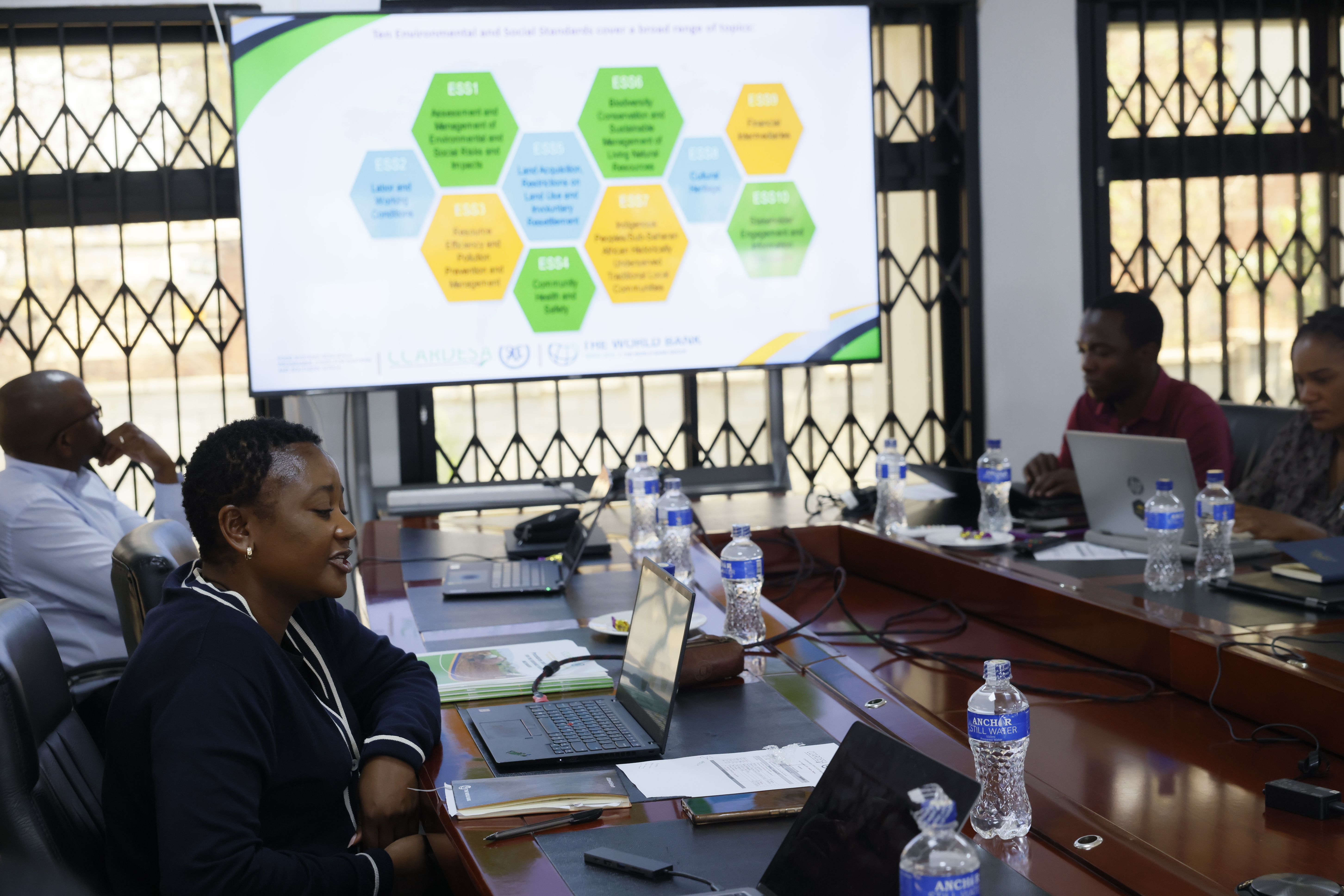
Leading the technical session, Ms. Mirjam Taapopi, CCARDESA’s Environmental and Social Safeguards Officer, stressed the importance of operationalising the GRM in all FSRP implementing countries. She noted that while CCARDESA submits regular reports to the World Bank, the absence of complaints may be an indication that grievance systems remain unknown or inaccessible.
“The grievance redress mechanism is not about ticking a box for compliance — it is about giving stakeholders, including vulnerable and marginalised groups, a voice. We want farmers, partners, and communities to know where to turn if they feel excluded, misinformed, or adversely affected by project activities,” she emphasized.
The consultations, she explained, aim to raise awareness, introduce ESS instruments, and ensure that the GRM is effective, transparent, and inclusive.
Malawi’s Four-Tier Grievance Redress System
A key highlight was a presentation by Mrs. Elina Mkandawire, under the leadership of Mr. Joseph Kazima, showcasing Malawi’s structured four-tier grievance mechanism designed to resolve complaints fairly, quickly, and as close to the source as possible. The framework includes:
- Community-level committees, rooted in traditional leadership and supported by extension workers.
- District-level committees, chaired by district officials and coordinated by environment officers.
- National-level committee, overseen by the National Project Coordinator’s office.
- Workers’ committees, handling contractor-related grievances.
The system addresses a wide range of issues — from procurement and compensation to land disputes — and offers multiple reporting channels including letters, phone calls, emails, and logbooks. Inclusivity and cultural sensitivity are central to the process, with more than 80% of grievances lodged in 2025 already resolved.
From Dialogue to Action
The consultations concluded with a set of clear commitments to:
- Compare and align Malawi’s GRM manual with CCARDESA’s regional framework.
- Roll out joint awareness campaigns targeting all stakeholders, especially vulnerable groups.
- Sustain collaboration through webinars and technical working groups.
- Strengthen cross-border linkages to harmonise safeguards.
By hosting the first consultation, Malawi has set the pace for the region. The initiative reaffirmed that stakeholder engagement is not a procedural requirement but a cornerstone of resilience and accountability. With CCARDESA driving the regional rollout, the message is clear: food systems in Southern Africa must be inclusive, transparent, and responsive to the communities they serve.
 |  |  |  |