
In the drought prone landscapes of Chinjenje District in Angola, smallholder farmers in Sacato Village are transforming their agricultural future. Once constrained by low productivity, poor farming practices, and limited crop options, the community is now emerging as a model of food systems resilience and agricultural transformation, thanks to the World Bank funded Agricultural Productivity Programme for Southern Africa (APPSA), jointly implemented by Angola and Lesotho and regionally coordinated by the Centre for Coordination of Agricultural Research and Development for Southern Africa (CCARDESA).
For many years, farmers in Sacato depended solely on local maize and bean varieties (Canhanla maize and Raiado beans) which produced very low yields of just 0.6 tonnes per hectare (t/ha) and 0.5 t/ha respectively. These low yields left households vulnerable to food shortages, low incomes, and poor nutrition.
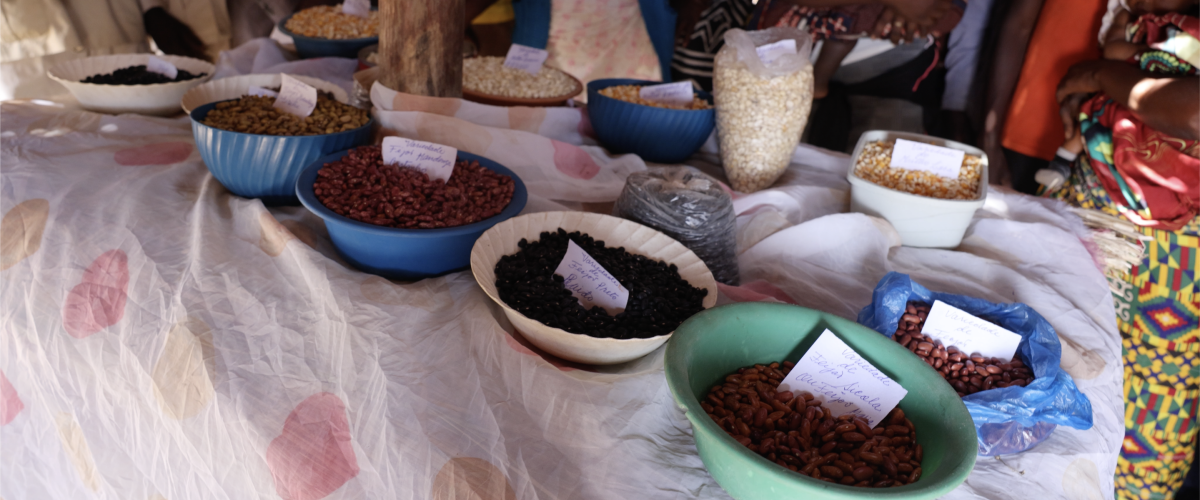
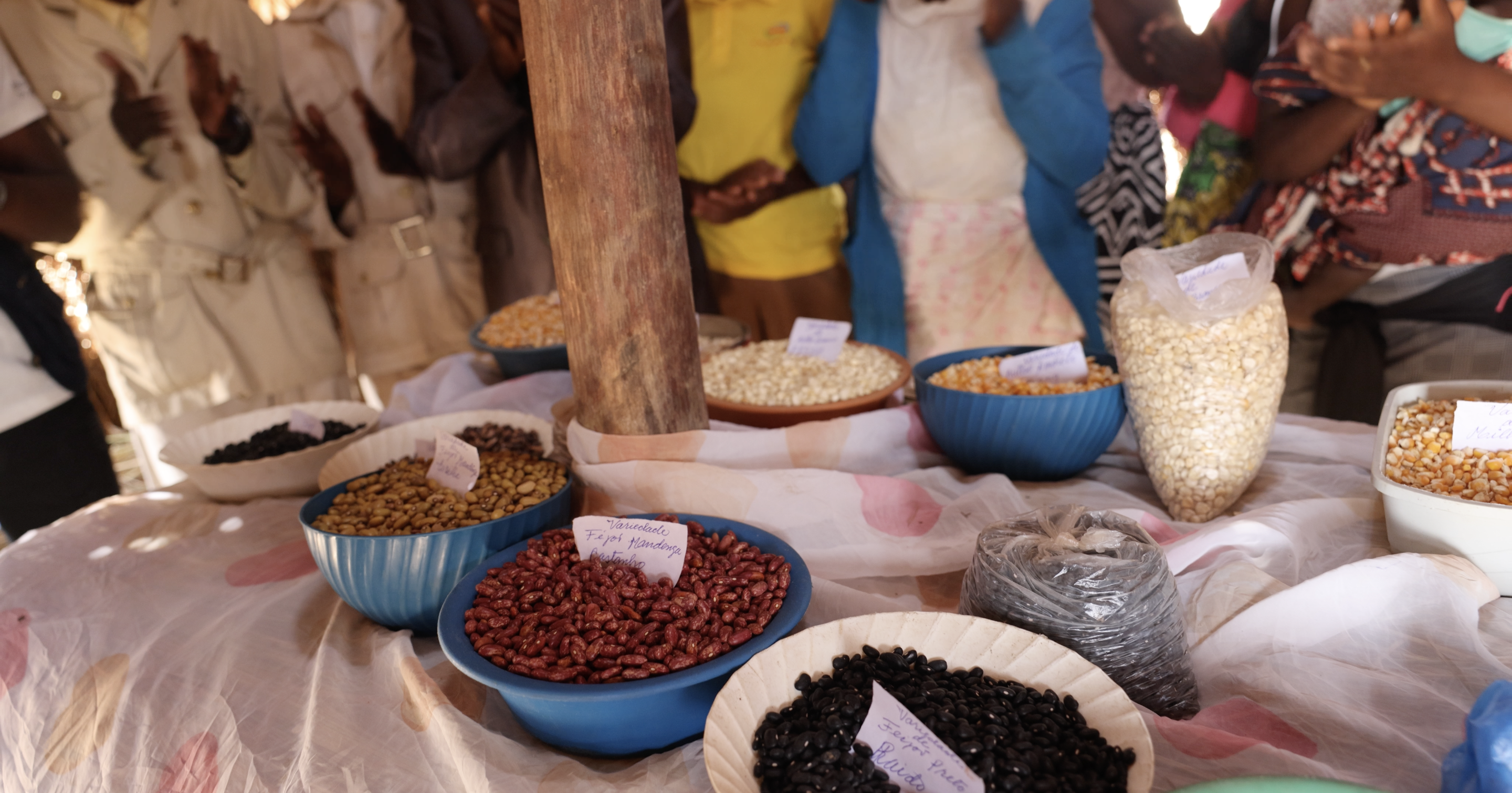
Between 2021 and 2024, APPSA introduced a transformative intervention through a Farmer Field School involving 57 farmers, including 39 women and 18 men. The initiative tested and demonstrated six improved maize varieties and five improved bean varieties under real farming conditions. Farmers received practical training through field trials, demonstrations, and hands on crop management techniques conducted directly on their plots.
The results were remarkable.
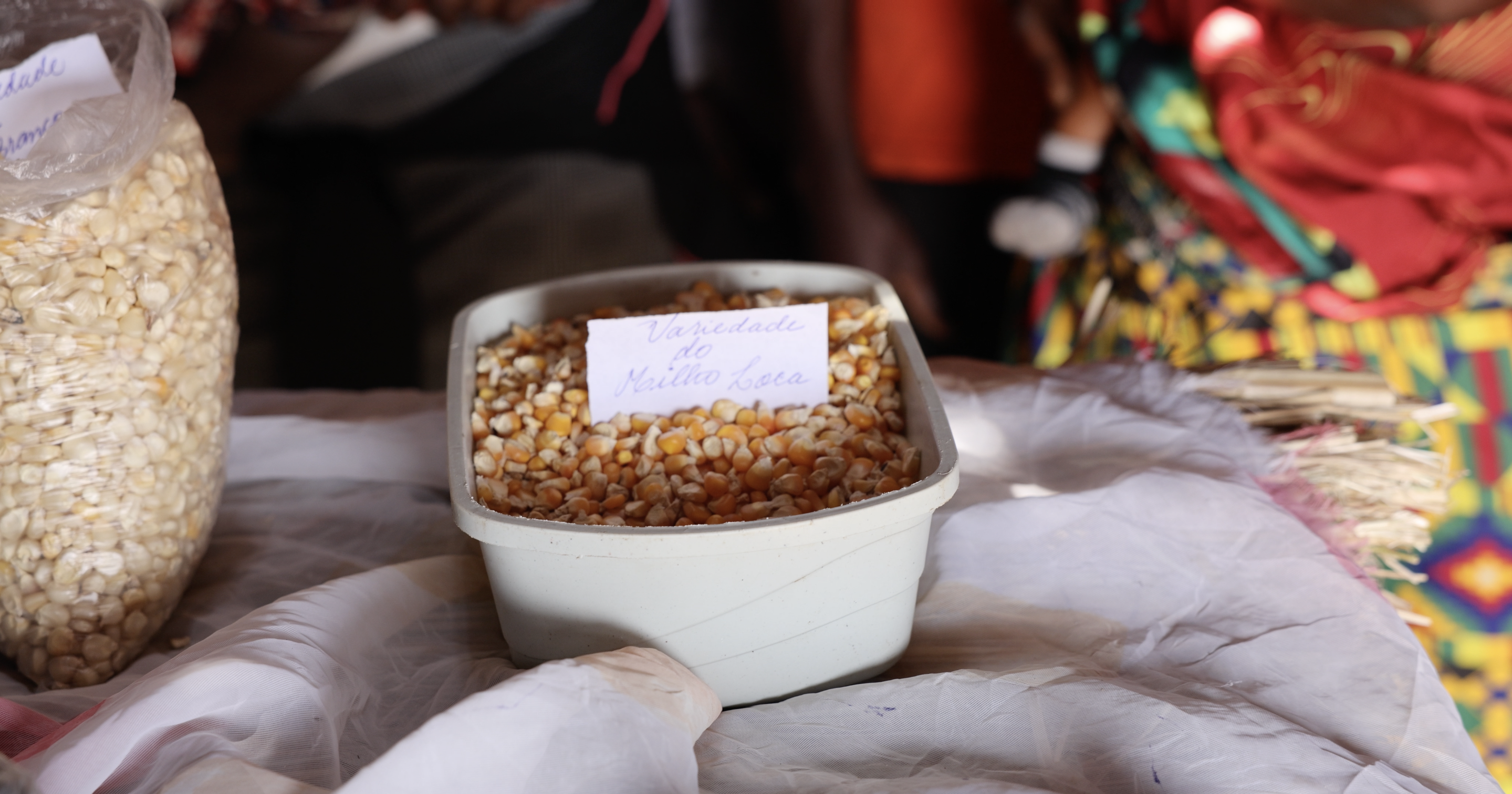
Under the same growing conditions and management practices, the improved maize varieties achieved yields ranging from 1.6 to 2 tonnes per hectare, compared to only 0.6 t/ha for the local variety.
Bean production also improved significantly. The improved bean varieties produced yields ranging from 0.8 to 1 t/ha, outperforming the local variety by between 33 percent and 67 percent. Among them, the Setsemamas variety emerged as the best performer because of its strong productivity and adaptability.
Beyond the impressive yield gains, the intervention has strengthened resilience within the local food system. Farmers are no longer dependent on a narrow range of low performing crops. Through APPSA supported training, they have adopted improved agronomic practices such as crop rotation, proper land preparation, accurate seed application, and diversified production systems that now include horticulture. These changes are improving soil health, reducing crop disease risks, diversifying household diets, and helping communities better withstand climate and market shocks.
 |  |
The gains in knowledge and technical capacity have been equally significant.
Farmers explained that before the intervention, they often wasted seed because of poor planting methods and over application. Through the Farmer Field School approach, they learned when to plant, how to plant correctly, and the appropriate quantity of seed to apply. Farmers also noted that crop rotation and structured cropping programmes were virtually unknown in the community before APPSA. Today, these practices are widely adopted, improving both productivity and sustainability.
In addition, horticulture training introduced through the programme has expanded household nutrition and created new income opportunities for farming families.
The success of the initiative has already created ripple effects beyond Sacato Village.
In response to growing demand for the improved seed varieties, APPSA facilitated partnerships with a local company, Jardins da Yoba, to begin multiplying improved maize and bean seed from the 2024/25 season. Farmers from Sacato have also become champions of agricultural innovation, leading outreach efforts to neighbouring communities across Chinjenje District to promote the adoption of improved technologies.
The intervention demonstrates how investments in agricultural research, farmer training, and improved technologies can directly contribute to stronger and more resilient food systems in Southern Africa. By increasing productivity on existing land, strengthening farmer skills, diversifying crops, and improving access to quality seed, the initiative is helping vulnerable farming communities transition from subsistence agriculture to more productive, profitable, and sustainable farming systems.
For the farmers of Sacato, the impact is already visible in their fields, harvests, and renewed confidence. Farmers stated that the most visible change has been the improvement in technical skills for crop production, skills that previously did not exist in the community. They also highlighted that the significant increases in maize and bean yields are motivating more farmers to adopt the improved varieties introduced through APPSA.
Ernesto Quintino, Facilitator at the local Farmer Field School (FFS), said the programme transformed the way farmers approached crop production. “Before the intervention, farmers were putting between 10 to 20 seeds per hole just to make sure the crop germinated. This resulted in a lot of seed wastage and poor crop management practices. Through the Farmer Field School, farmers learned the correct planting methods and appropriate seed application rates, which have greatly improved productivity,” he explained.
Vitorina Pecela expressed her satisfaction with the performance of the improved yellow maize variety, particularly under difficult climatic conditions. “We experienced very erratic rains during the season, but the yellow maize performed very well because it is drought tolerant. Despite the poor rainfall, we still managed to harvest,” she said.
Madalena Jacinta highlighted the positive impact of the improved bean varieties on household livelihoods and income generation. “I managed to harvest enough beans for home consumption and also had surplus to sell at the biggest market in Chinjenje. The beans fetched an excellent price, which helped improve my family’s income,” she said.
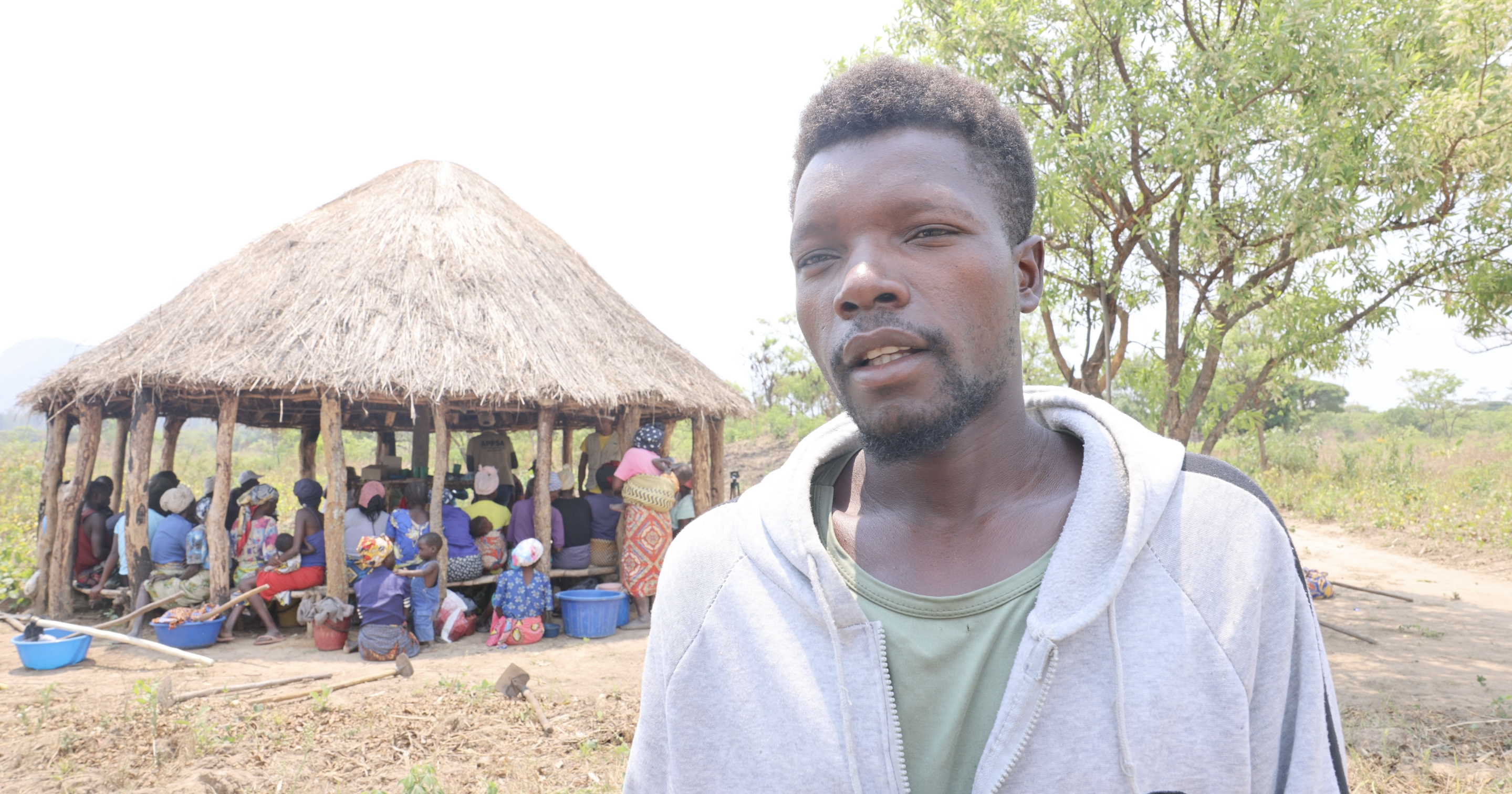 Ernesto Quintino, FFS Facilitator | 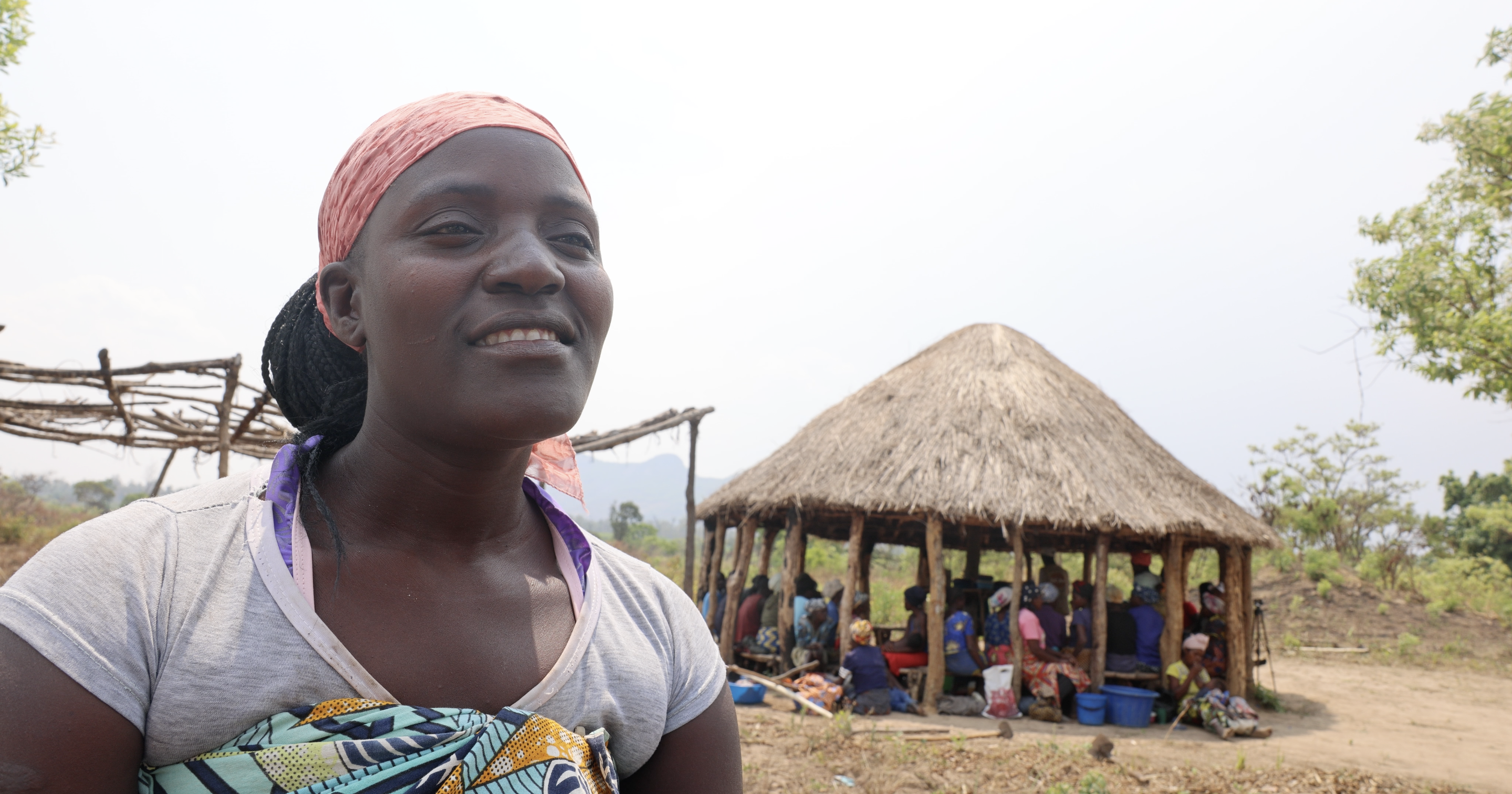 Mrs Vitorina Pecela, Farmer | 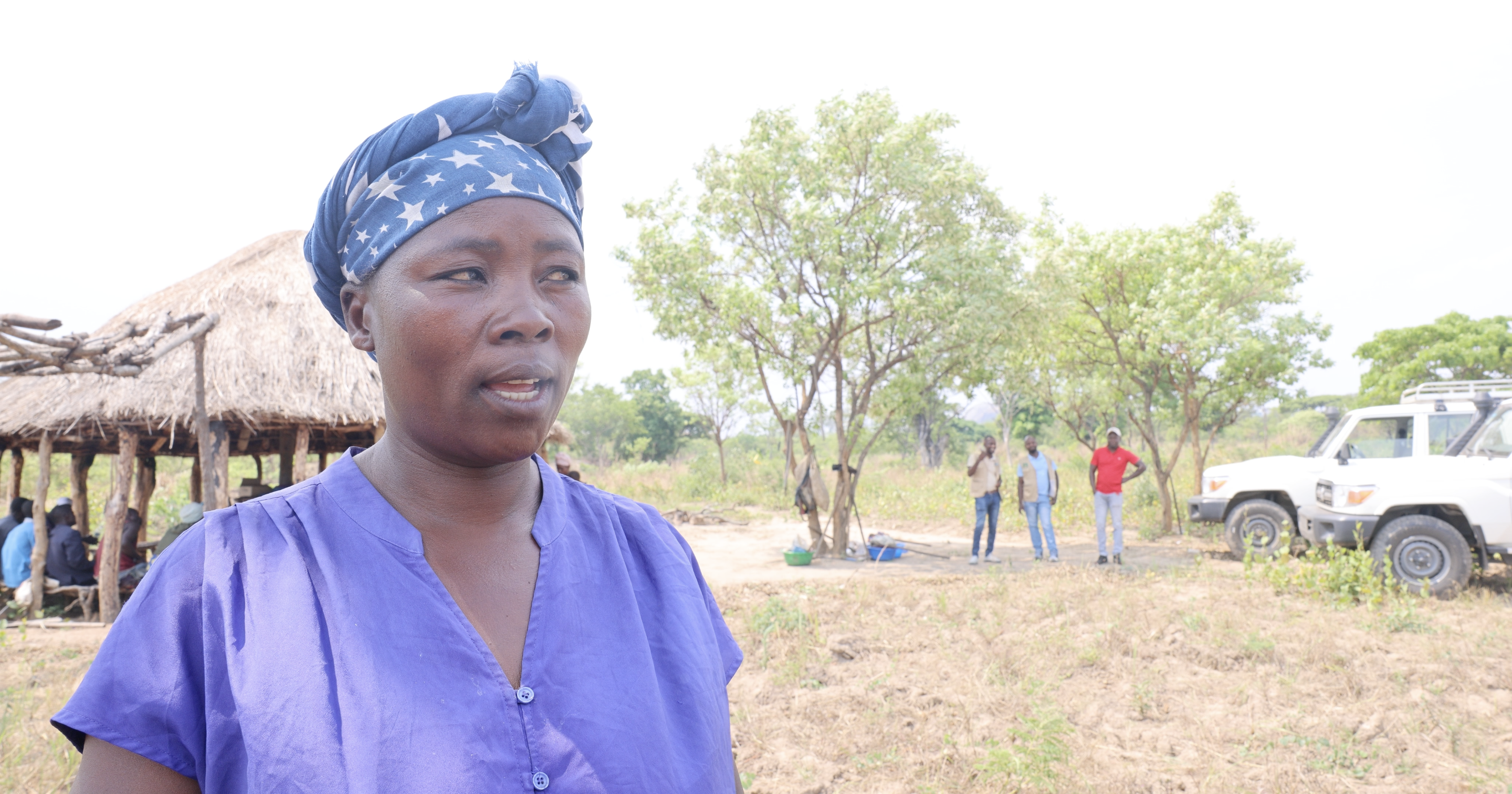 Madalena Jacinta, Farmer |