
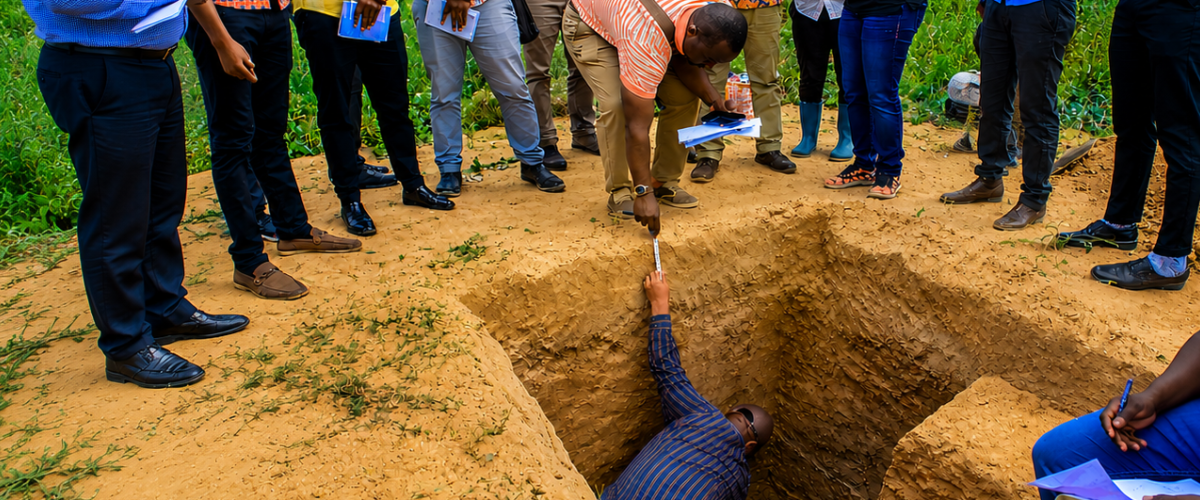
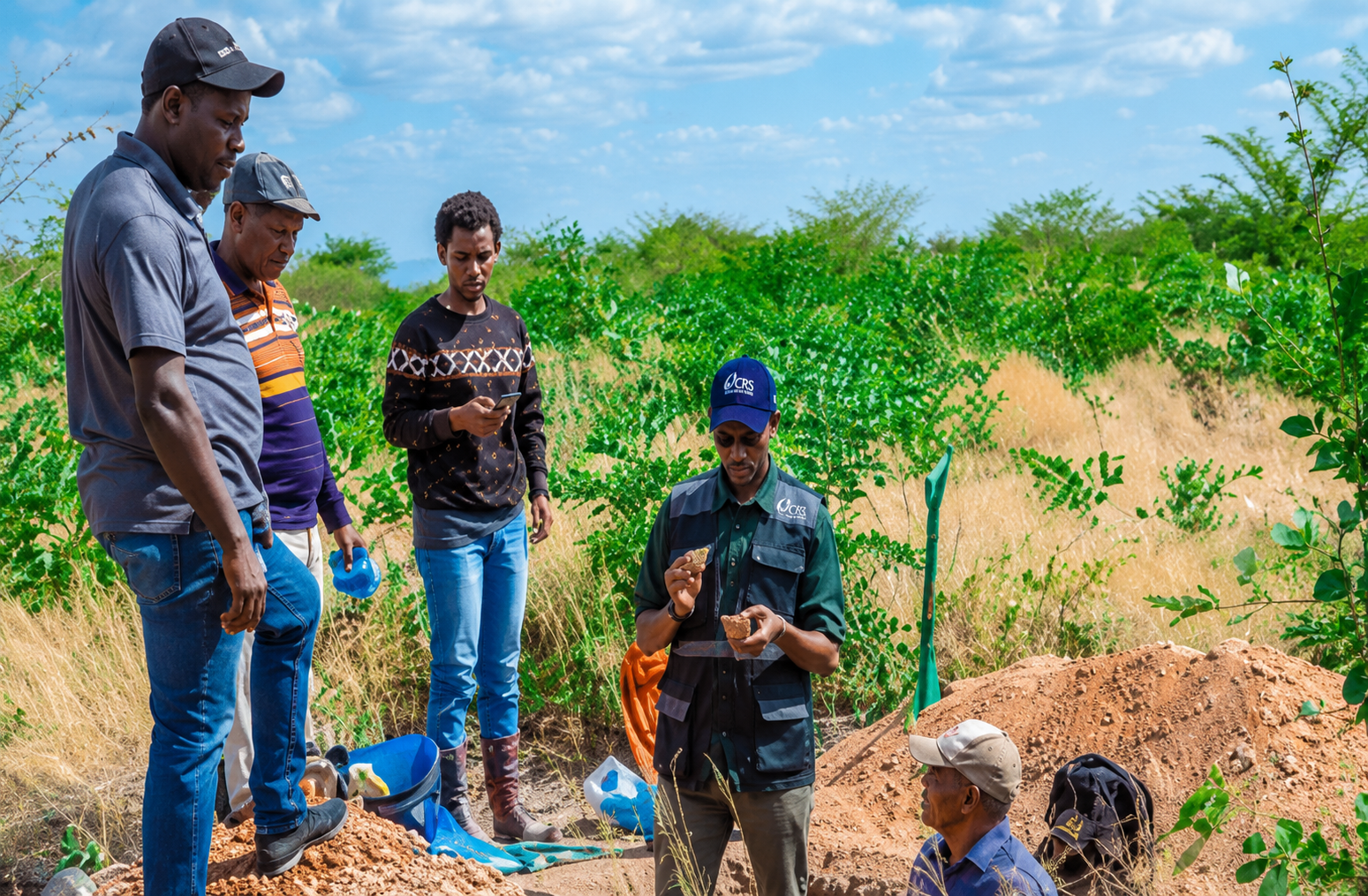
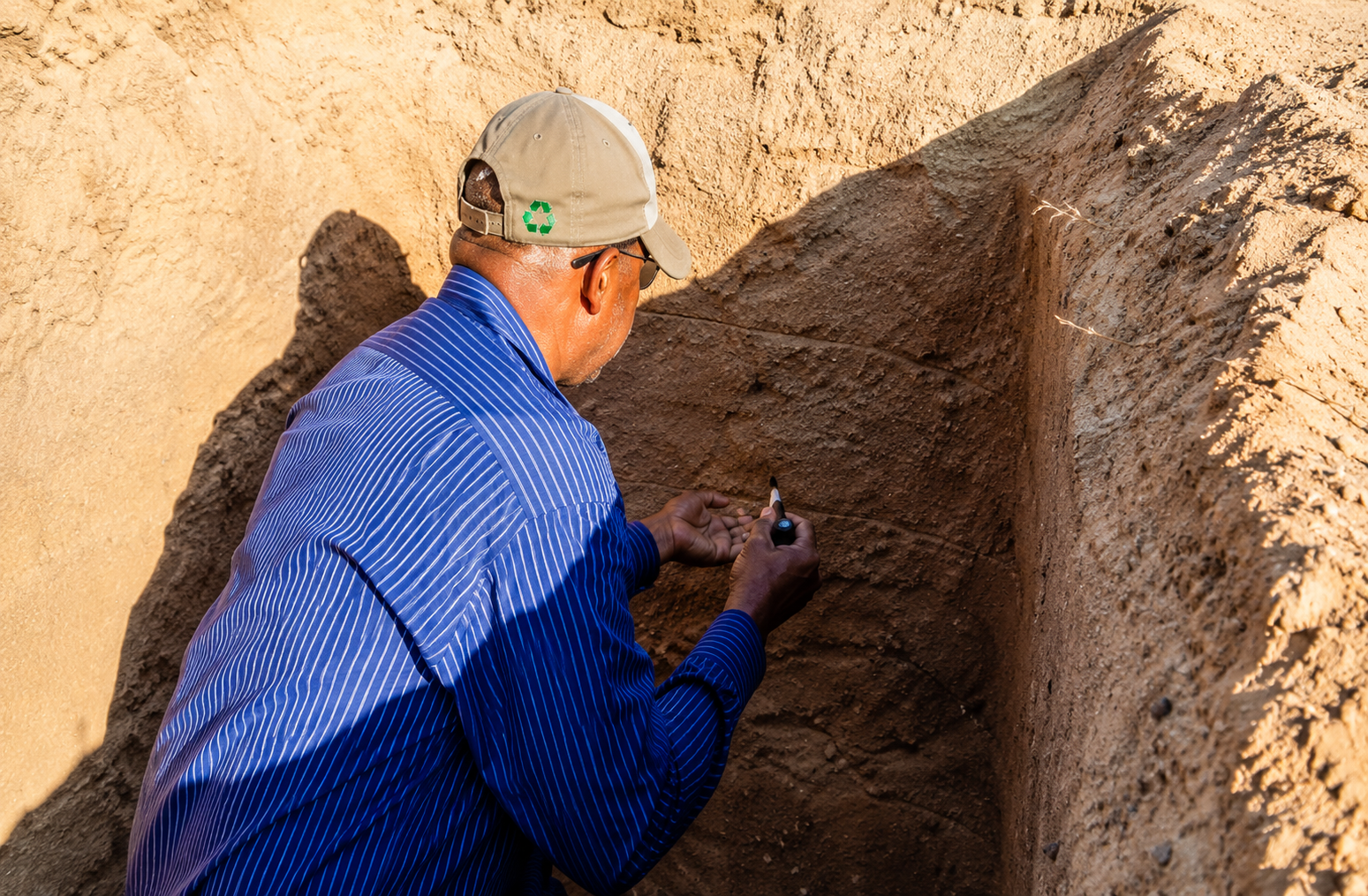
Tanzania is making significant strides towards strengthening agricultural productivity and climate resilience through an ambitious nationwide soil health assessment being implemented under the Tanzania Food Systems Resilience Programme (TFSRP) led by the Ministry of Agriculture.
The initiative is generating critical scientific data to support sustainable land management, improved crop productivity, and evidence-based agricultural planning across the country. By assessing the biophysical environment, soil properties, crop requirements, and conservation needs, the program aims to identify key constraints affecting agricultural production and recommend practical soil-crop management solutions.
As part of this effort, Tanzania is in the process of developing a national digital soil map at a scale of 1:50,000, a major milestone that will provide detailed information on soil characteristics and fertility status across the country. The digital soil mapping initiative is expected to transform how farmers, policymakers, researchers, and extension officers make decisions related to crop suitability, fertilizer application, irrigation, and climate-smart agriculture.
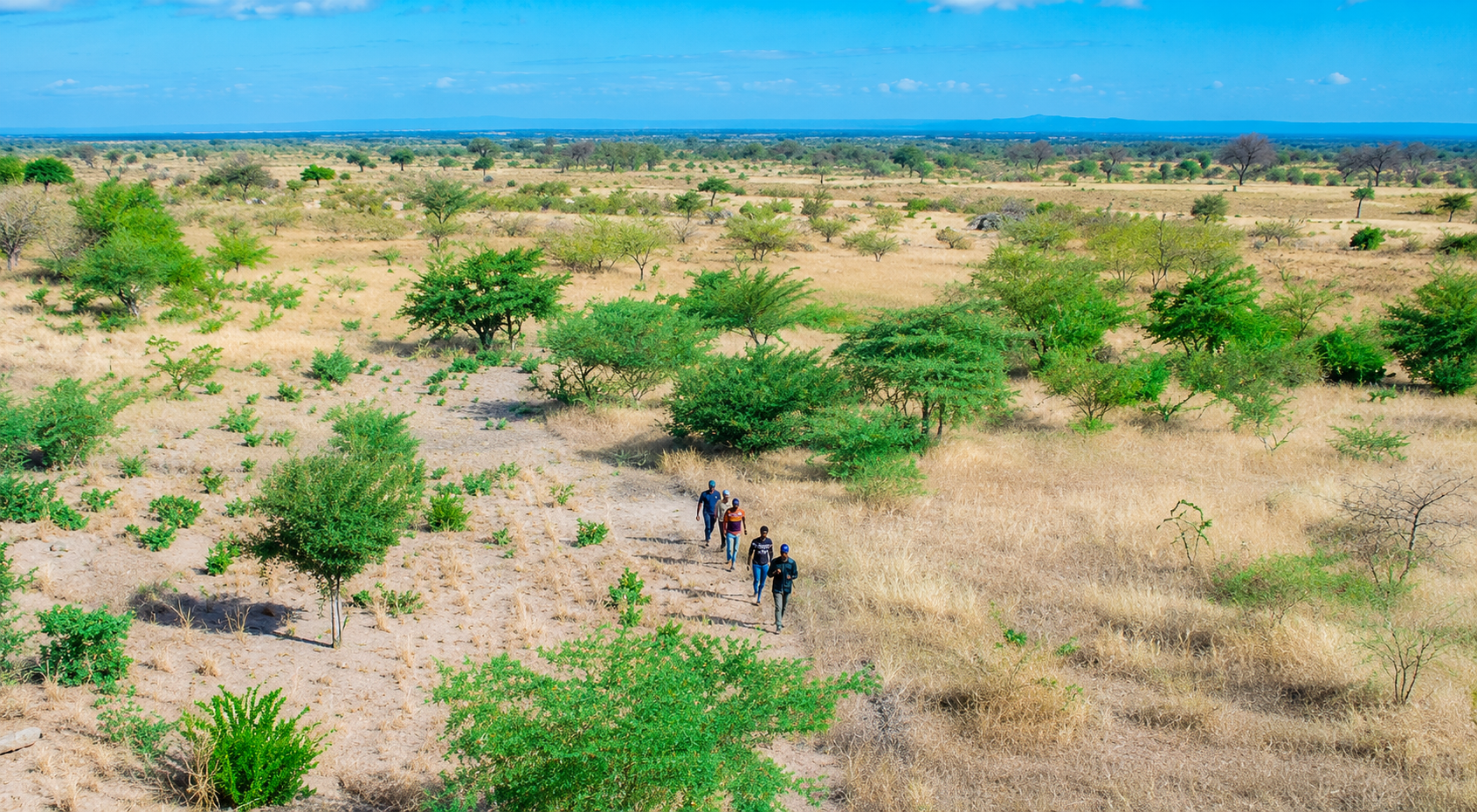
To date, the country has successfully collected 90,380 soil samples from 19 regions out of 25 regions, covering an estimated 40,038,984 hectares of land which is suitable for agriculture. The extensive fieldwork represents one of the most comprehensive soil assessment exercises undertaken in Tanzania and reflects the country’s commitment to building resilient and productive food systems.
Officials say the soil assessment will help establish stronger relationships between soil conditions, crop performance, and land management practices. The findings are expected to guide interventions that address declining soil fertility, land degradation, low productivity, and the growing impacts of climate change on agriculture.
The initiative also supports Tanzania’s broader agenda of modernizing agriculture through digital innovation and data-driven decision-making. Once completed, the digital soil map will provide farmers and agricultural stakeholders with accurate, location-specific soil information that can improve farm planning, increase yields, reduce input costs, and promote sustainable use of natural resources.
The Tanzania Food Systems Resilience Programme continues to play a central role in supporting the country’s transition towards resilient, inclusive, and sustainable agricultural systems capable of enhancing food security and improving livelihoods for millions of Tanzanians.
 |  |  |
About FSRP
The Food Systems Resilience Programme (FSRP) is a multi-phase World Bank-funded initiative aimed at strengthening the resilience of food systems in Eastern and Southern Africa. The programme seeks to better prepare countries and communities to respond to food insecurity, climate change, droughts, and other shocks affecting agriculture and livelihoods. FSRP promotes regional research and innovation, digital agricultural advisory services, market access, policy harmonisation, and the development of resilient agri-food value chains to improve food and nutrition security across the region. In Southern Africa, the programme is currently being implemented by Madagascar, Malawi, Comoros, Tanzania, and the Centre for Coordination of Agricultural Research and Development for Southern Africa (CCARDESA) as the regional coordinating institution.
Source: Tanzania Food Systems Resilience Programme