
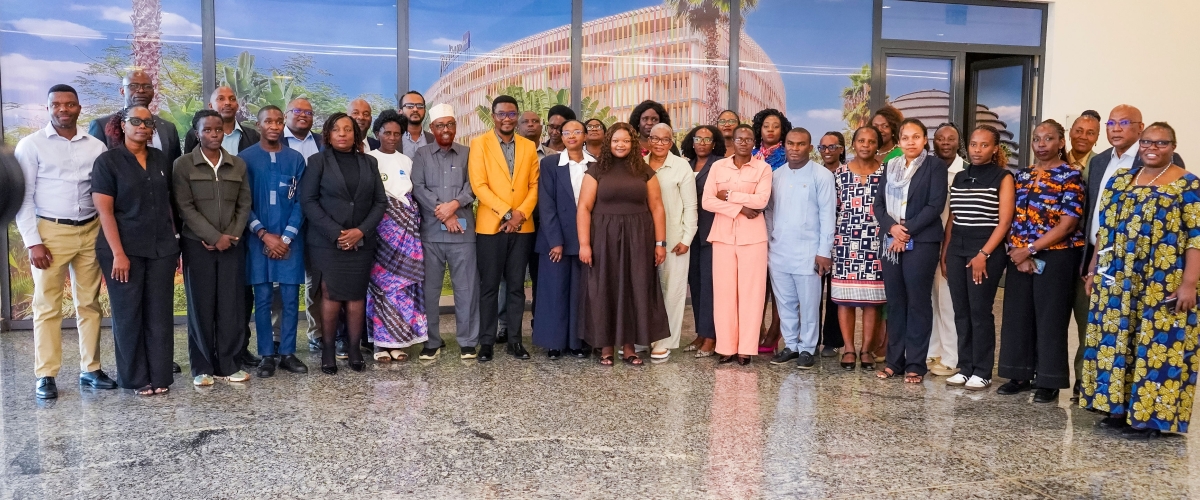
Photos: AUDA-NEPAD
Women farmers must be placed at the centre of Africa’s efforts to build more productive and climate resilient food systems as climate change continues to deepen longstanding inequalities in access to land, finance, agricultural technologies, information and markets.
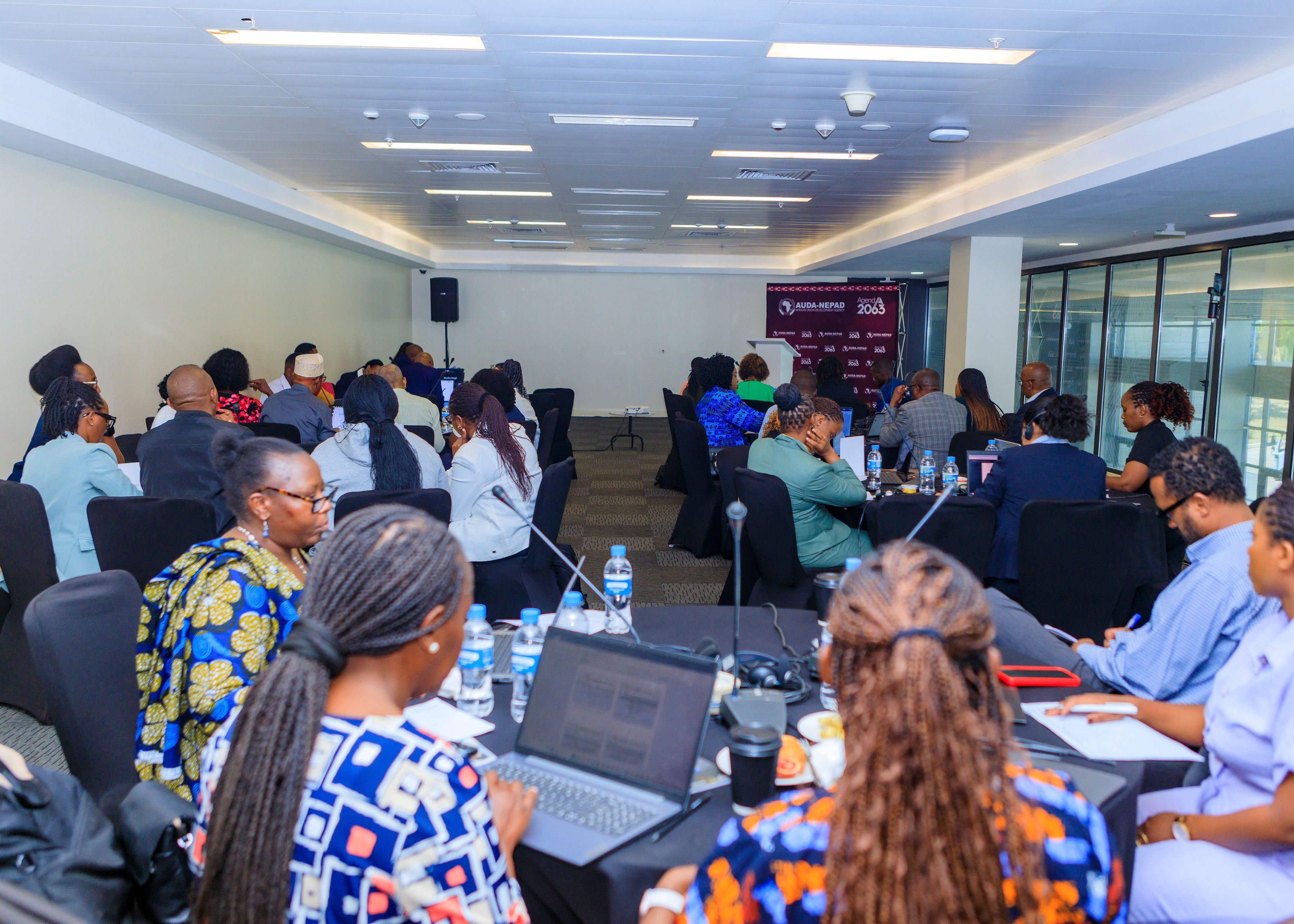
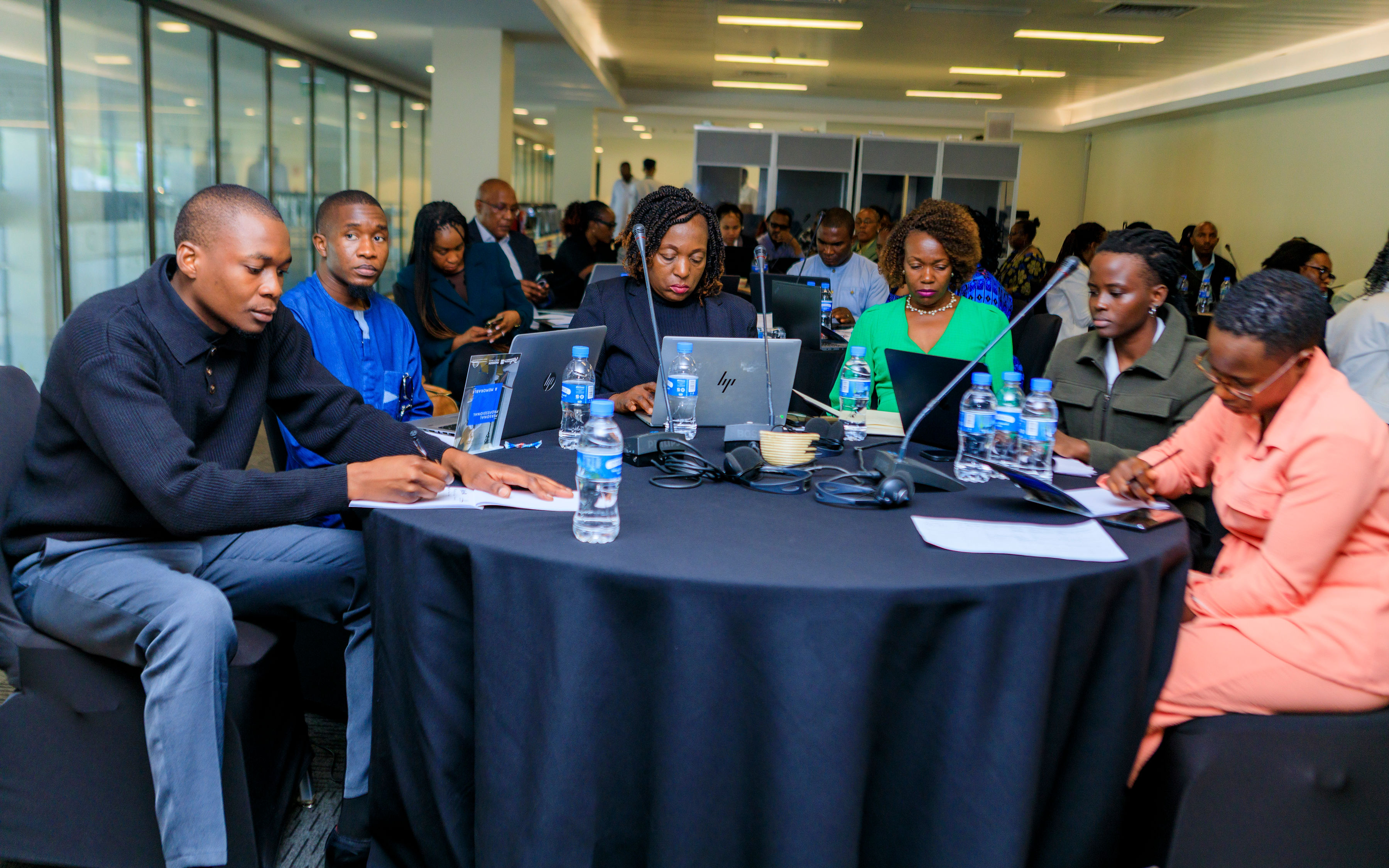
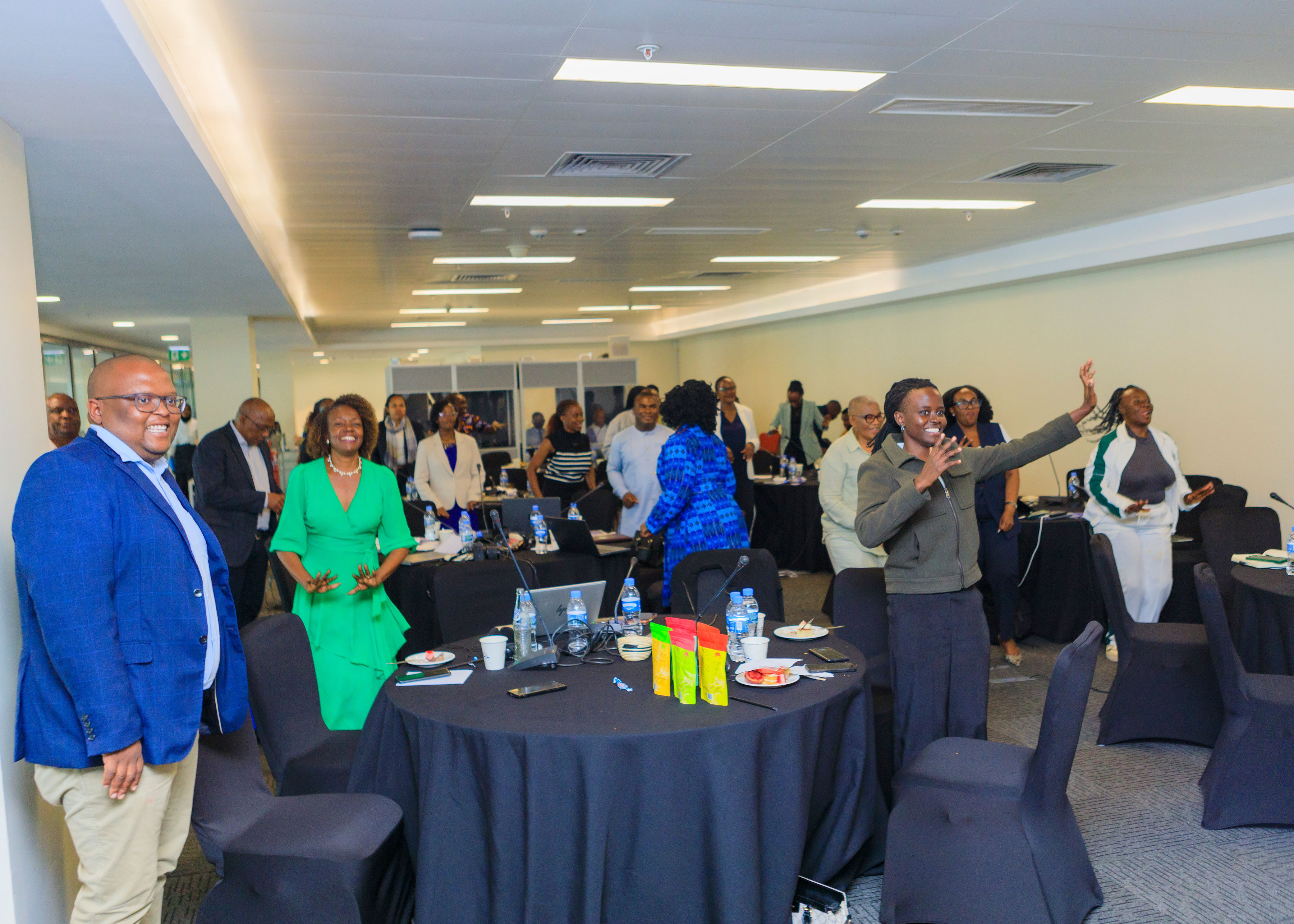
This message emerged from a three day Food System Resilience Programme (FSRP) workshop on “Promoting Climate Smart Agriculture to Close Gender Gaps in Productivity,” held from 26 to 28 August 2026 at the Kigali Convention Centre in Rwanda.
Convened by the African Union Development Agency (AUDA NEPAD) in collaboration with the Government of Rwanda through the Ministry of Gender and Family Promotion (MIGEPROF) and the Ministry of Agriculture, the workshop explored practical ways of strengthening the productivity, resilience and incomes of women smallholder farmers through Climate Smart Agriculture (CSA).
 | 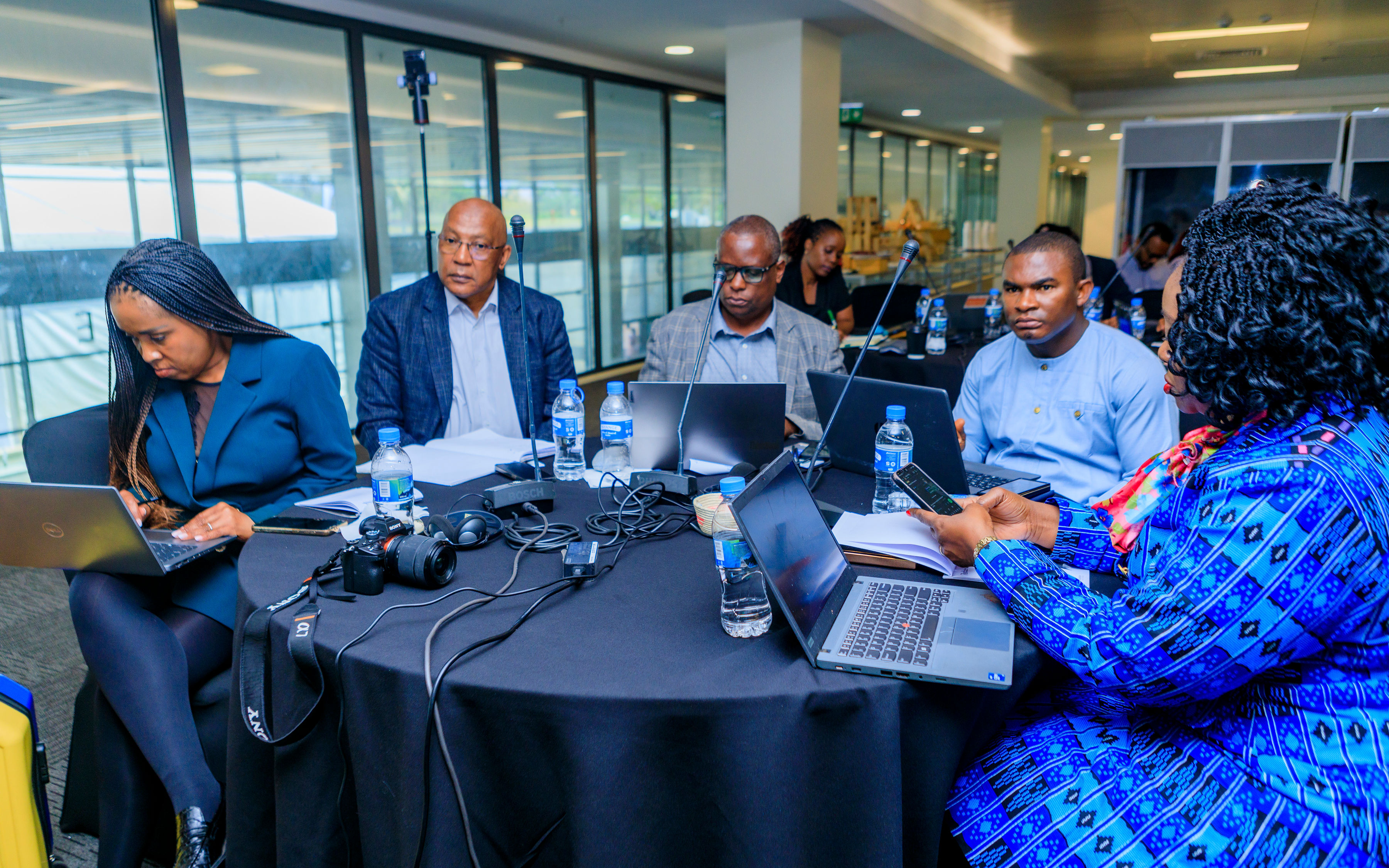 |  |  |
The Centre for Coordination of Agricultural Research and Development for Southern Africa (CCARDESA) participated in the workshop as one of the FSRP Regional Executing Entities, alongside AUDA NEPAD, IGAD and other regional partners, contributing to discussions on gender responsive CSA, soil health, agricultural innovation and knowledge sharing across Eastern and Southern Africa.
The workshop brought together women farmers and farmer groups, government representatives, extension officers, researchers, agro dealers, private sector actors and development partners from FSRP and non FSRP countries.
Discussions highlighted that climate change is not gender neutral. Women farmers often face multiple barriers that limit their ability to respond to droughts, floods, erratic rainfall, declining soil fertility, pests and other climate related shocks. Limited access to land, finance, quality seed, climate information, extension services, technologies and markets further constrains their ability to adapt and increase productivity.
Participants agreed that addressing these challenges requires more than training. Women farmers also need access to the resources, finance, technologies, markets and institutional support necessary to turn knowledge into improved production and incomes.
A strong message from Kigali was that women and young people should not be viewed simply as beneficiaries of agricultural programmes. They should be recognised and supported as innovators, entrepreneurs and important drivers of agricultural transformation.
Participants therefore called for greater efforts to identify, document and promote innovations led by women and youth, supported by stronger knowledge sharing platforms where successful solutions can be demonstrated, adapted and scaled.
Soil health also emerged as an important part of building resilience. Practical approaches discussed included integrated soil fertility management, composting, soil testing and soil health monitoring. Participants stressed, however, that technologies must be affordable, appropriate to local farming systems and sensitive to the labour and time demands faced by women.
Extension services were equally identified as critical. Rather than relying on isolated training events, participants called for sustained support through peer learning, demonstration plots, farmer organisations and stronger advisory services that respond to the practical needs of women farmers.
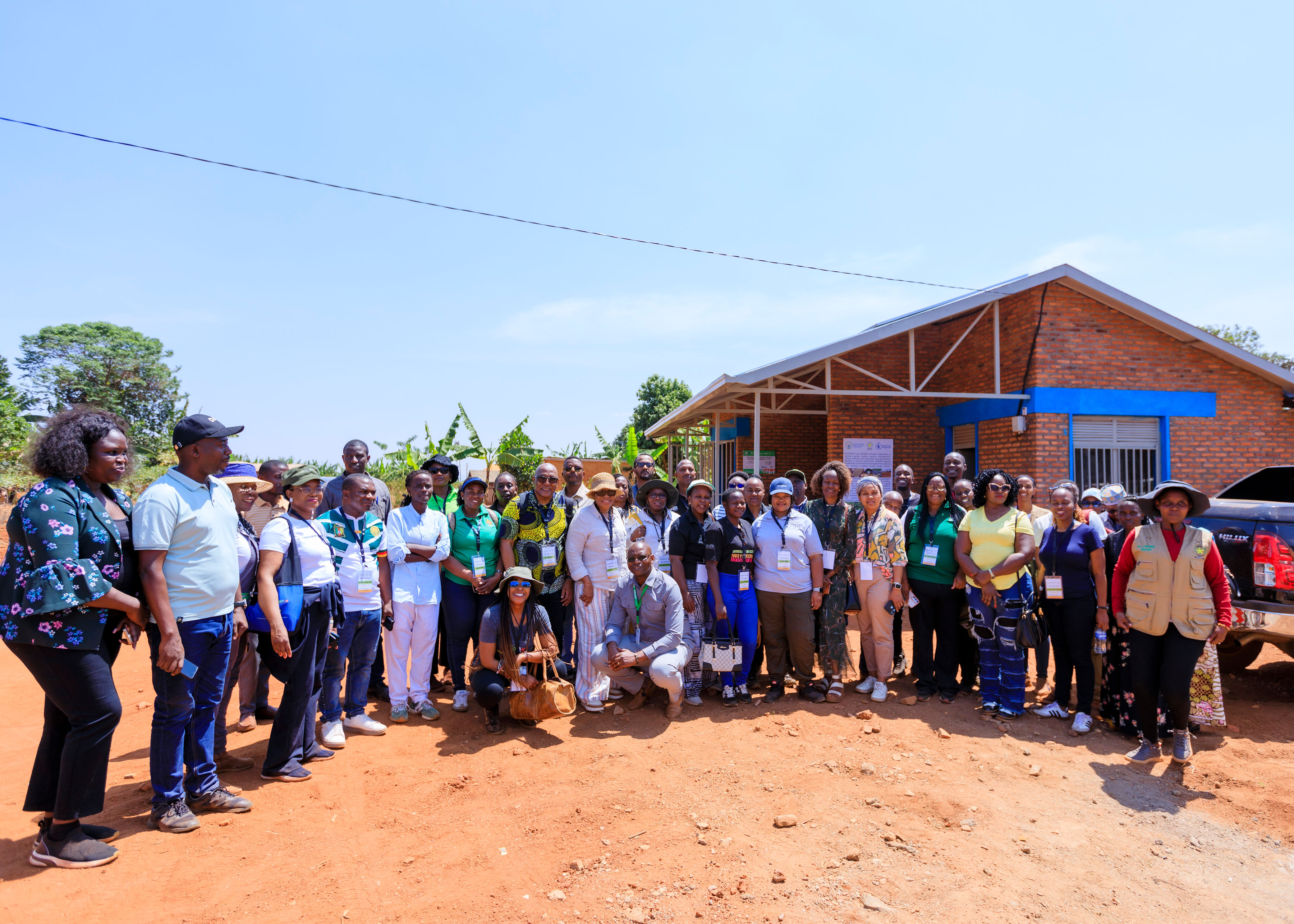
The discussions were complemented by a field visit to a cooperative of more than 200 women and men already applying CSA practices. The visit allowed participants to see the technologies in practice and interact with farmers on the conditions required for successful adoption.
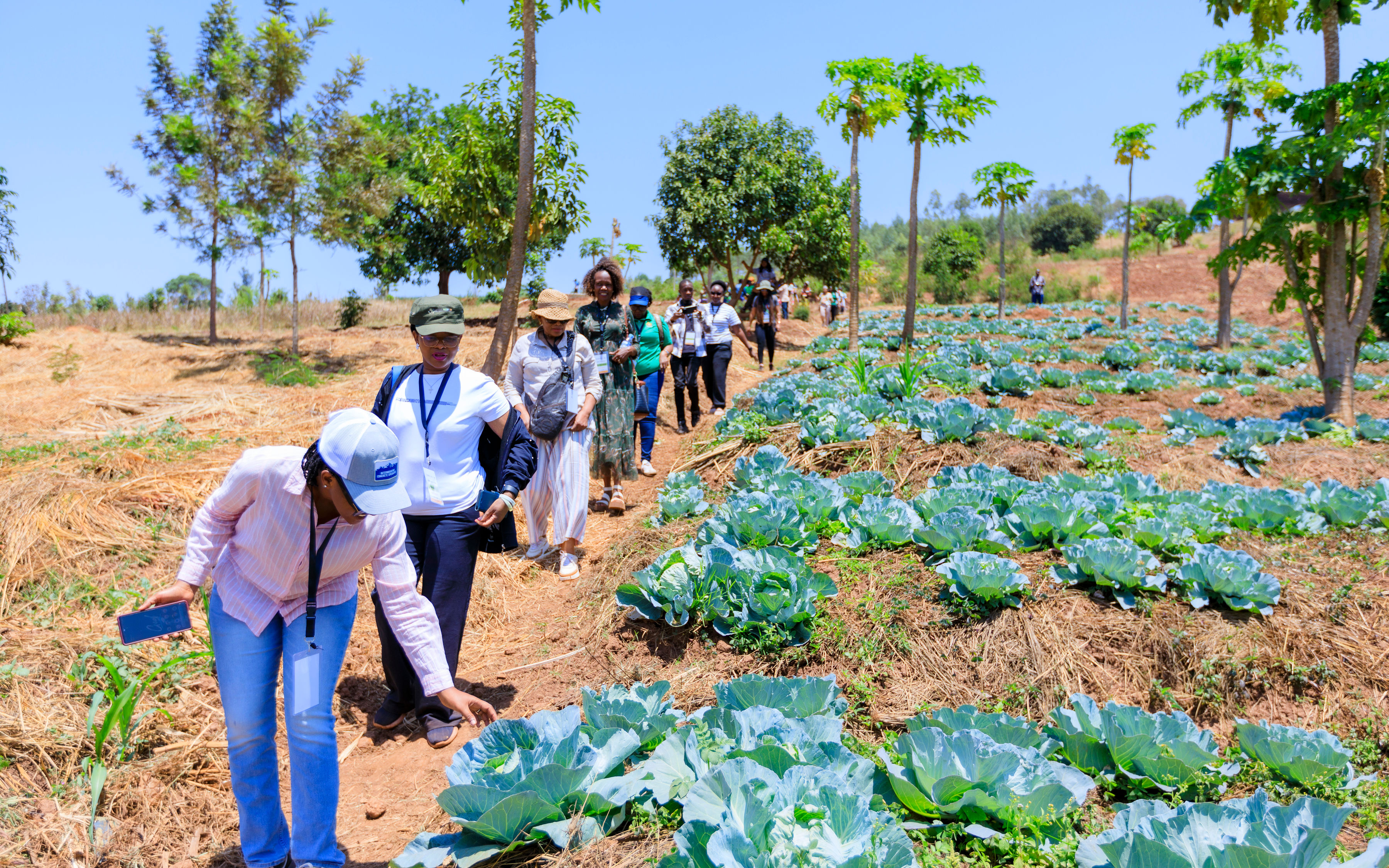 | 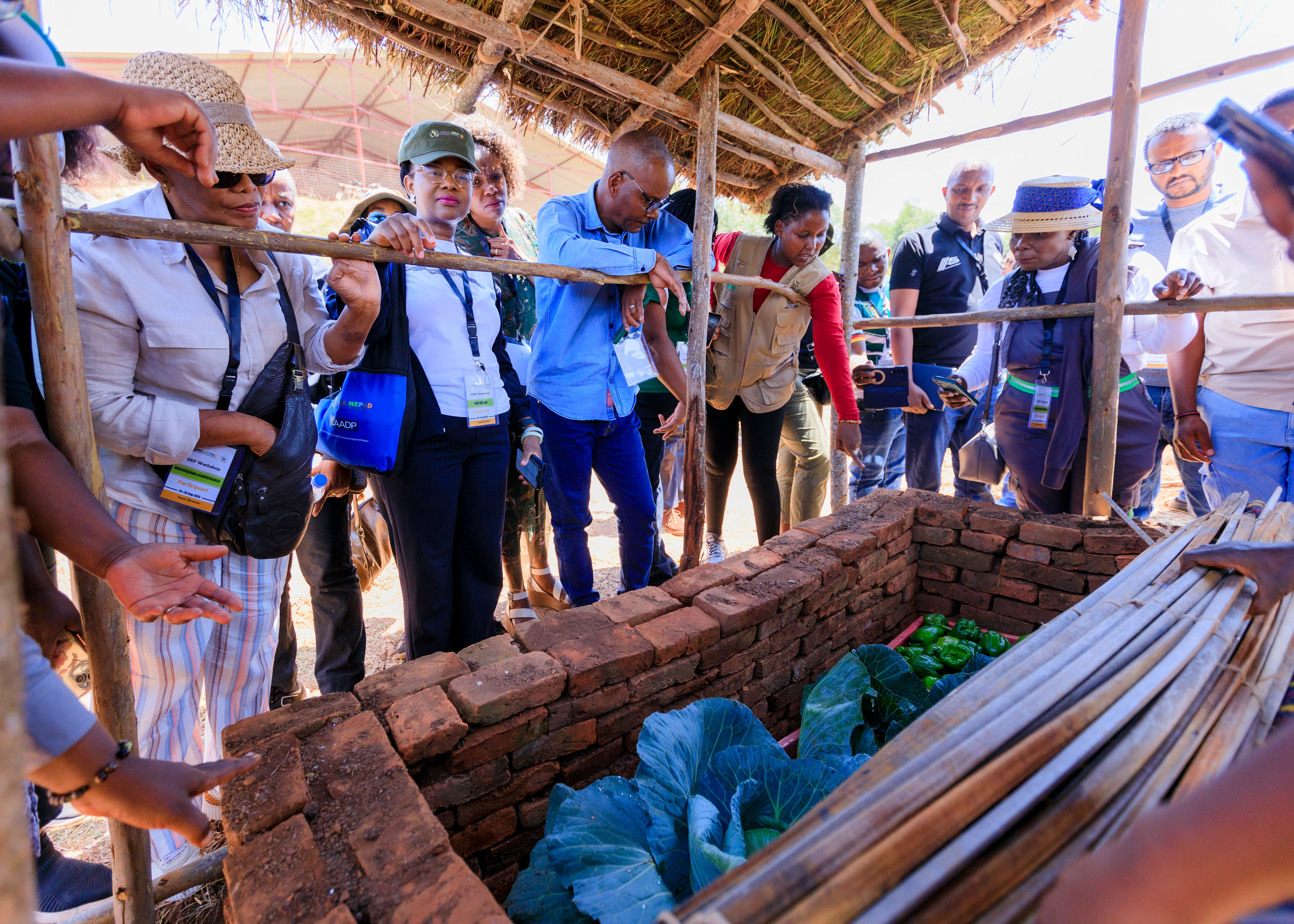 | 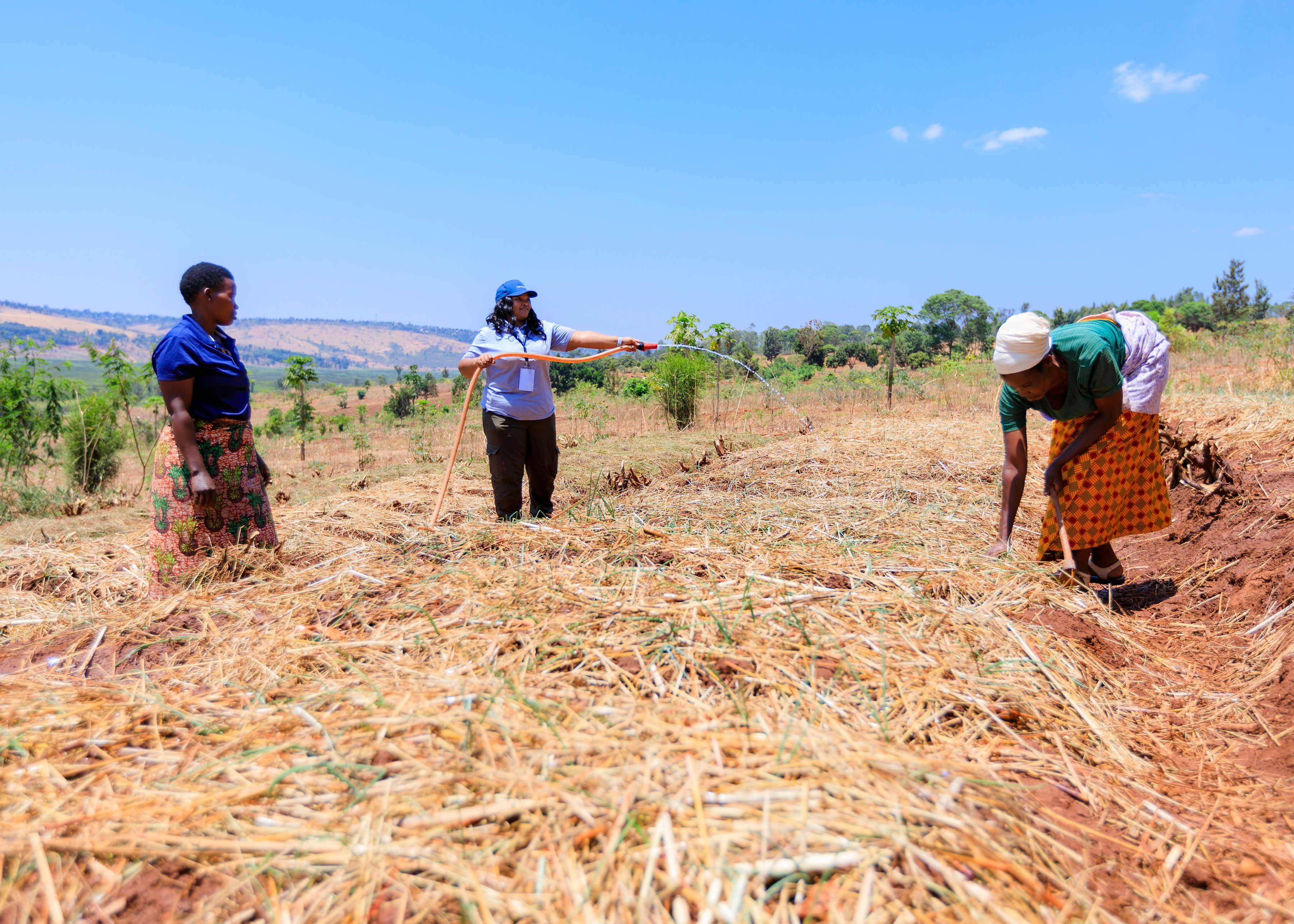 |  |
The experience showed that scaling CSA depends not only on the effectiveness of a technology, but also on whether farmers can afford it, access technical support and markets, and manage the labour and time it requires.
Building on these lessons, participating women’s groups developed action plans identifying priority production challenges, suitable CSA interventions, expected results, support requirements and timelines for implementation.
Access to land, finance and quality seed remained among the major challenges highlighted during the workshop. Participants called for stronger local seed systems, better connections between women led enterprises and financial institutions, and greater support to farmer associations and cooperatives to strengthen bargaining power, market access and collective investment.
Circular economy and waste to wealth approaches were also highlighted as opportunities to reduce agricultural losses while generating additional income for women and youth.
Importantly, the workshop comes as the World Bank has triggered US$2.1 million for gender and climate smart activities to be coordinated through AUDA NEPAD and other Regional Executing Entities, including the African Union Commission, CCARDESA and IGAD. This provides an opportunity to translate some of the priorities identified in Kigali into practical interventions.
For CCARDESA, the lessons from Kigali are particularly relevant to ongoing FSRP efforts to strengthen climate resilience, sustainable agriculture, soil health, knowledge sharing and inclusive food systems across the region.
The workshop reinforced a clear message: closing the gender productivity gap in African agriculture requires more than building skills. Women farmers also need access to land, finance, quality seed, appropriate technologies, extension services and markets.
As climate risks intensify across Africa, enabling women farmers to innovate, invest and lead will be essential to building food systems that are more productive, resilient and inclusive.