
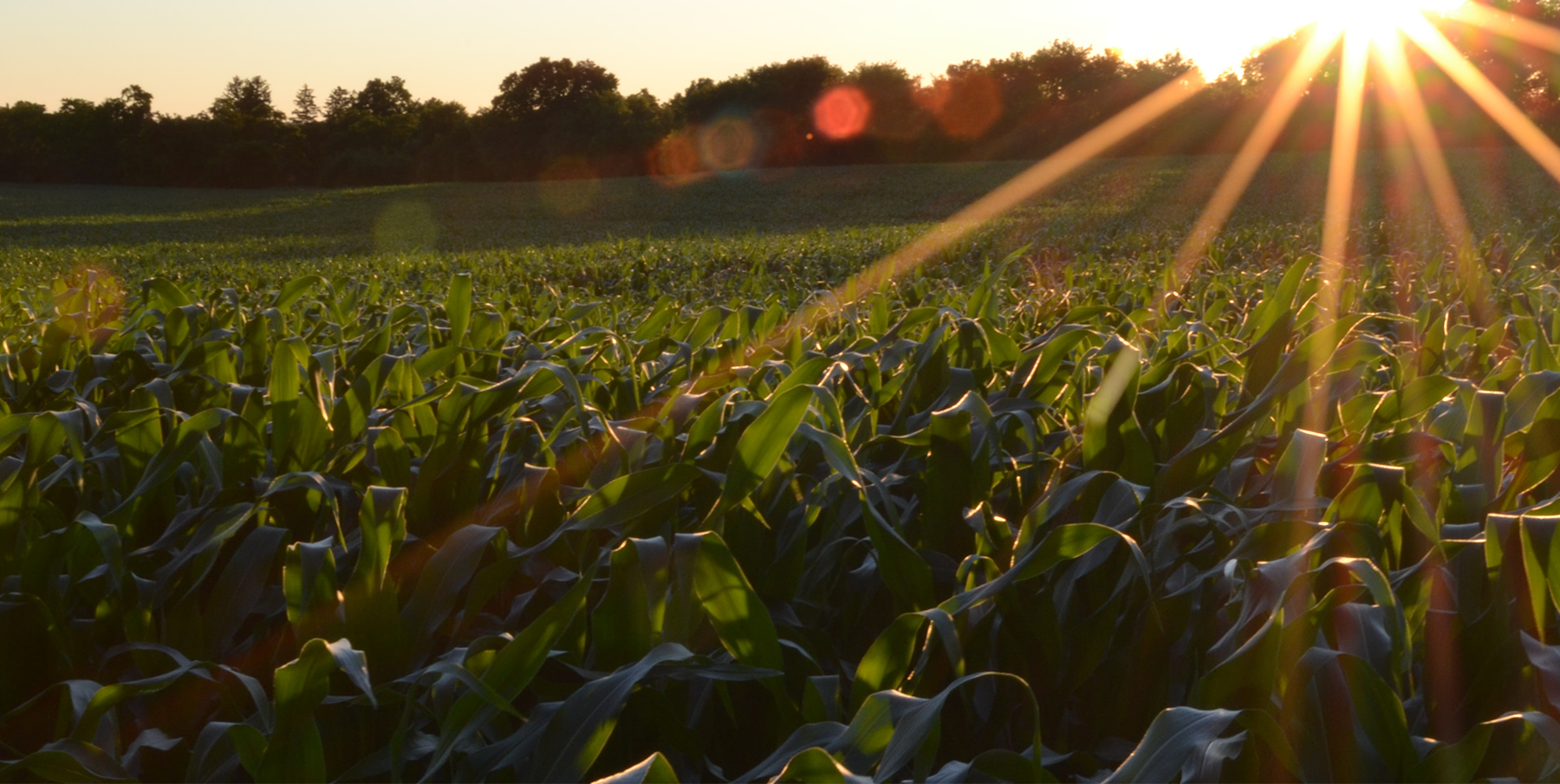

SOIL degradation remains one of the greatest threats to agricultural productivity worldwide, and Zambia is feeling the strain. Across Africa, an estimated 75 to 80 percent of cultivated land is degraded, affecting more than 480 million people and undermining food systems, rural livelihoods, and economic growth. It is against this sobering backdrop that policymakers, development partners, and agricultural experts convened at Ciela Resort in Lusaka to launch a bold new initiative aimed at repurposing agricultural support toward soil health restoration. At the centre of the discussions was the World Bank Group, which has pledged financial and technical support to help Zambia restore degraded land and build resilient food systems.
World Bank Group Vice President for Planet, Guangzhe Chen, said the institution stands ready to support Zambia in strengthening soil health as a foundation for improved food security and climate resilience. “Healthy soils are the foundation of sustainable food systems and critical to securing future harvests,” Mr. Chen said. He stressed that Africa’s agricultural transformation cannot be achieved without unlocking the full potential of its value chains, which include production, processing, and markets. Mr Chen has, however, cautioned that productivity gains must not come at the expense of long-term soil sustainability. “While fertilizer remains important for boosting yields, its misuse can degrade soil over time. There is a need for smarter policies and prudent fertilizer use to ensure sustainable production systems that protect the land for future generations,” Mr. Chen noted. Mr Chen was speaking during the launch of the World Bank-supported Knowledge Impact Programme for Repurposing Agricultural Support for Improved Soil Health — an initiative designed to help countries rethink how public agricultural spending is structured.
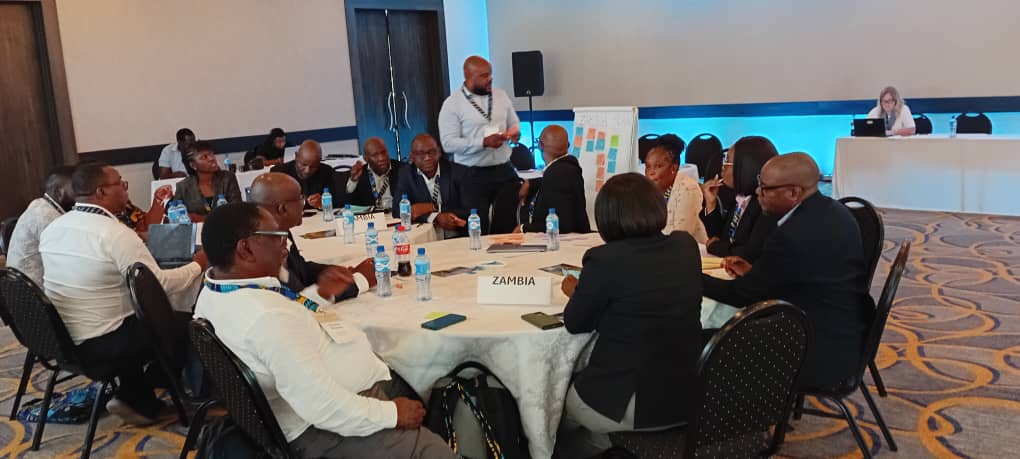
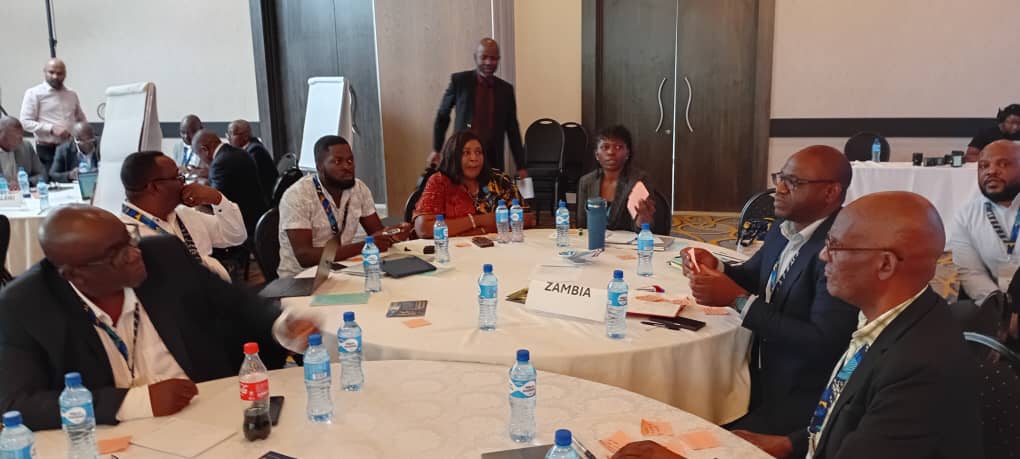
The event attracted a high-level delegation from the World Bank, Ghana, Tanzania, Malawi, Senegal, Kenya, Germany, and the United Kingdom, among others, to share knowledge on sustainable soil Management. On the domestic front, Agriculture Minister Reuben Mtolo noted that the era of short-term subsidy dependency must give way to long-term investment in soil restoration and resilience. Mr. Mtolo called for a decisive shift from traditional input subsidies toward productive financing models that rebuild degraded land and support regenerative agriculture. “Public agricultural spending must move beyond short-term consumption support to investments that generate sustained productivity and restore our soils,” Mr. Mtolo indicated. He emphasized that soil degradation, inefficient fertilizer use, climate variability, and weak soil information systems remain structural barriers to agricultural growth. Mr. Mtolo emphasized that without urgent reforms, productivity gains in Zambia and beyond would remain fragile. He argued that redirecting subsidies toward regenerative agriculture, research, innovation, and climate-smart practices would deliver better returns for both farmers and taxpayers. “These reforms are designed to protect future generations by ensuring that today’s investments create fertile soils, improved food security, and lasting economic growth,” Mr. Mtolo said.
The shift aligns with Zambia’s broader agricultural transformation agenda under the Comprehensive Agriculture Transformation Support Programme (CATSP), which seeks to modernise the sector, strengthen value chains, and enhance farmer livelihoods.
Rachel Waterhouse, Resilient Ecosystems Team Lead at the United Kingdom’s Foreign, Commonwealth & Development Office, said soil health is central to improving farm incomes and building resilience in rural communities. Ms Waterhouse noted that the UK Government remains committed to supporting Zambia’s sustainable agriculture agenda, including implementing CATSP and other climate-smart interventions aligned with national priorities. She stressed that healthy soils are not only an environmental issue but an economic imperative. “Decades of heavy reliance on consumption-oriented subsidy programmes across Africa have delivered mixed results. While such interventions helped cushion farmers during periods of vulnerability, they have often crowded out investment in research, soil mapping, irrigation infrastructure, and sustainable land management,” Ms. Waterhouse explained.
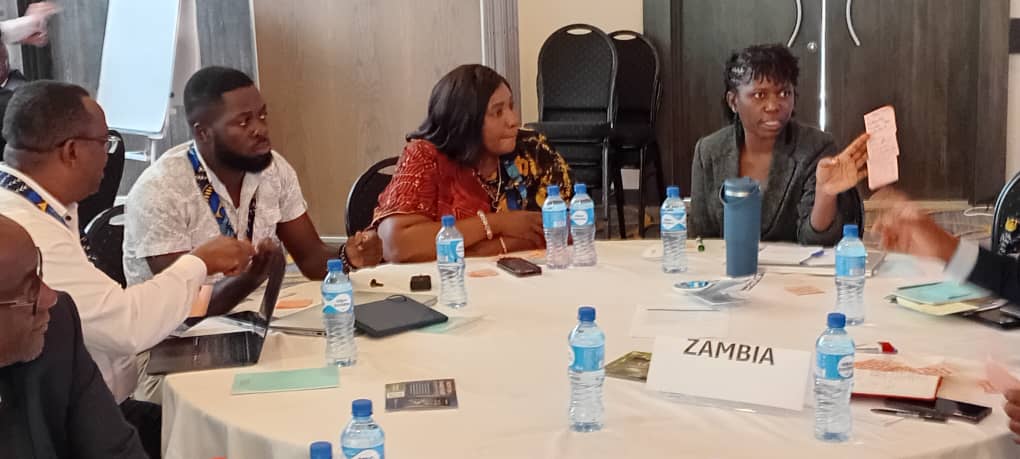
The newly launched programme would promote evidence-based policymaking, regional collaboration, and innovation in soil restoration strategies. It also seeks to rebalance public expenditure, thereby ensuring that funds invested yield long-term returns in productivity, resilience, and environmental sustainability. For Zambia, where agriculture remains a cornerstone of economic growth and rural livelihoods, restoring soil health is no longer optional; it is fundamental to achieving national production targets, improving nutrition, and safeguarding the country’s food future.
By shifting from short-term subsidies to strategic investment in land restoration and regenerative practices, Zambia is positioning itself to build stronger harvests, resilient farmers, and a food system capable of sustaining future generations. In a quest to boost productivity and food security, soil health is emerging not just as a technical issue, but as the foundation of sustainable national growth.
The author is a reporter at the National Agriculture Information Services in Zambia.