By Keikantse Lesemela
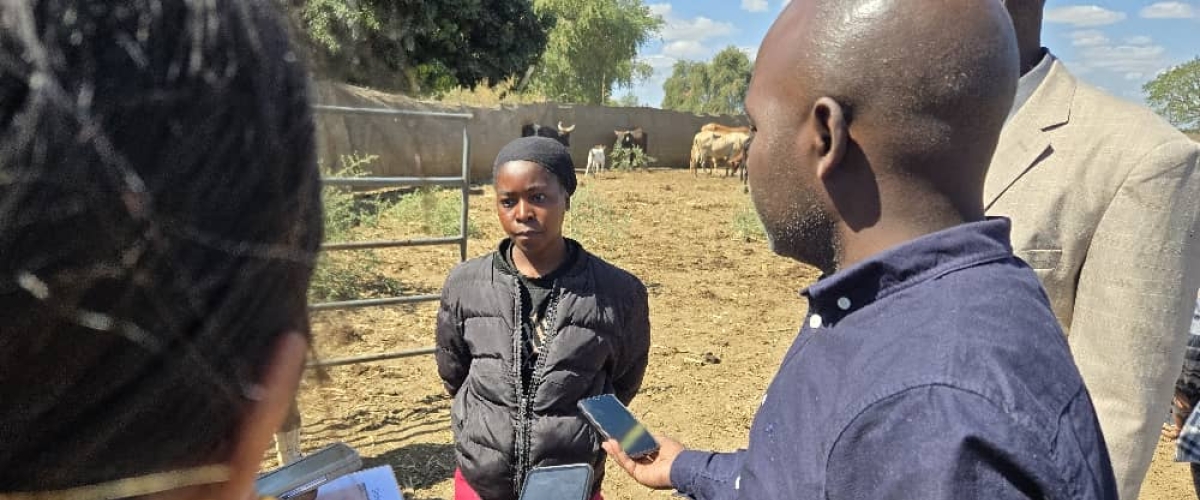
In the quiet rural stretch of Sikaunzwe, a small village tucked away in southern Zambia, the lowing of cattle is more than just background noise; it’s the heartbeat of the community. And at the centre of it all stands 25-year-old Precious Phiri, a determined young woman breaking barriers and reshaping perceptions about what women can do.
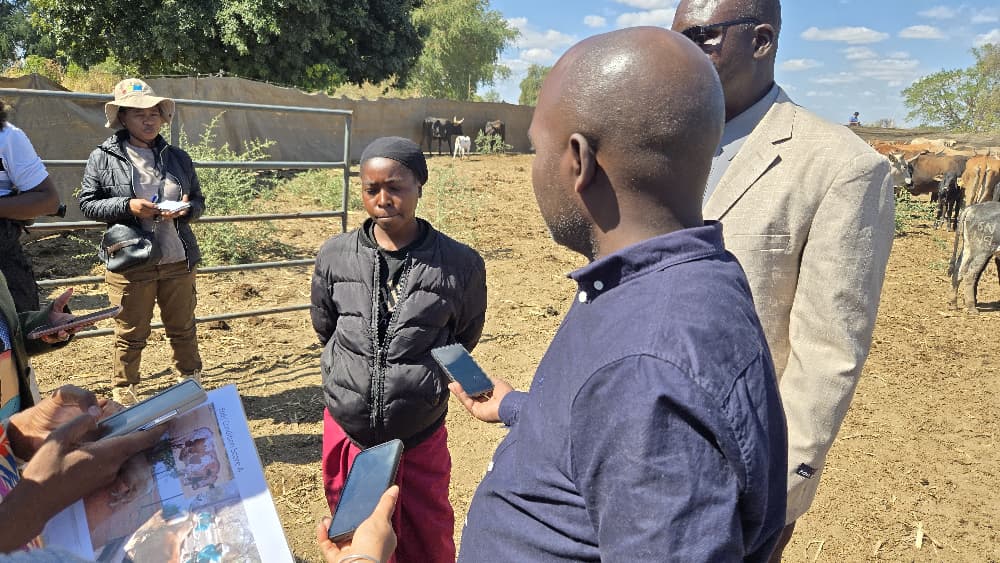
Every morning, before the sun casts its golden light across the grazing lands, Precious is already on the move, guiding hundreds of cattle to fresh pastures. She’s not just a helper, she’s the lead professional cattle herder for her village, responsible for nearly 300 cattle. It’s a role many in her community once thought only men could handle.
“I wanted to contribute to the development of my community,” she says with quiet pride. “I grew up herding my family’s few cattle, but with the training I’ve received from Peace Parks Foundation and GIZ, my skills have grown beyond what I imagined.”
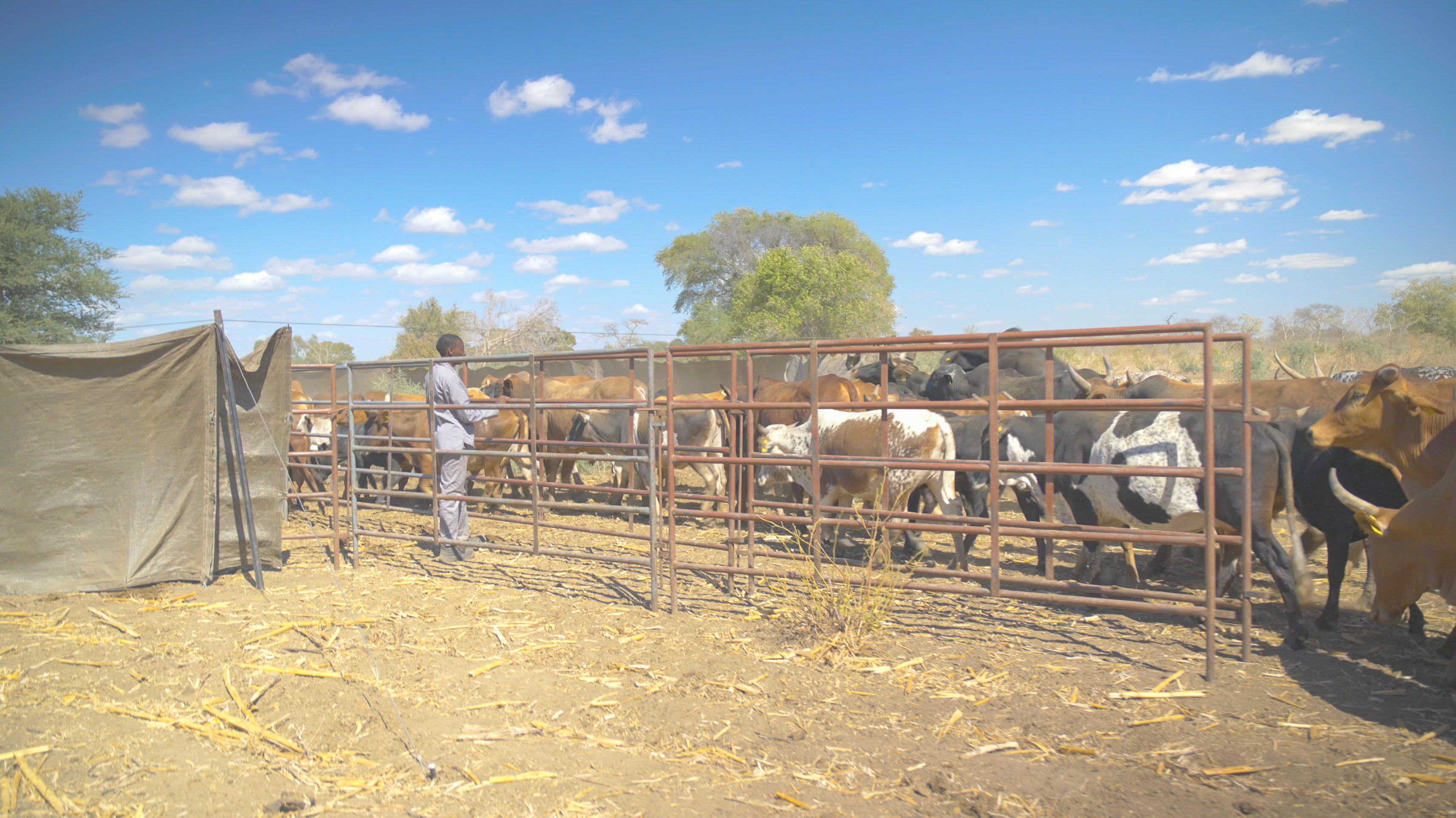
Her journey into professional herding began in February this year when her community, through the Herding for Health (H4H) program, employed her to manage their cattle. H4H, led by Conservation International and the Peace Parks Foundation, with support from the German Corporation for International Cooperation (GIZ), is more than just a livestock program. It’s a lifeline, tackling land degradation, restoring rangelands, and supporting rural livelihoods in and around protected areas.
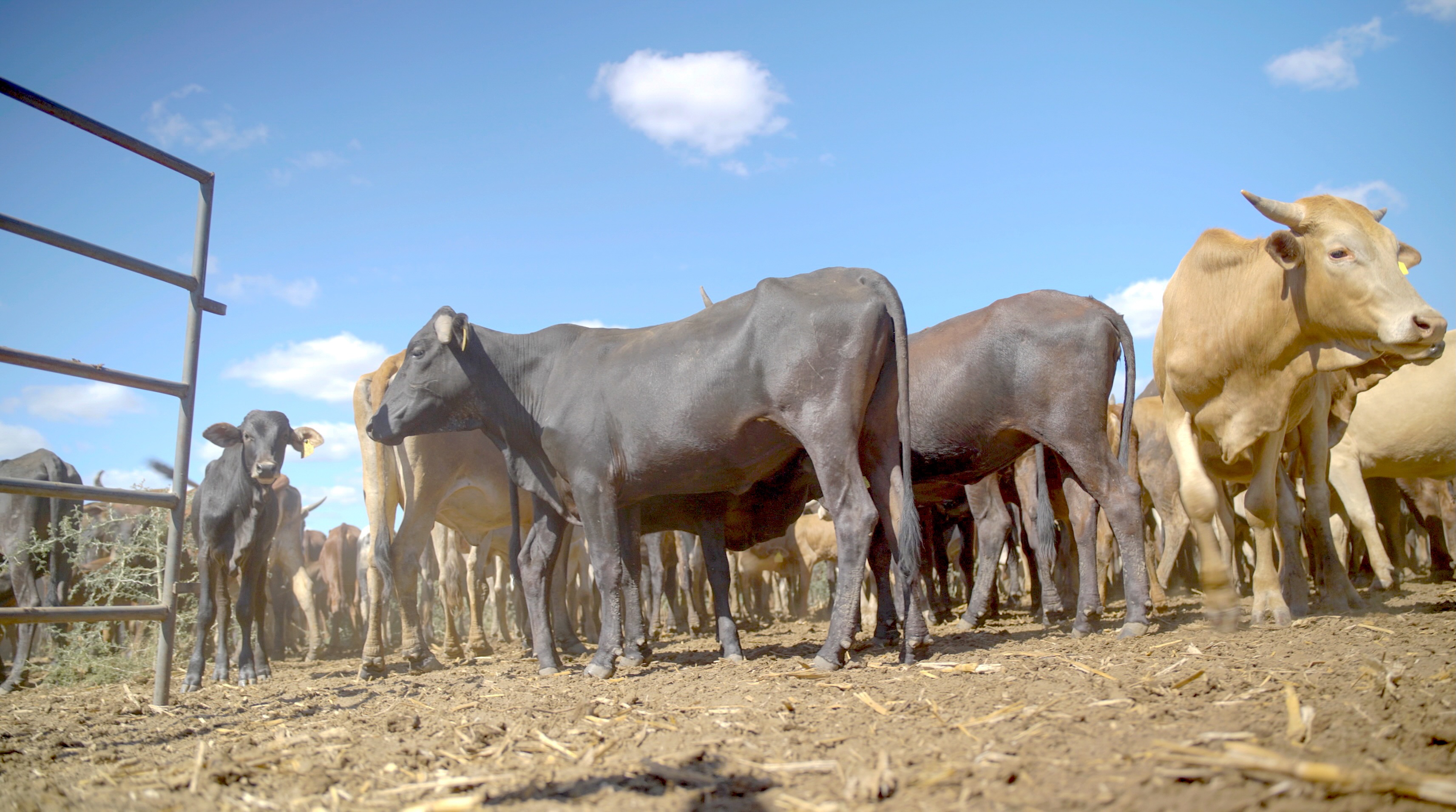
Through this initiative, a community of 3000 people, with 14 local livestock farmers, has joined forces, combining resources and knowledge to strengthen their herds. When the project started, the cattle numbered about 200. Now, under Precious’s and her team’s watchful care, they’ve grown to nearly 300, and they’re healthier than ever. Mortality rates have dropped, weight has improved, and buyers from distant towns are now coming directly to Sikaunzwe, knowing the cattle here are of top quality.
Professional herding has also brought economic hope. “We now have the skills and knowledge to raise healthy cows that fetch good prices at the market,” Precious explains. “That means income for our families and growth for our community.”We ensure that the cattle are led to good grazing land and avoid long-distance travel, as this reduces their weight. We also monitor their health every day and administer medication when necessary, and now we are seeing better results”
For a young woman who completed secondary school in 2019 but never had the chance to attend university, this job is more than employment; it’s empowerment. Precious doesn’t see her work as a step down from other professions. To her, it’s a calling, a way to lift her predominantly poor community toward a better future.
But challenges remain. The Ngweze River, their primary water source, is drying up, threatening the cattle’s survival. “We need help to dig boreholes or dams to secure water,” she says. “If we can solve this, our progress will be unstoppable.”
Her work is not just about managing cattle, it’s about managing hope. In a place where opportunities for young women are often limited, Precious has become a living example of resilience, skill, and vision. She’s herding not just animals, but a community’s dreams, leading them, one pasture at a time, toward a stronger, more sustainable future.
This initiative is implemented collaboratively through the assistance of GIZ working in the Consortium with Peace Parks Foundation, Centre for Coordination of Agriculture Research and Development for Southern Africa (CCARDESA), and Conservation International.This initiative is implemented collaboratively through the assistance of GIZ working in the Consortium with Peace Parks Foundation, Centre for Coordination of Agriculture Research and Development for Southern Africa (CCARDESA), and Conservation International. This is an International Climate Initiative (IKI) project funded through the German Federal Ministry for the Environment, Climate Action, Nature Conservation and Nuclear Safety (BMUKN).
The author is a reporter at the Botswana Guardian