Government has directed all Permanent Secretaries and Provincial Administration heads to immediately operationalise multi-sectoral contingency plans ahead of the 2026/2027 farming season following forecasts of sharply contrasting rainfall patterns across the country.
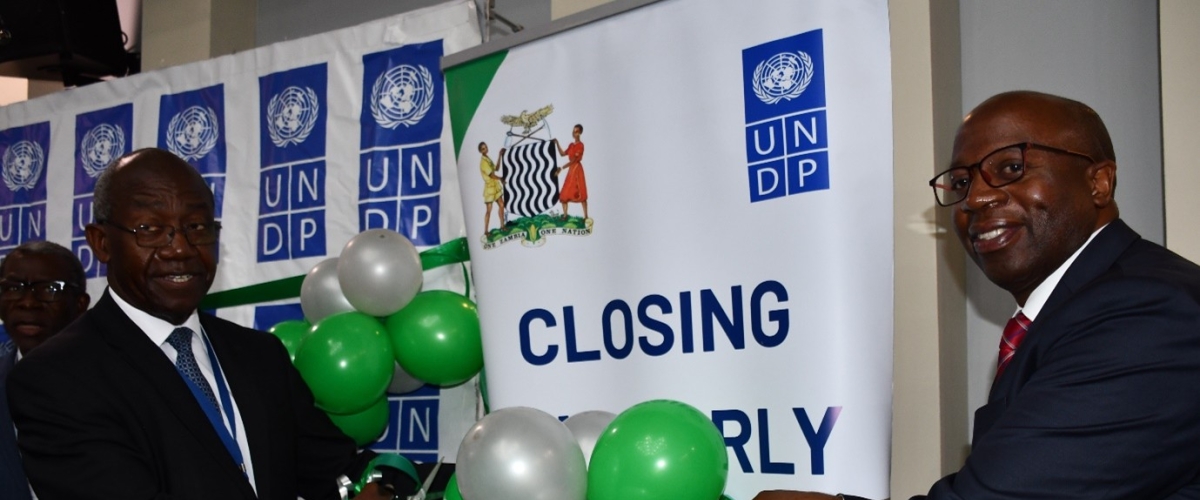
Secretary to the Cabinet, Patrick Kangwa, said the directive was aimed at shifting government from responding to climate-related disasters after they occur to taking early and targeted action to protect communities, livelihoods and national development gains.
“Waiting for disaster to strike is no longer an option,” Mr Kangwa said when he officially launched the 2026/2027 National Seasonal Rainfall Outlook in Lusaka.
He noted that the polarised nature of the coming season required proactive interventions across climate-sensitive sectors, including agriculture, water, energy, health and disaster risk management.
“The varying nature of the 2026/2027 season demands targeted, proactive interventions across all climate-sensitive sectors,” he stressed.
According to the outlook, the northern belt covering Northern, Luapula and Muchinga provinces, as well as northern parts of North-Western Province, is expected to receive normal-to-above-normal rainfall.
The central transition zone covering Copperbelt, Central, Eastern and parts of North-Western provinces is expected to receive normal-to-above-normal rainfall during the early part of the season before shifting towards normal-to-below-normal conditions from the December-January-February period.
In contrast, the southern belt covering Southern, Lusaka and Western provinces, as well as southern parts of Central and Eastern provinces, is expected to experience below-normal rainfall, with a delayed onset extending from late November into December.
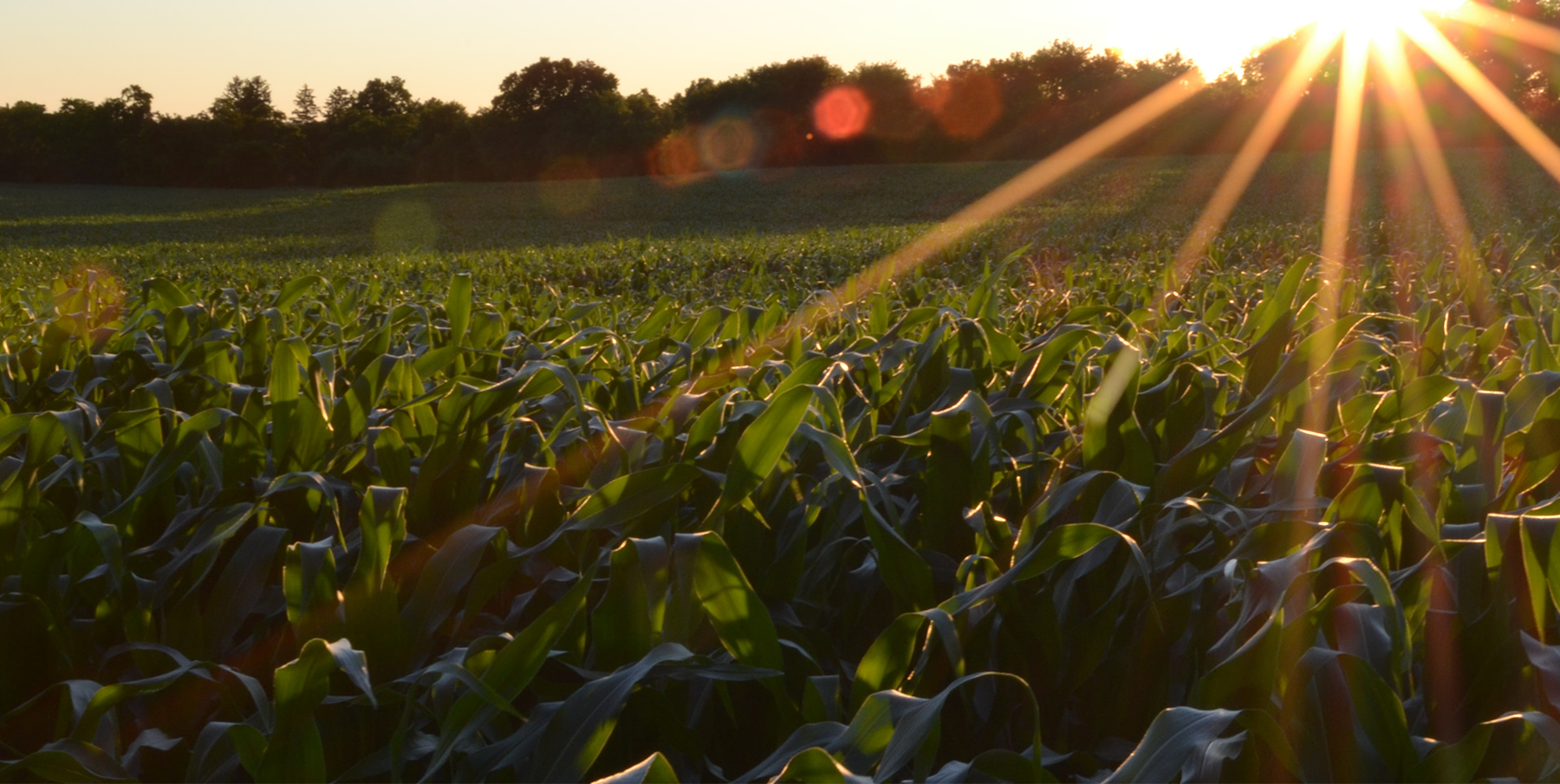
Mr Kangwa said the differing rainfall conditions required agriculture authorities to provide location-specific support to farmers, particularly in areas expected to experience moisture stress.
“In drier southern and central zones facing heightened moisture stress, agriculturalists must prioritise early-maturing and drought-tolerant crop varieties and strictly monitor Zambia Meteorological Department (ZMD) onset updates before planting,” he said.
He said farmers in wetter northern areas should also remain vigilant against localised waterlogging and nutrient leaching, which could affect crop production.
Mr Kangwa said the need for preparedness had been underscored by the experience of the 2023/2024 El Niño-induced drought, which resulted in the declaration of a national disaster.
“History must instruct our preparedness, not dictate our defeat,” he said, noting that nearly one million hectares out of 2.27 million hectares of planted maize were destroyed during the drought, while emergency relief interventions supported more than 5.8 million people.
The government’s preparedness drive comes as the Integrated Food Security Phase Classification projects that about 1.2 million people, representing five percent of the country’s population, could face acute food insecurity between October 2026 and March 2027.
Mr. Kangwa hinted that the figure represented a 72 percent increase from the nearly 700,000 people currently facing crisis levels of hunger, making coordinated preparedness particularly important.
“A forecast of this nature is not merely a collection of meteorological statistics, it is an early-warning roadmap designed to safeguard our national development gains,” he said.
He directed ministries, provincial administrations and local authorities to ensure that the seasonal forecast reaches planners, extension officers and decision-makers at all levels and is incorporated into sector-specific preparedness measures.
Meanwhile, Permanent Secretary in the Ministry of Green Economy and Environment, Dr Douty Chibamba, disclosed that government was targeting more than one million farmers nationwide with reliable agrometeorological information during the 2026/2027 farming season.
Dr. Chibamba said timely climate information would help farmers make informed production decisions, strengthen resilience and protect food security and rural incomes.
He said government is working with the Ministry of Agriculture and other stakeholders to translate meteorological information into practical advisories that farmers could use throughout the season.
And United Nations Development Programme (UNDP) Resident Representative in Zambia, Dr. James Wakiaga, called for wider and more inclusive access to climate information, particularly for women and young people.
Dr. Wakiaga said climate change continued to affect development through droughts, floods and unpredictable rainfall, making investment in climate information services, early warning systems and anticipatory action critical to reducing vulnerability.
“When women are empowered with access to weather information and climate-smart technologies, families, communities, and entire economies become more resilient,” Dr Wakiaga said.
He noted that young people also had an important role to play in advancing climate-smart agriculture, developing digital solutions and driving the green economy, and should therefore be active participants in designing, accessing and using climate information.
Through the Strengthening Climate Resilience of Agricultural Livelihoods in Agro-Ecological Regions I and II in Zambia (SCRALA I & II) Project, funded by the Green Climate Fund, UNDP is supporting Government to strengthen climate resilience among smallholder farming communities in 16 vulnerable districts.
The author is Senior Information Agricultural Officer at the National Agricultural Information Services (NAIS) and also CCARDESA ICKM Focal Point Person for Zambia